What is Spain known for?
Short answer
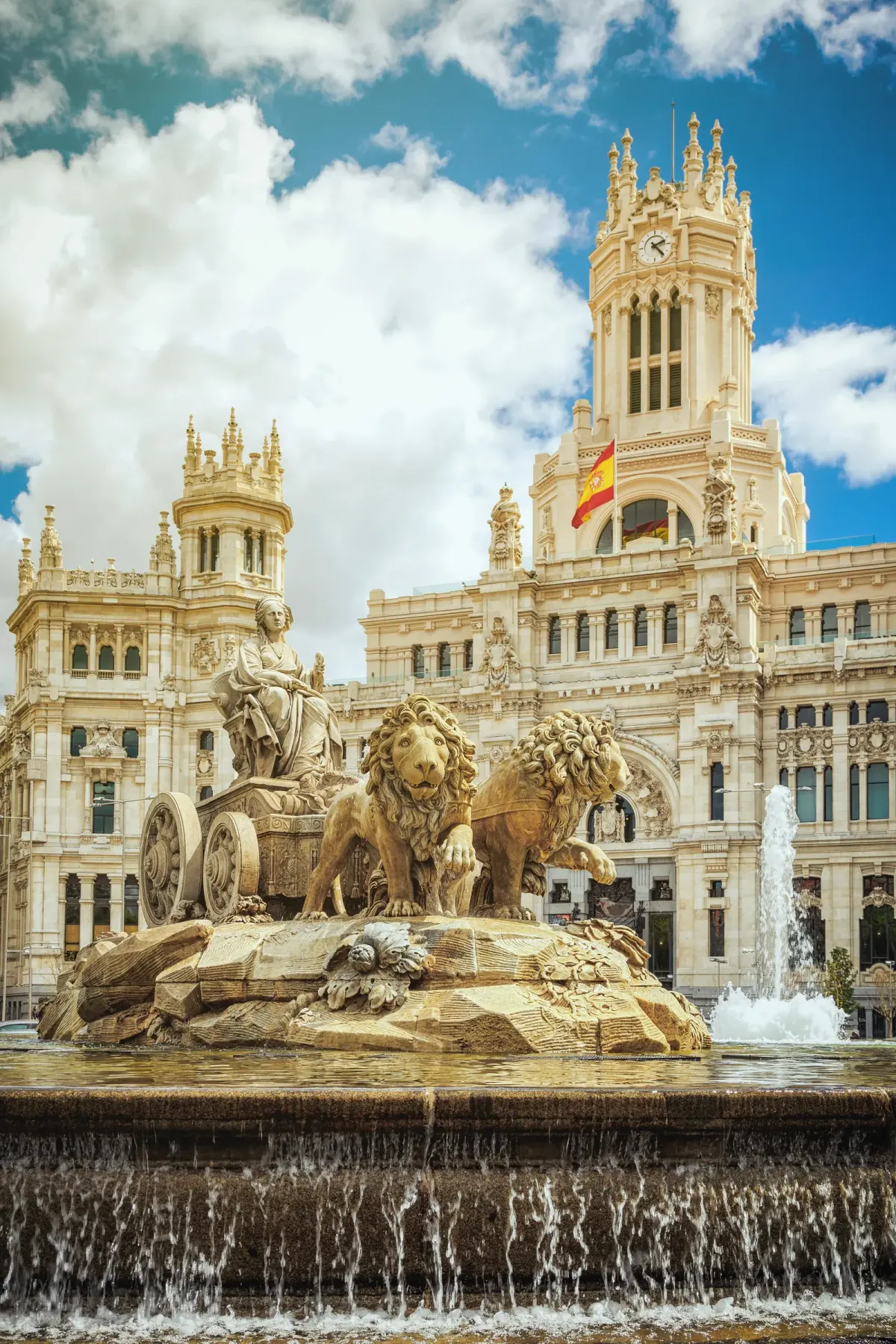
Spain is globally renowned for its vibrant culture, Mediterranean climate, and deep-rooted history. It is famous for its world-class gastronomy, including tapas and paella, iconic architectural landmarks like the Sagrada Família, and a passionate tradition of flamenco. The nation remains one of the most visited tourist destinations in the world today.
On this page
What are the most famous Spanish foods?
Spanish cuisine is defined by regional diversity and the use of high-quality, fresh ingredients. The Mediterranean diet, which emphasizes olive oil, fresh vegetables, and seafood, is central to the country's culinary identity. While paella is the most recognizable dish, originating from the Valencia region, the country offers a vast array of flavors that vary significantly from the northern Basque Country to the southern region of Andalusia.
Tapas are perhaps the most practical way to experience Spanish dining culture. These small, flavorful plates are designed for sharing and socializing, often enjoyed alongside a glass of local wine or beer. To navigate the Spanish food scene like a local, consider these staples:
- Jamón Ibérico: A premium, acorn-fed cured ham.
- Tortilla Española: A thick omelet made with potatoes and eggs.
- Gazpacho: A cold, refreshing tomato-based soup from the south.
- Churros con chocolate: A popular breakfast or late-night treat.
How to experience Spanish architecture and art?
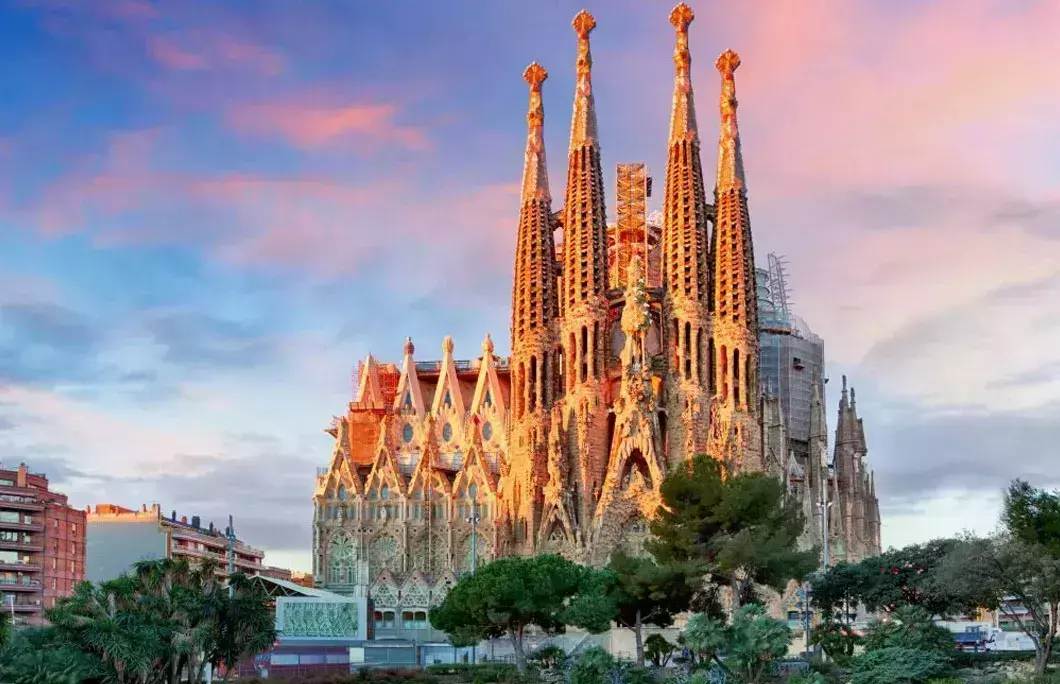
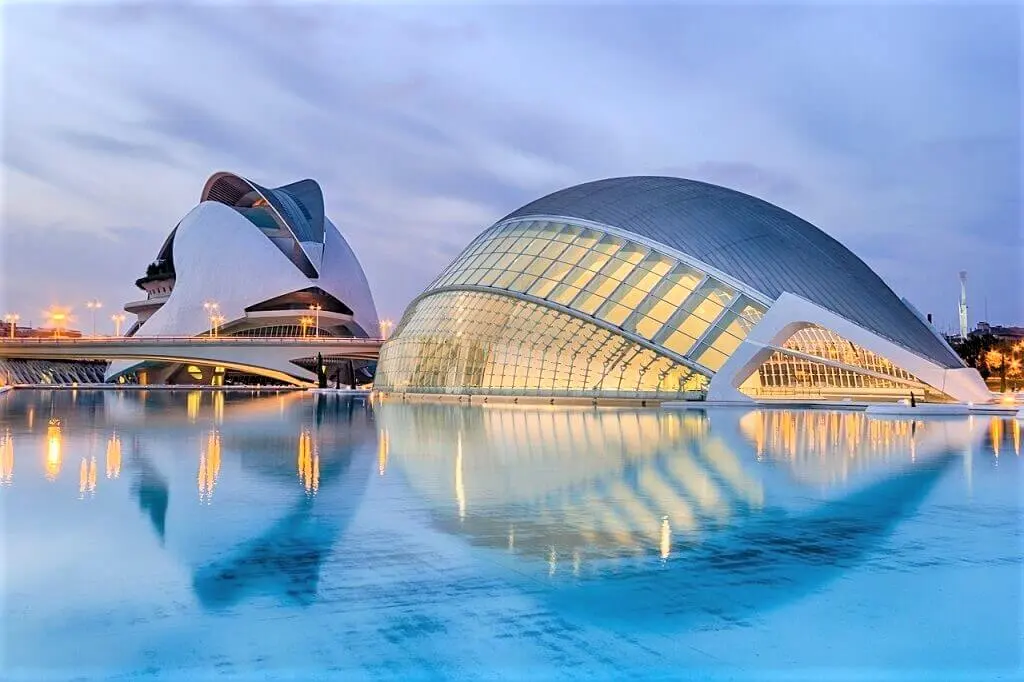
Spain’s architectural landscape reflects centuries of shifting empires, from Roman ruins to Moorish palaces and modernist masterpieces. The Alhambra in Granada stands as a premier example of Islamic architecture in Europe, featuring intricate tile work and lush gardens. Conversely, the city of Barcelona is defined by the unique, organic style of Antoni Gaudí, whose works, such as the Sagrada Família, have become symbols of the nation's creative spirit.
Beyond architecture, Spain has produced some of the most influential painters in history. The Prado Museum in Madrid houses an extensive collection of European art, including masterpieces by Diego Velázquez and Francisco Goya. To make the most of your cultural visits, follow these steps:
- Book tickets for major sites like the Alhambra or Sagrada Família weeks in advance to avoid long queues.
- Visit museums during their designated free-entry hours, which are often in the late afternoon or early evening.
- Wear comfortable walking shoes, as many historic city centers are pedestrian-only zones with cobblestone streets.
Why is flamenco so important to Spain?
Flamenco is a deeply emotional art form that combines singing, guitar playing, dance, and rhythmic hand-clapping. Originating in the marginalized communities of Andalusia, it serves as a powerful expression of sorrow, joy, and resilience. It is not merely a performance but a cultural ritual that requires intense focus and improvisation from the artists.
While you can find flamenco shows in many tourist hubs, the most authentic experiences are often found in "tablaos" or smaller, intimate venues. When attending a performance, it is customary to remain quiet during the music to respect the artist's concentration. The intensity of the performance, known as "duende," is what distinguishes a professional flamenco dancer from a casual performer. It is a raw, unscripted display of human emotion that remains a cornerstone of Spanish identity and is recognized by UNESCO as an Intangible Cultural Heritage of Humanity.
Common mistakes when visiting Spain?
Many travelers struggle with the timing of daily life in Spain, which operates on a schedule significantly different from the rest of Europe. Dinner is rarely served before 8:30 PM or 9:00 PM, and many shops close in the afternoon for a mid-day break. Failing to account for these local rhythms can lead to frustration when trying to find open restaurants or businesses during traditional lunch hours.
Another common error is assuming that all of Spain shares the same cultural identity. Spain is composed of 17 autonomous communities, each with its own language, traditions, and culinary specialties. For instance, the northern regions have a distinct Celtic influence, while the southern regions are heavily influenced by their Moorish history. To avoid travel pitfalls, keep these tips in mind:
- Avoid eating at restaurants with "tourist menus" located directly next to major landmarks.
- Do not try to visit too many cities in a short period; travel by high-speed train (AVE) to save time.
- Learn a few basic phrases in the local language, especially if you are visiting regions like Catalonia or the Basque Country.
What is the climate and geography like?
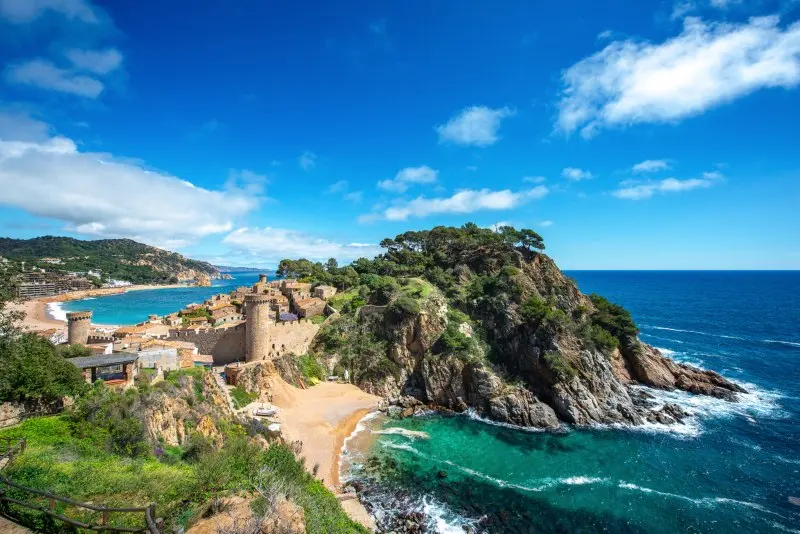
Spain features a diverse geography that ranges from the snow-capped Pyrenees mountains in the north to the arid, sun-drenched plains of the interior. The coastal regions enjoy a Mediterranean climate, characterized by mild, wet winters and hot, dry summers. This environmental variety supports a wide range of outdoor activities, from skiing in the Sierra Nevada to surfing on the Atlantic coast of Galicia.
The country’s islands, including the Balearics and the Canaries, offer unique ecosystems and volcanic landscapes that attract millions of visitors annually. Whether you are exploring the rugged cliffs of the north or the sandy beaches of the Costa del Sol, the climate is a major driver of the Spanish lifestyle. Outdoor social life is the norm, with plazas and terraces serving as the living rooms of the community. By understanding the regional climate variations, you can better plan your itinerary to ensure you experience both the bustling urban centers and the serene natural beauty that defines the Spanish landscape.
Key facts
- Spain is the world’s leading producer of olive oil, accounting for nearly 45% of global production.
- The country is home to 50 UNESCO World Heritage sites, ranking it fourth globally for the most designated locations.
- Spanish is the second most spoken native language in the world, with over 480 million native speakers.
- Tipping is not mandatory in Spain; leaving a small amount of change or rounding up the bill is sufficient for good service.
- Most shops and businesses close for a "siesta" break between 2:00 PM and 5:00 PM, particularly in smaller towns.
- Dinner in Spain typically begins late, often between 9:00 PM and 10:30 PM, reflecting the country's unique Mediterranean lifestyle.
The bottom line
Spain is a vibrant destination defined by its rich historical legacy, world-class gastronomy, and a relaxed pace of life. Whether exploring the architectural wonders of Antoni Gaudí, enjoying regional tapas, or navigating the efficient rail system, visitors find a country that balances tradition with modernity. By respecting local dining schedules and cultural customs, travelers can fully immerse themselves in the authentic and welcoming spirit of the Spanish people.
People also ask
What is the best time of year to visit Spain?
Spring (April to June) and autumn (September to October) are ideal, offering mild temperatures and fewer crowds than the peak summer months. Avoid August if you dislike extreme heat, as temperatures in the interior often exceed 40°C (104°F).
Is it necessary to learn Spanish to travel through Spain?
While major tourist hubs have English speakers, learning basic phrases like "por favor" and "gracias" is highly appreciated. In rural areas, English proficiency is significantly lower, so carrying a translation app or pocket dictionary is a practical precaution.
What are the most iconic Spanish dishes to try?
Paella, a saffron-infused rice dish from Valencia, and tortilla española, a potato and egg omelet, are essential culinary staples. Do not mistake paella for a quick snack, as it is traditionally prepared fresh and requires a longer wait time.
How does the public transportation system work?
Spain features an extensive high-speed rail network called the AVE, which connects major cities like Madrid and Barcelona in under three hours. For urban travel, metro systems are efficient, but always validate your ticket before boarding to avoid heavy fines.
What is the significance of flamenco in Spanish culture?
Flamenco is an expressive art form combining singing, guitar playing, and dance, originating from the Romani culture in Andalusia. To experience it authentically, seek out small "tablaos" rather than large, commercialized tourist dinner shows.
Are there any social customs I should be aware of?
Spaniards often greet each other with two kisses, starting on the right cheek, though a handshake is standard in professional settings. Be mindful that personal space is often smaller than in other cultures, and loud behavior in quiet residential areas is considered rude.
This answer was created with the help of AI research tools and reference sources. Spotted an error? Let us know — we correct mistakes quickly. See our editorial policy.