What is a fern?
Short answer
Ferns are ancient, non-flowering vascular plants that reproduce via spores rather than seeds. They belong to the division Pteridophyta and are characterized by their feathery fronds and complex life cycles. Thriving in moist, shaded environments, ferns have existed for over 360 million years, predating the rise of most flowering plants on Earth.
On this page
What are the defining characteristics of ferns?
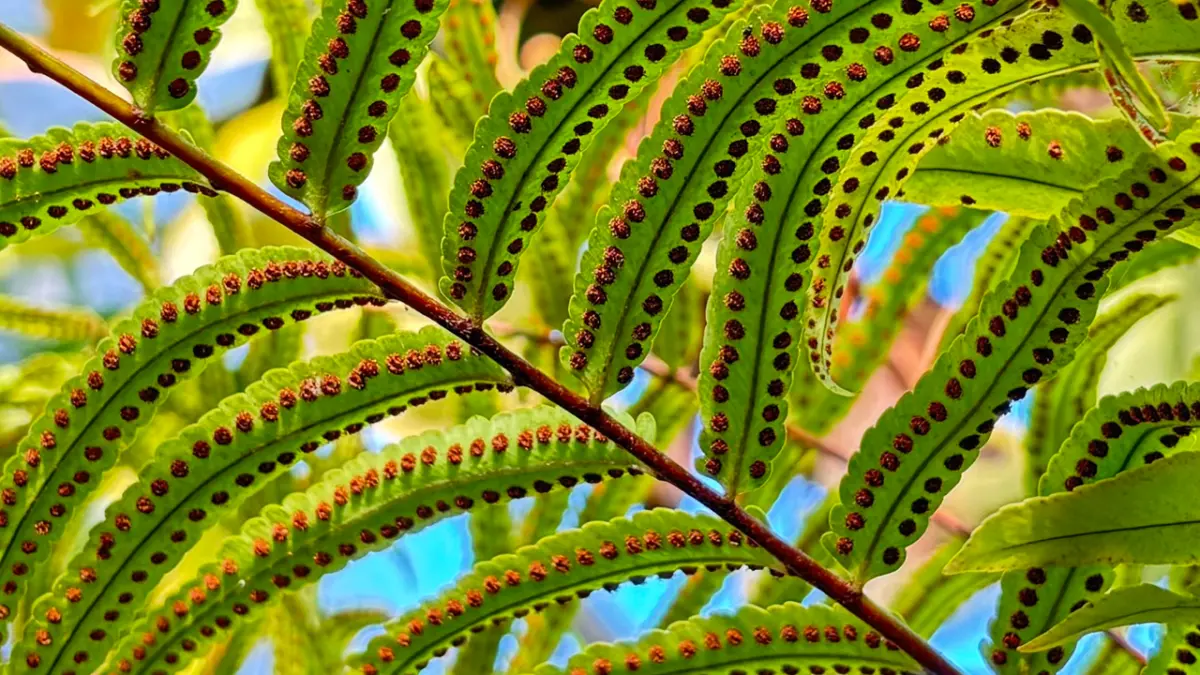
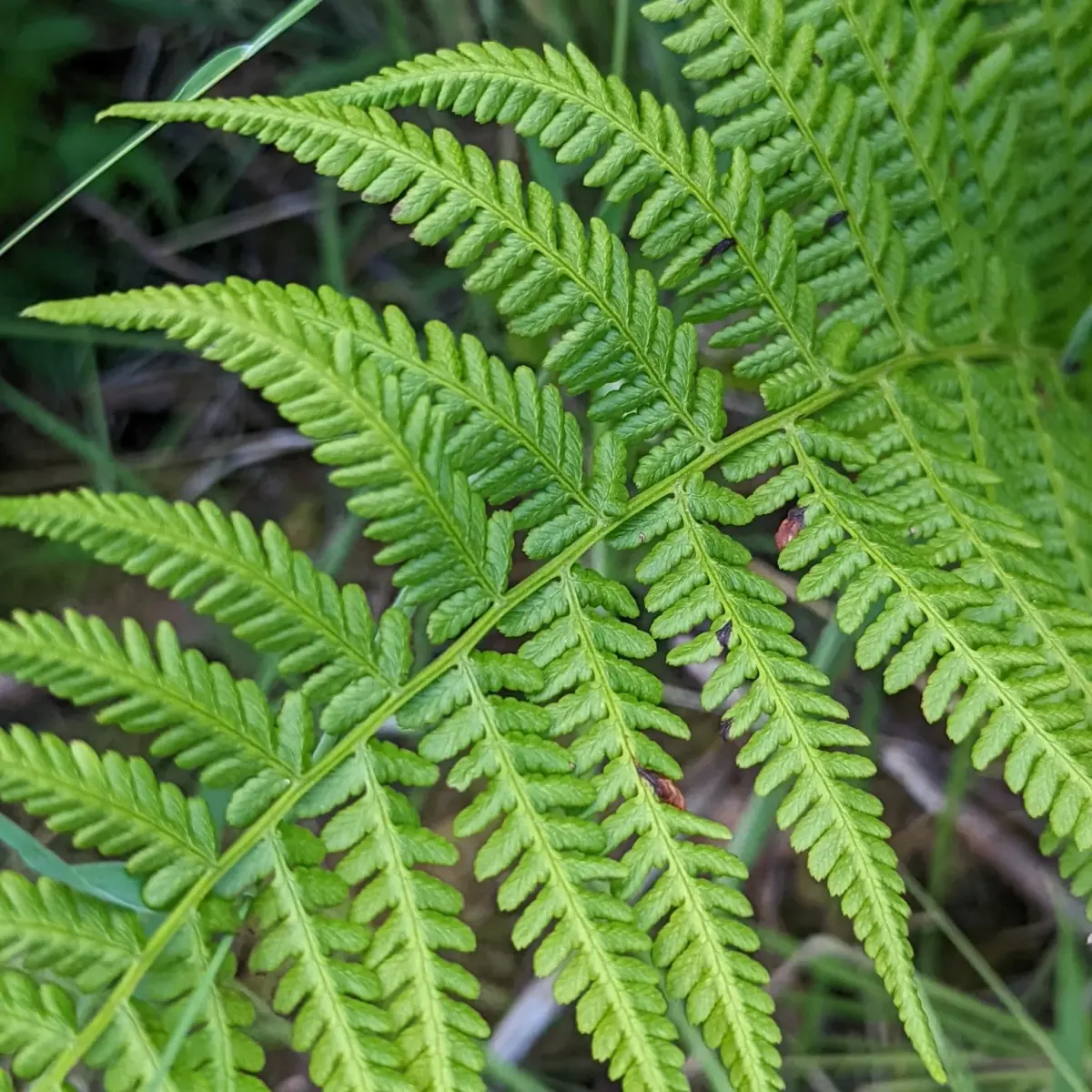
Ferns are defined by their vascular systems, which allow them to transport water and nutrients throughout their stems, roots, and leaves. Unlike flowering plants, they do not produce seeds or fruits. Instead, they rely on microscopic spores, usually found in clusters called sori on the undersides of their leaves, to propagate. These leaves, known as fronds, often emerge from the soil in a tightly coiled shape called a fiddlehead, which gradually unfurls as the plant matures.
The diversity of ferns is vast, with over 10,000 known species ranging from tiny, moss-like plants to massive tree ferns that can reach heights of 50 feet. They lack true flowers and seeds, yet they possess a sophisticated reproductive cycle that involves two distinct stages: the sporophyte, which is the leafy plant we recognize, and the gametophyte, a tiny, heart-shaped structure that produces reproductive cells. This evolutionary strategy has allowed ferns to colonize a wide variety of habitats, though they remain most common in temperate and tropical rainforests where humidity is consistently high.
How do you care for indoor ferns?
Growing ferns indoors requires mimicking their natural forest floor environment. They thrive in indirect, filtered light, as direct sunlight can scorch their delicate fronds. Consistent moisture is essential, but you must avoid waterlogging the roots, which leads to decay. Using a well-draining potting mix that retains some moisture—such as one containing peat moss or coco coir—is ideal for maintaining the necessary balance.
To keep your indoor fern healthy, follow these maintenance steps:
- Mist the foliage daily to increase ambient humidity, especially during winter months when indoor heating dries the air.
- Use lukewarm, distilled, or filtered water to avoid mineral buildup from tap water.
- Keep the plant away from cold drafts, air conditioning vents, or heat sources like radiators.
- Fertilize lightly with a balanced, water-soluble fertilizer at half-strength during the growing season, typically from spring through early autumn.
Why do fern leaves turn brown?
Brown fronds are a common indicator of environmental stress, most frequently caused by low humidity or inconsistent watering. Because ferns are adapted to damp, shaded habitats, they struggle when the surrounding air becomes too dry or when the soil is allowed to dry out completely. If the tips of the fronds are turning brown and crispy, the plant is likely suffering from a lack of moisture in the air.
In some cases, brown spots may also indicate fungal infections or pest infestations, such as scale insects or mealybugs. If the entire frond turns brown and dies back, it may simply be the natural aging process of the plant. You should prune away dead or damaged fronds at the base to encourage new growth. However, if you notice a sudden, widespread browning, check the soil moisture immediately. If the soil is soggy, the browning may be a sign of root rot, which is a much more severe issue requiring immediate repotting into fresh, dry soil.
Common mistakes when growing ferns
One of the most frequent errors is placing a fern in a location with too much direct sun. While some species are more resilient than others, most ferns will develop scorched, pale, or brittle leaves if exposed to intense light for extended periods. Another common mistake is over-fertilizing. Ferns are not heavy feeders, and excessive salts from fertilizers can quickly burn their sensitive root systems. Always dilute your fertilizer more than you would for other houseplants.
Another oversight involves improper drainage. Many gardeners assume that because ferns love water, they enjoy sitting in standing water. This is incorrect. Without adequate drainage holes in the pot, the roots will become deprived of oxygen, leading to rapid decay. Avoid these pitfalls by following these guidelines:
- Ensure your pot has at least one drainage hole at the bottom.
- Never allow the plant to sit in a saucer of stagnant water for more than an hour.
- Avoid using heavy, clay-based soils that pack down tightly and suffocate the roots.
- Monitor the plant closely for pests, as they often hide on the undersides of fronds.
Where do ferns grow in the wild?
In the wild, ferns are primarily found in damp, shaded environments where they can avoid the drying effects of direct sunlight. They are most abundant in tropical rainforests, where the combination of high temperatures and constant moisture provides the perfect conditions for their spores to germinate. However, they are also found in temperate forests, rocky crevices, and even near streams or waterfalls. Some species, known as epiphytes, grow high up in the branches of trees, where they collect moisture and nutrients from the air and decaying organic matter.
While many people associate ferns with tropical jungles, they are remarkably adaptable. Certain species, such as the bracken fern, can thrive in more open, acidic soils, while others are specialized to survive in the harsh, rocky environments of mountainous regions. Their ability to survive in diverse ecological niches is a testament to their evolutionary success. By understanding these natural preferences, you can better appreciate why these plants require specific care in your home and how they have managed to survive for millions of years across nearly every continent on Earth.
Key facts
- Ferns are vascular plants that reproduce via spores rather than seeds or flowers.
- There are over 10,000 known species of ferns, ranging from tiny moss-like plants to massive tree ferns.
- Most ferns thrive in humid, shaded environments and require consistent moisture to complete their life cycle.
- The coiled, unfurling young frond of a fern is known as a "fiddlehead."
- Ferns have existed on Earth for more than 360 million years, predating the rise of flowering plants.
- When growing ferns indoors, avoid direct sunlight and ensure the soil remains damp but never waterlogged.
The bottom line
Ferns are ancient, spore-bearing plants that offer a unique aesthetic to both forests and homes. By understanding their preference for high humidity, indirect light, and consistent moisture, you can successfully cultivate these resilient organisms. Whether you are observing them in the wild or keeping them as houseplants, ferns remain a fascinating example of botanical evolution that has flourished on our planet for millions of years.
People also ask
Do ferns need soil to grow?
While most ferns grow in soil, some species, known as epiphytes, grow on the surfaces of other plants or trees. These varieties absorb moisture and nutrients from the air and rain rather than the ground.
Are all ferns edible?
No, most ferns are not edible and some can be toxic if consumed. Only specific species, such as the ostrich fern, are traditionally harvested for food, and they must be cooked thoroughly before eating.
Why are my fern's leaves turning brown?
Brown leaves are often a sign of low humidity, underwatering, or exposure to harsh, direct sunlight. To fix this, mist the foliage regularly and move the plant to a spot with indirect light.
How do ferns reproduce without seeds?
Ferns produce tiny, dust-like spores usually found in clusters called sori on the underside of their fronds. When these spores land in a suitable environment, they grow into a small, heart-shaped structure that eventually develops into a new fern.
Can ferns survive in the winter?
Many fern species are deciduous and will die back to the ground during winter, returning in the spring. Others are evergreen and can withstand cold temperatures, provided they are planted in a suitable hardiness zone.
Do ferns bloom flowers?
Ferns never produce flowers, fruits, or seeds. Their biological structure is fundamentally different from flowering plants, relying entirely on spore dispersal for reproduction.
This answer was created with the help of AI research tools and reference sources. Spotted an error? Let us know — we correct mistakes quickly. See our editorial policy.