What houseplants are easy to care for?
Short answer
Low-maintenance houseplants are ideal for beginners because they tolerate irregular watering and varying light conditions. Species like the snake plant, pothos, and spider plant thrive with minimal intervention. These hardy varieties adapt well to indoor environments, requiring only occasional attention to soil moisture and light exposure to remain healthy and vibrant.
On this page
Best low-light houseplants for beginners
Many indoor plants thrive in dim corners where direct sunlight is unavailable. The snake plant (Dracaena trifasciata) is perhaps the most resilient option, featuring stiff, sword-like leaves that store water efficiently. It can survive for weeks without water and tolerates low-light environments, making it perfect for offices or bedrooms. Another excellent choice is the ZZ plant (Zamioculcas zamiifolia), which possesses waxy, deep green leaves that reflect ambient light.
Pothos (Epipremnum aureum) is a versatile trailing vine that grows rapidly even in low light. It serves as an excellent indicator plant; when it needs water, its leaves begin to droop slightly, signaling it is time for a drink. These plants are highly adaptable and forgiving of environmental fluctuations. If you are just starting your indoor garden, consider these three reliable options:
- Snake plant: Requires water only when the soil is completely dry.
- ZZ plant: Thrives on neglect and prefers to stay on the drier side.
- Pothos: Grows well in hanging baskets or on shelves with minimal pruning.
How to water indoor plants correctly
Overwatering is the primary cause of houseplant failure. Most indoor plants prefer their soil to dry out partially between waterings to prevent root rot, a condition where roots suffocate in saturated soil. Before adding water, insert your finger about two inches into the potting mix. If the soil feels damp, wait a few more days before checking again. Always ensure your pots have drainage holes at the bottom to allow excess water to escape.
When watering, pour water directly onto the soil rather than over the leaves to prevent fungal issues. Use room-temperature water, as cold water can shock tropical species. If your plant is in a decorative pot without drainage, remove the inner plastic nursery pot during watering, let it drain fully in the sink, and then return it to the decorative container. Following these steps ensures your plants receive the hydration they need without risking long-term damage to their root systems.
Best houseplants for clean air
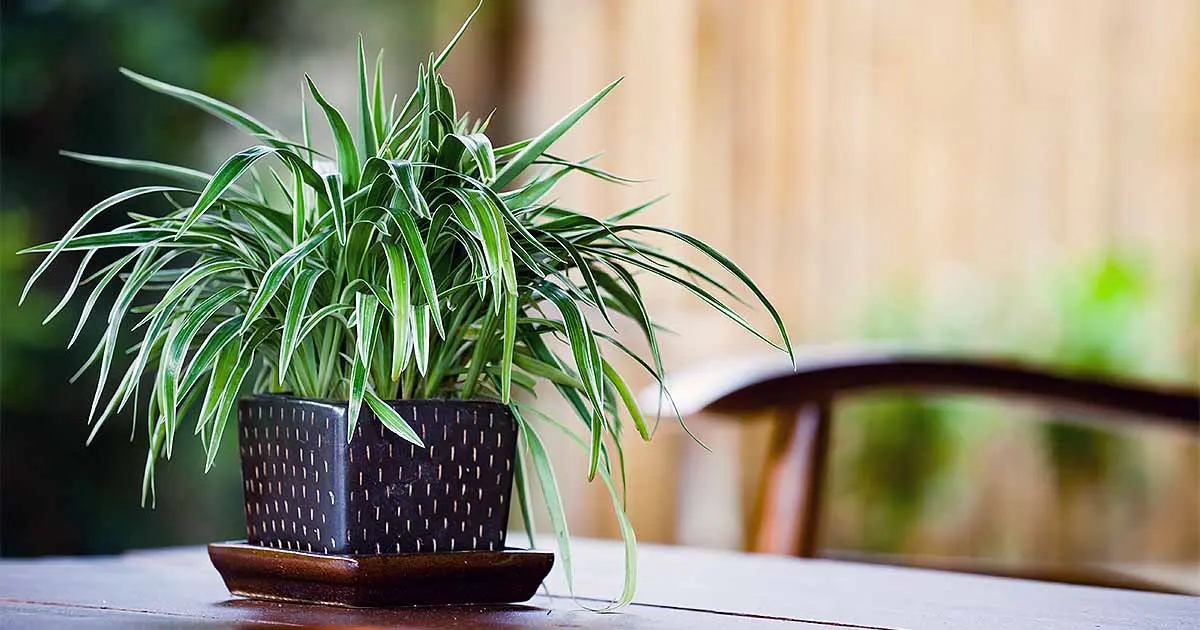
Research conducted by NASA in the late 1980s highlighted the ability of certain plants to filter common indoor toxins like formaldehyde and benzene. While the impact in a typical home is modest, adding greenery improves air quality and psychological well-being. The spider plant (Chlorophytum comosum) is a top performer in this category. It produces small "pups" or offshoots that can be easily propagated into new plants, providing a continuous supply of greenery.
Peace lilies (Spathiphyllum) are also effective at purifying air while producing elegant white blooms. However, they require slightly more moisture than succulents and will wilt dramatically if they become too dry. If you prioritize air quality, consider these additions to your living space:
- Spider plant: Safe for homes with pets and easy to propagate.
- Peace lily: Excellent for humid areas like bathrooms or kitchens.
- Rubber plant: Features large, glossy leaves that trap dust particles effectively.
Common mistakes when caring for houseplants
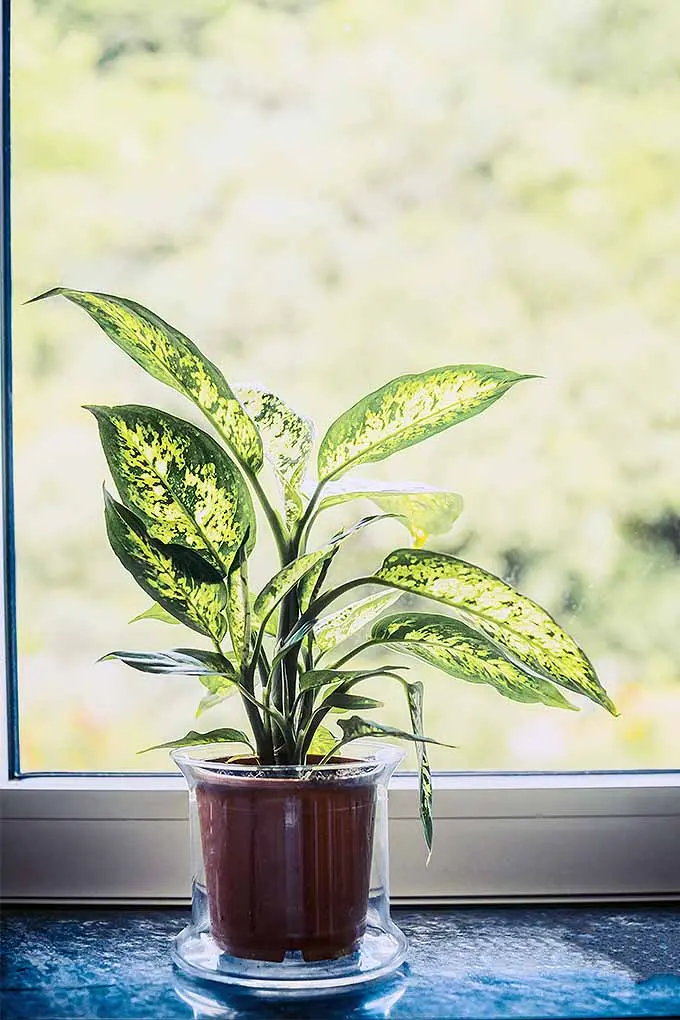
A frequent error is placing plants in locations that do not match their specific light requirements. A plant labeled as "low light" may survive in a dark room, but it will grow much slower and may lose its variegation. Conversely, placing a shade-loving plant in direct, scorching sunlight can cause leaf burn. Always research the specific light needs of your plant before finding its permanent home. Another mistake is fertilizing too frequently, especially during the winter months when growth naturally slows down.
Pests are another common issue, often introduced by new plants or open windows. Fungus gnats, which appear as tiny flies around the soil, are usually a sign of consistently wet soil. Spider mites and mealybugs can also infest foliage, appearing as fine webbing or white, cottony patches. Check the undersides of leaves regularly for these pests. If you spot them, treat the plant immediately with insecticidal soap or neem oil to prevent the infestation from spreading to your other indoor plants.
How to repot a houseplant
Repotting is necessary when a plant becomes root-bound, meaning the roots have filled the pot and have nowhere left to grow. You might notice roots growing out of the drainage holes or the plant drying out much faster than usual. Choose a new pot that is only one to two inches larger in diameter than the current one. Using a pot that is too large can hold excess moisture, which leads to root rot.
- Gently remove the plant from its current pot by turning it sideways and tapping the bottom.
- Loosen the root ball slightly with your fingers to encourage new growth.
- Add a layer of fresh, high-quality potting mix to the bottom of the new container.
- Place the plant in the center and fill the gaps with fresh soil, pressing down gently.
- Water the plant thoroughly to settle the soil around the roots and place it in its original light conditions.
Key facts
- Snake plants (Dracaena trifasciata) can survive for weeks without water due to their succulent, water-storing leaves.
- Pothos (Epipremnum aureum) vines can grow in low-light conditions and thrive in both soil and plain water.
- ZZ plants (Zamioculcas zamiifolia) are highly drought-tolerant and prefer to be left alone rather than over-watered.
- Spider plants (Chlorophytum comosum) produce "pups" or offsets that are easily propagated into new individual plants.
- Most common houseplants die from root rot caused by over-watering rather than a lack of water.
- Always choose a pot with drainage holes to allow excess moisture to escape and prevent soil saturation.
The bottom line
Successful indoor gardening relies on selecting plants that match your home's light levels and your personal schedule. By choosing resilient varieties like snake plants or pothos and prioritizing drainage, you minimize the risk of common care mistakes. Remember that consistency is more important than intensity; observe your plants regularly, avoid over-watering, and allow them to acclimate to their environment to ensure long-term growth and vitality.
People also ask
How do I know when to water my houseplant?
Insert your finger about two inches into the soil; if it feels dry, it is time to water. If the soil is still damp, wait a few more days to avoid drowning the roots.
Why are the leaves on my plant turning yellow?
Yellowing leaves often indicate over-watering or poor drainage. Check the soil moisture and ensure the plant is not sitting in a saucer of standing water.
Do all easy-care plants need direct sunlight?
No, most low-maintenance plants prefer bright, indirect light. Direct sun can actually scorch the leaves of shade-loving species like pothos or snake plants.
Should I fertilize my houseplants often?
Most houseplants only need fertilizer during the active growing season, which is spring and summer. Use a balanced, water-soluble fertilizer diluted to half-strength once a month.
How do I clean dusty houseplant leaves?
Gently wipe the leaves with a damp, soft cloth to remove dust. This helps the plant photosynthesize more efficiently and prevents pests from settling on the foliage.
Can I keep houseplants if I have pets?
Some common plants like pothos and snake plants are toxic if ingested by cats or dogs. Always research a plant's toxicity before bringing it into a home with pets.
This answer was created with the help of AI research tools and reference sources. Spotted an error? Let us know — we correct mistakes quickly. See our editorial policy.