How do you care for paint brushes?
Short answer
Proper paint brush care requires immediate cleaning after use, using the correct solvent for the medium, and storing brushes with bristles shaped and protected. Never leave brushes sitting in water or solvent, as this damages the filaments and handle. Consistent maintenance ensures tools remain flexible, precise, and durable for years of painting.
On this page
How to clean brushes after painting
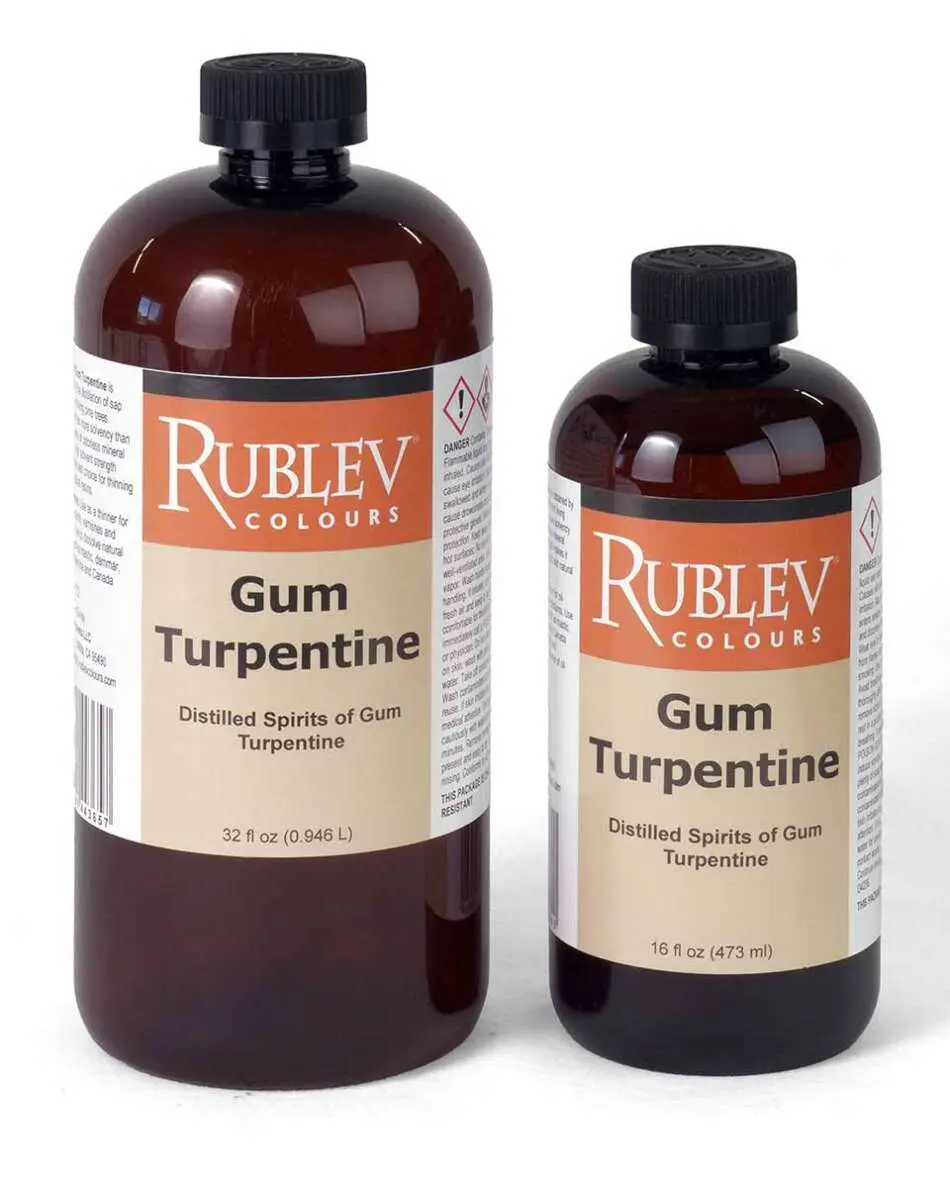
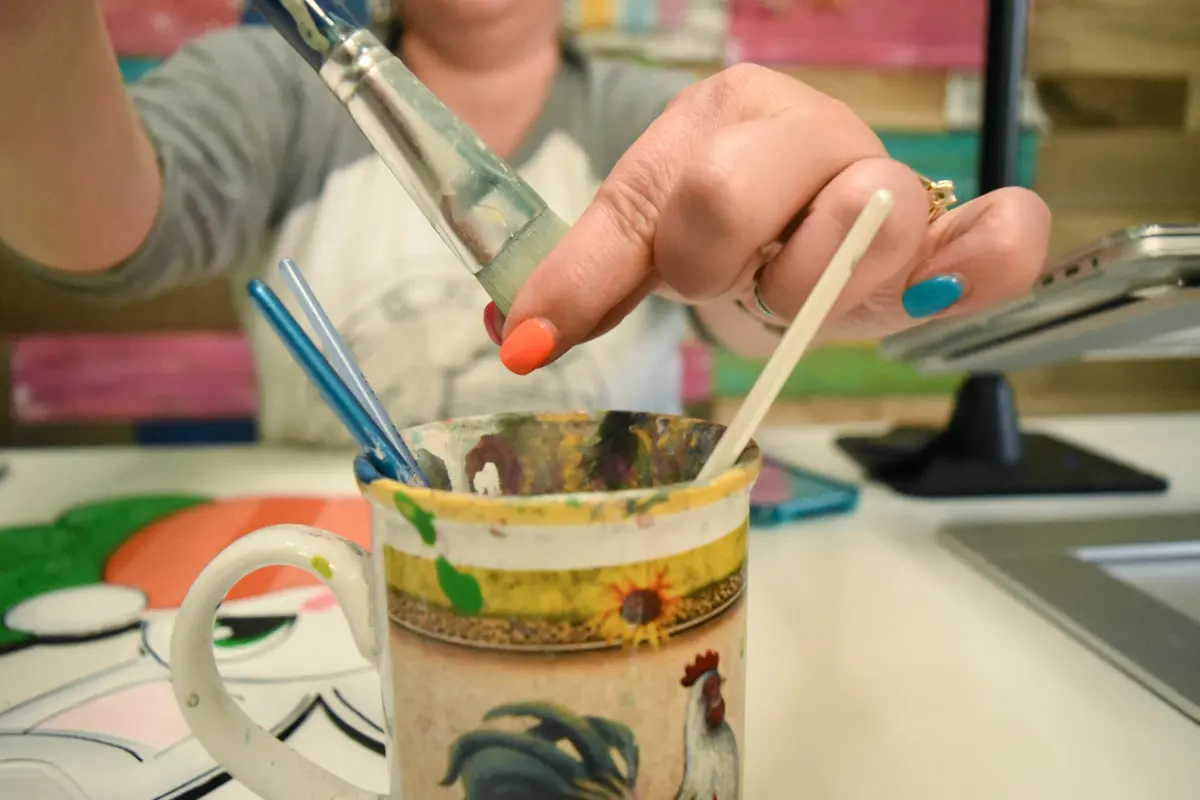
Cleaning brushes immediately after use is the most critical step in maintenance. If paint dries on the bristles, the brush loses its shape and its ability to hold paint effectively. For water-based paints like acrylics or watercolors, use lukewarm water and a mild soap. For oil-based paints, you must use a solvent such as mineral spirits or turpentine, followed by a thorough wash with soap and water to remove the oily residue.
Follow these steps for an effective cleaning process:
- Remove excess paint by wiping the brush on a paper towel or rag.
- Rinse the brush in the appropriate solvent or water, gently working the liquid into the base of the bristles.
- Lather the bristles with a gentle brush soap or dish soap in your palm.
- Rinse until the water runs completely clear.
- Gently reshape the bristles with your fingers before setting the brush aside to dry.
How to dry and store brushes correctly
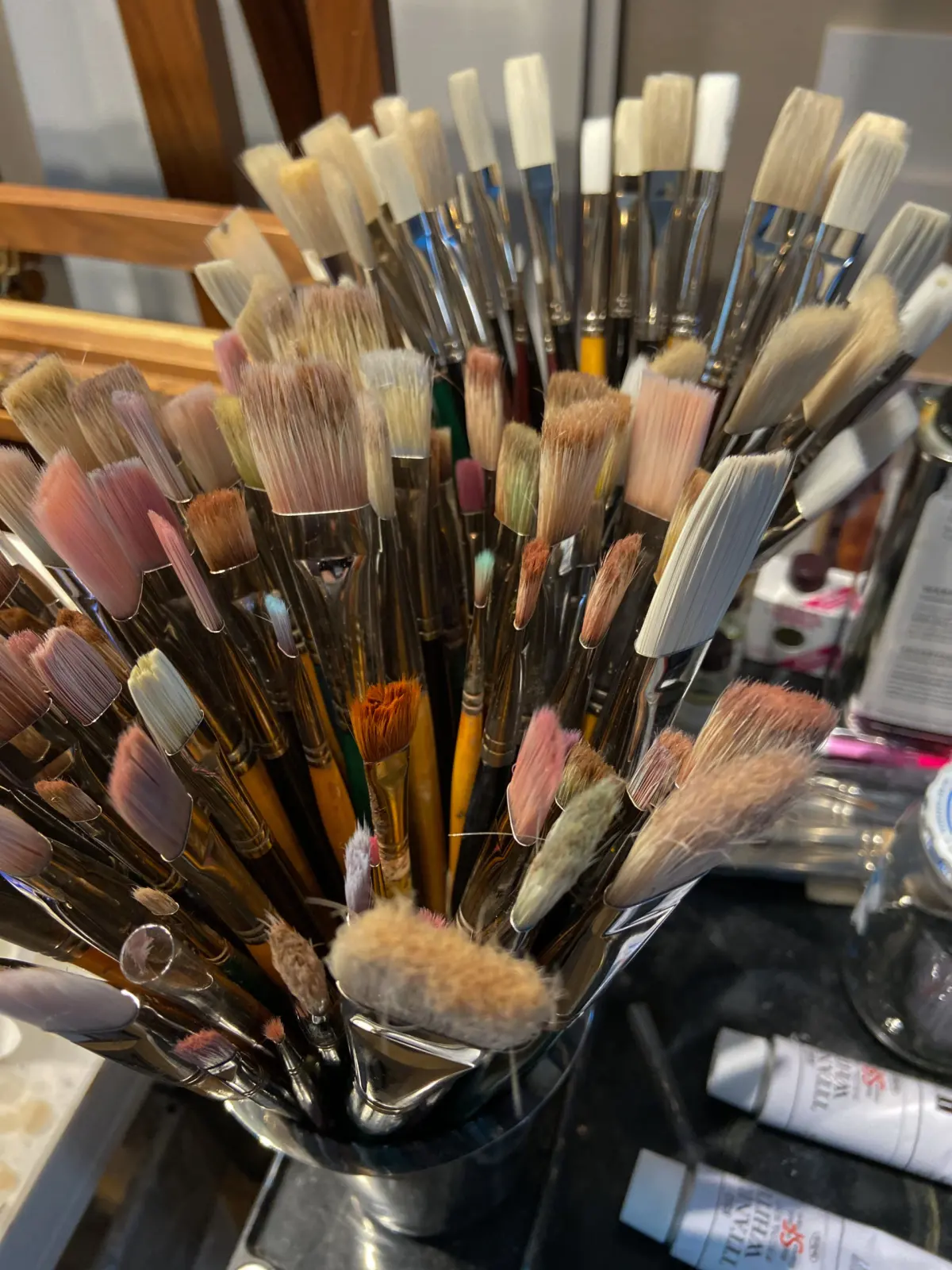
Improper storage is a leading cause of bent bristles and loose ferrules. Never leave a brush resting on its bristles in a container, as this causes the tips to splay permanently. Instead, allow brushes to air dry horizontally on a flat surface or hang them with the bristles pointing downward. This orientation prevents water or solvent from seeping into the metal ferrule, which can rot the wooden handle or loosen the adhesive holding the bristles.
Once the brushes are completely dry, store them in a way that protects their shape. A brush roll made of canvas or bamboo is ideal because it allows for airflow while keeping the bristles protected from dust and physical pressure. If you must store them upright in a jar, ensure the bristles are not touching the bottom. Using a dedicated brush holder or a simple glass jar with enough height will keep the bristles suspended in the air.
Why paint brushes lose their shape
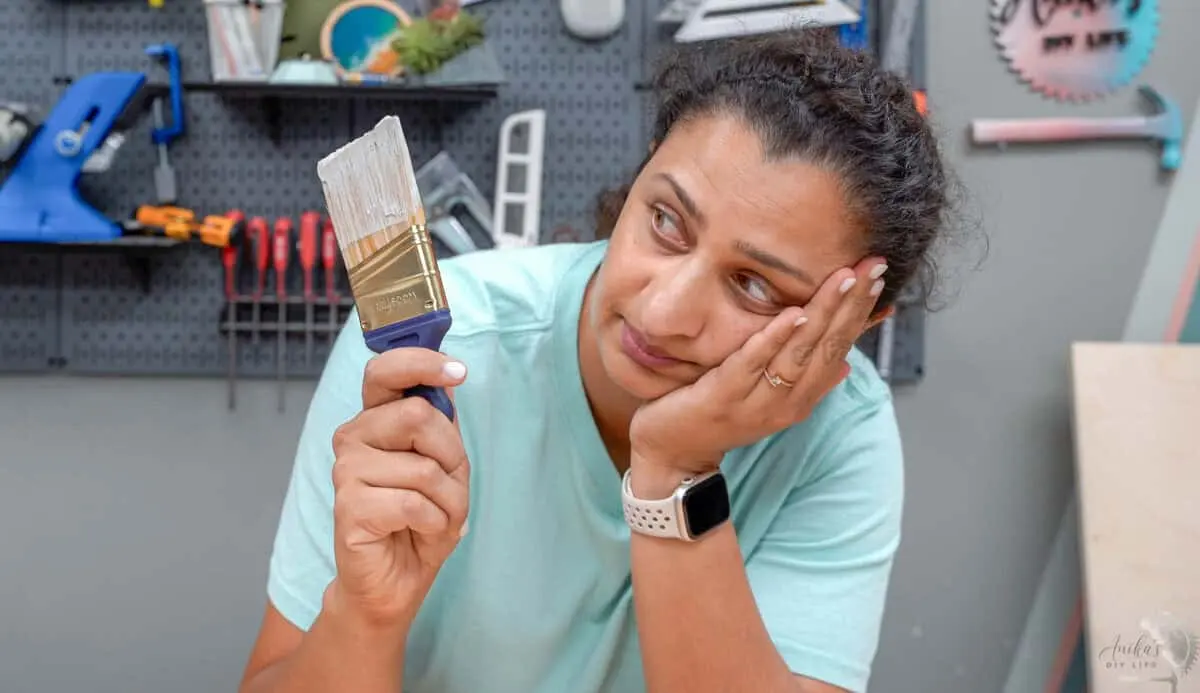
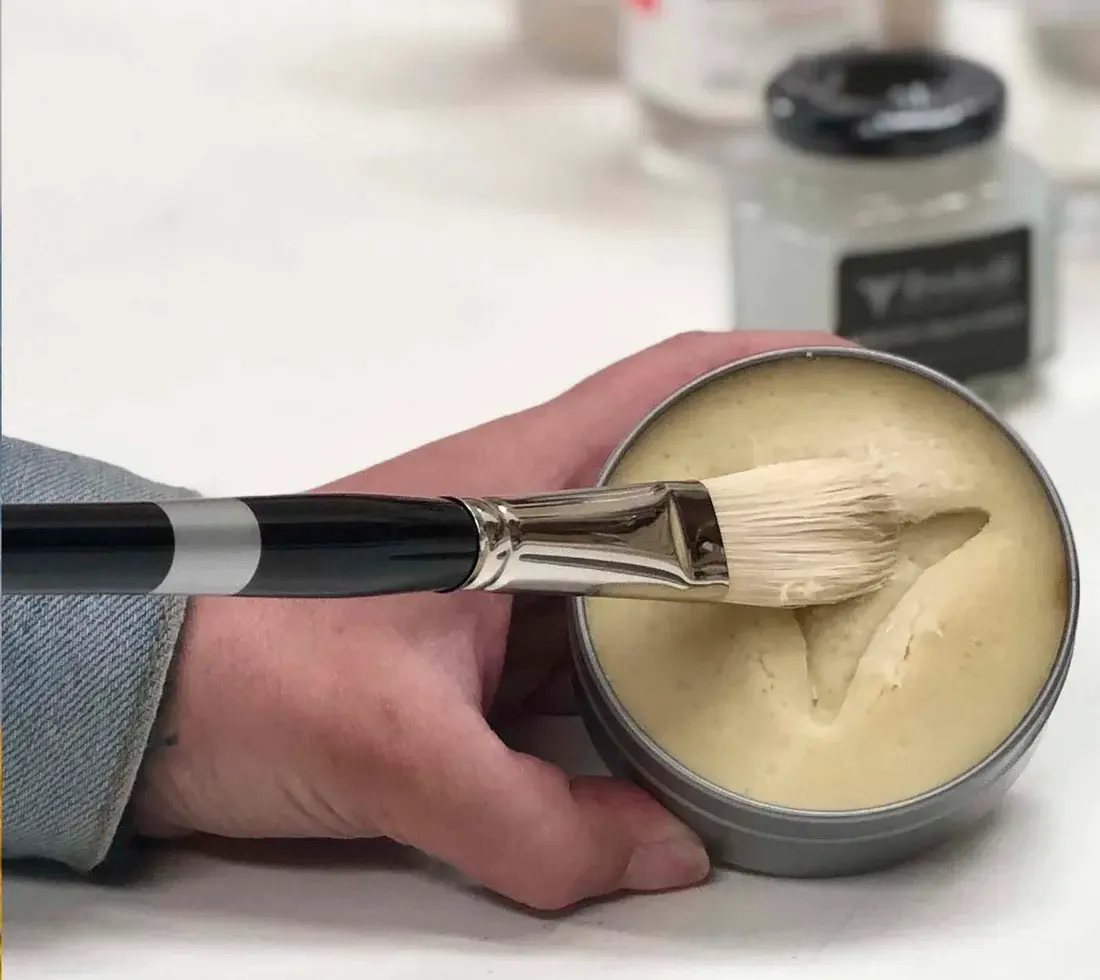
Bristle deformation usually occurs due to improper cleaning or storage habits. When paint is allowed to dry deep within the heel of the brush—the area where bristles meet the metal ferrule—the brush becomes stiff and loses its spring. Over time, this buildup forces the bristles apart, creating a "fishtail" effect that makes precise painting impossible. Furthermore, using harsh chemicals or excessive force during scrubbing can break synthetic filaments or snap natural hair.
Temperature and moisture also play significant roles in degradation. Natural hair brushes, such as those made from sable or hog hair, are particularly sensitive to humidity and heat. Storing them in damp environments can lead to mold growth or cause the wooden handles to swell and crack. By keeping brushes in a cool, dry place and ensuring they are thoroughly cleaned of all chemical residues, you preserve the structural integrity of the natural oils within the hair, keeping them supple and responsive.
Common mistakes when cleaning brushes
Many artists inadvertently damage their tools by using incorrect cleaning techniques. One frequent error is using hot water, which can melt the glue inside the ferrule and cause the bristles to shed. Another common mistake is scrubbing the brush too aggressively against the bottom of a sink or jar. This friction snaps the delicate tips of the bristles, which are essential for achieving fine lines and smooth transitions in your artwork.
Avoid these specific habits to extend the life of your brushes:
- Never leave a brush soaking in water or solvent for an extended period.
- Avoid using harsh, non-art-specific solvents that can dissolve the brush's protective varnish.
- Do not store brushes in airtight plastic bags while they are still damp.
- Never use a hair dryer or direct heat source to speed up the drying process.
- Avoid using the same brush for different mediums, such as switching between oil and acrylic, without a deep cleaning.
Best cleaning products for beginners
For those new to painting, investing in specialized brush soap is a wise decision. Unlike standard hand soap, professional-grade brush cleaners are formulated to condition the hair while removing stubborn pigments. Brands like The Masters Brush Cleaner are industry standards because they effectively remove oil, acrylic, and watercolor while keeping the bristles soft. These soaps are often sold in solid cakes, which are easy to use and last significantly longer than liquid alternatives.
In addition to soap, a brush comb is an excellent tool for beginners to keep in their kit. A metal or plastic comb allows you to gently work through the bristles to remove dried paint trapped near the ferrule without damaging the structure. When combined with a high-quality soap, a comb ensures that even the most stubborn pigment is removed from the base of the brush. By maintaining a clean set of tools, you ensure that your equipment remains a reliable partner in your creative process for many years.
Key facts
- Never leave a brush resting on its bristles in water or solvent, as this permanently bends the hairs.
- Clean oil-based brushes using mineral spirits or odorless paint thinner, followed by a wash with soap and water.
- Use a dedicated brush soap or mild dish detergent to remove residual oils from natural or synthetic bristles.
- Always store brushes lying flat or hanging vertically with the bristles pointing downward to prevent moisture buildup in the ferrule.
- Reshape the bristles with your fingers immediately after cleaning to ensure they maintain their intended form while drying.
- Avoid using hot water, which can melt the glue holding the bristles inside the ferrule and cause shedding.
The bottom line
Proper brush care is essential for maintaining the precision and longevity of your tools. By cleaning brushes immediately after use, avoiding harsh chemicals or extreme heat, and storing them in a way that protects the bristles' shape, you ensure consistent performance for future projects. Investing a few minutes in maintenance after every painting session prevents permanent damage and saves money on frequent brush replacements.
People also ask
Can I use dish soap to clean paint brushes?
Yes, mild dish soap is excellent for removing oil and residue from most brushes. Ensure you rinse thoroughly until the water runs clear to prevent soap buildup.
How do I remove dried paint from a brush?
Soak the bristles in a brush restorer or a gentle solvent for several hours. Once softened, use a brush comb to carefully pull the dried paint out from the base of the ferrule.
Should I use a hair dryer to dry my brushes?
No, excessive heat can damage synthetic filaments and singe natural hair. Always allow brushes to air dry naturally in a well-ventilated area.
Why is my brush losing its shape?
This usually happens if the brush is stored incorrectly or if paint has dried deep within the heel. Proper cleaning and careful reshaping after every use will keep the bristles aligned.
How long should I soak a brush in solvent?
Only soak for as long as necessary to dissolve the paint, typically 10 to 30 minutes. Prolonged submersion can loosen the adhesive that secures the bristles to the handle.
Is it necessary to oil natural hair brushes?
Conditioning natural hair brushes with a small amount of hair conditioner or specialized brush oil helps keep the bristles supple. This prevents them from becoming brittle over time.
This answer was created with the help of AI research tools and reference sources. Spotted an error? Let us know — we correct mistakes quickly. See our editorial policy.