What is Magic Realism in art?
Short answer
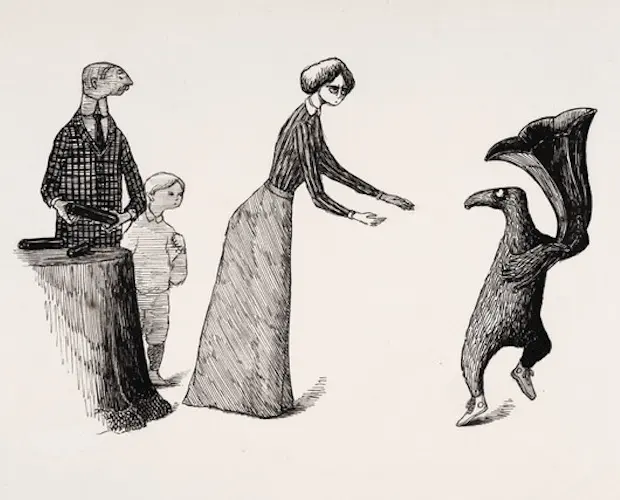
Magic realism is an artistic style that integrates fantastical or supernatural elements into otherwise realistic, mundane settings. Unlike fantasy, which creates entirely new worlds, magic realism treats the extraordinary as a routine aspect of everyday life, forcing viewers to reconsider the boundaries between objective reality and the subjective human experience.
On this page
What is the history of magic realism?
The term "magic realism" was first coined in 1925 by German art critic Franz Roh to describe a post-expressionist movement in painting. Roh observed that artists were moving away from the distorted, emotional intensity of expressionism toward a "new objectivity," where everyday objects were depicted with such precise, haunting detail that they took on a mysterious or magical quality. This shift reflected a desire to see the world with fresh eyes after the trauma of World War I.
While the term originated in visual art, it became most famous through 20th-century Latin American literature. Authors like Gabriel García Márquez and Isabel Allende popularized the style by grounding impossible events in the gritty, political, and social realities of their environments. Today, the term is used broadly to describe any work of art that balances the mundane with the inexplicable, maintaining a grounded atmosphere despite the presence of surreal or impossible occurrences.
How to identify magic realism in art
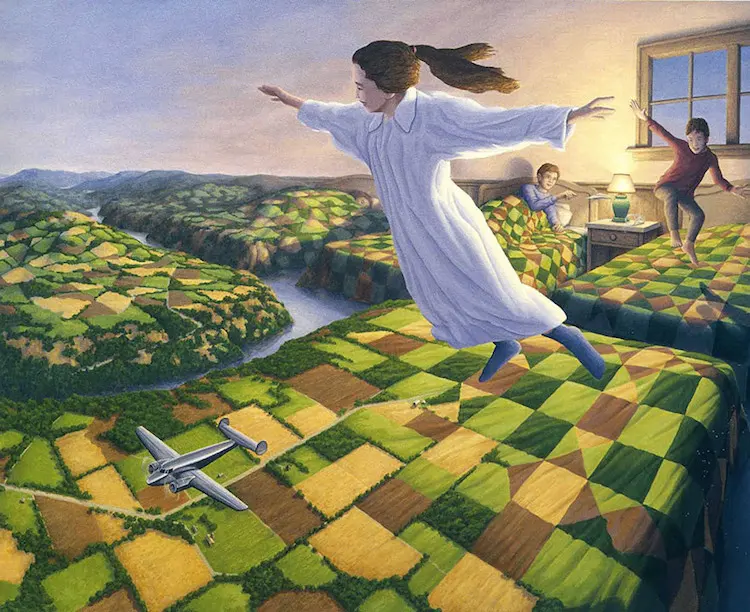
Identifying magic realism requires looking for a specific tension between the ordinary and the impossible. A key characteristic is the "matter-of-fact" tone; the characters or the composition do not treat the magical element as a shock or a miracle. Instead, the strange occurrence is accepted as a part of the natural order, often woven into the background of a domestic or social scene.
If you are analyzing a piece of art to determine if it fits this genre, look for these specific indicators:
- The setting is a recognizable, contemporary, or historical location rather than a mythical realm.
- Supernatural events occur without a logical explanation or a quest-driven narrative.
- The color palette and lighting often remain naturalistic to emphasize the reality of the environment.
- The artist focuses on the psychological impact of the magic on the subjects rather than the mechanics of the magic itself.
Why magic realism is used by artists
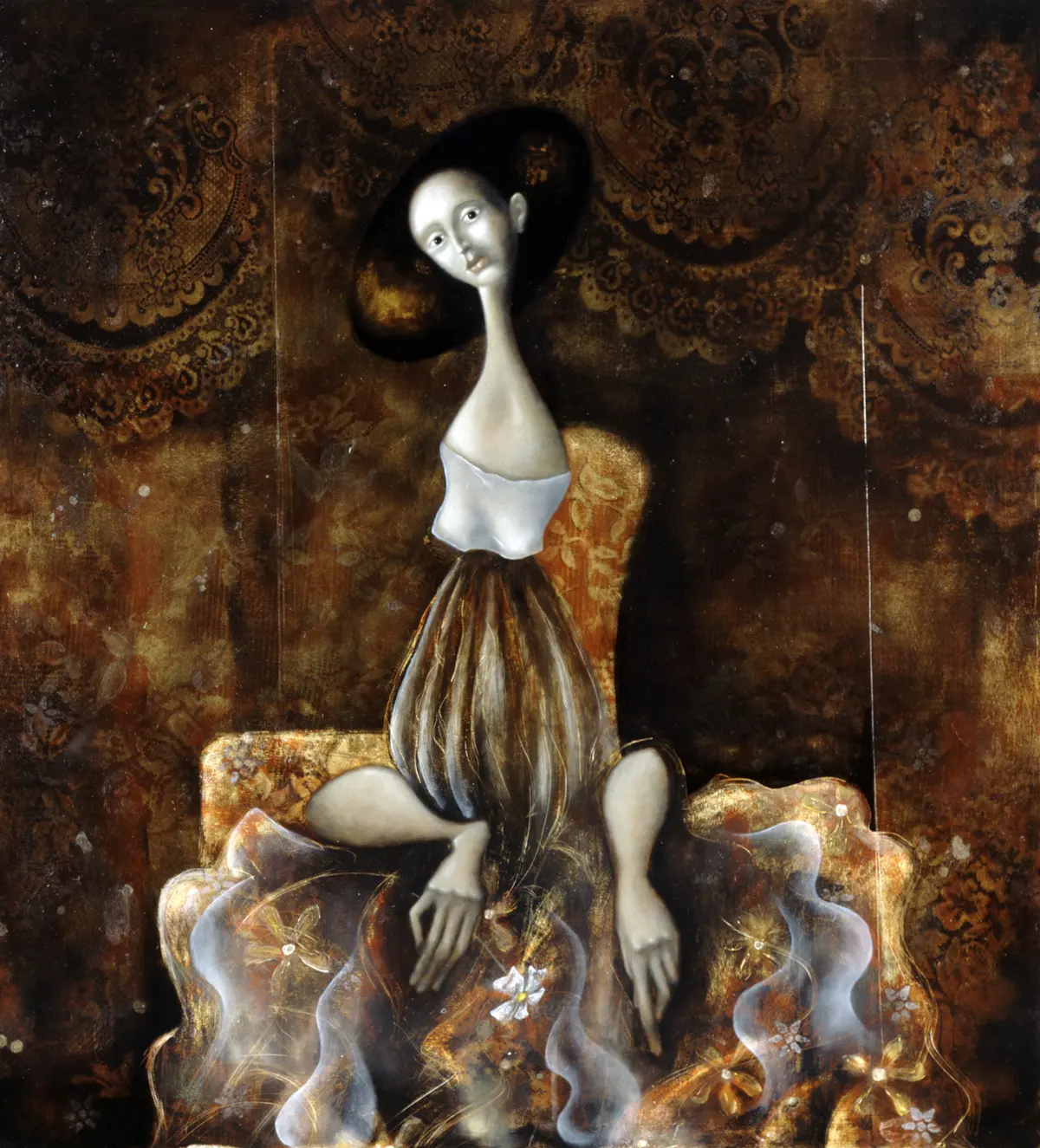
Artists utilize magic realism as a powerful tool to critique society or explore the complexities of human memory and trauma. By inserting a supernatural element into a realistic scene, the artist can highlight hidden truths or emotional realities that are difficult to express through literal representation. It allows the viewer to bypass their logical defenses and engage with the subject matter on a deeper, more intuitive level.
This style is frequently employed to address themes of political oppression, cultural identity, and the passage of time. For example, an artist might paint a family portrait where the walls of the house are literally bleeding, symbolizing the hidden history of a home. This visual metaphor serves as a bridge between the physical world and the internal, often painful, experiences of the individuals living within it. It transforms abstract feelings into tangible, visual facts that demand the viewer’s attention.
How to create magic realism art
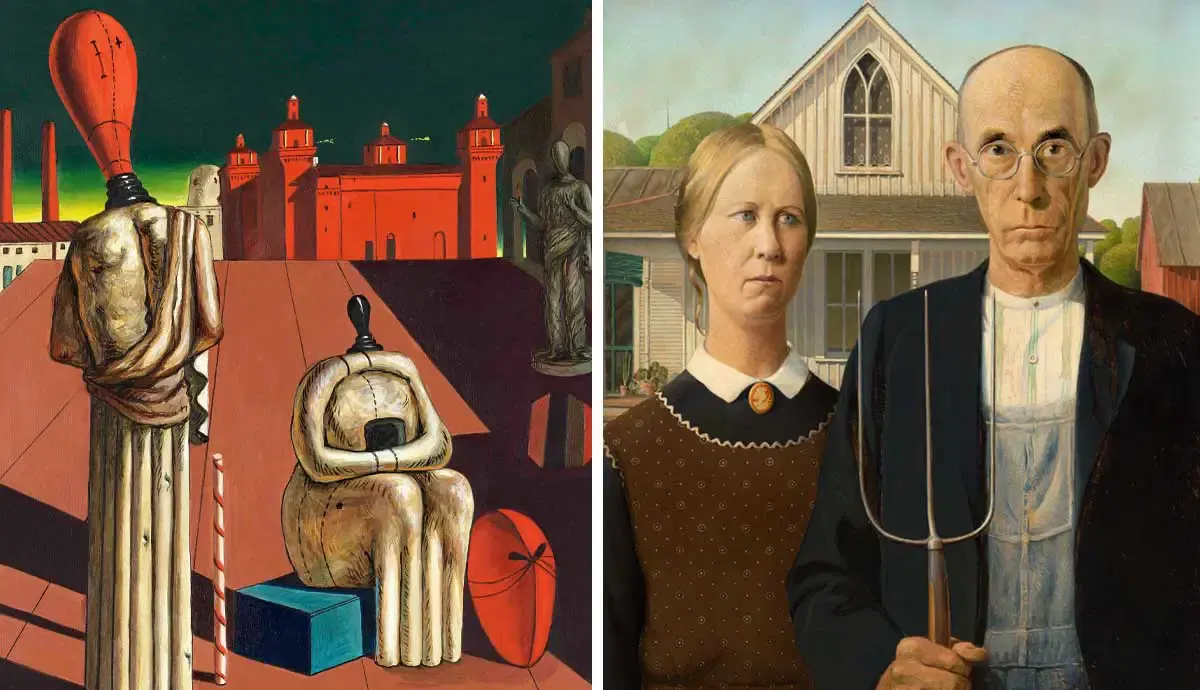
Creating magic realism requires a disciplined approach to realism. If the base of your painting is not believable, the magical element will simply look like a mistake or a standard fantasy illustration. You must master the fundamentals of anatomy, perspective, and lighting before attempting to introduce the impossible.
Follow these steps to develop your own magic realism composition:
- Choose a mundane, grounded setting, such as a kitchen, a street corner, or a bedroom.
- Render the environment with high detail to establish a sense of objective reality.
- Introduce one singular, impossible element—such as floating furniture or an animal speaking—without altering the lighting or the reactions of the figures.
- Maintain a neutral, observant perspective, avoiding overly dramatic or "magical" visual effects like glowing auras or swirling portals.
Common mistakes when painting magic realism
One of the most frequent errors artists make is leaning too far into surrealism or high fantasy. Surrealism often aims to shock or confuse the viewer through dream-like, illogical juxtapositions, whereas magic realism relies on the stability of the surrounding environment to anchor the viewer. If your scene becomes too chaotic, you lose the subtle, unsettling power that defines the genre.
Another common mistake is over-explaining the magic. In magic realism, the lack of an explanation is precisely what makes the art compelling. You should avoid:
- Making the magical element the primary focus of the composition.
- Using bright, neon, or "otherworldly" color palettes that signal a fantasy setting.
- Depicting characters with exaggerated, fearful reactions to the magical event.
- Including traditional fantasy tropes like dragons, wizards, or magical weapons.
By keeping the focus on the ordinary and treating the extraordinary with a calm, steady hand, you ensure that the magic feels like a genuine, if inexplicable, part of the world you have created.
Key facts
- Magic realism integrates fantastical or supernatural elements into an otherwise realistic, mundane setting without the characters questioning the strangeness.
- The term was first coined in 1925 by German art critic Franz Roh to describe "Neue Sachlichkeit" (New Objectivity) painting.
- Unlike fantasy, where the world follows its own magical rules, magic realism treats the extraordinary as a natural part of everyday life.
- Key visual techniques include hyper-detailed textures, dreamlike lighting, and the juxtaposition of incongruous objects in static environments.
- Common themes involve the blurring of boundaries between the subconscious, history, and the physical environment.
- To create magic realism, focus on rendering mundane objects with extreme precision while introducing one singular, impossible element that remains unacknowledged by the subjects.
The bottom line
Magic realism is a compelling artistic style that anchors the impossible within a strictly realistic framework. By treating the supernatural with the same mundane indifference as daily chores, artists create a powerful tension that invites viewers to look closer at their own reality. To master this, prioritize precise detail and subtle integration, ensuring the magical element feels like an inevitable, quiet truth rather than a spectacle.
People also ask
How does magic realism differ from surrealism?
Surrealism focuses on the irrational, the unconscious, and the dream world, often distorting reality into unrecognizable shapes. Magic realism maintains a grounded, realistic atmosphere where the magical element is the only deviation from the ordinary.
Is magic realism only found in Latin American art?
While it is most famously associated with Latin American literature and art, such as the works of Frida Kahlo, it is a global phenomenon. Artists from Europe, the United States, and Asia have utilized its principles to explore cultural identity and social realities.
Can I use digital effects to create magic realism?
Yes, digital tools can enhance the hyper-real quality of the scene, but the core of the style relies on composition and narrative intent. The goal is to make the impossible look as tangible and mundane as a common household object.
What is a common mistake when practicing magic realism?
A common error is over-explaining the magical element or making it the focal point of a chaotic scene. True magic realism succeeds when the impossible is presented with the same clinical, matter-of-fact detail as the rest of the composition.
Why do artists choose magic realism over traditional realism?
Artists use this style to express complex emotional or political truths that literal realism cannot capture. By inserting a magical anomaly, they force the viewer to reconsider the significance of the ordinary world.
Does magic realism require a specific color palette?
There is no mandatory palette, but many artists prefer earthy, grounded tones to emphasize the "real" aspect of the work. Bright or unnatural colors are often reserved specifically for the magical element to make it stand out against the dull reality.
This answer was created with the help of AI research tools and reference sources. Spotted an error? Let us know — we correct mistakes quickly. See our editorial policy.