How do you draw magic effects?
Short answer
Drawing magic effects involves layering light, energy, and motion to suggest supernatural power. You achieve this by focusing on high-contrast glow, particle distribution, and directional flow. By combining sharp focal points with blurred, luminous trails, you create the illusion of intangible forces interacting with the physical environment in a believable way.
On this page
How to draw magic effects for beginners
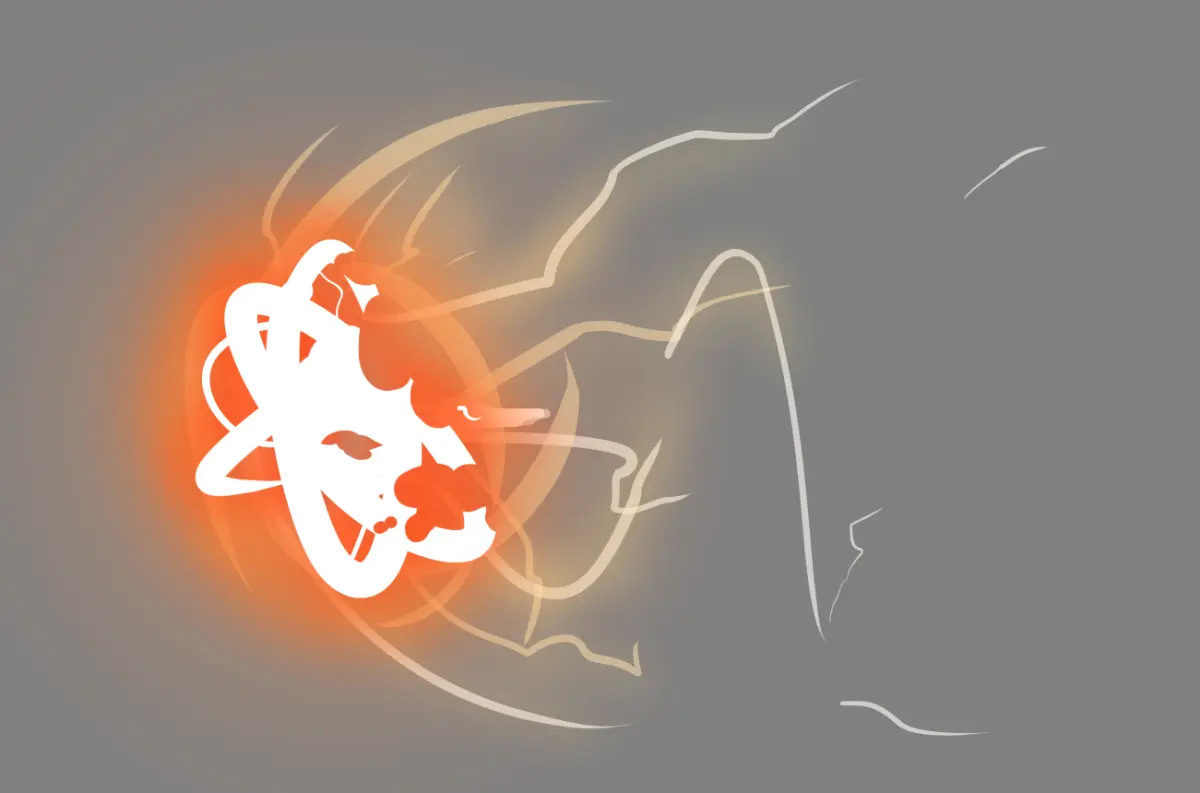
To start drawing magic, focus on the concept of "light as matter." Magic is rarely just a color; it is a source of illumination that affects everything around it. Begin by establishing a bright core—usually white or a very pale tint—surrounded by a halo of saturated color. This technique, known as bloom, mimics the way intense light bleeds into the surrounding atmosphere in real-world photography.
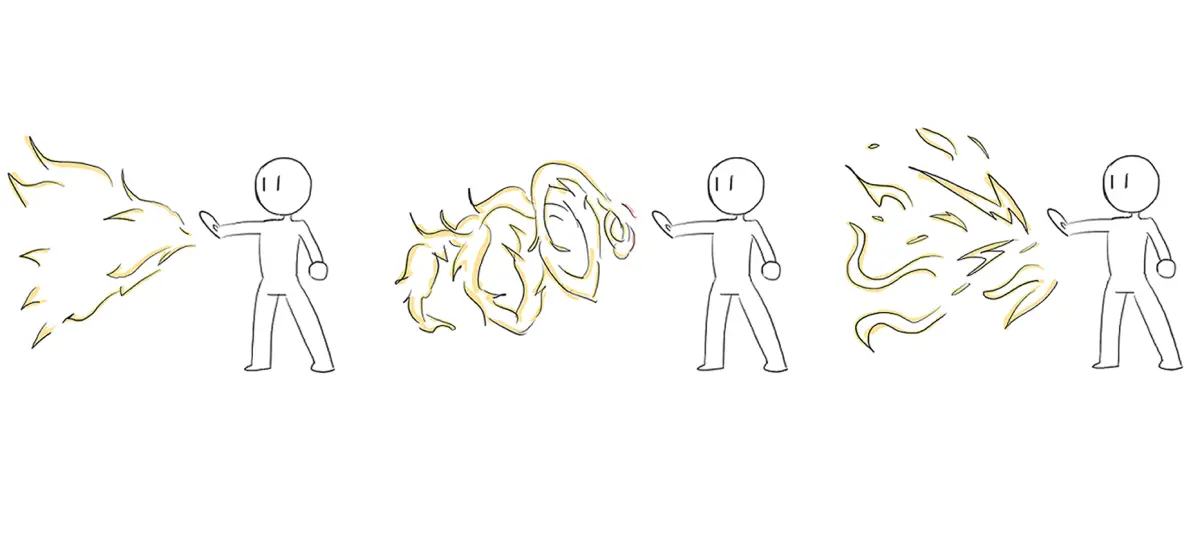
When planning your magic, consider the shape language of the effect. Sharp, jagged lines suggest aggressive or destructive power, such as lightning or fire. Soft, rounded, or swirling lines imply fluid, defensive, or mystical energy. Practice these fundamental shapes before adding complex details to ensure your magic feels intentional rather than random.
- Sketch a focal point where the magic originates.
- Add a bright, solid color at the center.
- Use a soft brush or blending tool to create a glow radiating outward.
- Add small sparks or particles to break up the silhouette.
Best tools for drawing magic effects
Digital software is the industry standard for magic effects because of layer blending modes. Modes like "Add," "Screen," and "Overlay" allow you to stack colors to create realistic luminosity that traditional media cannot easily replicate. Use a tablet with pressure sensitivity to control the opacity of your glow, allowing the light to fade naturally as it moves away from the source.
If you prefer traditional media, focus on high-opacity materials. Gouache and acrylic paints are excellent for layering bright highlights over darker backgrounds. Use white ink or gel pens for the final "pop" of the core energy. Regardless of the medium, keep a clean workspace to ensure your bright colors do not become muddied by darker pigments during the blending process.
- Digital: Photoshop, Clip Studio Paint, or Procreate.
- Traditional: Gouache, acrylics, white gel pens, and metallic inks.
- Hardware: Pressure-sensitive stylus and high-contrast paper or canvas.
Why magic effects look fake
Magic effects often look artificial when they lack interaction with the environment. If a character is holding a glowing orb, that light must cast reflections on their skin, clothing, and nearby objects. Ignoring this "light bounce" makes the magic appear like a sticker placed on top of the drawing rather than a part of the scene. Always consider where the light hits the surroundings.
Another common issue is a lack of motion blur. Magic is inherently dynamic, and static lines often feel stiff. To fix this, use directional strokes that follow the path of the energy. If the magic is spinning, your lines should curve. If it is exploding, use radial lines that move outward from the center. Adding a slight blur to the outer edges of the effect helps sell the idea of high-speed movement.

Common mistakes when drawing magic
One of the most frequent errors is over-detailing the effect. Novice artists often try to draw every single spark or flame, which results in a cluttered image that lacks a clear focal point. Instead, prioritize the core energy and let the secondary details be suggested through soft, blurred shapes. Less is often more when trying to convey overwhelming power.
Another mistake is using a single color for the entire effect. Real light is rarely monochromatic; it shifts in temperature and hue as it dissipates. For example, a blue magical flame might transition from a white-hot center to a cyan mid-tone and finally to a deep violet at the edges. Incorporating these subtle color shifts adds depth and makes the effect feel more grounded and professional.
- Overloading the image with too many bright, sharp lines.
- Forgetting to adjust the color temperature of the glow.
- Neglecting the shadows cast by the magical light source.
- Making the effect too opaque, hiding the character behind it.
How to add motion to magic effects
To make magic feel alive, you must incorporate the concept of "follow-through." If an orb of energy is moving across the frame, leave behind a trail of fading particles or light streaks. These trails act as a visual history of the object’s movement, guiding the viewer's eye across the page. The length of the trail should correspond to the speed of the magic.
You can also use distortion to suggest power. Magic often bends the air or space around it, creating a heat-haze effect. By slightly warping the background elements behind your magic, you imply that the energy is physically intense and hot. This subtle distortion is a hallmark of professional concept art and animation, as it bridges the gap between static illustration and the feeling of kinetic, supernatural energy.
Key facts
- Use high-contrast color palettes, such as neon blues against deep purples, to simulate the glow of magical energy.
- Incorporate "flow lines" or curved paths to guide the viewer’s eye along the trajectory of a spell.
- Apply the "additive blending" mode in digital software to make light sources appear to emit actual luminescence.
- Add secondary particles like sparks, embers, or floating dust to provide a sense of scale and physical presence.
- Utilize silhouettes to define the shape of the magic before adding inner details like runes or swirling textures.
- Vary the opacity of your brush strokes to create a soft, ethereal transition between the magic and the environment.
The bottom line
Drawing compelling magic requires balancing artistic intuition with consistent lighting principles. By focusing on flow, contrast, and environmental interaction, you transform simple shapes into dynamic energy. Remember that magic is not just a static object but a force that influences everything it touches. Practice layering your effects from the core outward, and always consider how the light emitted by your spell defines the surrounding world.
People also ask
How do I make magic look like it has weight?
You can suggest weight by having the magic interact with physical objects, such as bending grass or casting light onto the ground. Adding debris or smoke reacting to the force of the spell also grounds the effect in reality.
What is the best way to draw magical runes?
Draw runes as if they are etched into the energy itself rather than just floating on top of it. Use a thinner, sharper brush for the runes and surround them with a soft outer glow to make them pop.
Should magic effects always be symmetrical?
Asymmetry often makes magic look more organic, wild, and powerful. Perfect symmetry can make an effect appear mechanical or artificial, so try to vary the size and placement of energy bursts.
How do I choose the right color for a spell?
Use color theory to match the spell's intent, such as cool blues for ice or aggressive reds for fire. Complementary colors, like a yellow glow against a violet background, create the most visual impact.
How can I show that magic is dangerous?
Use jagged, sharp edges and erratic, lightning-like shapes to suggest instability. Darker, high-contrast colors like deep crimson or sickly greens often signal malevolent or volatile magical energy.
What is the biggest mistake beginners make when drawing magic?
The most common error is forgetting to account for the light the magic casts on the character and surroundings. If the magic is bright, it must illuminate the nearby surfaces to look like it belongs in the scene.
This answer was created with the help of AI research tools and reference sources. Spotted an error? Let us know — we correct mistakes quickly. See our editorial policy.