What is Thomas Cole known for?
Short answer
Thomas Cole is primarily known as the founder of the Hudson River School, the first major American landscape painting movement. He is celebrated for his dramatic, romanticized depictions of the American wilderness, which emphasized the sublime power of nature and raised early concerns about the environmental impact of industrialization and westward expansion.
On this page
Why is Thomas Cole famous?
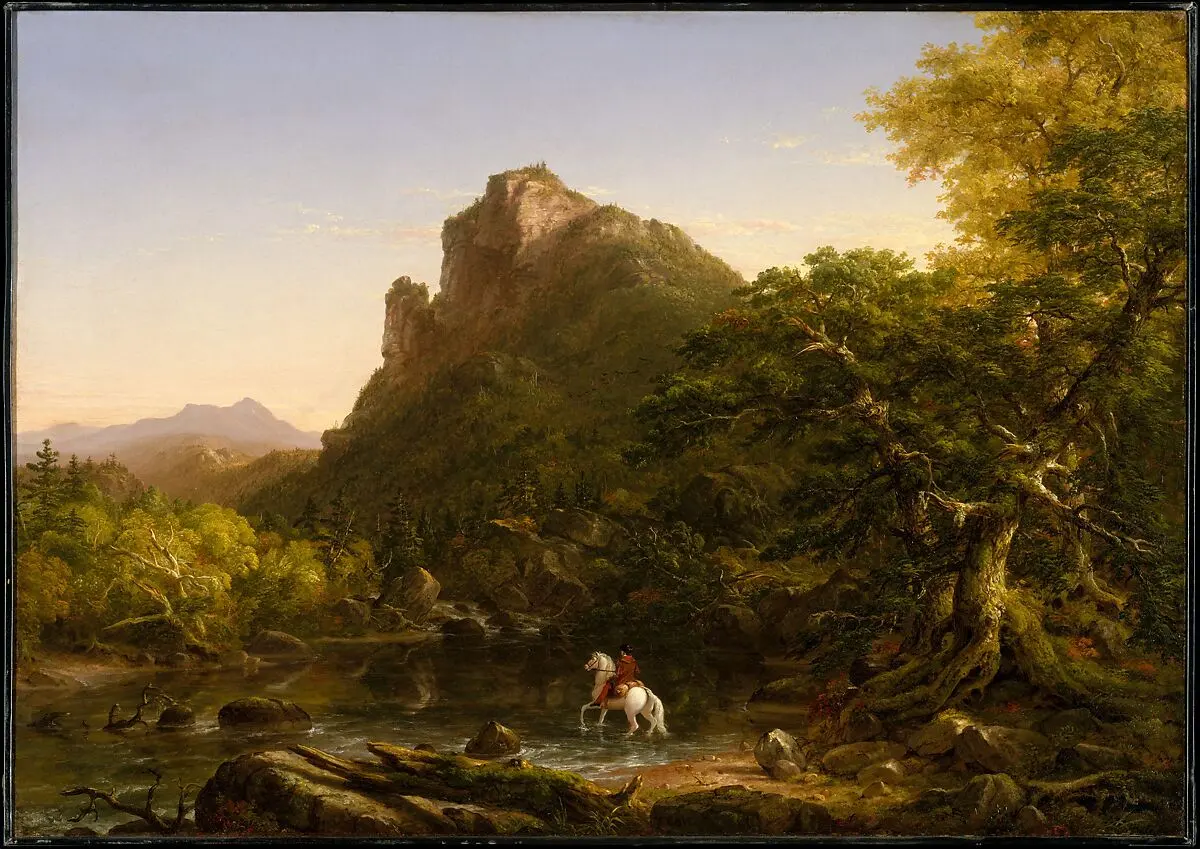
Thomas Cole is recognized as the father of American landscape painting. Born in England in 1801, he emigrated to the United States as a young man and became captivated by the untamed beauty of the Catskill Mountains. Before his rise, American art focused heavily on portraiture and historical scenes, but Cole shifted the national focus toward the majesty of the natural world.
His work captured the spirit of the young nation, blending meticulous observation with a deep sense of moral and spiritual meaning. He believed that nature was a manifestation of the divine, a philosophy that resonated with the Transcendentalist movement of his era. By portraying the American landscape as a unique national treasure, he helped establish a distinct American artistic identity that separated the country from European traditions.
What are Thomas Cole’s most famous paintings?
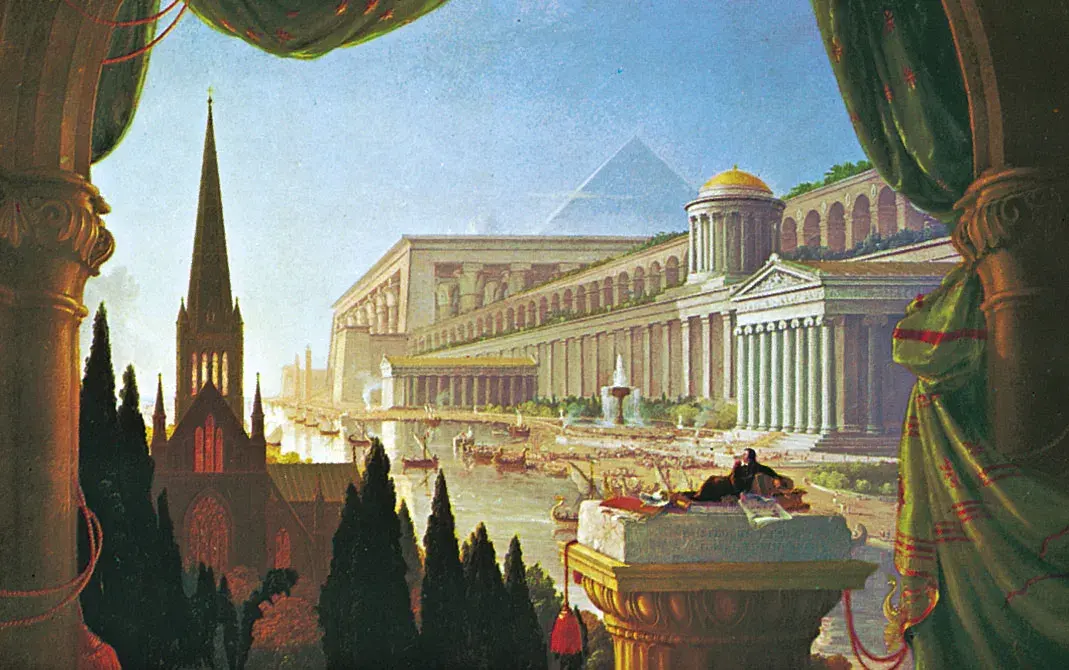
Cole’s career was defined by his ability to imbue landscapes with narrative depth and allegorical significance. His most ambitious projects were epic series that explored the rise and fall of civilizations or the stages of human life. These works demonstrated his technical mastery of light, shadow, and atmospheric perspective, which brought a theatrical quality to his canvases.
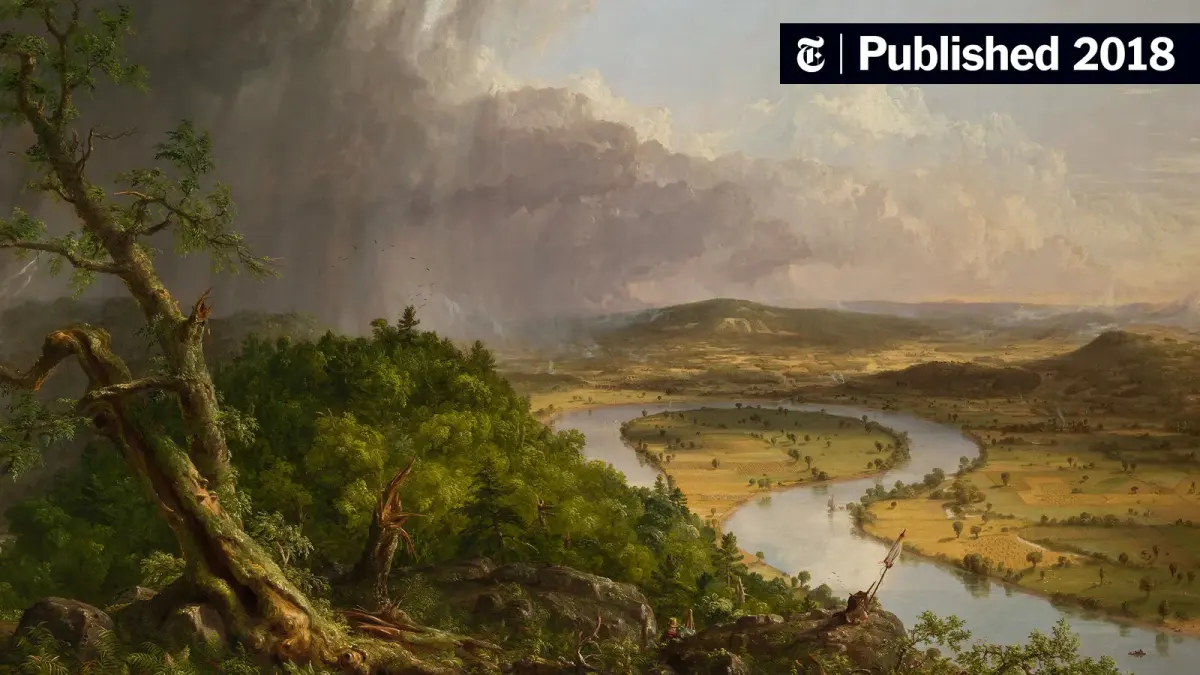
- The Oxbow (1836): A pivotal work showing a panoramic view of the Connecticut River, contrasting wild nature with cultivated land.
- The Course of Empire (1833–1836): A five-part series depicting the cyclical nature of human civilization from a primitive state to imperial ruin.
- The Voyage of Life (1842): A four-part allegory representing the stages of human existence from childhood to old age.
- View from Mount Holyoke, Northampton, Massachusetts, after a Thunderstorm (1836): Often referred to as The Oxbow, this remains his most analyzed piece.
How to identify Hudson River School paintings
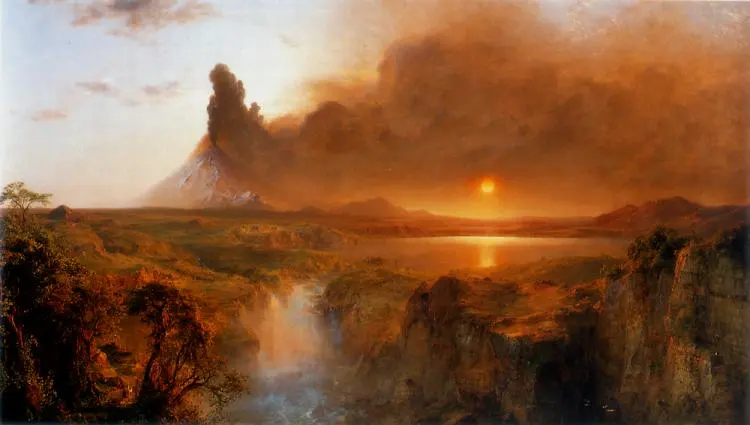
The Hudson River School is characterized by a specific set of aesthetic choices that emphasize the grandeur of the American landscape. If you are looking at a painting from this movement, you will likely notice a high level of detail, particularly in the foliage and geological formations. These artists often used a "sublime" aesthetic, which aims to inspire a sense of awe or even terror in the viewer through the sheer scale of mountains, waterfalls, and storms.
- Look for dramatic lighting, such as golden sunsets or moody, storm-tossed skies.
- Observe the composition, which often places a tiny human figure in the foreground to emphasize the vastness of the landscape.
- Check for a combination of realistic detail in the foreground and atmospheric, hazy depth in the background.
- Identify the subject matter, which typically features iconic American locations like the Catskills, the Adirondacks, or the White Mountains.
Common mistakes when interpreting Cole’s work
One common error is viewing Cole’s paintings as simple, literal records of American geography. While he spent significant time sketching outdoors, his final studio paintings were often "compositions" that rearranged elements of the landscape to better suit his artistic or moral message. He frequently combined features from different locations into a single canvas to create a more idealized or dramatic effect.
Another mistake is ignoring the environmental subtext of his work. Many viewers assume his landscapes are purely celebratory, but Cole was deeply concerned about the rapid deforestation caused by industrialization. In The Oxbow, for instance, the contrast between the wild, tangled forest and the orderly, cleared fields serves as a subtle critique of human encroachment on the wilderness. Recognizing this tension is essential to understanding his true intent as an artist.
Where to see Thomas Cole’s art today
If you want to experience the scale and detail of Cole’s work firsthand, visiting the institutions that house his major series is the best approach. His home and studio, known as Cedar Grove, is located in Catskill, New York, and serves as a national historic site. It offers a unique look into his creative process and the environment that inspired his most famous landscapes.
- The Metropolitan Museum of Art in New York City: Houses The Course of Empire and The Oxbow.
- The National Gallery of Art in Washington, D.C.: Holds significant works, including versions of The Voyage of Life.
- The Wadsworth Atheneum Museum of Art in Hartford, Connecticut: Features an extensive collection of Hudson River School paintings.
- The Thomas Cole National Historic Site: Provides guided tours of his original studio and the surrounding grounds that he painted throughout his life.
Visiting these sites allows you to appreciate the texture of his brushwork and the subtle color palettes that are often lost in digital reproductions. Whether you are a student of art history or simply a fan of the American wilderness, seeing these original canvases provides a profound connection to the 19th-century vision of the American landscape.
Key facts
- Thomas Cole (1801–1848) was the founder of the Hudson River School, an American art movement focused on romantic landscapes.
- He is best known for his epic series The Course of Empire, which depicts the rise and fall of a civilization across five paintings.
- Cole moved from England to the United States in 1818, eventually settling in the Catskill Mountains of New York to find inspiration.
- His work often combined realistic depictions of American wilderness with moral or allegorical themes regarding human impact on nature.
- To appreciate his style, observe how he uses dramatic lighting and atmospheric perspective to create a sense of awe, known as the "sublime."
- Avoid assuming his landscapes are purely documentary; he frequently rearranged geographical features to enhance the emotional and narrative impact of the composition.
The bottom line
Thomas Cole remains the definitive figure of American romantic landscape painting. By elevating the wilderness to a subject of moral and spiritual importance, he established a visual language that defined the American identity in the 19th century. His ability to blend meticulous observation with grand, allegorical narratives continues to influence how we perceive the relationship between human civilization and the natural world today.
People also ask
What was the Hudson River School?
It was the first coherent school of American landscape painting, active from about 1825 to 1875. The artists shared a reverence for the American wilderness and a belief that nature was a manifestation of divine power.
Did Thomas Cole paint portraits?
While he is famous for landscapes, Cole began his career as a portrait painter. He eventually abandoned the genre because he found it less fulfilling than capturing the grandeur of the natural world.
What is the significance of "The Oxbow"?
The Oxbow (1836) is one of his most famous works, contrasting a wild, storm-swept wilderness with a cultivated, peaceful valley. It serves as a visual meditation on the tension between untamed nature and human development.
Where can I see Thomas Cole’s paintings today?
His works are held in major institutions, most notably the Metropolitan Museum of Art in New York and the Wadsworth Atheneum in Hartford, Connecticut. His home and studio, Cedar Grove, is now a National Historic Site in Catskill, New York.
How did Cole influence later American artists?
He paved the way for a generation of landscape painters like Frederic Edwin Church and Albert Bierstadt. His focus on the American landscape helped establish a unique national identity in art during the 19th century.
Was Thomas Cole an environmentalist?
He was an early critic of industrialization and deforestation. Through his paintings and essays, he warned that rapid expansion and the destruction of forests would lead to the loss of the spiritual character of the American landscape.
This answer was created with the help of AI research tools and reference sources. Spotted an error? Let us know — we correct mistakes quickly. See our editorial policy.