What is John Constable known for?
Short answer
John Constable was a 19th-century English Romantic painter celebrated for his revolutionary landscape paintings of the Suffolk countryside. He is best known for his devotion to nature, his innovative use of light, and his "six-footers," large-scale canvases that elevated landscape art to the same prestigious status as historical and religious paintings.
On this page
Why John Constable is famous
Constable is primarily recognized for his deep emotional connection to the landscape surrounding his childhood home in the Stour Valley, often called "Constable Country." Unlike many of his contemporaries who favored idealized, classical Italianate scenery, Constable insisted on painting the English countryside exactly as he observed it. He believed that nature was the only true teacher for an artist, and he spent years studying the subtle shifts in weather, light, and seasonal changes.
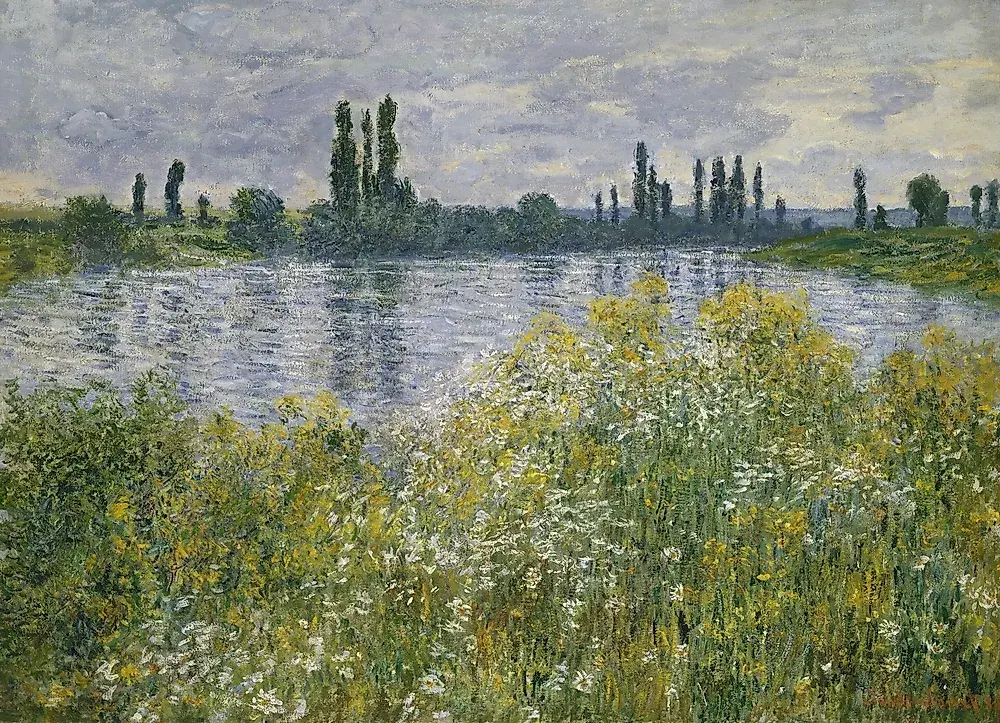
His reputation grew significantly in France, where his work influenced the development of the Barbizon School and, eventually, the Impressionists. His technique of using "Constable’s snow"—small, bright white dabs of paint applied over darker tones to simulate the sparkle of light on water and leaves—was a radical departure from traditional methods. This approach allowed him to capture the transient, living quality of the outdoors rather than creating static, studio-bound representations of nature.
How to identify a Constable painting
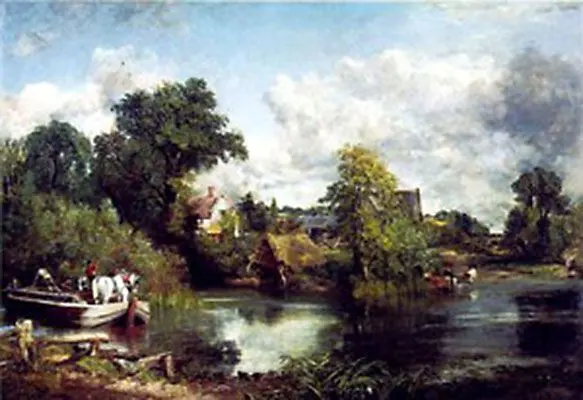
When examining a work by Constable, look for specific stylistic markers that define his unique approach to the natural world. He was obsessed with the movement of clouds and the way light interacts with moisture in the atmosphere, often referring to himself as a "man of clouds." His compositions frequently feature the following elements:
- Dramatic, towering cloud formations that dominate the upper half of the canvas.
- Lush, verdant greenery rendered with a variety of textures and brushstrokes.
- Rural scenes featuring working mills, canal boats, or agricultural laborers.
- A sense of local intimacy, focusing on specific locations like Dedham Vale or Flatford Mill.
If you are looking at a painting that feels "breezy" or "dewy," you are likely viewing a piece that reflects his signature style. He avoided the dark, murky varnish tones popular in the 18th century, opting instead for a brighter, more vibrant palette that mimicked the actual clarity of the English air.
What were his most famous works
Constable’s career reached its zenith with his series of large-scale landscapes, which he created to compete for membership in the Royal Academy. These "six-footers" were intended to prove that landscape painting was a serious, intellectual pursuit. His most iconic works remain staples of Western art history, representing the culmination of his technical experimentation and his love for his native Suffolk.
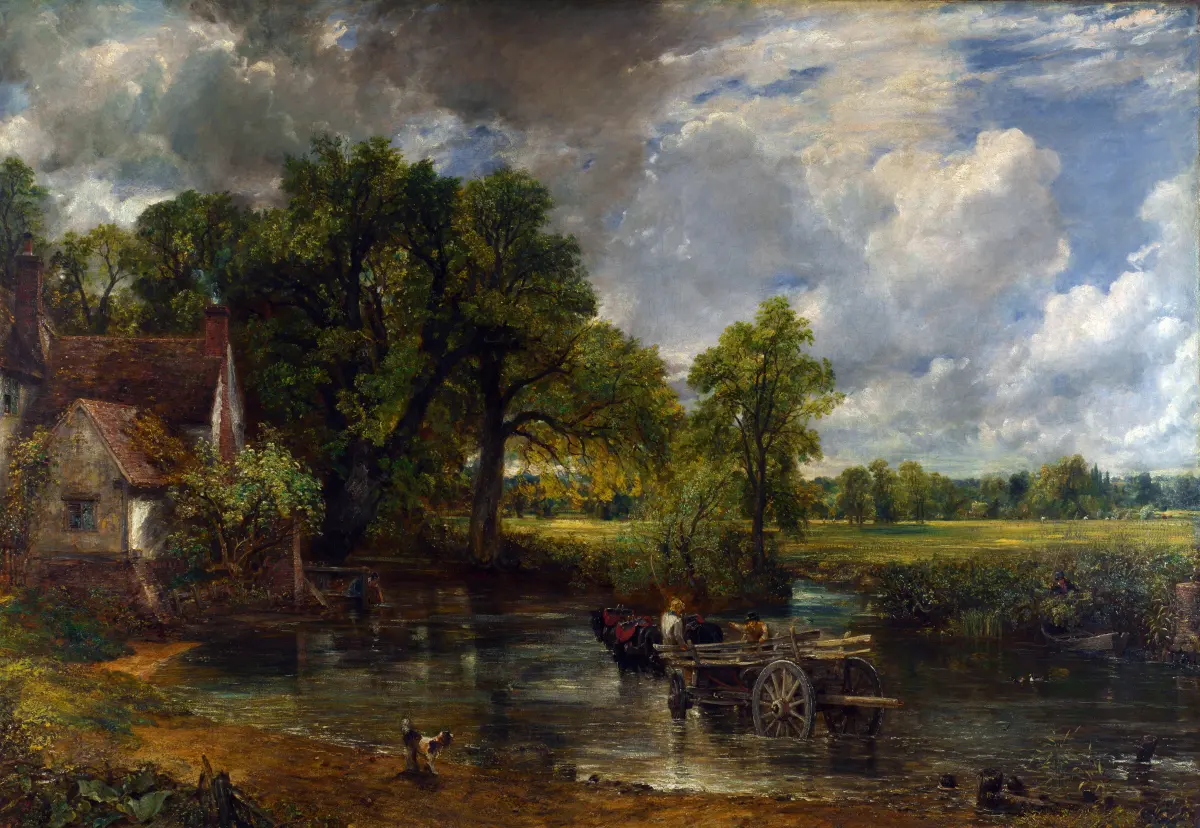
- The Hay Wain (1821): Perhaps his most famous work, depicting a rural scene on the River Stour.
- The White Horse (1819): The first of his large-scale canvases, marking a turning point in his career.
- Dedham Vale (1828): A panoramic view that showcases his mastery of atmospheric perspective.
- The Leaping Horse (1825): Notable for its dynamic energy and complex composition.
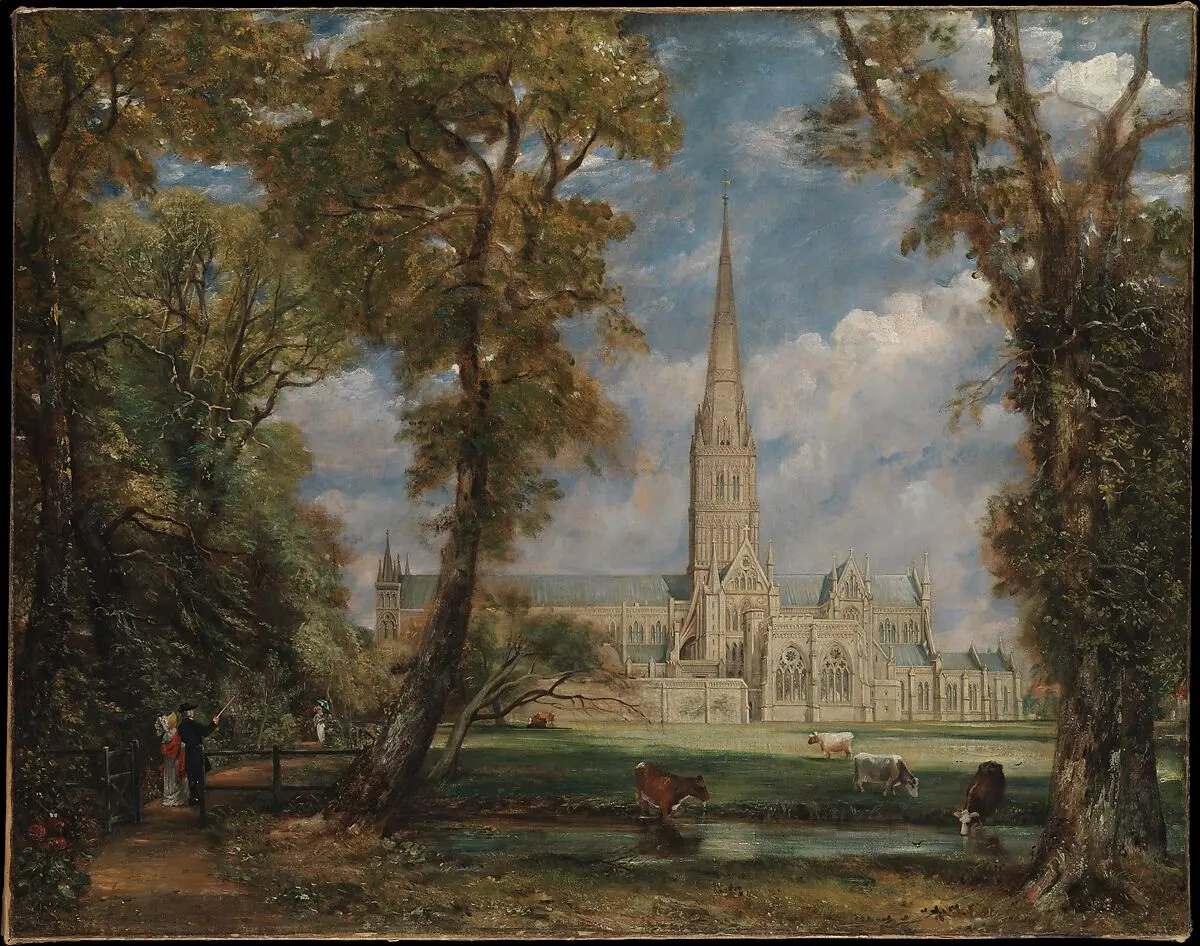
- Salisbury Cathedral from the Meadows (1831): A dramatic, storm-filled scene that demonstrates his later, more expressive style.
Common mistakes when studying Constable
A frequent error is assuming that Constable’s paintings were purely spontaneous or quickly executed. While his finished works possess a fresh, immediate quality, they were the result of extensive preparation and multiple stages of development. He often created full-scale oil sketches before committing to the final canvas, a practice that was highly unusual for the time. These sketches are now prized for their raw energy and modern-looking brushwork.
Another mistake is viewing his work as merely nostalgic or conservative. Critics occasionally dismiss his scenes as simple pastoral idylls, ignoring the industrial and economic anxieties present in his work. For example, the barges and mills in his paintings were part of a rapidly changing agricultural landscape. Understanding that Constable was documenting a world on the brink of the Industrial Revolution provides a much more nuanced view of his artistic intent and his personal commitment to preserving the character of the English countryside.
How to appreciate his oil sketches
To truly understand Constable’s genius, one must look beyond his polished gallery pieces and examine his oil sketches. These works were intended for his own use, serving as visual notes to capture the fleeting effects of light and shadow. They are much looser and more abstract than his finished paintings, often featuring heavy impasto and rapid, confident strokes that anticipate modern art movements by several decades.
When viewing these sketches, focus on the following:
- The speed of the brushwork, which conveys a sense of urgency.
- The lack of fine detail, which forces the eye to focus on color and form.
- The experimental color theory, where he uses unexpected hues to represent shadows.
By studying these sketches, you gain insight into his process and his relentless pursuit of truth in art. Constable did not just paint the landscape; he painted his experience of it, and these sketches remain the most direct record of that profound, lifelong dialogue between the artist and his environment.
Key facts
- John Constable was an English Romantic landscape painter born in 1776 in East Bergholt, Suffolk.
- He is best known for his "six-footers," a series of large-scale canvases depicting the River Stour and the English countryside.
- His most famous work, The Hay Wain, was painted in 1821 and is currently held by the National Gallery in London.
- Constable pioneered the use of "skying," or painting oil sketches of clouds in the open air to capture fleeting atmospheric effects.
- He was elected to the Royal Academy in 1829, though he struggled with financial stability and professional recognition for much of his career.
- When painting landscapes, focus on capturing the specific light and weather conditions of a moment rather than just the physical structures of the scenery.
The bottom line
John Constable transformed landscape painting by grounding his work in the authentic, observed beauty of the English countryside. By prioritizing atmospheric accuracy and emotional connection over idealized perfection, he bridged the gap between traditional realism and the expressive freedom of later movements. His legacy remains defined by his ability to capture the transient qualities of light, weather, and nature with profound technical skill and sincerity.
People also ask
Why did Constable paint the same area so frequently?
Constable focused on the Stour Valley, often called "Constable Country," because of his deep emotional attachment to his childhood home. He believed that a painter should focus on the subjects they knew best to achieve true artistic sincerity.
How did Constable’s work influence French Impressionism?
His innovative use of broken brushstrokes and vibrant, unblended color directly inspired French artists like Eugène Delacroix and the later Impressionists. They admired how he captured the natural movement of light and air on canvas.
What was the "six-footer" series?
This refers to a series of large-scale landscapes Constable produced to compete with the grand historical paintings favored by the Royal Academy. These works, including The White Horse and The Hay Wain, were designed to elevate landscape painting to a major genre.
Did Constable paint outdoors or in a studio?
He was one of the first artists to create detailed oil sketches directly from nature to study light and clouds. However, he typically completed his final, large-scale exhibition canvases in his studio based on those earlier field studies.
What was the significance of his cloud studies?
Constable viewed the sky as the "chief organ of sentiment" in a landscape. By painting clouds at different times of day, he demonstrated a scientific interest in meteorology that allowed him to make his paintings feel more authentic and alive.
Why was Constable not initially popular in England?
During his lifetime, the British art market preferred polished, idealized landscapes or historical scenes. His rougher, more spontaneous technique was often seen as unfinished or messy by contemporary critics who favored traditional academic styles.
This answer was created with the help of AI research tools and reference sources. Spotted an error? Let us know — we correct mistakes quickly. See our editorial policy.