What is Sweden known for?
Short answer
Sweden is globally recognized for its progressive social welfare model, pioneering design aesthetics, and commitment to environmental sustainability. It is the birthplace of iconic brands like IKEA and Volvo, and it maintains a high standard of living. Culturally, the nation is defined by its egalitarian values and unique traditions like Midsummer.
On this page
Why is Sweden famous for design and innovation?
Sweden has cultivated a global reputation for functional, minimalist design that prioritizes both aesthetics and usability. This "Swedish Modern" style emerged in the early 20th century, emphasizing the idea that well-designed, beautiful objects should be accessible to everyone, not just the elite. Today, this philosophy is most visible in the global success of IKEA, which revolutionized home furnishing by making flat-pack, affordable furniture a standard in households worldwide.
Beyond furniture, Sweden is a powerhouse of technological innovation and entrepreneurship. The country consistently ranks among the top in the world for patents per capita and has fostered a vibrant startup ecosystem in Stockholm, often called "the unicorn factory." Companies like Spotify, Skype, and Klarna originated here, demonstrating a national knack for digital transformation. This culture of innovation is supported by strong investment in research and development, alongside an educational system that encourages creative problem-solving and collaboration from a young age.
How to experience Swedish culture and traditions?
Swedish culture is deeply rooted in a connection to nature and a strong sense of community, often expressed through specific social rituals. The most famous of these is fika, a mandatory coffee break that serves as a social institution. It is not merely about drinking caffeine; it is a dedicated time to pause, connect with colleagues or friends, and enjoy a pastry, typically a cinnamon bun (kanelbulle).
- Participate in Midsummer celebrations by dancing around a flower-covered maypole.
- Visit a traditional archipelago island to experience the Swedish love for summer cabins.
- Try authentic smörgåsbord featuring pickled herring, cured salmon, and meatballs.
- Explore the concept of lagom, which encourages a balanced, moderate lifestyle.
Visitors should aim to engage with these traditions authentically rather than viewing them as tourist spectacles. Whether it is enjoying a quiet moment in a café or participating in a local festival, the focus remains on simplicity and human connection.
What is the Swedish social welfare model?
The Swedish model, often referred to as the "Middle Way," is a comprehensive social welfare system that balances capitalist market efficiency with extensive state-funded social services. This system is financed through relatively high progressive taxation, which provides citizens with universal healthcare, free higher education, and generous parental leave policies. The primary goal is to minimize income inequality and ensure a high quality of life for all residents, regardless of their background or occupation.
This model is not without its critics, who point to the high tax burden and the challenges of maintaining such a system in a globalized economy. However, it remains a cornerstone of Swedish identity, fostering a society with high levels of social trust and political stability. The emphasis on gender equality is particularly notable, with Sweden consistently ranking among the top nations for women in the workforce and political leadership. This commitment to equality extends to the workplace, where flat hierarchies and consensus-based decision-making are the standard.
Common mistakes when visiting Sweden
When traveling to Sweden, many visitors make the mistake of assuming that cash is widely accepted. Sweden is effectively a cashless society, and most shops, restaurants, and public transport systems only accept card or mobile payments. Carrying physical currency can often lead to frustration, as many merchants will refuse it. Additionally, do not underestimate the importance of punctuality. Swedes value time highly, and arriving late for a meeting or a social gathering is often viewed as a sign of disrespect.
- Avoid loud or boisterous behavior in public spaces, as Swedes generally value quiet and personal space.
- Do not forget to remove your shoes when entering someone’s home, as this is a strict social norm.
- Avoid making assumptions about Swedish culture based solely on neighboring Nordic countries, as each has distinct historical and social differences.
- Do not plan a trip around the "midnight sun" without checking the specific latitude, as it only occurs well above the Arctic Circle.
Why is Sweden a leader in sustainability?
Sweden has positioned itself as a global leader in environmental policy, aiming for a fossil-free future. The country has implemented aggressive carbon taxes and invested heavily in renewable energy sources, such as hydroelectric and wind power. A significant portion of Swedish waste is recycled or converted into energy, a process so efficient that the country has even imported waste from other nations to keep its energy-producing plants running.
This commitment to the environment is reflected in the daily lives of its citizens, who prioritize sustainable transportation and eco-friendly consumption. Urban planning in cities like Stockholm and Malmö focuses on green spaces, efficient public transit, and cycling infrastructure. By integrating sustainability into the core of their industrial and social policies, the Swedes demonstrate that economic growth and environmental stewardship can coexist successfully. This forward-thinking approach continues to influence international climate agreements and serves as a blueprint for other nations seeking to reduce their ecological footprint while maintaining a high standard of living for their citizens.
Key facts
- Sweden is the birthplace of the Nobel Prize, established by Alfred Nobel in his 1895 will to honor achievements in physics, chemistry, medicine, literature, and peace.
- The country maintains a unique cultural practice called fika, a mandatory coffee break that prioritizes social connection over productivity.
- Sweden is home to the world’s first ice hotel, located in Jukkasjärvi, which is rebuilt every winter using ice blocks from the nearby Torne River.
- The Swedish social model, often called the "Middle Way," combines a free-market economy with a comprehensive welfare state funded by high taxation.
- Sweden is a global leader in sustainability, with over 99% of its household waste being recycled or converted into energy through waste-to-energy plants.
- Visitors should avoid tipping in restaurants, as service charges are included in the bill; leaving a small tip is appreciated but never expected.
The bottom line
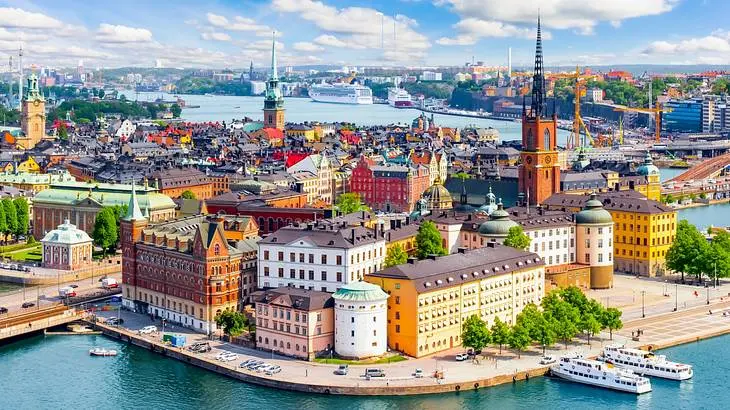
Sweden is a modern, progressive nation defined by its commitment to social welfare, environmental sustainability, and a high quality of life. From its world-renowned design and innovation to its deep-seated traditions like fika, the country offers a unique blend of efficiency and relaxation. Whether exploring the historic streets of Stockholm or the vast wilderness of the north, visitors find a welcoming, English-speaking society that values equality.
People also ask
Is Sweden part of Scandinavia?
Yes, Sweden is one of the three countries that make up Scandinavia, alongside Norway and Denmark. While the term is sometimes used broadly to include Finland and Iceland, the core Scandinavian group is defined by shared linguistic and cultural heritage.
What is the best time of year to visit Sweden?
The best time depends on your goals, with summer (June to August) offering long, sunny days and mild temperatures perfect for outdoor activities. Winter (December to March) is ideal for skiing, experiencing the Northern Lights in the north, and enjoying the festive Christmas markets.
Do I need to learn Swedish to travel there?
No, you do not need to learn Swedish, as the vast majority of Swedes speak fluent English. Most signs, menus, and public service announcements are available in English, making it very easy for international travelers to navigate the country.
What is the currency used in Sweden?
Sweden uses the Swedish krona (SEK), not the Euro. The country is largely cashless, so you should be prepared to pay for almost everything, including small purchases, with a credit or debit card.
Is Sweden an expensive country to visit?
Sweden is generally considered a high-cost destination compared to many other parts of the world. Budget-conscious travelers can save money by utilizing the extensive public transportation network and opting for dagens lunch (daily lunch specials) rather than expensive dinner menus.
What are the primary cultural etiquette rules in Sweden?
Swedes value punctuality, personal space, and egalitarianism. When visiting, avoid loud behavior in public, always remove your shoes when entering a private home, and be prepared for a society that prioritizes consensus and quiet cooperation.
This answer was created with the help of AI research tools and reference sources. Spotted an error? Let us know — we correct mistakes quickly. See our editorial policy.