What is Finland known for?
Short answer
Finland is globally recognized for its world-class education system, high levels of social equality, and a profound cultural connection to nature. It consistently ranks as the world’s happiest country, celebrated for its innovative design, sauna culture, and the spectacular natural phenomenon of the Northern Lights visible in its Arctic regions.
On this page
Why is Finland known for education?
Finland’s education system is frequently cited as a global model for its focus on equity rather than competition. Children do not begin formal schooling until age seven, and the system emphasizes play-based learning and minimal standardized testing. This approach aims to reduce stress for students while fostering a love for lifelong learning. Teachers in Finland are highly respected, and all must hold a master’s degree, which ensures a consistent level of pedagogical expertise across the country.
The system is built on the principle that every child should have the same opportunity to succeed, regardless of their socioeconomic background. Schools are publicly funded and provide free meals, health services, and counseling to all students. This commitment to equality extends to higher education, where tuition is free for citizens and residents of the European Union. By prioritizing student well-being, Finland consistently achieves high results in international assessments like the PISA rankings without the intense pressure found in other nations.
How to experience Finnish sauna culture?
Sauna culture is the heartbeat of Finnish social life, with over three million saunas for a population of roughly 5.5 million people. A sauna is not merely a luxury but a place for physical and mental cleansing, often used for relaxation or important business discussions. To participate like a local, you should follow these essential steps to ensure you respect the traditional etiquette:
- Shower thoroughly before entering the sauna to maintain hygiene.
- Sit on a small towel or seat cover to protect the wooden benches from sweat.
- Add water to the hot stones (löyly) to create steam, but ask others in the room if they mind before doing so.
- Cool down afterwards with a dip in a cold lake or a brisk outdoor shower.
A common mistake for beginners is staying inside for too long or failing to hydrate properly. Listen to your body and step out whenever you feel the need to cool off. Avoid wearing swimwear in traditional public saunas if gender-segregated hours are provided, as nudity is standard and accepted as natural.
Where to see the Northern Lights?
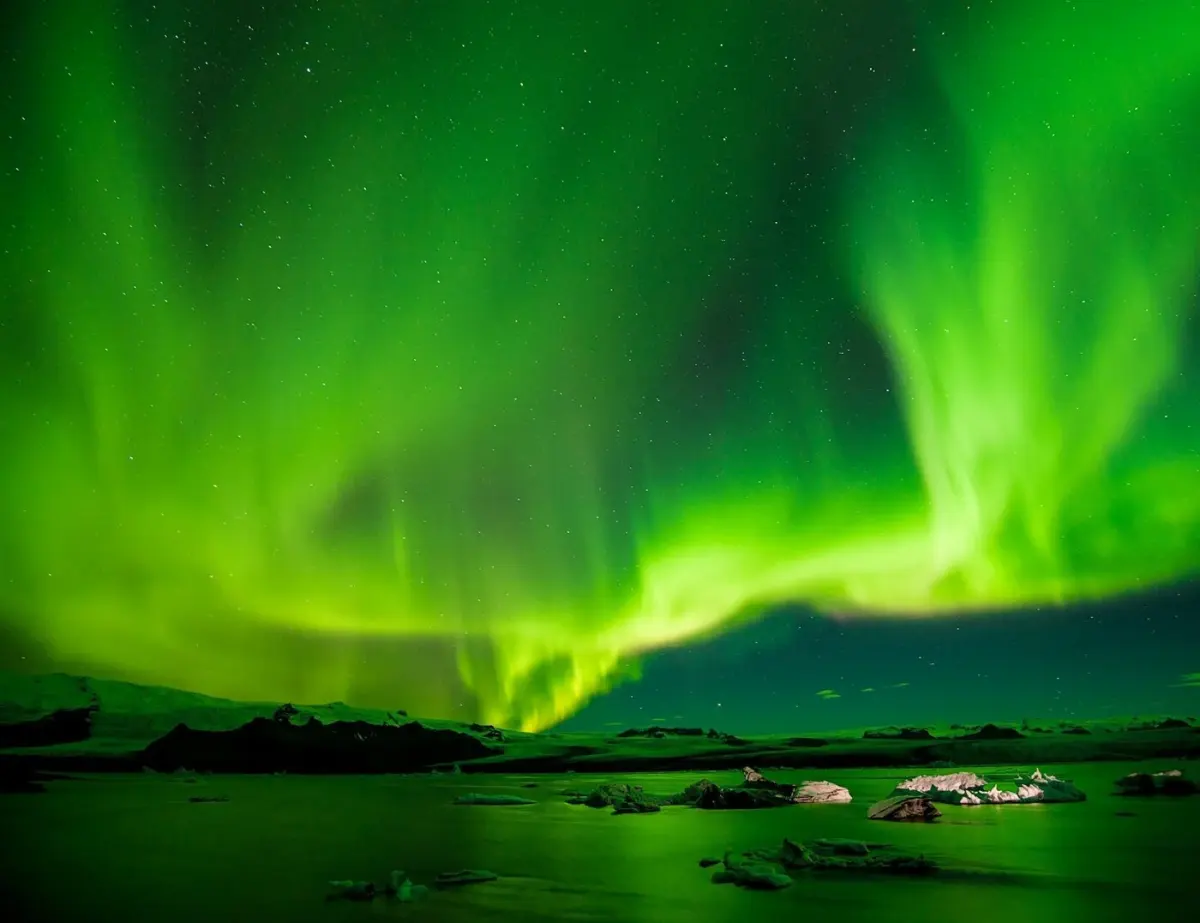
The Aurora Borealis, or Northern Lights, is one of Finland’s most famous natural attractions. These lights occur when solar particles collide with the Earth's atmosphere, creating vibrant displays of green, purple, and pink. The best time to witness this phenomenon is between late September and March, when the nights are at their longest and darkest. Lapland, the northernmost region of Finland, offers the highest probability of sightings due to its location above the Arctic Circle.
To maximize your chances of seeing the lights, travel away from the light pollution of cities like Rovaniemi or Kittilä. Many visitors choose to stay in glass igloos, which provide a warm, panoramic view of the sky from the comfort of a bed. Keep in mind that the lights are a natural occurrence and cannot be guaranteed; clear, cloudless skies are essential. Check local aurora forecast apps regularly, as solar activity can fluctuate significantly throughout the night.
What is Finnish design known for?
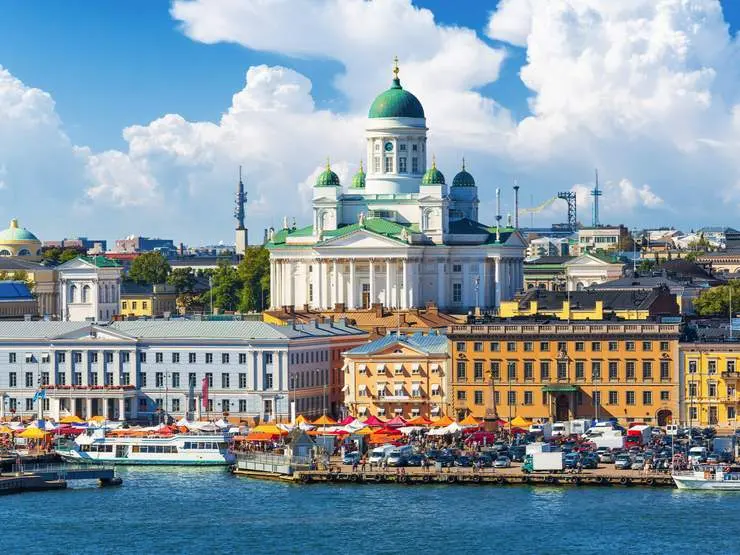
Finnish design is characterized by its minimalist aesthetic, functionality, and deep integration with natural materials. Designers like Alvar Aalto and companies such as Marimekko and Iittala have shaped the global perception of Nordic style. The focus is on creating durable, everyday objects that improve the quality of life while remaining accessible to the general public. This philosophy is evident in everything from glassware and textiles to urban architecture and furniture.
The movement gained international prominence in the mid-20th century, emphasizing the harmony between industrial production and human needs. Today, Finnish design continues to evolve by incorporating sustainable practices and innovative technology. Whether you are visiting the Design District in Helsinki or shopping for souvenirs, you will notice a recurring theme: objects are designed to be used, not just admired. Key elements of this design heritage include:
- Use of organic shapes inspired by the Finnish landscape.
- Preference for natural materials like birch wood, wool, and glass.
- Emphasis on timelessness over fleeting fashion trends.
- Integration of light and space in architectural planning.
How to travel in Finland safely?
Finland is consistently ranked as one of the safest countries in the world, making it an ideal destination for solo travelers and families. The crime rate is exceptionally low, and public infrastructure is reliable and well-maintained. However, travelers should be aware of the environmental challenges posed by the climate. During winter, temperatures can drop well below freezing, and roads may become icy, requiring caution and proper winter tires if you choose to drive.
When exploring the vast wilderness, it is important to follow the "Everyman’s Right" (Jokamiehenoikeus), which allows people to roam freely in nature, pick berries, and camp. However, this right comes with the responsibility to leave no trace and respect private property. A common mistake is underestimating the distance between settlements in rural areas; always carry a map and sufficient supplies. If you are hiking, inform someone of your route and expected return time to ensure your safety in the remote Finnish forests.
Key facts
- Finland consistently ranks as the world’s happiest country according to the annual World Happiness Report.
- The country is home to over 188,000 lakes, earning it the nickname "The Land of a Thousand Lakes."
- Sauna culture is integral to Finnish life, with an estimated 3.3 million saunas for a population of roughly 5.5 million people.
- Finland operates one of the world's most successful education systems, characterized by minimal homework and no standardized testing until the end of high school.
- The phenomenon of the Northern Lights, or Aurora Borealis, is visible in Finnish Lapland for approximately 200 nights per year.
- When visiting a Finnish home, always remove your shoes at the entrance to avoid being seen as rude or disrespectful.
The bottom line
Finland offers a unique blend of pristine natural beauty and modern social infrastructure. From the tranquil, sauna-warmed cabins of the lake district to the innovative design and educational excellence of Helsinki, the country emphasizes well-being and equality. Whether you are chasing the ethereal glow of the Northern Lights or enjoying the endless sunlight of summer, Finland provides a safe, organized, and deeply refreshing travel experience.
People also ask
Is it expensive to travel in Finland?
Finland is generally considered a high-cost destination, particularly regarding dining out and alcohol. To save money, utilize the extensive public transportation network and shop at local supermarkets for picnic supplies.
What is the best time of year to visit Finland?
For winter sports and the Northern Lights, visit between December and March. For the Midnight Sun and hiking, June through August offers long, warm days perfect for outdoor exploration.
Do I need to learn Finnish to visit?
Most Finns speak excellent English, especially in urban areas and tourist hubs. Learning simple phrases like "kiitos" (thank you) is appreciated, but you will have no trouble navigating the country in English.
What is the traditional food of Finland?
Finnish cuisine focuses on fresh, seasonal ingredients like fish, berries, and rye bread. Popular dishes include "karjalanpiirakka" (Karelian pasties) and "kalakukko," a traditional fish-filled rye loaf.
Is it safe to drink tap water in Finland?
Yes, Finnish tap water is among the cleanest in the world and is perfectly safe to drink. You can fill your reusable bottle from any tap, which is a practical way to reduce plastic waste.
What should I pack for a trip to Finland?
Regardless of the season, bring layers to adapt to changing weather conditions. If visiting in winter, high-quality thermal base layers and waterproof boots are essential for staying warm and dry.
This answer was created with the help of AI research tools and reference sources. Spotted an error? Let us know — we correct mistakes quickly. See our editorial policy.