What do pigeons eat?
Short answer
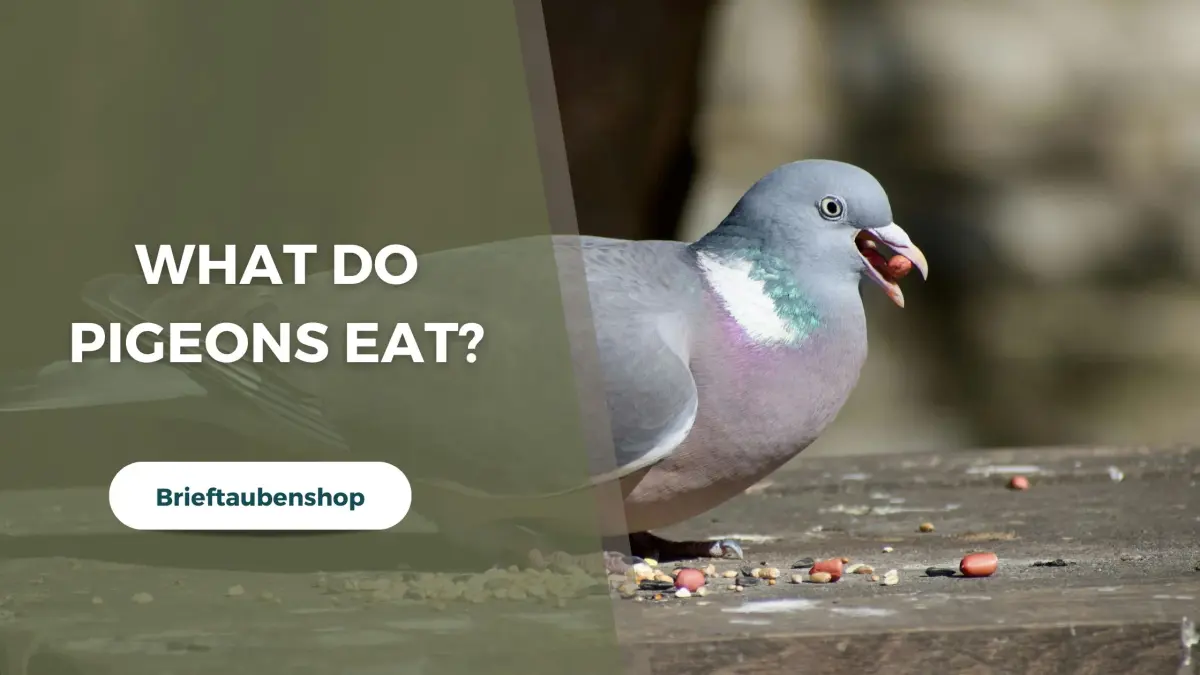
Pigeons are primarily granivorous birds that thrive on a diet of seeds, grains, and legumes. In urban environments, they are opportunistic scavengers that consume human food scraps, bread, and discarded produce. While they prefer high-energy plant matter, their digestive systems allow them to process a wide variety of available organic materials.
On this page
What do pigeons eat in the wild?
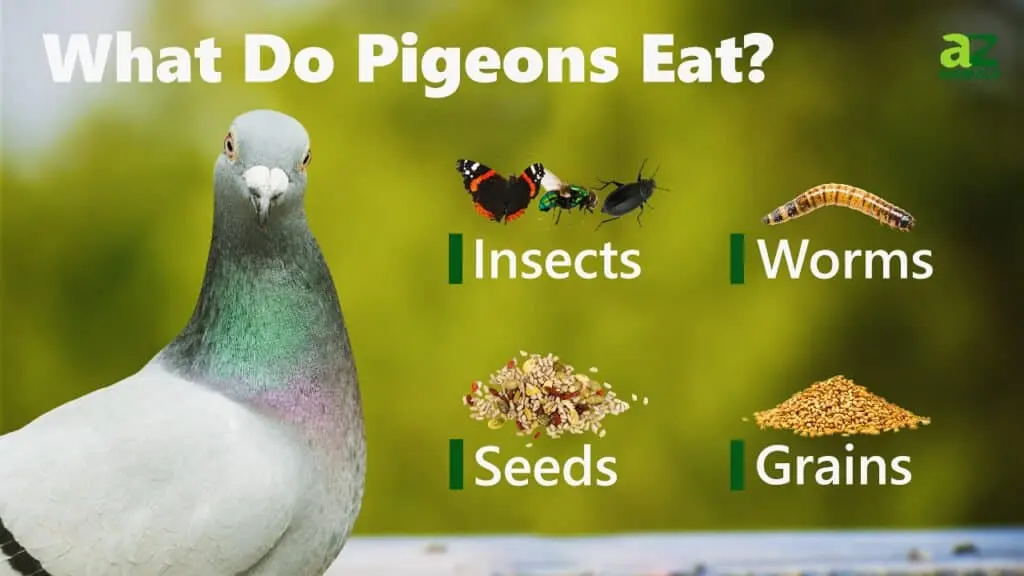
In their natural habitats, such as rocky cliffs or open woodlands, pigeons focus on foraging for nutrient-dense plant materials. Their diet consists mostly of seeds from grasses, weeds, and various cereal crops. They also consume berries, small fruits, and occasionally green vegetation like young shoots or leaves when seeds are scarce. These birds are ground-feeders, using their strong beaks to peck at the soil and extract fallen seeds.
Because they lack the specialized beaks of raptors or insectivores, pigeons avoid meat and insects almost entirely. Their digestive anatomy is specifically evolved to grind down tough, fibrous husks found on grains. During the breeding season, they require higher protein intake, which they supplement by seeking out legumes like peas or lentils. Access to clean water is just as critical as their food supply, as they need to soften dry seeds to aid in digestion.
What should you feed pigeons?
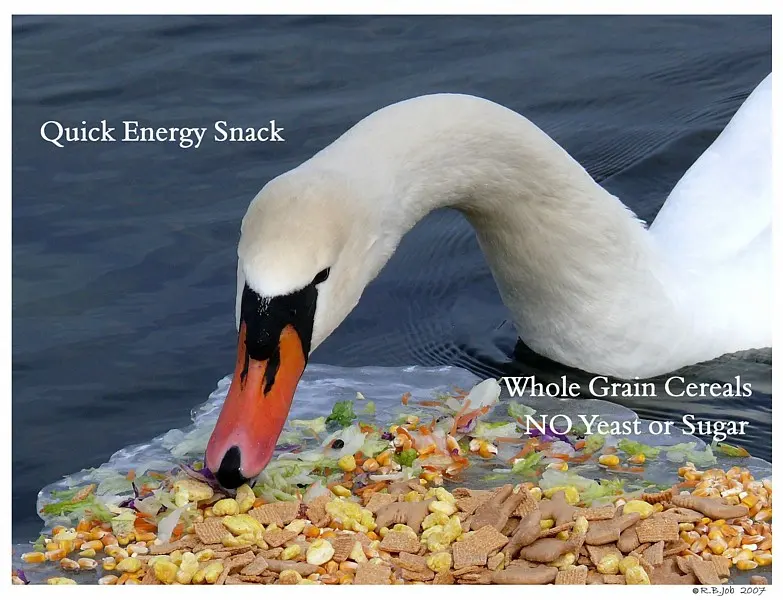
If you intend to feed pigeons, it is important to provide items that mimic their natural nutritional requirements. High-quality birdseed mixes are the best option, as they are formulated to provide a balanced intake of carbohydrates and fats. Avoid feeding them processed human snacks, which often contain high levels of salt and preservatives that can be toxic to avian systems.
To provide a healthy diet, consider offering the following items:
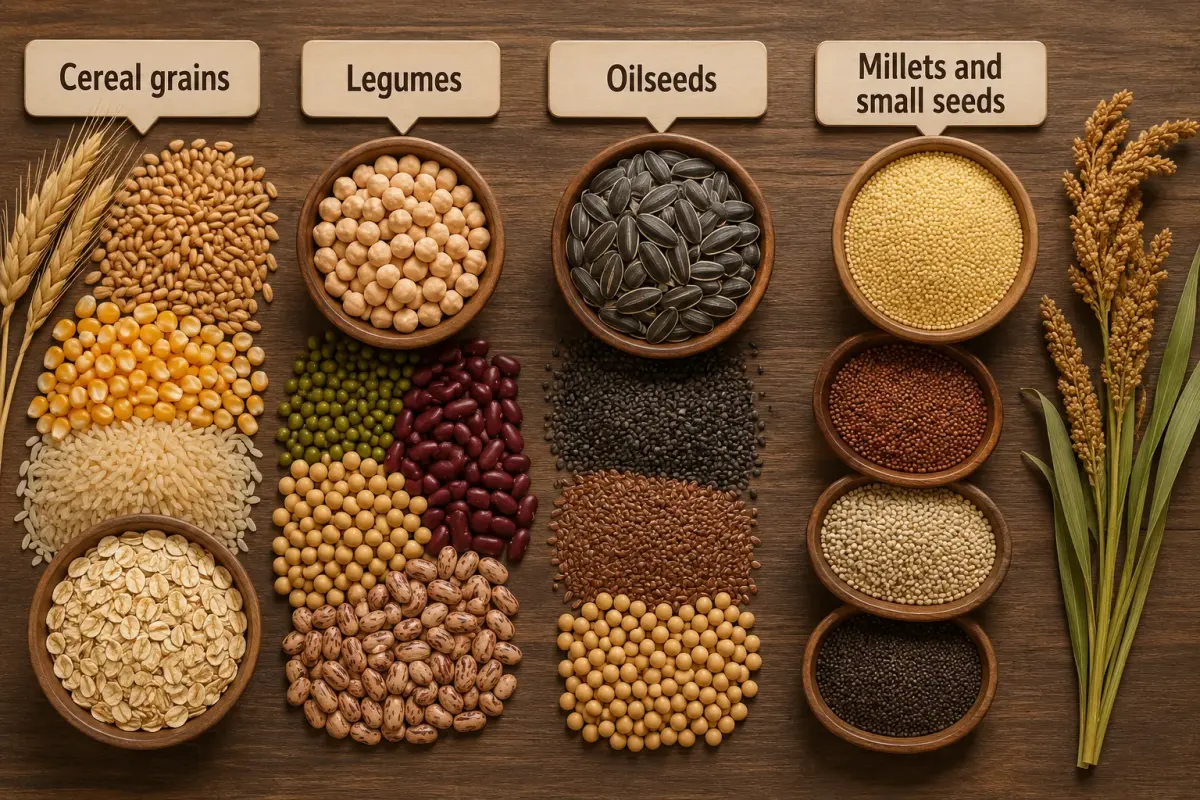
- Cracked corn or whole maize
- Wheat and barley grains
- Safflower or sunflower seeds
- Dried peas, lentils, or split beans
- Millet or canary seed mixes
Always ensure the food is dry and free of mold. Pigeons are susceptible to fungal infections if they consume spoiled grain. If you are feeding them in a backyard setting, place the food on a clean, elevated platform to prevent the accumulation of moisture and to keep the feeding area sanitary for other wildlife.
Why bread is bad for pigeons
Many people mistakenly believe that bread is a suitable food for pigeons due to its availability and the birds' willingness to eat it. However, bread is essentially "empty calories" for a bird. It lacks the essential vitamins, minerals, and proteins that pigeons need to maintain their feather health, energy levels, and immune system function. Feeding them bread can lead to malnutrition and a condition known as "angel wing," where the wings develop improperly.
Furthermore, bread often swells in the bird's stomach, creating a false sense of fullness that prevents them from seeking out more nutritious food sources. This can lead to stunted growth in squabs and weakened physical condition in adults. If you want to interact with pigeons, it is far better to carry a small bag of mixed grains than to provide scraps from your lunch. By choosing appropriate feed, you help ensure the long-term health of the local population.
Common mistakes when feeding pigeons
One of the most frequent errors people make is overfeeding, which can lead to a variety of environmental and health issues. Providing too much food attracts pests like rats and mice, which are drawn to the excess grain left on the ground. Additionally, overfeeding can cause pigeons to become dependent on humans, discouraging their natural foraging behaviors and causing them to congregate in unnatural densities that facilitate the spread of avian diseases.
When managing a feeding site, follow these steps to avoid common pitfalls:
- Limit the amount of food to what can be consumed within 15 minutes.
- Remove any uneaten food immediately to avoid attracting rodents.
- Rotate feeding locations to prevent the buildup of droppings and parasites.
- Never provide food that is salty, sugary, or cooked with oils.
- Ensure the area remains free of plastic packaging or other litter.
By following these simple steps, you can enjoy observing the birds without negatively impacting their health or the surrounding urban ecosystem.
How pigeons digest their food
Pigeons possess a unique anatomical feature called a crop, which is a muscular pouch located at the base of the esophagus. When a pigeon finds a large amount of food, it stores the excess in the crop rather than digesting it immediately. This allows the bird to eat quickly in exposed areas, reducing the time it spends vulnerable to predators, before flying to a safe perch to digest the meal at its own pace.
Once the food moves from the crop, it enters the gizzard. Because birds lack teeth, the gizzard acts as a mechanical grinder, using small pebbles or grit that the bird has swallowed to crush hard seeds and grains. This process is essential for breaking down the outer shells of seeds so that the nutrients can be absorbed in the intestines. Providing access to clean, fine grit is therefore vital for any pigeon, as it serves as the "teeth" necessary for their survival.
Key facts
- Pigeons are primarily granivores, meaning their natural diet consists mostly of seeds, grains, and legumes.
- In urban environments, they are opportunistic scavengers that consume human food scraps, bread, and discarded fast food.
- A pigeon’s digestive system requires grit—small stones or sand—to help grind up hard seeds in their gizzard.
- Avoid feeding pigeons salty, sugary, or processed foods, as these can cause severe health issues like dehydration or obesity.
- Adult pigeons typically consume about 30 to 50 grams of food per day depending on their activity level and weather.
- They possess a highly developed sense of taste and will often reject moldy or spoiled grains that could be toxic.
The bottom line
Pigeons are versatile foragers that thrive on a diet of seeds, grains, and occasional human scraps. While they are highly adaptable to urban life, providing them with appropriate birdseed and grit is far healthier than offering processed human foods. By understanding their nutritional needs and avoiding harmful snacks, you can support their well-being while observing these resilient birds as they navigate their daily search for sustenance.
People also ask
Is bread healthy for pigeons to eat?
Bread is generally poor nutrition for pigeons because it lacks essential vitamins and minerals. While it fills their stomachs, it can lead to "angel wing" syndrome in young birds and malnutrition over time.
Do pigeons need to drink water daily?
Yes, pigeons require fresh water every day to stay hydrated and aid in digestion. They are unique among birds because they drink by using their beaks like a straw to suck up water.
Can pigeons eat fruit and vegetables?
Pigeons can safely eat small pieces of leafy greens, peas, or corn. These provide necessary nutrients, but they should only supplement a primary diet of seeds and grains.
Why do pigeons peck at the ground in city parks?
They are searching for seeds, insects, or small grit particles. Pecking helps them find food and gather the minerals needed to maintain their bone health and eggshell quality.
Is it safe to feed pigeons birdseed from a store?
High-quality wild birdseed mixes are an excellent choice for pigeons. Look for blends that contain millet, cracked corn, and wheat to ensure they receive a balanced diet.
How long can a pigeon survive without food?
A healthy pigeon can typically survive for several days without food, though their energy levels will drop rapidly. Consistent access to food is critical for pigeons living in cold climates to maintain their body temperature.
This answer was created with the help of AI research tools and reference sources. Spotted an error? Let us know — we correct mistakes quickly. See our editorial policy.