What do beavers eat?
Short answer
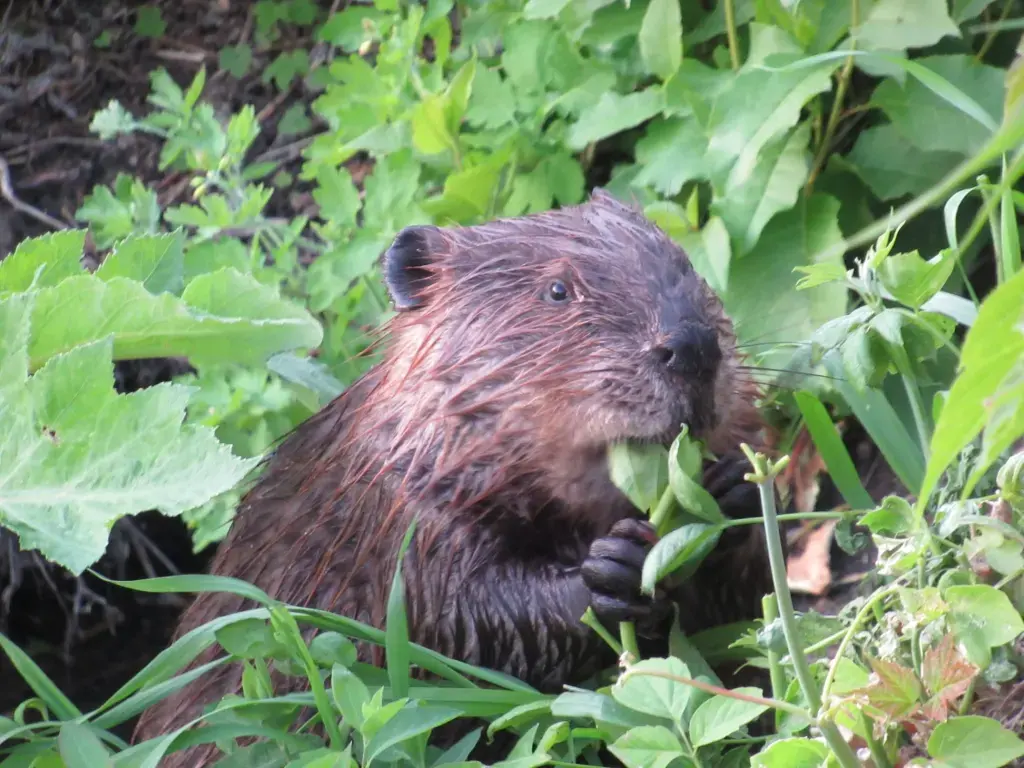
Beavers are strict herbivores that consume a diverse diet of woody and herbaceous plants. They primarily eat the inner bark, cambium, leaves, and twigs of trees like willow, aspen, and poplar. During warmer months, they supplement this diet with aquatic plants, grasses, and ferns to meet their nutritional requirements for growth.
On this page
What do beavers eat in the wild?
Beavers are specialized herbivores that rely on a wide variety of plant life to sustain their high-energy lifestyle. Their diet changes significantly depending on the season and the availability of local flora. While they are famous for felling trees, they also forage extensively for smaller vegetation near the water's edge.
Their preferred woody food sources include deciduous trees, which provide the essential nutrients needed for winter survival. By consuming the nutrient-rich cambium layer located just beneath the tough outer bark, beavers gain access to concentrated energy stores. They are particularly fond of the following species:
- Quaking aspen and cottonwood
- Willow and alder shrubs
- Birch and maple trees
- Wild cherry and apple trees
Beyond woody stems, beavers consume a variety of non-woody plants during the spring and summer. These include water lilies, cattails, pondweeds, and various grasses. By diversifying their intake, they ensure they receive a balanced diet of minerals and vitamins that are not always present in tree bark alone.
How do beavers store food for winter?
Because beavers do not hibernate, they must prepare for the cold months by creating underwater food caches. As autumn approaches, they harvest branches and logs, dragging them to the bottom of their pond near the entrance of their lodge. This submerged stockpile remains fresh throughout the winter, protected from freezing temperatures and predators.
The process of building a cache is a communal effort that requires significant labor. Beavers carefully select branches of varying sizes to maximize the density of their food pile. To ensure their winter survival, they follow these steps:
- Identify suitable deciduous trees near the water’s edge.
- Fell the trees and strip them into manageable, smaller branches.
- Transport the wood to the pond and wedge it into the muddy bottom.
- Add layers of mud and vegetation to anchor the pile securely.
This cache acts as an essential pantry when the pond surface is covered in ice. By keeping the food underwater, the beavers ensure the bark remains soft and palatable, preventing it from drying out or becoming too brittle to consume during the harshest weeks of winter.
Why do beavers eat tree bark?
The inner bark, or cambium, is the most nutritious part of a tree for a beaver. It is rich in carbohydrates and minerals, providing the caloric density required to fuel the beaver's constant activity, including dam maintenance and lodge construction. Because beavers have continuously growing incisors, the act of gnawing on tough wood also serves the critical purpose of wearing down their teeth.
If a beaver stopped gnawing, its teeth would eventually grow too long to function properly, making it impossible to eat or groom. The physical resistance provided by hardwood helps maintain the sharp, chisel-like edge of their teeth. This biological necessity makes the consumption of woody material a dual-purpose behavior that supports both digestion and dental health.
Furthermore, the bark provides essential roughage that aids in the beaver's complex digestive process. They possess a specialized cecum, a pouch in the digestive tract that houses bacteria capable of breaking down cellulose. This internal biological machinery allows them to extract energy from plant fibers that many other mammals would find indigestible and nutritionally void.
Common mistakes when feeding beavers
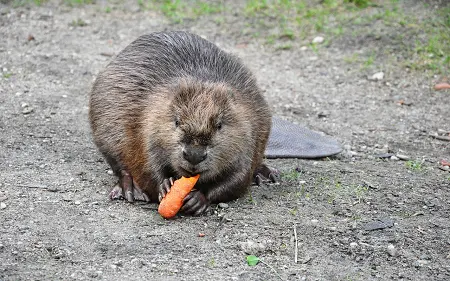
Many people mistakenly believe that beavers enjoy human food, such as bread, corn, or processed snacks. Feeding wild beavers is dangerous and counterproductive, as these items can cause severe digestive distress and nutritional imbalances. Human food lacks the specific fiber and mineral content that a beaver’s system is evolved to process, often leading to illness or death.
Another frequent error is assuming that all trees are safe for beavers to consume. Some ornamental plants or non-native species may contain chemical compounds or pesticides that are toxic to wildlife. To maintain a healthy environment for beavers, it is best to leave their habitat undisturbed and avoid these actions:
- Offering bread, crackers, or other processed grains.
- Introducing non-native garden plants into their territory.
- Attempting to hand-feed them, which can lead to aggressive behavior.
- Disrupting their natural foraging paths with human-made barriers.
By keeping human interactions to a minimum, you ensure that beavers continue to rely on their natural food sources. This preserves their ability to forage independently and maintains the ecological balance of the wetland ecosystem they inhabit.
Best ways to observe beaver foraging
Observing beavers in their natural habitat requires patience and a deep respect for their nocturnal lifestyle. The best time to watch them is during the hour before sunset or at dawn, when they are most active in their foraging efforts. Finding a quiet spot near a known lodge or dam allows you to witness their impressive ability to manipulate wood and vegetation.
When observing, it is vital to keep a significant distance to avoid startling the animals. If a beaver detects a human presence, it may slap its tail against the water—a warning signal that alerts the entire colony to potential danger. To have a successful and ethical observation session, follow these guidelines:
- Use binoculars to maintain a safe distance of at least 50 feet.
- Wear muted, neutral colors that blend into the natural environment.
- Remain perfectly still and quiet to avoid triggering their alarm response.
- Avoid using flash photography, which can disorient the animals in low light.
By following these practices, you can learn about the fascinating dietary habits of beavers without interfering with their survival or causing them unnecessary stress. Watching them work through their evening meal offers a unique glimpse into the life of one of nature's most industrious engineers.
Key facts
- Beavers are strict herbivores that consume the bark, cambium, leaves, and twigs of woody plants.
- They prefer deciduous trees like aspen, willow, cottonwood, and birch over coniferous species.
- An adult beaver requires about 1.5 to 2 pounds of woody material daily to maintain its health.
- During summer months, they supplement their diet with aquatic plants such as water lilies and pondweed.
- Beavers do not eat fish or other animals, despite common misconceptions regarding their habitat.
- To avoid attracting beavers, do not plant preferred food species near water features on your property.
The bottom line
Beavers are specialized herbivores that rely on a diverse diet of woody plants and aquatic vegetation. By focusing on deciduous trees like aspen and willow, they sustain their high energy needs throughout the year. Their unique ability to store branches underwater allows them to survive harsh winters, making them one of the most resilient ecosystem engineers in North America and across the Northern Hemisphere.
People also ask
Do beavers eat the wood of the trees they fell?
Beavers primarily consume the inner bark, known as the cambium, and the soft outer twigs. They use the harder wood of the trunks and branches mainly for construction projects like dams and lodges.
How do beavers store food for the winter?
As temperatures drop, beavers create a "food cache" by anchoring branches and logs into the mud at the bottom of their pond. This underwater pantry stays fresh and accessible even when the surface of the water freezes over.
Can beavers digest pine or spruce trees?
While they occasionally chew on conifers, these trees are not a staple of their diet. The high resin content in pines and spruces makes them less palatable and harder for the beaver to digest compared to hardwoods.
Do beavers eat garden vegetables?
Yes, beavers are opportunistic and may consume crops like corn, beans, or clover if they are planted near the water's edge. They are particularly fond of succulent, young green shoots found in agricultural areas.
How do beavers avoid predators while foraging?
Beavers prefer to forage close to the safety of the water, where they can quickly dive to escape threats. They often dig narrow channels from the pond into the forest to extend their reach while remaining protected.
Do beavers need to eat every day?
Beavers are active throughout the year and must forage daily to meet their high caloric needs. Even in winter, they rely on their stored cache to ensure a steady supply of nutrients when fresh vegetation is unavailable.
This answer was created with the help of AI research tools and reference sources. Spotted an error? Let us know — we correct mistakes quickly. See our editorial policy.