What do elk eat?
Short answer
Elk are ruminant herbivores that consume a diverse diet of grasses, forbs, shrubs, and tree bark. Their feeding habits shift significantly with the seasons, favoring lush grasses in spring and summer, while transitioning to woody browse and conifers during the harsh winter months when forage availability is limited by deep snow.
On this page
What do elk eat in the wild?
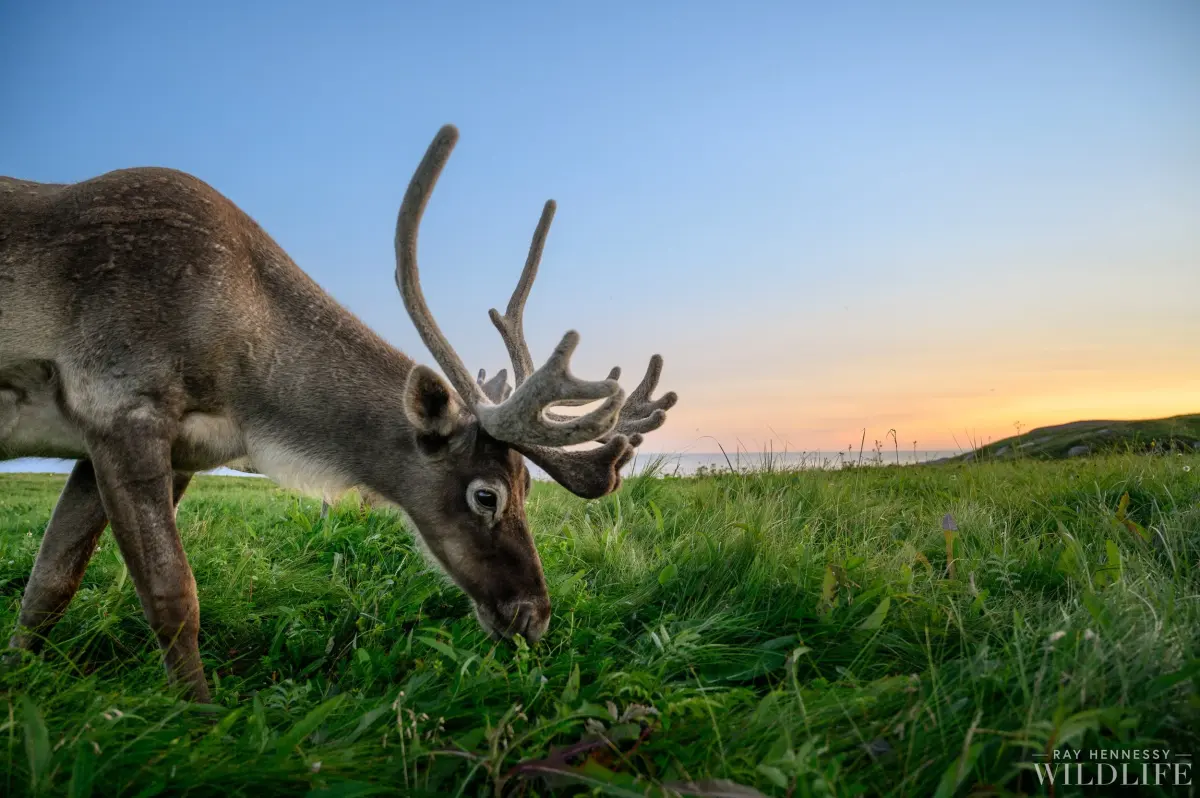
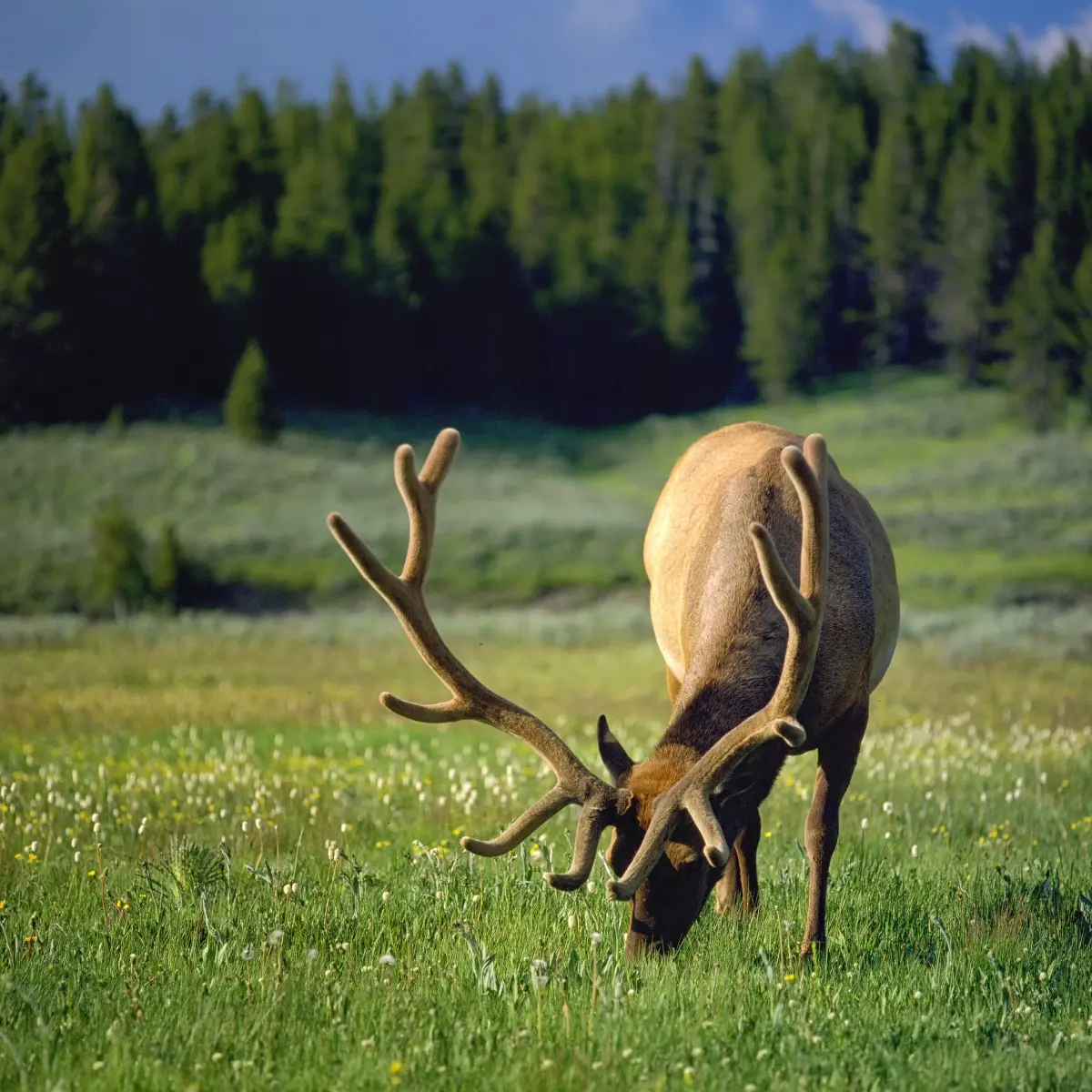
Elk are classified as intermediate feeders, meaning they possess the flexibility to graze on grasses or browse on woody plants depending on what is available. During the spring and summer months, their diet consists primarily of succulent grasses, sedges, and wildflowers known as forbs. These nutrient-dense plants provide the necessary energy for elk to recover from winter and support calf development.
As autumn approaches and vegetation begins to dry out, elk expand their palate to include a wider variety of shrubs and trees. They are particularly fond of aspen, willow, and serviceberry shoots. This dietary plasticity allows them to thrive in diverse ecosystems ranging from high-altitude alpine meadows to dense coniferous forests. Their nutritional requirements are high, with an adult elk consuming approximately 10 to 15 pounds of dry vegetation every single day to maintain its body condition.
How do elk seasonal diets change?
The nutritional intake of an elk is dictated largely by the phenology of plants in their habitat. In the spring, elk follow the "green-up," moving to lower elevations or south-facing slopes where snow melts first to access the most protein-rich new grass growth. This high-quality forage is essential for lactating females and rapidly growing yearlings.
Winter presents the greatest challenge to elk survival. When snow covers the ground, access to grasses becomes difficult, forcing elk to rely on less nutritious food sources. They shift their focus to:
- Conifer needles, such as Douglas fir or pine.
- The inner bark of trees, known as cambium.
- Dried shrubs that remain above the snow line.
- Lichens found on tree trunks and fallen branches.
This transition requires a significant metabolic adjustment, as woody browse is harder to digest than green grass and provides fewer calories.
Why do elk migrate to find food?
Migration is a survival strategy driven almost entirely by the search for optimal forage. Elk herds often travel dozens or even hundreds of miles between summer and winter ranges to track the best food sources. By moving to higher elevations in the summer, they take advantage of the late-season growth of alpine grasses that remain tender long after lowland plants have matured and lost their nutritional value.
When the first heavy snows arrive, elk move back to lower elevations or wind-swept ridges where the snowpack is thinner. This movement is not random; elk have a strong "memory" of specific migration corridors and wintering grounds that have provided sufficient food in the past. Disruptions to these routes, such as new fences, highways, or urban development, can prevent elk from reaching critical winter forage, leading to population declines and increased vulnerability to starvation during severe winters.
Common mistakes when feeding elk
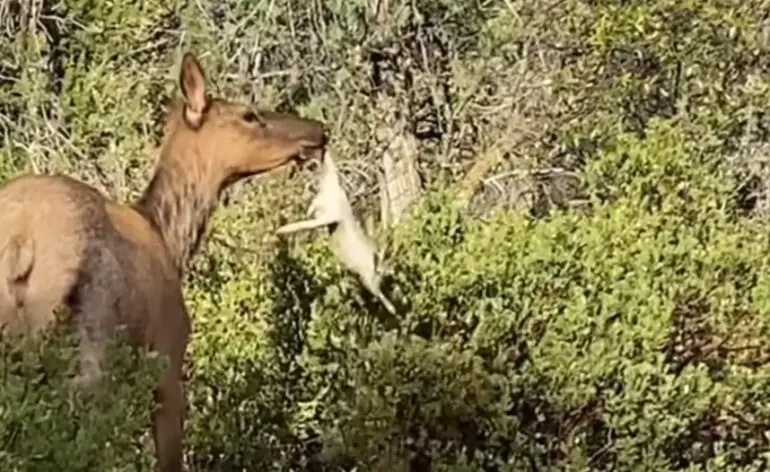
Many people mistakenly believe that providing supplemental food to elk during the winter is a helpful conservation effort. However, feeding elk can lead to several negative outcomes that harm the animals more than they help. Feeding sites often congregate large numbers of elk in small areas, which facilitates the rapid spread of diseases like Chronic Wasting Disease.
Avoid these common errors when interacting with or managing elk:
- Never leave out hay or grain, as these foods can cause digestive distress or fatal bloat in ruminants accustomed to natural browse.
- Do not attempt to attract elk to your property with salt licks or food plots, as this habituates them to humans and increases the risk of vehicle collisions.
- Keep pets away from elk, as the stress of being chased forces the animals to burn precious fat reserves needed for winter survival.
How to identify elk foraging signs
You can determine if elk have been feeding in an area by looking for specific biological markers. Elk leave behind distinct evidence that differs from other ungulates like deer or moose. Their droppings are typically cylindrical pellets, often clumped together, and they leave behind "browse lines" on trees where they have stripped the leaves or bark as high as they can reach.
When observing an area for elk activity, look for these specific signs:
- Shredded bark on young aspen trees, which indicates winter feeding.
- Large, oval-shaped hoof prints in soft mud or snow.
- Clipped twigs on shrubs, which show a clean, diagonal cut characteristic of elk teeth.
- Flattened areas in tall grass where a herd has bedded down after grazing.
By understanding these signs, you can better appreciate the complex relationship between elk and their environment without interfering with their natural survival behaviors.
Key facts
- Elk are ruminants, meaning they have a four-chambered stomach designed to digest fibrous plant material efficiently.
- An adult elk requires between 10 and 20 pounds of dry vegetation daily to maintain its body weight.
- During the summer, elk primarily consume succulent grasses and forbs, which provide high protein for growth and lactation.
- In winter, elk shift their diet to woody browse, including twigs, bark, and needles from trees like aspen, willow, and pine.
- Elk are "intermediate feeders," meaning they switch between grazing on grasses and browsing on shrubs depending on seasonal availability.
- A common mistake is providing supplemental feed, such as hay or grain, which can cause fatal digestive issues like acidosis in wild elk.
The bottom line
Elk are highly adaptable herbivores that adjust their diet based on seasonal plant availability. By transitioning from nutrient-rich grasses in the warmer months to woody browse in the winter, they survive harsh environments. To support healthy elk populations, it is vital to protect their natural habitat rather than attempting to provide supplemental food, which disrupts their complex digestive systems and encourages harmful human-wildlife dependency.
People also ask
Do elk eat the same food all year round?
No, their diet changes significantly with the seasons. They graze on tender grasses in spring and summer, then switch to tougher woody vegetation during the winter months.
Can elk survive on backyard birdseed or garden vegetables?
You should never feed elk, as human food is often nutritionally inappropriate and can cause them to lose their natural fear of people. This behavior often leads to dangerous human-wildlife conflicts and potential culling of the animal.
How much water does an elk need to drink?
An elk typically drinks several gallons of water per day, especially when lactating or during hot summer months. They usually stay near reliable water sources like streams, ponds, or marshes.
Do elk compete with cattle for food?
Yes, elk and cattle often share the same rangelands and compete for the same grasses. This overlap can sometimes lead to tension between wildlife managers and private landowners.
What are forbs and why are they important to elk?
Forbs are broad-leafed herbaceous plants, such as wildflowers and clover, that are not grasses. They are a critical source of high-quality nutrients for elk during the peak growing season.
Do elk eat toxic plants?
While elk are generally good at avoiding poisonous plants, they may consume them if preferred food sources are scarce. Plants like larkspur or death camas can be lethal if ingested in sufficient quantities.
This answer was created with the help of AI research tools and reference sources. Spotted an error? Let us know — we correct mistakes quickly. See our editorial policy.