What is a baby bear called?
Short answer
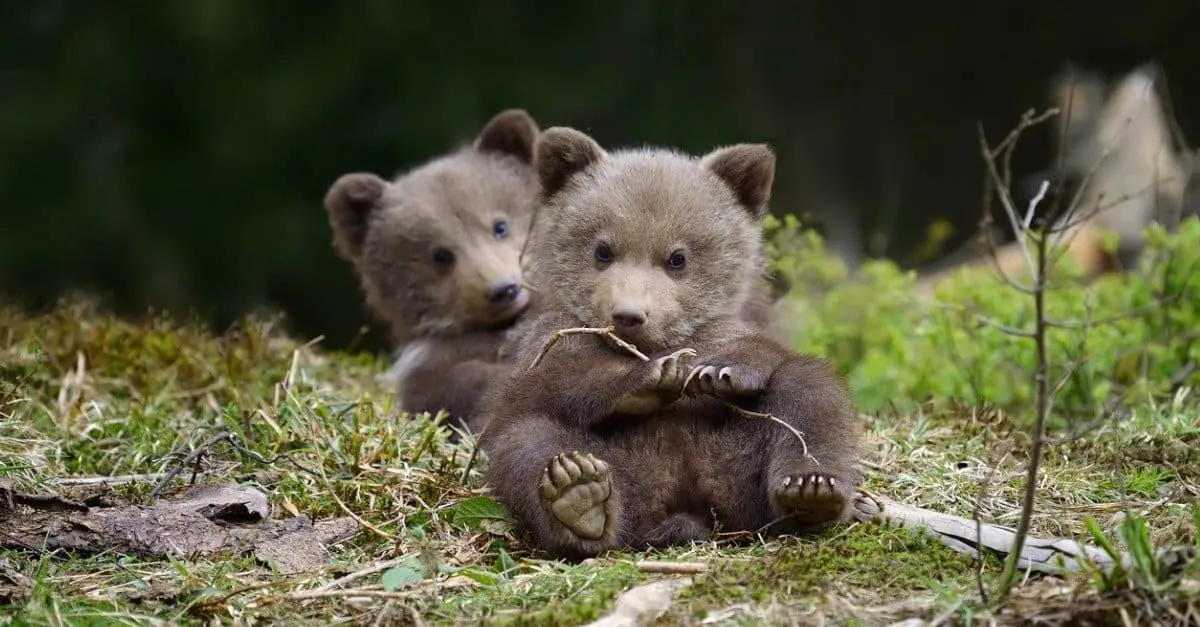
A baby bear is called a cub. This term applies to the young of all eight living bear species, including grizzlies, black bears, and polar bears. Cubs are typically born during the winter while their mothers are in a state of torpor, remaining small and vulnerable until they emerge in the spring.
On this page
What is a baby bear called?
The term "cub" is the standard biological and common name for the offspring of any bear species. While some people occasionally refer to young bears as "whelps," this is technically imprecise and rarely used by wildlife experts or researchers. The classification remains consistent across the Ursidae family, regardless of whether the animal is a giant panda, a sun bear, or a massive Kodiak brown bear.
The development of a cub is a remarkable process that begins in the den. Most bear species exhibit delayed implantation, meaning the fertilized egg does not immediately attach to the uterine wall. This allows the mother to determine if she has sufficient body fat to support a pregnancy during the harsh winter months. If conditions are favorable, the embryo implants and development proceeds rapidly, resulting in cubs that are born remarkably small relative to the mother’s size.
How do bear cubs grow and develop?
At birth, a cub is tiny, blind, and covered in only a thin layer of fur. For example, a newborn black bear cub weighs less than one pound, despite its mother weighing hundreds of pounds. They rely entirely on their mother’s milk, which is exceptionally rich in fat and protein, to fuel their rapid growth during the first few months of life.
As the spring thaw arrives, the cubs emerge from the den and begin to explore their environment. They spend the next year or more learning essential survival skills from their mother, such as foraging for berries, catching fish, and identifying potential threats. This period of dependency is crucial for their long-term survival in the wild. Key milestones in their development include:
- Opening their eyes for the first time at approximately four to six weeks old.
- Taking their first steps outside the den between two and three months of age.
- Weaning off mother’s milk and transitioning to a diet of vegetation and insects.
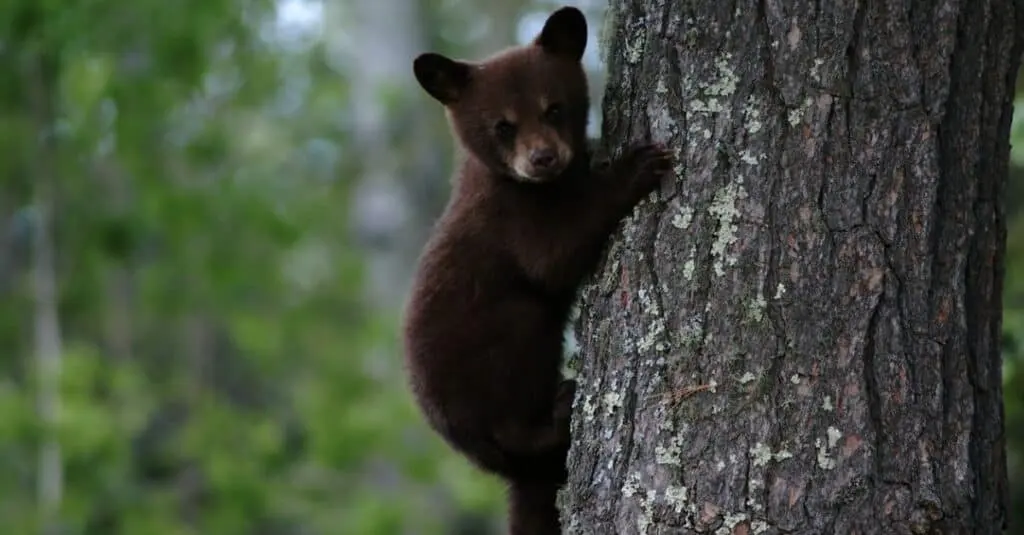
- Developing the coordination needed to climb trees to escape predators.
Why do bear cubs stay with their mothers?
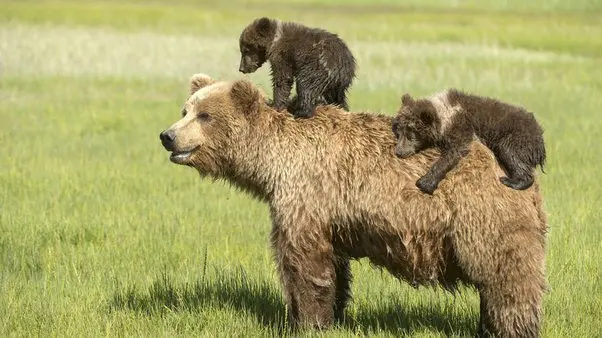
The primary reason for the extended period of maternal care is the complexity of the skills required to survive as an apex predator. A mother bear acts as a teacher, demonstrating how to navigate a territory and find seasonal food sources. Because bears are omnivorous and opportunistic, they must learn to recognize a wide variety of food items that change throughout the year.
Beyond nutritional training, the mother provides vital protection against other male bears, which may pose a threat to the cubs. She also teaches them how to build dens and prepare for the winter hibernation cycle. This social learning is so critical that cubs that become separated from their mothers too early rarely survive to adulthood. The bond typically lasts for about 18 to 24 months, after which the mother chases the cubs away to prepare for her next breeding cycle.
How to identify a bear cub in the wild?
If you encounter a bear cub in the woods, it is essential to recognize the signs of its presence immediately. Cubs are rarely alone, and their mother is almost certainly nearby, even if she is not immediately visible. They are often playful, curious, and vocal, making high-pitched squeaking or humming sounds when they are nursing or feeling distressed.
If you happen to see a cub, follow these safety protocols to ensure both your safety and the animal's well-being:
- Stop moving immediately and remain calm to avoid startling the animals.
- Look around carefully for the mother bear, as she is likely in the immediate vicinity.
- Back away slowly in the direction you came, keeping your eyes on the area without making direct eye contact.
- Never attempt to approach, feed, or photograph a cub, as this can provoke a defensive attack from the mother.
- If you are in a group, stay together and make yourself look larger by raising your arms.
Common mistakes when observing bear cubs?
One of the most frequent errors people make is assuming that a "lost" or "abandoned" cub needs human intervention. In reality, mother bears often leave their cubs in a "safe" tree or a hidden spot while they forage for food nearby. If you find a cub alone, it is almost never truly abandoned; the mother is likely watching from a distance. Attempting to "rescue" the cub causes unnecessary stress and can lead to the mother abandoning her offspring entirely.
Another common mistake is underestimating the defensive nature of a mother bear. A mother will go to extreme lengths to protect her cubs, and she may perceive a human as a threat even from a significant distance. People often make the mistake of thinking they can outrun a bear or climb a tree to escape, but bears are far faster and more capable climbers than humans. Always maintain a respectful distance and prioritize leaving the area quietly rather than trying to get a better look at the animals.
Key facts
- A baby bear is officially called a cub.
- Cubs are born during the mother's winter hibernation period.
- Newborn cubs are remarkably small, often weighing less than one pound.
- A mother bear typically gives birth to a litter of two or three cubs.
- Cubs remain with their mothers for approximately 18 months to two years.
- Never approach a cub in the wild, as the mother bear is likely nearby and highly protective.
The bottom line
A baby bear is known as a cub, a term used across all eight species of bears worldwide. These tiny, vulnerable newborns rely entirely on their mothers for protection and nourishment during their first years of life. Understanding that cubs are rarely alone is vital for safety; if you spot a cub, keep your distance and leave the area immediately to avoid an encounter with an aggressive mother.
People also ask
How long do cubs stay with their mother?
Most bear cubs remain under their mother's care for about one and a half to two years. During this time, they learn essential survival skills like foraging, hunting, and identifying threats.
What do newborn cubs eat?
Newborn cubs rely exclusively on their mother's milk for nourishment during the first few months of life. As they grow and emerge from the den, they begin to transition to a diet of vegetation, berries, and insects.
Do male bears help raise the cubs?
No, male bears do not participate in raising their offspring. In fact, female bears often avoid males to protect their cubs from potential aggression.
How many cubs can a mother bear have at once?
While litter sizes vary by species, most bears typically give birth to two or three cubs. Occasionally, a mother may have a single cub or as many as four in a litter.
Are cubs born with fur?
Yes, most bear cubs are born with a fine layer of hair, though they are still quite vulnerable. They are born blind and helpless, relying entirely on the warmth and protection of the den.
What is the biggest danger to bear cubs?
The primary threats to cubs include starvation, disease, and predation by other bears or large carnivores. Human interference, such as habitat destruction or accidental separation, also poses a significant risk to their survival.
This answer was created with the help of AI research tools and reference sources. Spotted an error? Let us know — we correct mistakes quickly. See our editorial policy.