Are moose dangerous to humans?
Short answer
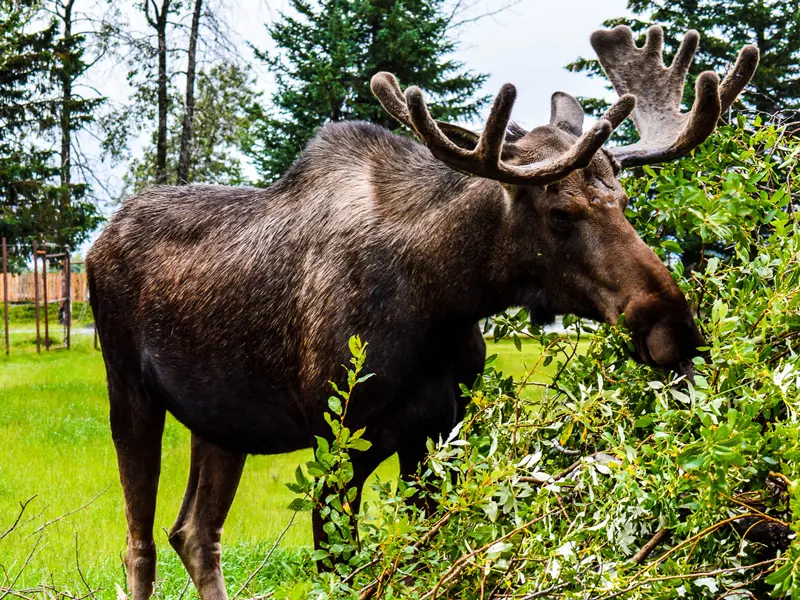
Moose are indeed dangerous to humans and can be more aggressive than bears when provoked or protecting their young. While they generally avoid contact, they possess immense size and power. An adult moose can weigh up to 1,500 pounds, and their defensive charges can cause severe injuries or fatalities during encounters.
On this page
Are moose aggressive toward humans?
Moose are not naturally predatory toward humans, but they are highly territorial and protective animals. Unlike many other large mammals that flee when they sense danger, moose often stand their ground. If a moose feels threatened, cornered, or harassed, it may perceive a human as a direct challenge to its safety. This defensive instinct is particularly strong in cows protecting calves or bulls during the autumn mating season, known as the rut.
When a moose decides to attack, it does not use its antlers as its primary weapon. Instead, it relies on its powerful, sharp hooves to stomp or kick the perceived threat. These strikes can be delivered with incredible speed and force, capable of breaking bones or causing life-threatening internal trauma. Because moose are large, solitary creatures, they do not have a natural fear of humans, which often leads to dangerous close-range interactions in residential areas or along hiking trails.
How to identify signs of a moose attack
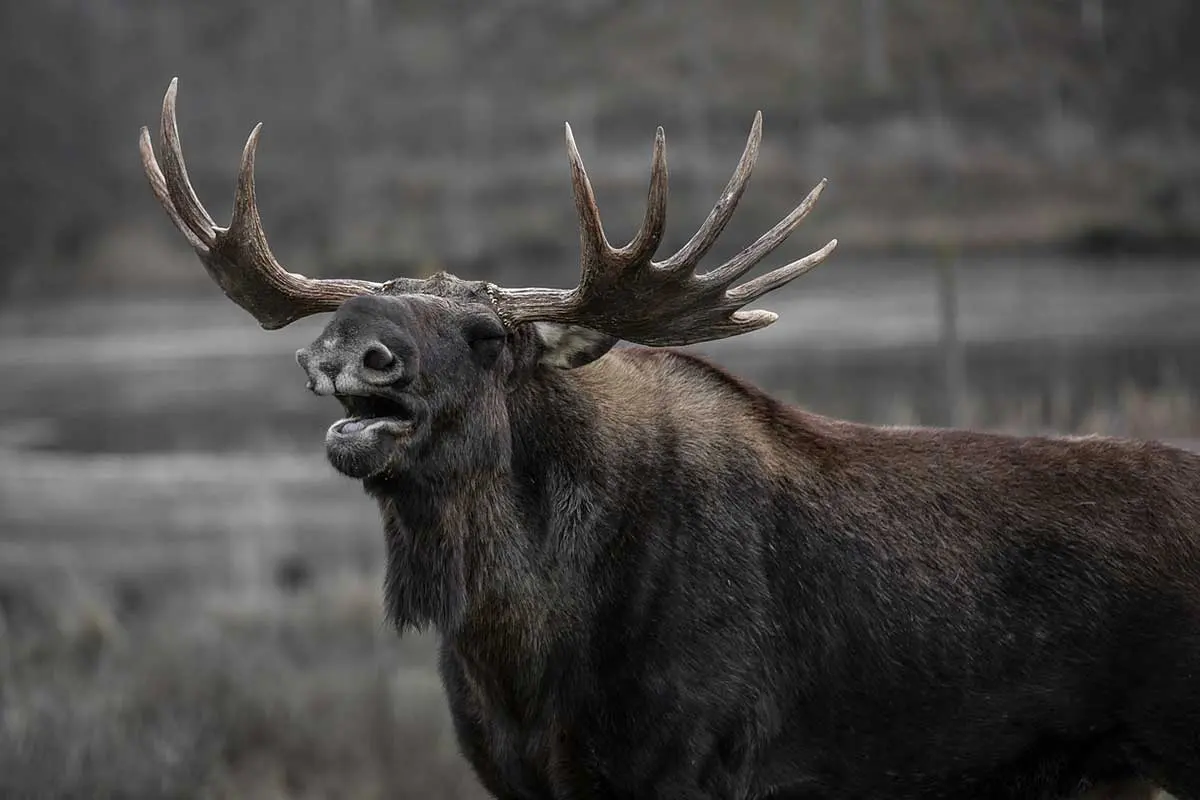
Recognizing the warning signs of an agitated moose is essential for survival in the wilderness. A moose will typically signal its intent to charge through specific body language that indicates it is reaching its limit. By paying attention to these physical cues, you can often retreat before a confrontation becomes physical.
- Ears pinned back flat against the head.
- The long hairs on the neck and shoulders, known as the hackles, standing upright.
- Licking of the snout or smacking of the lips.
- Frequent head lowering or swinging motions.
- Stomping the ground or pawing at the earth.
If you observe these behaviors, you are likely too close. The animal is warning you that it is prepared to defend itself. Never attempt to stare down a moose or approach it to get a better photograph, as these actions are viewed as aggressive posturing by the animal.
What to do if you encounter a moose
If you find yourself in close proximity to a moose, your primary goal should be to create distance calmly and quietly. Do not run, as this may trigger the animal’s predatory chase instinct, and you will not be able to outrun a moose in rugged terrain. Instead, keep your eyes on the animal while slowly backing away in the direction you came.
- Remain calm and speak in a low, monotone voice to signal that you are not a threat.
- Slowly move behind a large object, such as a thick tree or a boulder, to create a physical barrier.
- If the moose charges, run as fast as possible and hide behind a solid obstacle.
- If you are knocked down, curl into a ball to protect your head and neck with your hands.
- Stay down until the moose moves a safe distance away, as it may return if it still feels threatened.
Common mistakes when encountering moose
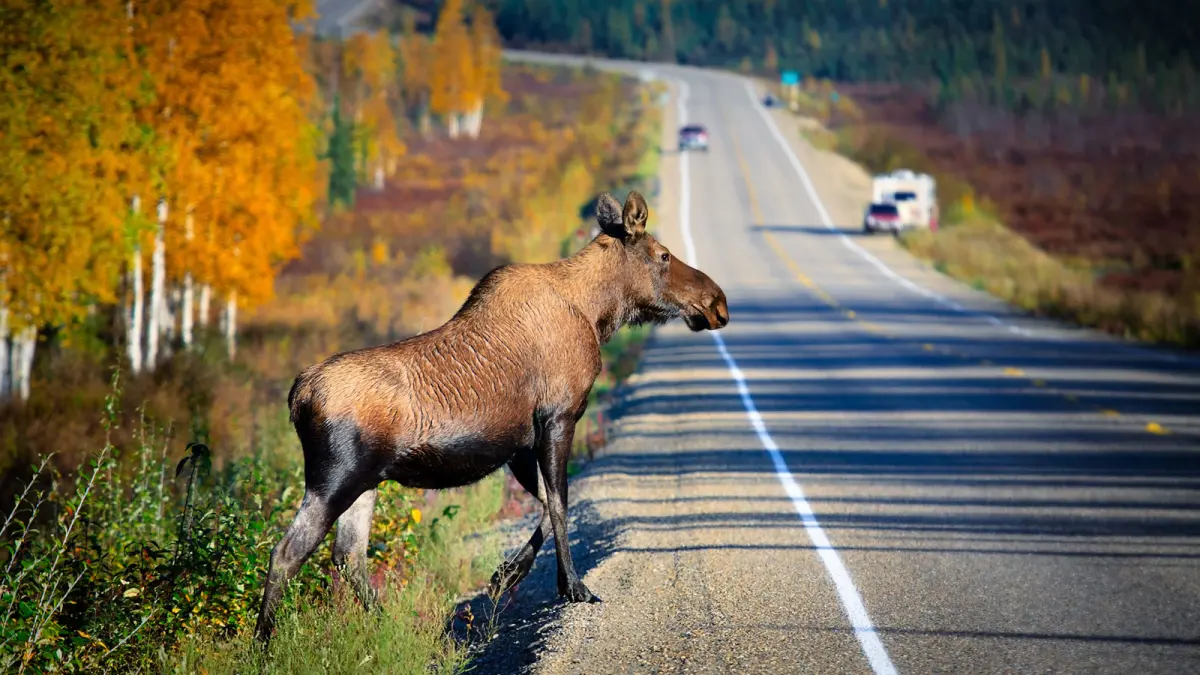
One of the most frequent errors people make is underestimating the speed and agility of these massive animals. Many hikers assume that because a moose looks cumbersome, it cannot move quickly. In reality, a moose can sprint at speeds of up to 35 miles per hour and navigate deep snow or dense brush with ease. Attempting to outmaneuver a moose in its own habitat is a fatal mistake that often leads to injury.
Another common error is bringing dogs into areas where moose are known to congregate. Dogs are perceived by moose as wolves, their primary natural predator. When a dog barks at or chases a moose, the animal will often become enraged and charge the dog, which inevitably leads the moose back to the owner. Always keep your dog on a short leash in moose country, or leave your pet at home if you plan to traverse high-density moose habitats.
How to stay safe in moose country
Prevention is the most effective strategy for avoiding dangerous encounters. When hiking or camping in regions like Alaska, Canada, or the northern United States, stay alert and maintain awareness of your surroundings. Avoid wearing headphones that prevent you from hearing the heavy footsteps or snapping branches that announce a moose's presence. If you are hiking in dense brush, make occasional noise to ensure you do not surprise an animal resting in the shade.
If you live in an area where moose frequently enter residential yards, do not attempt to feed or approach them for a better look. Keep your property clear of attractants like pet food or bird feeders, which can draw moose closer to your home. By maintaining a respectful distance and understanding the behavioral patterns of these powerful creatures, you can coexist safely in the wild without inviting unnecessary conflict or risking your personal safety.
Key facts
- Moose are generally solitary and non-aggressive, but they become highly defensive if they feel threatened, cornered, or harassed.
- An adult moose can weigh up to 1,500 pounds, making them significantly larger and more powerful than a human.
- Unlike bears, moose are not predators; they attack humans primarily as a defensive reaction to perceived danger.
- Warning signs of an impending charge include laid-back ears, raised hackles on the neck, and frequent licking of the snout.
- In Alaska, moose injure more people annually than bears do, largely due to the higher frequency of human-moose encounters in urban areas.
- If a moose charges, you should run away as quickly as possible and attempt to put a large object, such as a tree or vehicle, between you and the animal.
The bottom line
While moose are not naturally aggressive, their immense size and defensive nature make them dangerous when provoked or startled. Most encounters can be managed by maintaining a respectful distance, keeping pets leashed, and recognizing the animal's warning signs. By prioritizing awareness and retreating calmly when necessary, you can safely coexist with these iconic mammals and avoid the risks associated with close-range interactions in the wilderness.
People also ask
What should I do if I encounter a moose on a trail?
Give the animal plenty of space and slowly back away in the direction you came. Do not attempt to walk past the moose if it is blocking the path, as this may be perceived as a challenge.
Do moose attack dogs?
Yes, moose often view dogs as a threat resembling wolves, their natural predator. Keep your dog leashed at all times in moose country to prevent it from provoking an attack.
Should I play dead if a moose attacks me?
No, playing dead is ineffective against a moose because they are not hunting you for food. If a moose knocks you down, get up and continue trying to reach safety or shelter.
Are female moose more dangerous than males?
Cows with calves are exceptionally protective and are considered more aggressive than bulls during the spring and summer. Always maintain a greater distance if you spot a calf nearby.
Can I outrun a moose?
You cannot outrun a moose, as they can reach speeds of 35 miles per hour and navigate rough terrain easily. Your best chance is to hide behind a solid barrier like a large tree or a boulder.
Is it safe to feed moose?
Feeding moose is dangerous and illegal in many jurisdictions, as it habituates them to humans and increases the likelihood of aggressive encounters. Keep food stored securely and never approach them for photos.
This answer was created with the help of AI research tools and reference sources. Spotted an error? Let us know — we correct mistakes quickly. See our editorial policy.