Are crocodiles dangerous to humans?
Short answer
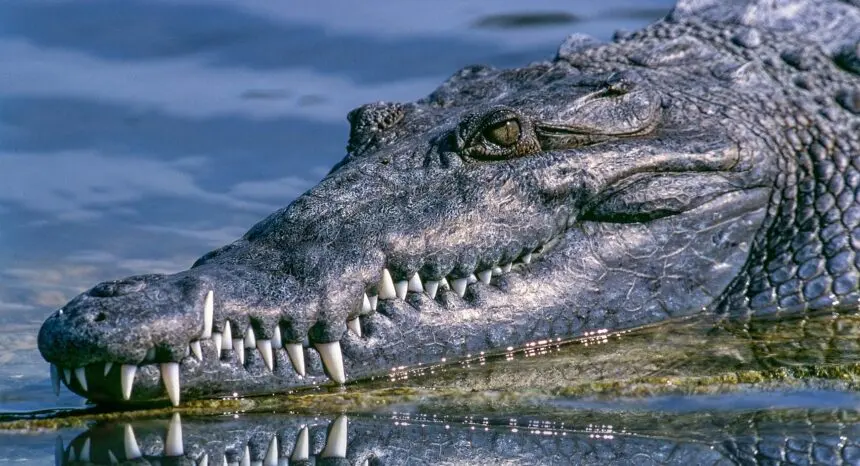
Yes, crocodiles are extremely dangerous to humans. As apex predators, they are ambush hunters that view humans as potential prey. While not all species are equally aggressive, large crocodiles like the Saltwater and Nile species are responsible for hundreds of fatal attacks annually, making them a significant threat in their natural habitats.
On this page
Which crocodile species are most dangerous?
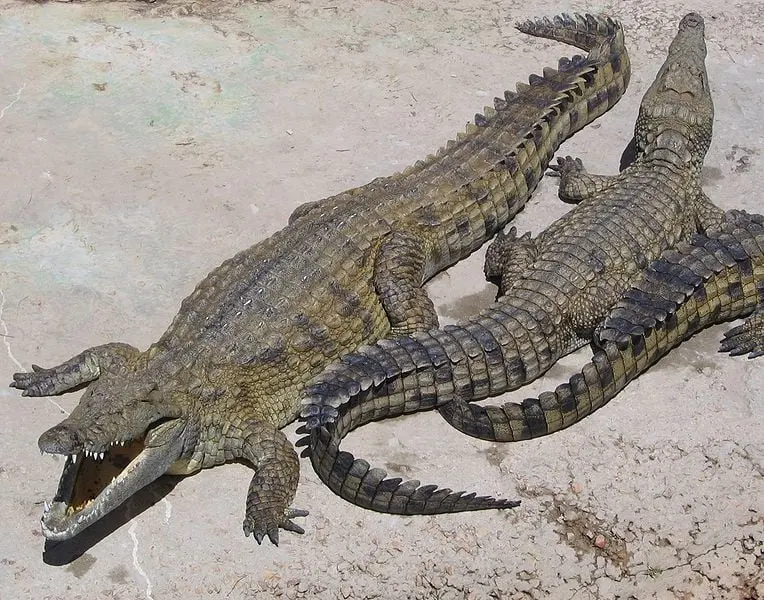
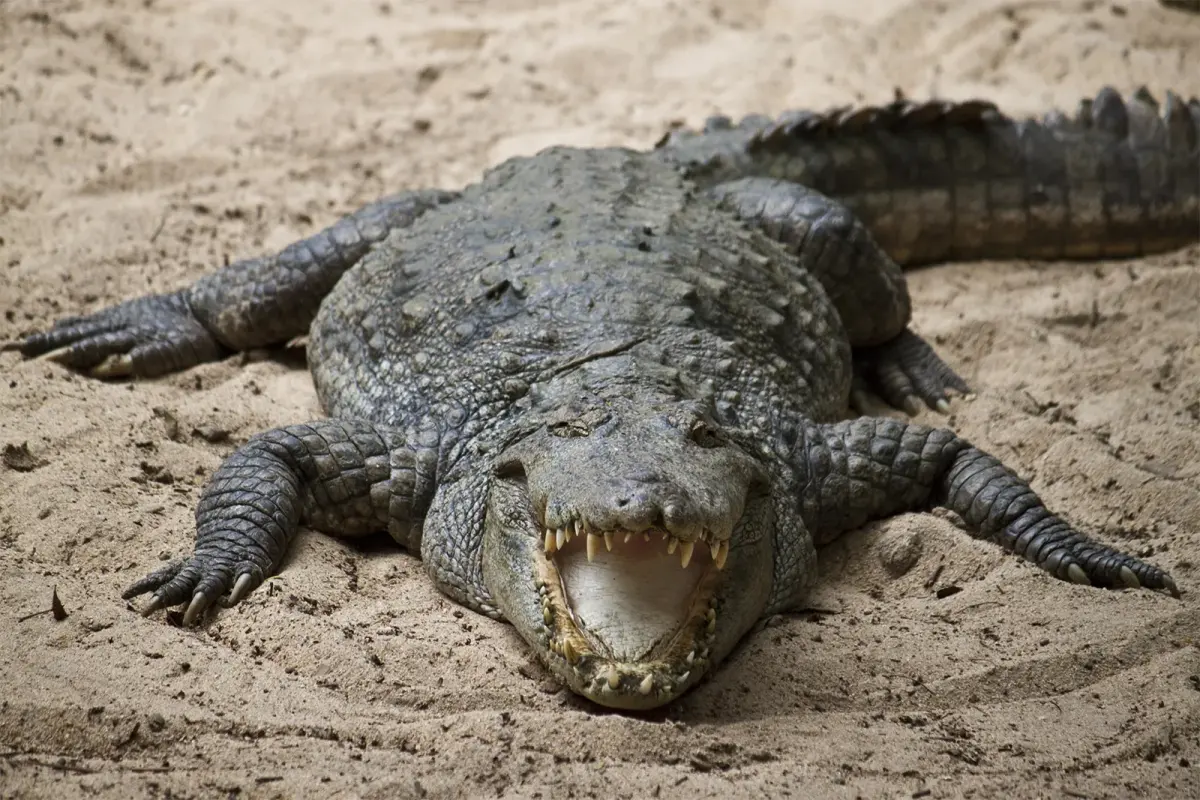
Not all crocodiles pose an equal threat to humans, but the largest species are undeniably lethal. The Saltwater crocodile (Crocodylus porosus) and the Nile crocodile (Crocodylus niloticus) are the two species most frequently involved in fatal attacks. These animals are highly territorial and possess immense bite force, capable of dragging large prey underwater with ease.
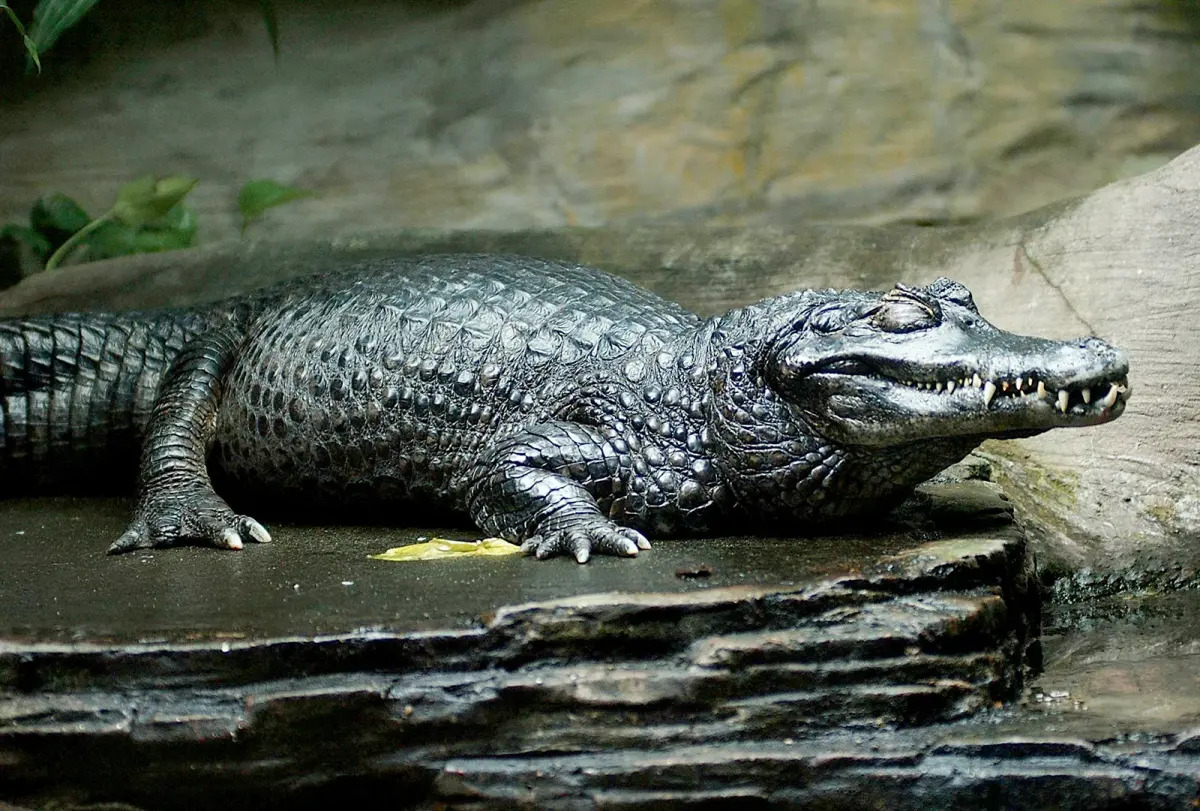
Smaller species, such as the freshwater crocodile or the dwarf crocodile, are generally less aggressive toward humans. However, even these smaller animals can inflict severe, infection-prone wounds if they feel threatened or cornered. Regardless of the species, it is a dangerous mistake to underestimate any crocodile. Their speed on land and agility in the water make them formidable adversaries in any encounter.
Why do crocodile attacks happen?
Crocodile attacks are almost always driven by instinct rather than malice. These reptiles are ambush predators that rely on camouflage and surprise to secure food. When a human enters their territory, the crocodile may perceive the person as a threat to their nest or as a source of food. Attacks often occur near the water's edge, where the crocodile can launch a sudden, powerful strike.
Several factors increase the likelihood of an attack:
- Entering murky water where visibility is low.
- Swimming at dawn or dusk, which are peak hunting hours.
- Approaching nesting sites, as females are fiercely protective of their young.
- Discarding food scraps near water, which attracts crocodiles to human activity.
Understanding these triggers is essential for safety. By avoiding these high-risk behaviors, you significantly reduce the chance of a predatory encounter.
How to stay safe in crocodile territory
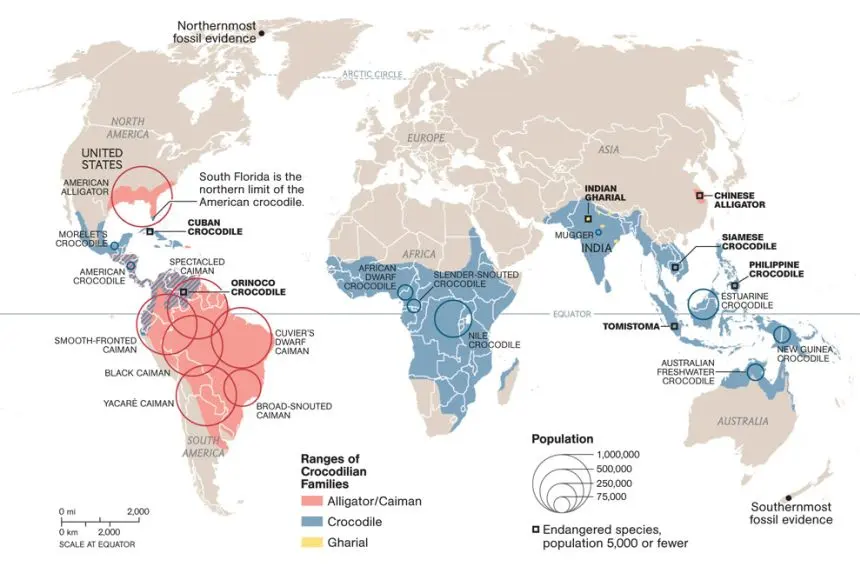
If you are traveling in regions where crocodiles live, such as parts of Northern Australia, Africa, or Southeast Asia, vigilance is your primary defense. Always heed warning signs posted by local authorities and avoid swimming in rivers, lakes, or estuaries known to host large populations. Even if a body of water appears calm, a crocodile could be submerged just below the surface.
Follow these safety protocols to minimize risk:
- Stay at least five meters away from the water's edge, even when fishing or standing on a bank.
- Avoid cleaning fish or preparing food near the water, as the scent attracts predators.
- Use designated boat ramps or piers rather than wading into the water.
- Keep pets and children away from the shoreline, as they are particularly vulnerable.
Never assume that because you have not seen a crocodile, the area is safe. These animals are masters of stealth and can remain motionless for hours.
What to do if you encounter a crocodile
If you spot a crocodile, maintain a safe distance and back away slowly. Do not attempt to photograph it or get closer for a better look. If you are on land and a crocodile charges, run in a straight line away from the water. Despite their reputation for being slow on land, they can sprint short distances very quickly; however, they tire easily and lack long-distance endurance.
If you are attacked, the situation is dire and requires immediate action. Experts suggest the following:
- If grabbed, strike the crocodile's eyes, which are its most sensitive points.
- Aim for the snout or the soft tissue under the throat, as these areas are vulnerable.
- If you are being dragged into the water, do not stop fighting until you reach solid ground.
- Seek emergency medical attention immediately, as crocodile bites carry high risks of severe infection from bacteria in their mouths.
Common mistakes when around crocodiles
The most common mistake people make is complacency. Many victims of crocodile attacks were locals who had lived near the water for years and believed they understood the animals' behavior. Familiarity often leads to a false sense of security, causing individuals to take risks like wading into shallow water or swimming in known habitats. Never let your guard down simply because an area seems quiet.
Another frequent error is ignoring environmental cues. If birds or other animals are suddenly fleeing an area or acting agitated, it may indicate a predator is nearby. Additionally, failing to research local wildlife before visiting a new region is a significant oversight. Always check with local park rangers or guides about the current activity levels of crocodiles in the area. By remaining aware of your surroundings and respecting the power of these ancient predators, you can safely enjoy environments where crocodiles reside.
Key facts
- Saltwater and Nile crocodiles are the most aggressive species and pose the highest risk of fatal attacks on humans.
- Crocodiles are ambush predators that rely on stealth, often remaining submerged near the water's edge until they strike.
- Attacks frequently occur in murky water where visibility is low, making it nearly impossible to spot a lurking reptile.
- Never swim in areas known to inhabit crocodiles, even if the water appears calm or safe at the moment.
- If you encounter a crocodile on land, maintain a distance of at least 15 to 20 feet and back away slowly without turning your back.
- Avoid cleaning fish or discarding food scraps near water edges, as these activities attract crocodiles to human-frequented areas.
The bottom line
Crocodiles are formidable apex predators that demand extreme caution and respect. While unprovoked attacks are relatively rare, they are often lethal due to the animal's immense bite force and ambush tactics. The most effective way to stay safe is to avoid entering waters known to harbor these reptiles. By maintaining a safe distance and respecting warning signs, you can significantly reduce the risk of a dangerous encounter.
People also ask
Do crocodiles hunt humans for food?
Humans are not a natural part of a crocodile's diet. However, large crocodiles are opportunistic predators that will attack anything they perceive as prey or a threat to their territory.
Can I outrun a crocodile on land?
While crocodiles are generally sluggish on land, they can reach short bursts of speed up to 10–12 miles per hour. It is a dangerous mistake to underestimate their agility during a charge.
Are all crocodile species dangerous?
Not all species are equally aggressive. Smaller species like the dwarf crocodile are generally shy, but any crocodile over six feet long should be considered a serious threat.
What should I do if a crocodile grabs me?
Experts recommend striking the crocodile in its most sensitive areas, specifically the eyes or the palatal valve in its throat. This may cause the animal to release its grip, allowing you to escape.
Do crocodiles only attack at night?
Crocodiles are active both day and night. While they often hunt under the cover of darkness, they remain highly dangerous during daylight hours, especially when basking or protecting nests.
Is it safe to approach a crocodile if it is on a riverbank?
Never approach a crocodile, even if it appears to be sleeping or sunbathing. They possess rapid reflexes and can launch themselves into the water or toward an intruder in a fraction of a second.
This answer was created with the help of AI research tools and reference sources. Spotted an error? Let us know — we correct mistakes quickly. See our editorial policy.