What is Seattle known for?
Short answer
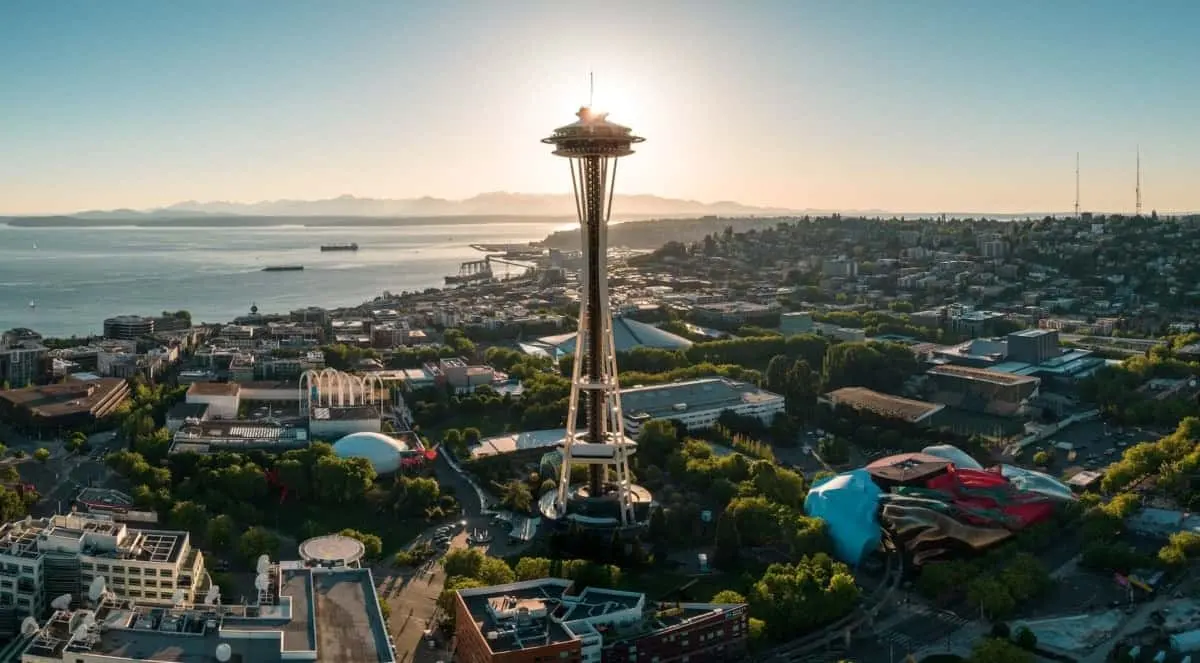
Seattle is globally recognized as a hub for technology, aerospace, and coffee culture. Nestled between Puget Sound and Lake Washington, the city serves as the birthplace of companies like Amazon and Starbucks. It is also famous for its rainy climate, vibrant grunge music history, and iconic landmarks like the Space Needle.
On this page
Why is Seattle famous for coffee?
Seattle’s reputation as the coffee capital of the United States began in 1971 when the first Starbucks opened in Pike Place Market. This sparked a local obsession with high-quality, roasted beans that transformed the city into a epicenter for independent cafes and artisanal roasters. Today, the city boasts one of the highest concentrations of coffee shops per capita in the country, fostering a culture where espresso is treated with culinary precision.
The local coffee scene is defined by a commitment to fair-trade practices and unique regional roasting styles. Visitors will find that many neighborhood cafes prioritize single-origin beans and sustainable sourcing. To truly experience this culture, consider these common local favorites:
- Espresso Vivace, known for pioneering Northern Italian-style roasting.
- Victrola Coffee Roasters, famous for their small-batch, direct-trade approach.
- Monorail Espresso, a historic street-side stand that helped define the city's grab-and-go coffee culture.
How to visit the Space Needle and Pike Place Market
The Space Needle and Pike Place Market are the two most recognizable landmarks in Seattle. Built for the 1962 World’s Fair, the Space Needle stands 605 feet tall and offers panoramic views of the Olympic Mountains and the Seattle skyline. Meanwhile, Pike Place Market remains one of the oldest continuously operated public farmers' markets in the United States, famous for its fish-throwing vendors and the original Starbucks storefront.
When planning your visit to these locations, follow these steps to manage your time effectively:
- Purchase tickets for the Space Needle online in advance to avoid long queues during peak summer hours.
- Arrive at Pike Place Market before 9:00 AM on a weekday to navigate the narrow corridors before the heavy tourist crowds arrive.
- Wear comfortable walking shoes, as the market is built on a steep hill with uneven cobblestone streets.
- Check the weather forecast, as the observation deck at the Space Needle can be quite windy and chilly even on clear days.
What is the weather like in Seattle?
Seattle is frequently associated with persistent rain, though the city actually receives less annual precipitation than many cities on the East Coast. The "Seattle rain" is typically a light, consistent drizzle or mist that lasts for several months during the autumn and winter. This climate is responsible for the city’s lush, evergreen landscape, which earned it the nickname "The Emerald City." Summers, by contrast, are famously dry, mild, and sunny, making July and August the most popular months for tourism.
A common mistake is assuming that you need a heavy umbrella; most locals prefer high-quality waterproof jackets with hoods. Umbrellas are often cumbersome in crowded downtown areas and can be easily damaged by the gusty winds coming off the Puget Sound. If you visit during the winter, prepare for short daylight hours, as the city’s northern latitude causes sunset to occur as early as 4:15 PM in December.
Why is Seattle a technology and aerospace hub?
The city’s economic landscape is dominated by global giants in technology and aerospace. Boeing established its roots in the region in 1916, creating a massive manufacturing presence that still defines the local economy today. In the late 20th century, the rise of Microsoft in nearby Redmond and the subsequent growth of Amazon in the South Lake Union neighborhood solidified Seattle’s status as a premier destination for software engineering and innovation.
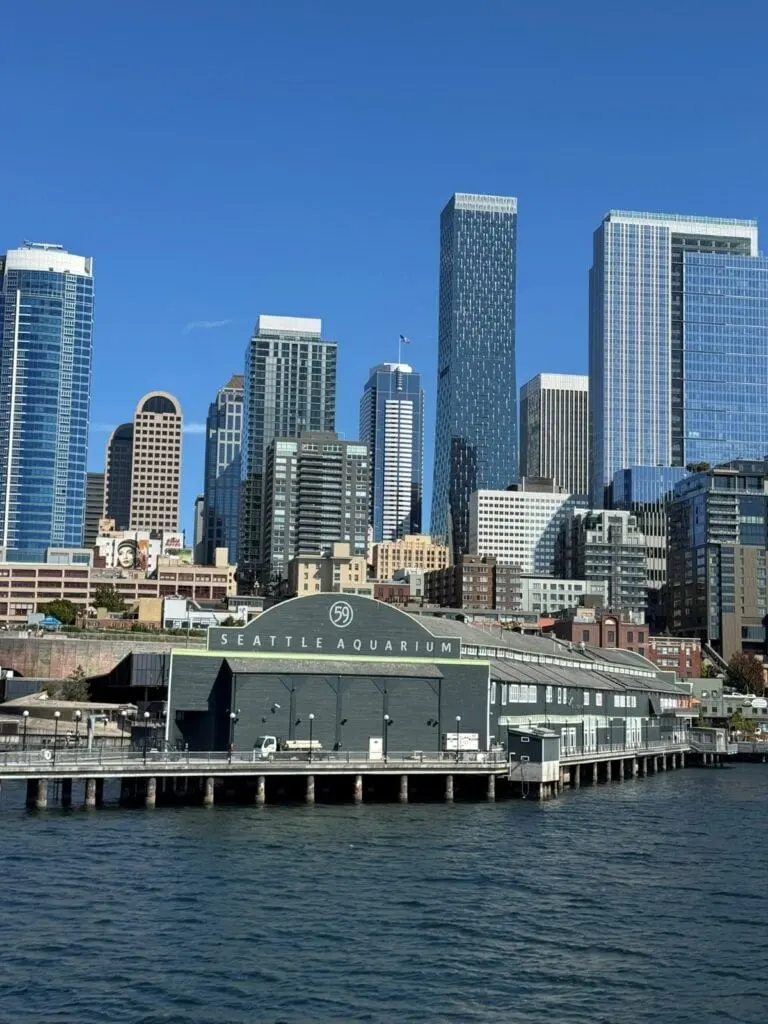
This concentration of industry has led to a highly educated workforce and a rapid transformation of the urban skyline. The influx of tech talent has spurred significant growth in the city's dining, arts, and residential sectors. While this development has driven prosperity, it has also led to challenges regarding housing affordability and traffic congestion. Visitors interested in this history should visit the Museum of Flight, which houses an extensive collection of aircraft that trace the evolution of aviation from the early 20th century to the modern space age.
Common mistakes when exploring Seattle neighborhoods
Many travelers make the mistake of staying exclusively in the downtown core, missing out on the unique character of the city's diverse neighborhoods. Areas like Capitol Hill, Ballard, and Fremont offer distinct cultural experiences that are essential to understanding the local identity. Capitol Hill is the center of the city’s nightlife and LGBTQ+ community, while Ballard is known for its Scandinavian heritage and thriving maritime industry. Fremont, often called the "Center of the Universe," features eccentric public art, including a massive troll sculpture living under a bridge.
To avoid a disjointed experience, keep these tips in mind when navigating the city:
- Do not rely solely on rental cars, as parking is expensive and often difficult to find in dense neighborhoods.
- Utilize the Link Light Rail to travel between the airport, downtown, and the University of Washington efficiently.
- Explore the neighborhood "villages" on foot to discover hidden parks, independent bookstores, and local breweries.
- Always carry a light layer, as temperatures can drop significantly once the sun goes down behind the mountains.
Key facts
- Seattle is home to the Space Needle, a 605-foot observation tower built for the 1962 World's Fair.
- The city is the global headquarters for major corporations including Amazon, Starbucks, and Nordstrom.
- Pike Place Market, founded in 1907, is one of the oldest continuously operated public farmers' markets in the United States.
- The city experiences a temperate marine climate, receiving an average of 37 inches of rainfall annually, which is less than many East Coast cities.
- Seattle is the birthplace of the grunge music movement, gaining international fame in the 1990s through bands like Nirvana and Pearl Jam.
- Visitors should avoid calling the city "The Emerald City" in casual conversation, as locals rarely use the nickname despite its popularity in tourism marketing.
The bottom line
Seattle is a vibrant hub of innovation, culture, and natural beauty situated between the Puget Sound and Lake Washington. Known for its iconic skyline, thriving tech industry, and deep-rooted music history, the city offers a unique blend of urban sophistication and outdoor accessibility. Whether exploring historic markets or enjoying the Pacific Northwest landscape, visitors find a city defined by its forward-thinking spirit and maritime heritage.
People also ask
Is it always raining in Seattle?
While Seattle has a reputation for constant drizzle, it actually receives less annual rainfall than cities like New York or Miami. Most precipitation occurs as light mist or overcast skies between October and May.
What is the best way to get around the city?
The Link light rail is the most efficient way to travel from Seattle-Tacoma International Airport to downtown. Within the city, buses and the monorail are practical, though walking is often the best way to explore dense neighborhoods like Capitol Hill.
Should I visit the original Starbucks store?
The original Starbucks at Pike Place Market is a popular tourist site, but lines are often over an hour long. You can experience the same coffee quality at dozens of other locations throughout the city without the wait.
What is the significance of the Seattle waterfront?
The waterfront is currently undergoing a massive multi-year renovation to replace the former Alaskan Way Viaduct. It serves as a hub for ferry terminals, the Great Wheel, and the Seattle Aquarium.
Is Seattle an expensive city to visit?
Seattle consistently ranks among the most expensive cities in the United States for dining and lodging. Budget travelers should look for hotels outside the downtown core and utilize the city's extensive park system for free entertainment.
What is the best time of year to visit?
July and August offer the most consistent sunshine and pleasant temperatures for outdoor activities. These months are peak tourist season, so booking accommodations several months in advance is essential.
This answer was created with the help of AI research tools and reference sources. Spotted an error? Let us know — we correct mistakes quickly. See our editorial policy.