Are penguins endangered?
Short answer
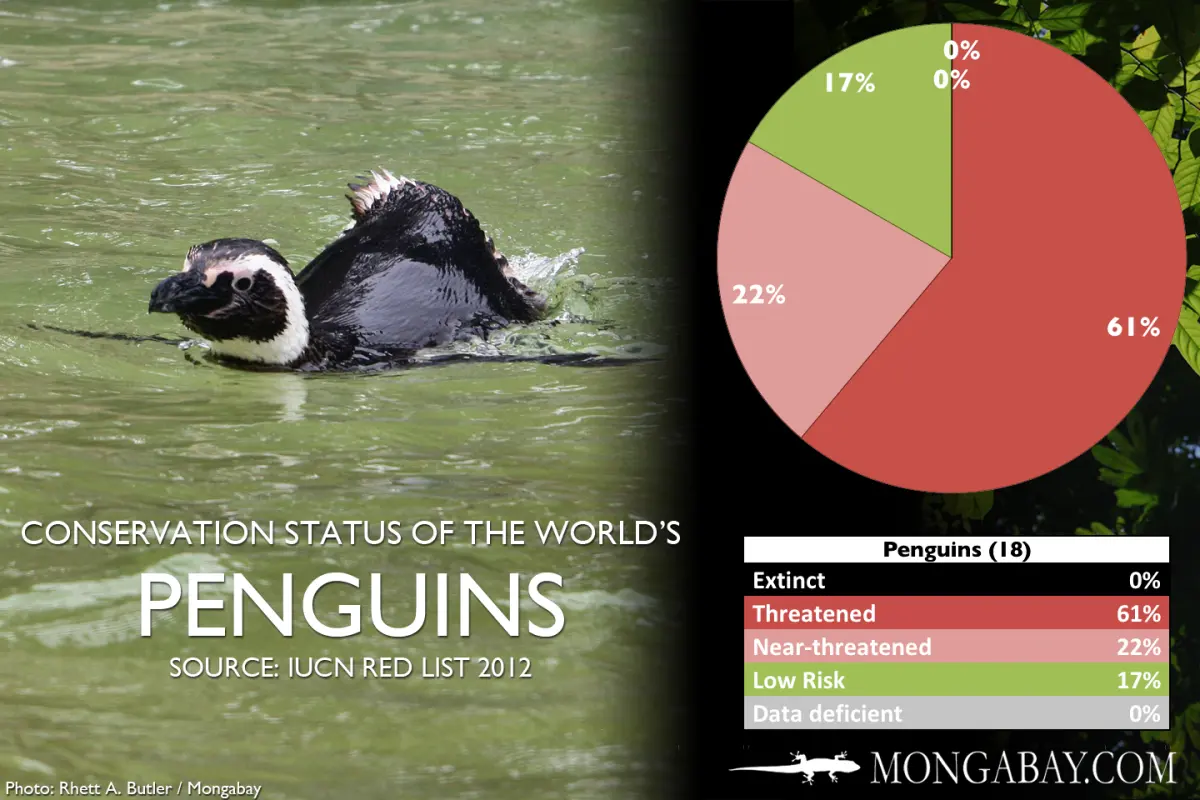
Penguins are not a single species, and their conservation status varies significantly. Of the 18 recognized species, most are currently classified as threatened or endangered by the International Union for Conservation of Nature (IUCN). Factors like climate change, overfishing, and habitat loss place many populations at high risk of extinction today.
On this page
Which penguin species are endangered?
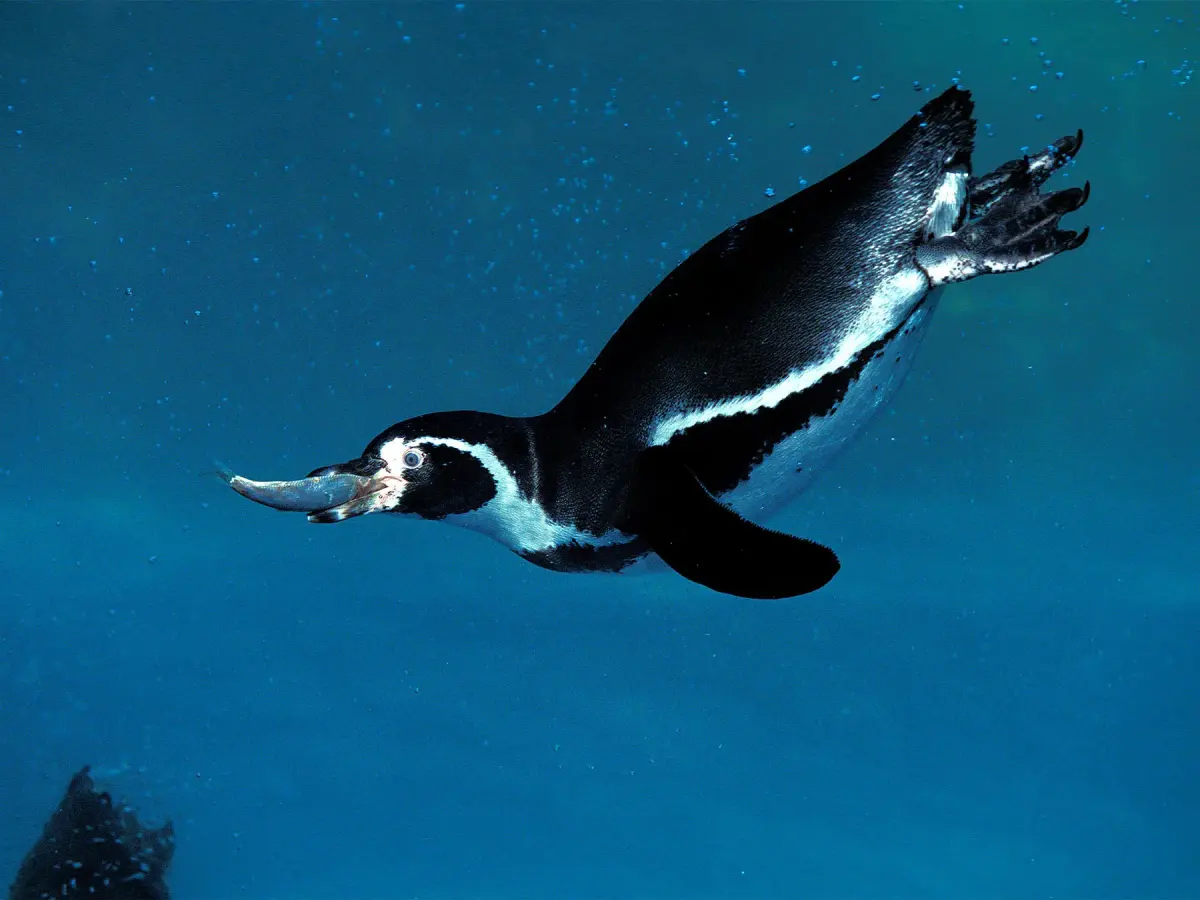
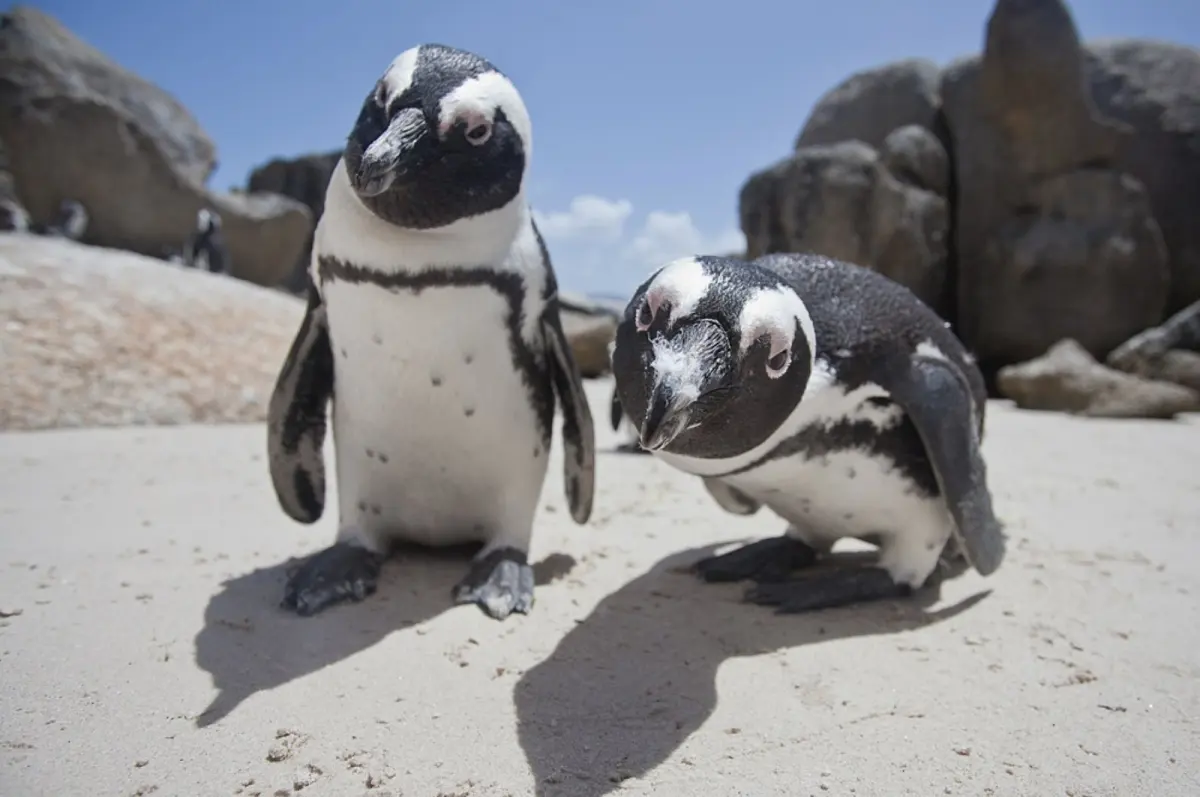
The conservation status of penguins is diverse, ranging from "Least Concern" to "Endangered." The Galapagos penguin and the African penguin are currently listed as endangered, facing severe population declines due to environmental shifts. Meanwhile, the yellow-eyed penguin of New Zealand is considered one of the rarest in the world, with fewer than 2,000 breeding pairs remaining.
Not all species are equally threatened, but the trend is concerning. The IUCN Red List provides the following classifications for some of the most well-known species:
- African Penguin: Endangered
- Galapagos Penguin: Endangered
- Yellow-eyed Penguin: Endangered
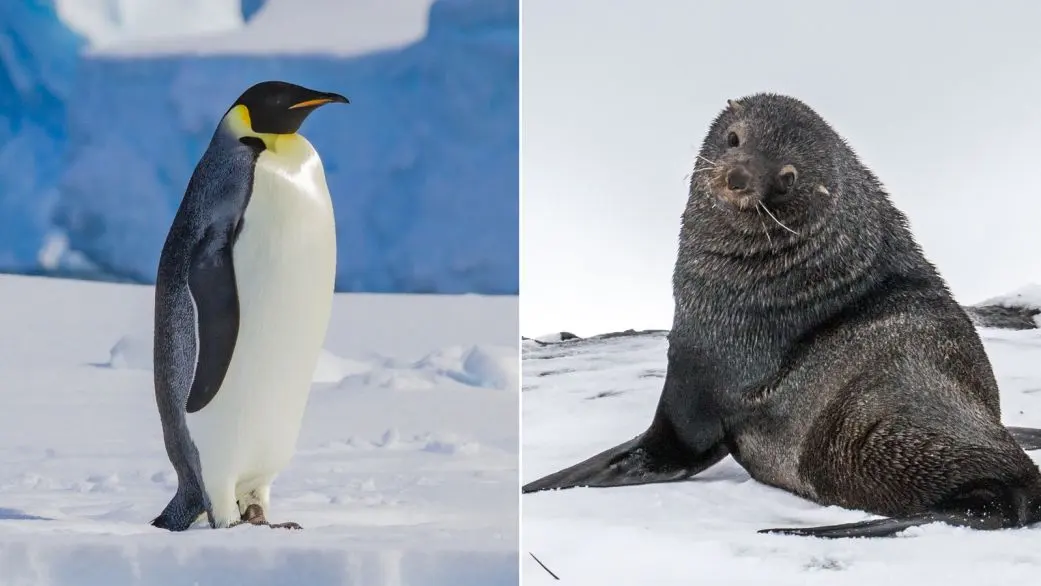
- Emperor Penguin: Near Threatened
- Adélie Penguin: Least Concern
While species like the Adélie penguin currently maintain stable populations, they remain vulnerable to the rapid loss of sea ice. Because penguins rely on specific marine environments for food and breeding, even those currently classified as "Least Concern" are monitored closely for signs of decline.
Why are penguin populations declining?
The primary driver of penguin population decline is the rapid alteration of marine ecosystems. Climate change is the most significant threat, as it disrupts the availability of krill and small fish, which are the primary food sources for most penguin species. As ocean temperatures rise, these prey species shift their ranges toward cooler waters, forcing penguins to travel further from their nesting sites to forage.
Human activity also plays a substantial role in the decline of these birds. Overfishing depletes the food supply, while pollution from oil spills and plastic waste creates immediate hazards. Furthermore, the loss of nesting habitat due to coastal development and human disturbance prevents penguins from successfully raising their chicks. Many penguin colonies are also susceptible to introduced predators, such as rats and cats, which prey on eggs and vulnerable hatchlings.
How does climate change affect penguins?
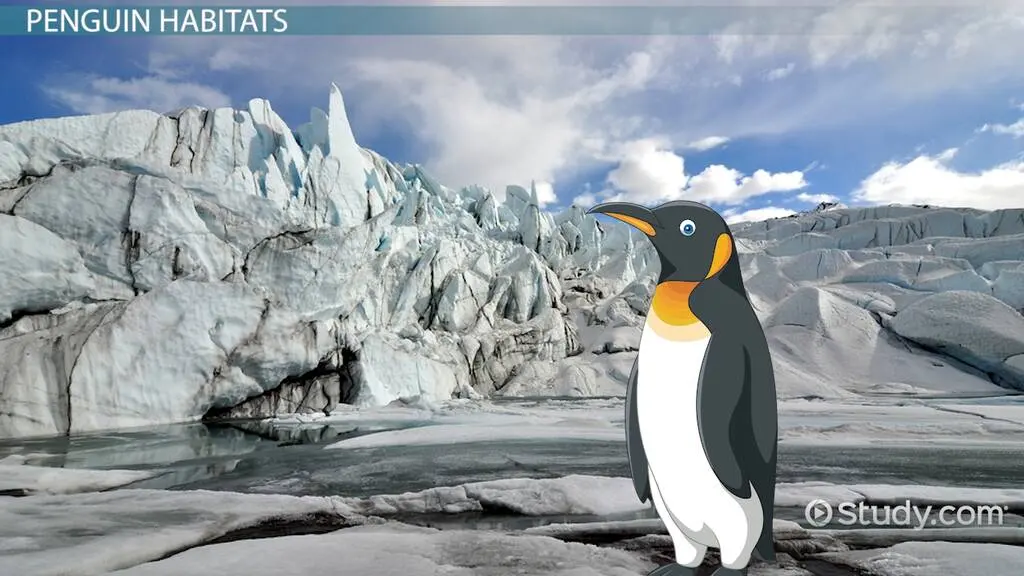
Climate change impacts penguins by altering the physical environment they depend on for survival. For ice-dependent species like the Emperor penguin, the loss of stable sea ice is critical. Emperor penguins require thick, fast ice for breeding and molting; if the ice breaks up too early in the season, chicks may drown or fail to develop the necessary waterproof plumage to survive in the frigid ocean.
For temperate species, the impact is felt through changing ocean currents. The El Niño-Southern Oscillation, which is intensified by climate change, causes massive fluctuations in water temperature. This disrupts the upwelling of nutrient-rich water, leading to a collapse in the food chain. When food becomes scarce, adult penguins are forced to abandon their nests or fail to provide enough nourishment for their young, leading to high mortality rates during breeding cycles.
How can people help protect penguins?
Individual actions, when scaled up, can contribute to the long-term survival of penguin populations. Supporting sustainable seafood choices is one of the most effective ways to reduce pressure on the marine ecosystems that penguins rely on. By choosing fish certified by organizations like the Marine Stewardship Council, consumers help prevent the overfishing of krill and small forage fish.
- Research your seafood purchases to ensure they are caught using methods that do not harm the marine food web.
- Reduce your carbon footprint by minimizing energy consumption and supporting policies that address global climate change.
- Support reputable conservation organizations that monitor penguin colonies and advocate for the protection of marine habitats.
- Minimize plastic waste, as discarded items often end up in the ocean where they can be ingested by or entangle marine life.
By participating in these efforts, individuals help create a healthier ocean environment. Avoiding the purchase of products that contribute to habitat destruction is a simple but vital step in the global effort to stabilize vulnerable penguin populations.
Common mistakes when trying to help penguins
A common mistake is assuming that all penguin species face the same threats or require the same interventions. For example, while some species benefit from protected nesting areas on land, others require strict management of ocean fishing zones. Treating conservation as a one-size-fits-all solution often leads to ineffective strategies that fail to address the specific needs of local populations.
Another error is underestimating the impact of human disturbance at breeding sites. Even well-meaning tourists can cause significant stress to penguins by approaching them too closely. This disturbance can lead to nest abandonment or the loss of chicks to predators. When visiting areas where penguins live, it is essential to follow these guidelines:
- Maintain a respectful distance and never attempt to feed or touch the birds.
- Stay on marked paths to avoid damaging burrows or nesting sites.
- Keep noise levels low to prevent causing unnecessary alarm to the colony.
- Always follow the instructions of local rangers or environmental guides who are trained to minimize human impact.
Key facts
- There are 18 recognized species of penguins, and the International Union for Conservation of Nature (IUCN) lists 11 of them as threatened or near-threatened.
- The Galapagos penguin is one of the most endangered species, with a wild population estimated at fewer than 2,000 individuals.
- Climate change is the primary threat, as melting sea ice destroys critical breeding grounds and disrupts the food chain for species like the Adélie penguin.
- Overfishing reduces the availability of krill and small fish, forcing penguins to travel significantly longer distances to find food for their chicks.
- Invasive species, such as rats and feral cats, pose a major risk to ground-nesting penguins by preying on their eggs and vulnerable chicks.
- You can help by supporting sustainable seafood certifications, which ensure that fishing practices do not deplete the food sources necessary for penguin survival.
The bottom line
While not every penguin species is currently endangered, the majority face significant survival challenges due to human-driven environmental changes. Protecting these birds requires a global commitment to reducing carbon emissions, managing sustainable fisheries, and safeguarding critical nesting sites from invasive predators. By making informed consumer choices and supporting conservation organizations, you contribute to the ongoing efforts required to stabilize vulnerable populations and preserve marine biodiversity.
People also ask
Do all penguins live in Antarctica?
No, only five species of penguins live in Antarctica. Many others inhabit temperate or tropical regions, such as the African penguin in South Africa and the Galapagos penguin near the equator.
How does oil pollution affect penguin populations?
Oil spills are devastating because oil coats penguin feathers, destroying their natural waterproofing and insulation. This often leads to hypothermia and poisoning when the birds attempt to preen their feathers.
Can penguins survive in captivity?
While many zoos successfully maintain penguin colonies for education and research, captivity is not a solution for endangered species. Conservation efforts must focus on protecting natural habitats to ensure long-term survival.
Why are penguin colonies declining in size?
Colonies are shrinking primarily due to habitat loss, food scarcity caused by climate change, and human disturbance. When environmental conditions change too rapidly, penguins often fail to produce enough offspring to replace the aging population.
Are penguins considered a keystone species?
Yes, penguins are vital indicators of marine ecosystem health. By monitoring their population trends, scientists can gauge the overall stability of the oceans and the impact of climate change on marine life.
What is the biggest mistake people make when observing penguins?
The most common mistake is approaching them too closely, which causes significant stress and can lead parents to abandon their nests. Always maintain a respectful distance and use binoculars to observe them in the wild.
This answer was created with the help of AI research tools and reference sources. Spotted an error? Let us know — we correct mistakes quickly. See our editorial policy.