Are salmon endangered?
Short answer
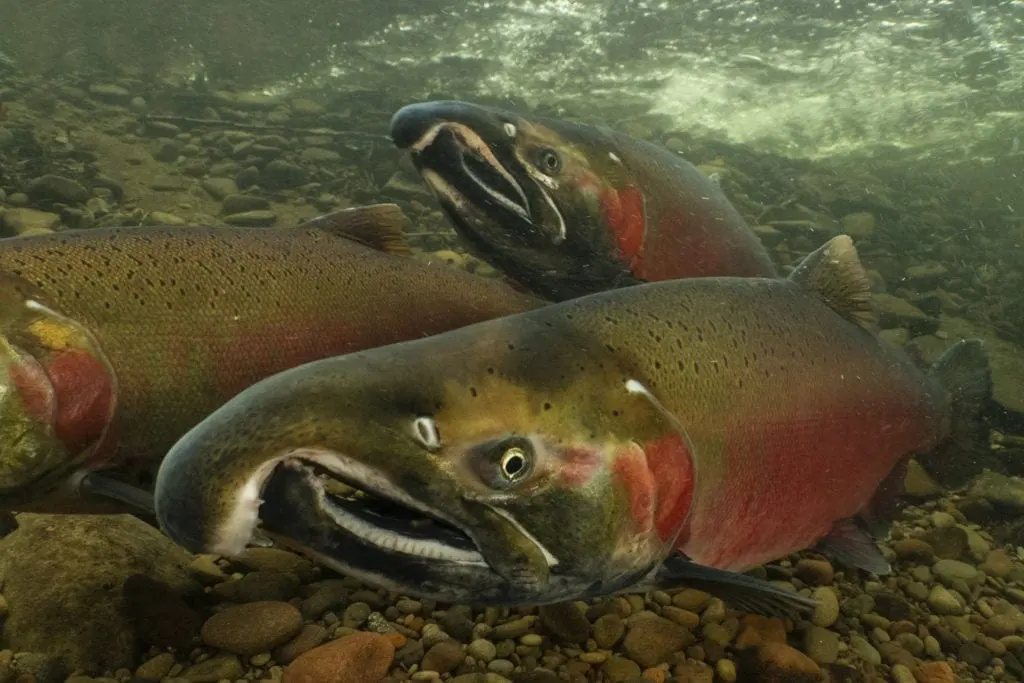
Salmon are not a single species, so their conservation status varies significantly. While some populations, particularly in the Pacific Northwest, are critically endangered or threatened, others remain abundant and commercially harvested. Whether a salmon is endangered depends entirely on its specific species, geographic location, and the health of its local river ecosystem.
On this page
Are all salmon species endangered?
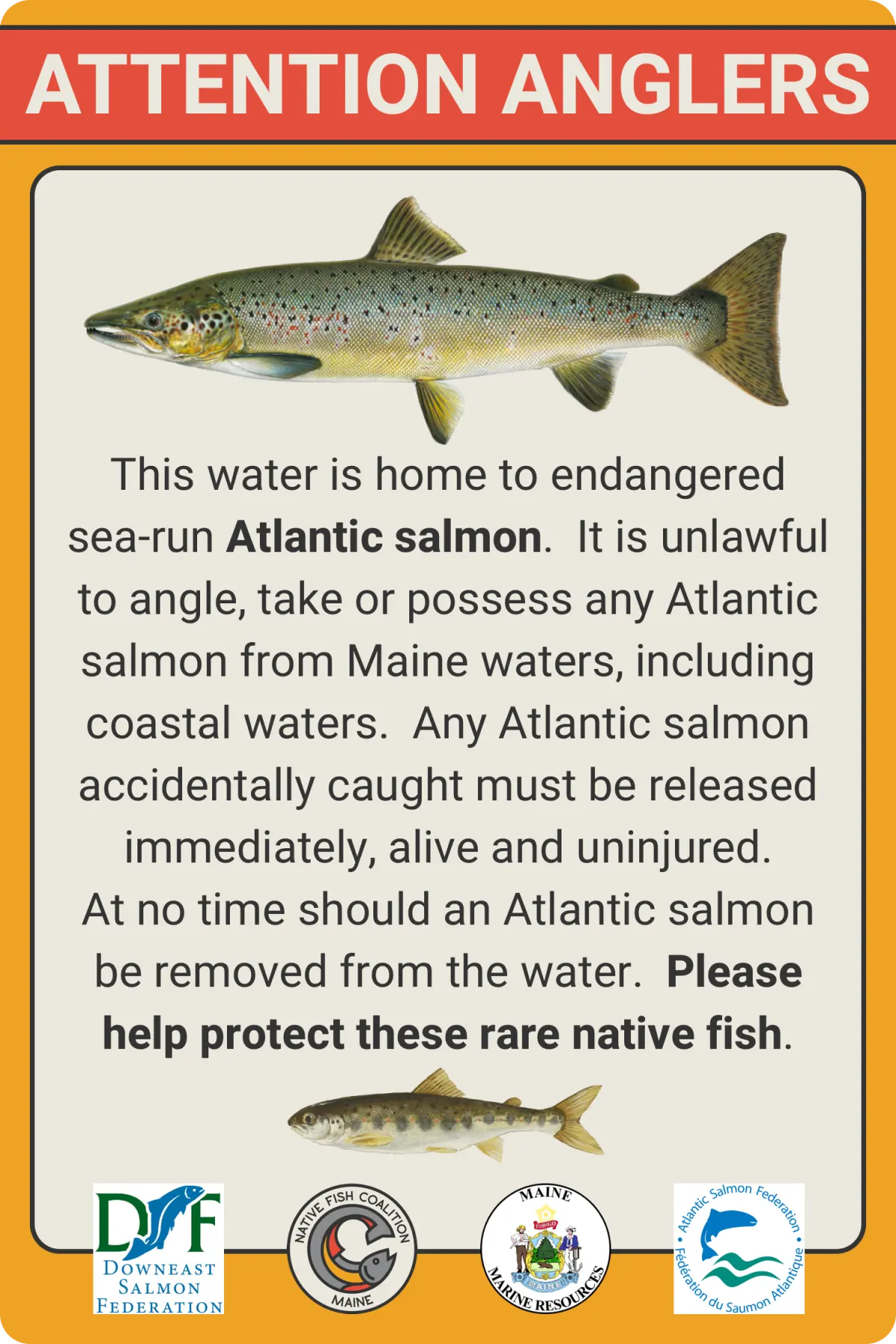
Salmon belong to the family Salmonidae, which includes several distinct species across the Atlantic and Pacific oceans. The Atlantic salmon (Salmo salar) is considered endangered or threatened in many parts of its historical range, particularly in the Gulf of Maine, due to habitat loss and historical overfishing. In contrast, Pacific salmon species, such as Pink and Sockeye, have varying statuses depending on their specific "evolutionary significant unit."
Some populations are thriving, while others are protected under the U.S. Endangered Species Act. For instance, the Sacramento River winter-run Chinook salmon is listed as endangered, while other Chinook runs in Alaska remain robust enough to support large-scale commercial and recreational fishing. Because salmon are anadromous—meaning they migrate from the ocean to freshwater to spawn—they are uniquely vulnerable to environmental changes in both marine and riverine habitats.
Why are some salmon populations declining?
The decline of specific salmon runs is primarily driven by the degradation of freshwater spawning grounds. Dams are a major factor, as they block access to historical upstream habitats and alter water temperatures. When rivers become too warm, salmon struggle to migrate and spawn successfully, leading to lower survival rates for eggs and juveniles.
Pollution and industrial runoff also play critical roles in population collapse. Chemicals from urban centers, agricultural pesticides, and sediment from logging operations can suffocate spawning gravel beds. Additionally, changing ocean conditions, such as warming waters and shifting prey availability, have impacted the survival of salmon during their time at sea. The following factors are the most significant contributors to these declines:
- Physical barriers like dams and culverts blocking migration routes.
- Habitat destruction through deforestation and urban development.
- Climate change leading to warmer, less oxygenated river water.
- Overfishing and competition from hatchery-raised fish.
How can we help protect salmon?
Supporting salmon recovery requires a combination of large-scale policy changes and individual environmental stewardship. Governments and environmental organizations focus on dam removal, habitat restoration, and the enforcement of sustainable fishing quotas. Restoring riparian zones—the areas of vegetation along riverbanks—is essential for keeping water cool and providing shade for young salmon.
Individuals can contribute by making informed choices about the seafood they consume and participating in local conservation efforts. Supporting organizations that monitor water quality and advocate for watershed protection is highly effective. If you are interested in helping, consider these steps:
- Research the source of your seafood using tools like the Seafood Watch app to ensure you are buying sustainably caught fish.
- Reduce chemical usage in your garden to prevent runoff from entering local storm drains and waterways.
- Volunteer for local stream restoration projects that remove invasive plants or monitor salmon migration counts.
- Advocate for policies that prioritize the removal of obsolete dams and the protection of wild river corridors.
Common mistakes when trying to help
One common mistake is assuming that all salmon purchased in a grocery store are wild-caught and sustainable. Many salmon products are farmed, which carries its own set of environmental concerns, such as the spread of parasites and diseases to wild populations. Always check labels for certification from organizations like the Marine Stewardship Council to ensure the product meets environmental standards.
Another error is ignoring the importance of local watersheds. People often focus exclusively on ocean health, forgetting that salmon spend a significant portion of their lives in small, local streams. Neglecting the health of your own backyard creek can have downstream consequences for salmon populations. Avoid using fertilizers or pesticides near water sources, as these chemicals can quickly reach spawning grounds and harm sensitive juvenile fish. Finally, do not attempt to handle or disturb spawning salmon if you encounter them in the wild, as this can cause unnecessary stress and disrupt their reproductive cycle.
What is the future of salmon conservation?
The future of salmon depends on our ability to balance human economic needs with the biological requirements of these complex fish. Innovative technology is being used to create "fish ladders" that allow salmon to bypass dams, and hatcheries are increasingly using genetic management to ensure that released fish do not weaken the wild population. These efforts aim to stabilize populations while maintaining the cultural and economic importance of salmon.
Success stories, such as the recovery of certain Chinook runs in the Columbia River basin, demonstrate that human intervention can reverse negative trends. However, the ongoing challenge of climate change means that conservation strategies must be adaptive. Scientists are now focusing on "climate-resilient" habitats, which are areas of the river that remain cool even during heatwaves. By protecting these thermal refugia, we provide salmon with the best possible chance to survive and adapt to a changing world. Continued international cooperation and strict adherence to science-based management will be the defining factors in preventing further extinctions.
Key facts
- Salmon are not a single species; their conservation status varies widely by region, population, and specific subspecies.
- The Atlantic salmon is currently listed as endangered in several U.S. rivers, specifically those in the Gulf of Maine.
- Many Pacific salmon populations, such as the Sacramento River winter-run Chinook, are protected under the U.S. Endangered Species Act.
- Overfishing, habitat destruction, and the construction of dams that block migration routes are the primary drivers of population decline.
- Climate change impacts salmon by increasing water temperatures, which can be lethal to these cold-water fish during spawning.
- Consumers can support conservation by choosing wild-caught salmon certified by the Marine Stewardship Council to ensure sustainable fishing practices.
The bottom line
Salmon are not universally endangered, but many specific populations face severe threats from human development and environmental change. While some stocks remain healthy, others require urgent protection and habitat restoration to survive. By supporting sustainable fishing, advocating for dam removal, and minimizing water pollution, individuals can help preserve these vital fish, ensuring that diverse salmon runs continue to thrive in their native ecosystems for future generations.
People also ask
Why do salmon need to migrate between salt and fresh water?
Salmon are anadromous, meaning they hatch in freshwater streams, migrate to the ocean to mature, and return to their natal streams to spawn. This cycle allows them to utilize nutrient-rich ocean environments for rapid growth before returning to protected freshwater habitats for reproduction.
How do dams affect salmon populations?
Dams create physical barriers that prevent adult salmon from reaching their upstream spawning grounds. They also alter water flow and temperature, which can disorient juvenile salmon and increase their mortality rates as they attempt to migrate downstream toward the ocean.
What is the difference between wild and farmed salmon?
Wild salmon are caught in their natural habitats, while farmed salmon are raised in controlled environments like ocean pens. Farming can impact wild populations through the spread of parasites, diseases, and the potential escape of non-native fish into the wild.
Can salmon recover if their habitat is restored?
Yes, salmon populations often show significant recovery when spawning grounds are rehabilitated and migration corridors are cleared. Removing obsolete dams and restoring riparian vegetation helps stabilize water temperatures and provides necessary cover for young fish to survive.
Are all salmon species at risk of extinction?
No, some salmon populations remain stable or abundant, particularly in parts of Alaska and Russia. The risk of extinction is highly localized, depending on human activity, water quality, and the specific environmental pressures facing a particular river system.
What can individuals do to help protect salmon?
Individuals can reduce their chemical footprint by using eco-friendly lawn fertilizers and cleaning products that do not wash into local waterways. Supporting organizations that advocate for habitat restoration and choosing sustainable seafood options are also effective ways to contribute to salmon conservation.
This answer was created with the help of AI research tools and reference sources. Spotted an error? Let us know — we correct mistakes quickly. See our editorial policy.