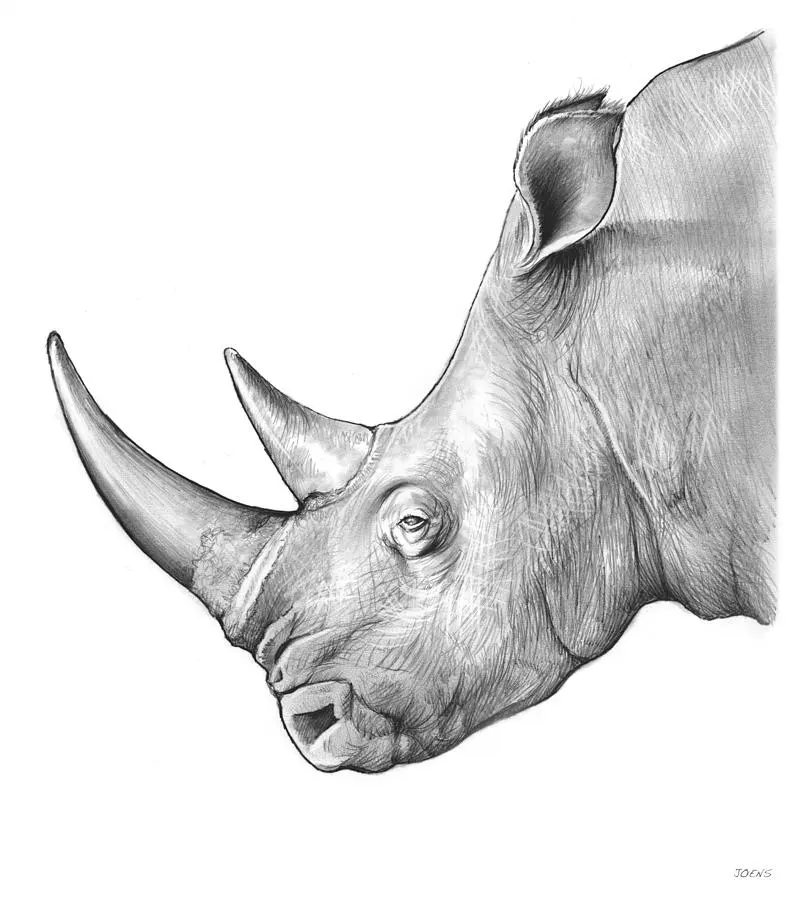
Are rhinos endangered?
Short answer
Yes, rhinos are critically endangered. Of the five remaining species, three are classified as critically endangered by the IUCN, meaning they face an extremely high risk of extinction in the wild. Decades of poaching for their horns and habitat loss have pushed these ancient mammals to the brink of total disappearance.
On this page
Why are rhinos endangered?
The primary driver of the rhino population decline is the illegal trade in rhino horn. Despite being composed of keratin—the same protein found in human hair and fingernails—the horn is highly valued in parts of Asia for traditional medicine and as a status symbol. Criminal syndicates orchestrate poaching operations that have decimated populations across Africa and Asia. Because rhinos are slow to reproduce, even a small number of deaths can prevent a population from recovering.
Habitat loss serves as a secondary, yet equally devastating, threat to the species. As human populations expand, the grasslands and forests that rhinos rely on are converted into agricultural land or urban developments. This fragmentation isolates small groups of rhinos, making it difficult for them to find mates and maintain genetic diversity. Without large, protected corridors, these animals become vulnerable to both environmental changes and human-wildlife conflict.
Which rhino species are most at risk?
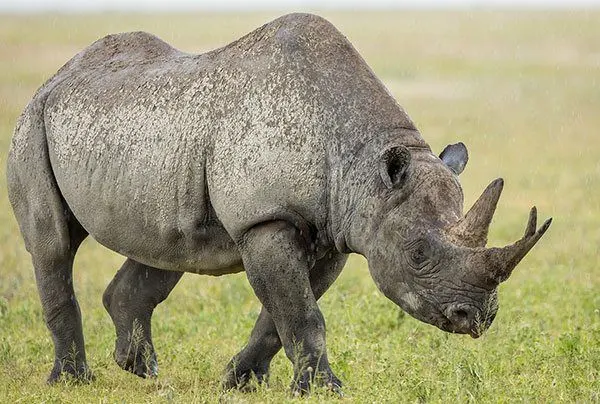
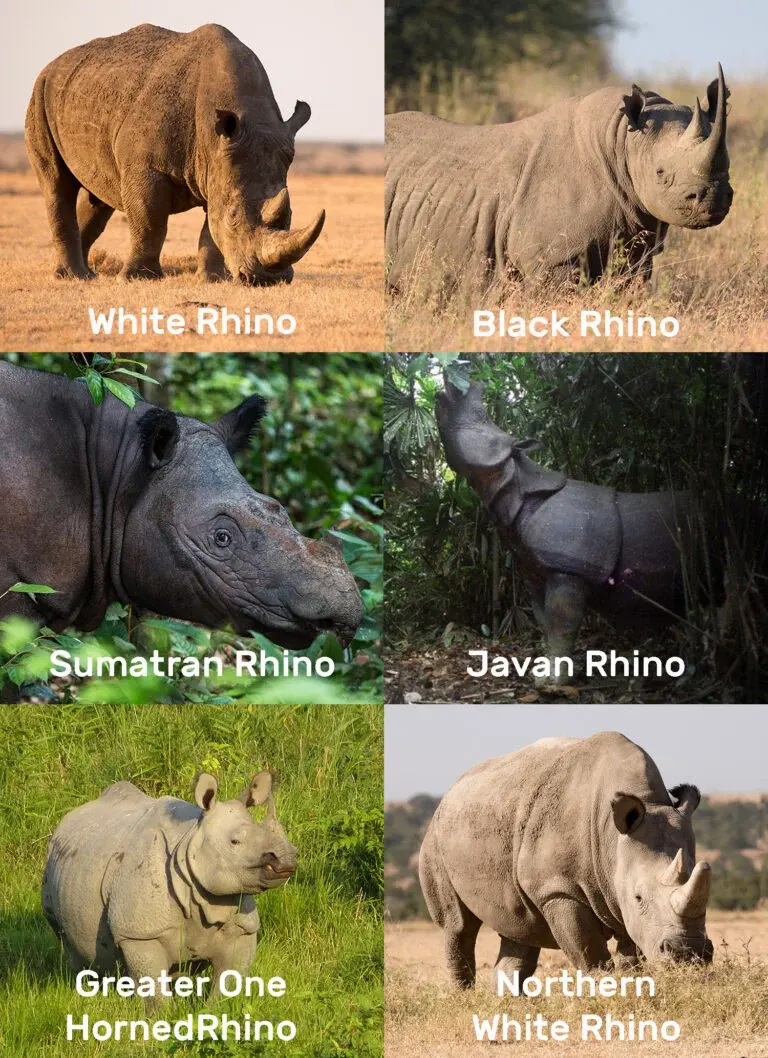
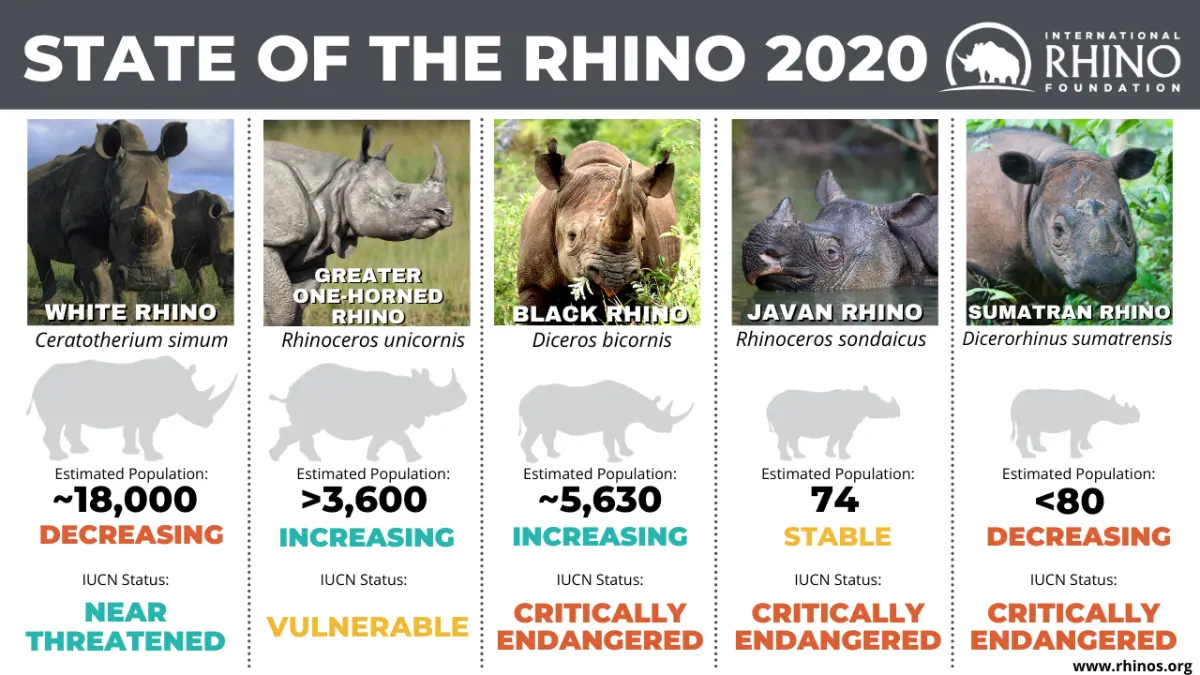
The conservation status varies significantly among the five extant species. The Javan and Sumatran rhinos are the most severely threatened, with only a few dozen individuals remaining for each. The black rhino is also listed as critically endangered, though its numbers have seen a modest recovery due to intensive protection efforts. The white rhino is currently classified as near threatened, but its subspecies, the northern white rhino, is functionally extinct with only two females left.
- Javan Rhino: Fewer than 80 individuals remain, all restricted to a single national park in Indonesia.
- Sumatran Rhino: Fewer than 80 individuals exist in fragmented pockets of forest.
- Black Rhino: Approximately 6,000 individuals remain, showing slow growth.
- White Rhino: Roughly 16,000 remain, mostly in South Africa.
- Greater One-Horned Rhino: Population is recovering well, with over 4,000 individuals in India and Nepal.
How can people help save rhinos?
Individual action plays a vital role in supporting global conservation initiatives. The most effective way to help is by donating to reputable organizations that fund anti-poaching patrols, habitat restoration, and community-led conservation programs. By supporting groups like the International Rhino Foundation or Save the Rhino International, you provide the resources necessary for rangers to monitor populations and deter poachers on the ground.
Education and advocacy are also essential tools for the public. By raising awareness about the reality of the rhino crisis, you help reduce the demand for products derived from endangered species. You can also participate in local fundraising events or support policies that promote the protection of biodiversity. When choosing to travel, opt for eco-tourism operators that prioritize wildlife conservation and provide direct economic benefits to local communities living near rhino habitats.
- Support certified wildlife sanctuaries and reserves.
- Avoid purchasing any products made from rhino horn or other animal parts.
- Advocate for stronger international wildlife trade laws.
- Educate your community on the importance of biodiversity.
Common mistakes when trying to help
A frequent error is assuming that all rhino populations are recovering at the same rate. People often see positive news about the greater one-horned rhino and mistakenly believe the entire genus is safe. This complacency can lead to a decrease in funding and political pressure, which are both vital to protecting the more vulnerable species like the Javan and Sumatran rhinos. Always verify the specific species being discussed before assuming the crisis is over.
Another mistake is supporting organizations that do not have a transparent track record. Before donating, research where the money goes and whether the group works directly with local communities. Conservation is most effective when it addresses the economic needs of the people living alongside rhinos, as they are the primary stewards of the land. Avoid groups that focus solely on sensationalist marketing rather than sustainable, long-term field operations that provide measurable results for the animals.
What is the future of rhino conservation?
The outlook for rhinos depends on a combination of strict law enforcement and innovative science. Modern technology, such as drones, thermal imaging, and DNA tracking, is being deployed to monitor rhino movements and identify poachers in real-time. These tools allow rangers to respond more effectively to threats, significantly increasing the survival rate of calves and adults alike. Simultaneously, international pressure continues to target the illegal trafficking networks that facilitate the sale of horns.
Long-term success also requires the expansion of protected areas to allow for natural population growth. As rhinos move into new, secure territories, the goal is to establish self-sustaining populations that can survive without constant human intervention. While the path to recovery is long and fraught with challenges, the dedicated work of scientists, rangers, and global supporters offers a glimmer of hope that these prehistoric giants will continue to roam the earth for generations to come.
Key facts
- All five extant rhinoceros species are currently listed as either vulnerable, endangered, or critically endangered by the IUCN.
- The Javan and Sumatran rhinos are the most severely threatened, with fewer than 80 individuals remaining for each species.
- Poaching for rhino horn, which is composed of keratin, remains the single greatest threat to wild populations across Africa and Asia.
- Habitat loss due to human expansion and agricultural development continues to fragment existing rhino territories.
- The Northern White Rhino is functionally extinct, as only two females remain on the planet and both are unable to reproduce naturally.
- Conservation efforts, such as dehorning and intensive anti-poaching patrols, have helped populations of Southern White and Greater One-Horned rhinos recover from near-extinction.
The bottom line
Rhinos face a precarious future, with all five species currently threatened by poaching and habitat loss. While some populations have shown remarkable resilience due to intense protection, others remain on the brink of total extinction. Protecting these animals requires a combination of strict law enforcement, international cooperation to dismantle illegal trade networks, and the preservation of the vast wilderness areas these magnificent creatures require to thrive.
People also ask
Why are rhinos poached for their horns?
Rhino horns are highly valued in some cultures for use in traditional medicine and as status symbols. Despite scientific evidence confirming that the horn has no medicinal properties, the illegal trade remains a lucrative black market industry.
How many rhinos are left in the wild?
There are approximately 27,000 rhinos remaining in the wild today. The vast majority of these are Southern White rhinos, while other species like the Javan and Sumatran rhinos have populations in the double digits.
What is the difference between white and black rhinos?
The primary difference lies in their mouth shape, which evolved for different feeding habits. White rhinos have wide, square lips for grazing on grass, while black rhinos have pointed, prehensile upper lips designed for browsing on leaves and twigs.
Can rhinos be saved from extinction?
Yes, conservation success stories prove that rhinos can recover with dedicated protection and habitat management. The Greater One-Horned rhino, for instance, grew from fewer than 200 individuals in the early 20th century to over 4,000 today.
Do rhinos have natural predators?
Adult rhinos have almost no natural predators due to their immense size and thick skin. However, calves are occasionally vulnerable to attacks by lions, hyenas, or crocodiles if they become separated from their mothers.
What is being done to stop rhino poaching?
Authorities use advanced technology like thermal drones, GPS tracking, and canine units to monitor rhino movements and deter poachers. International trade bans and community-led conservation programs also play critical roles in reducing the demand for rhino products.
This answer was created with the help of AI research tools and reference sources. Spotted an error? Let us know — we correct mistakes quickly. See our editorial policy.