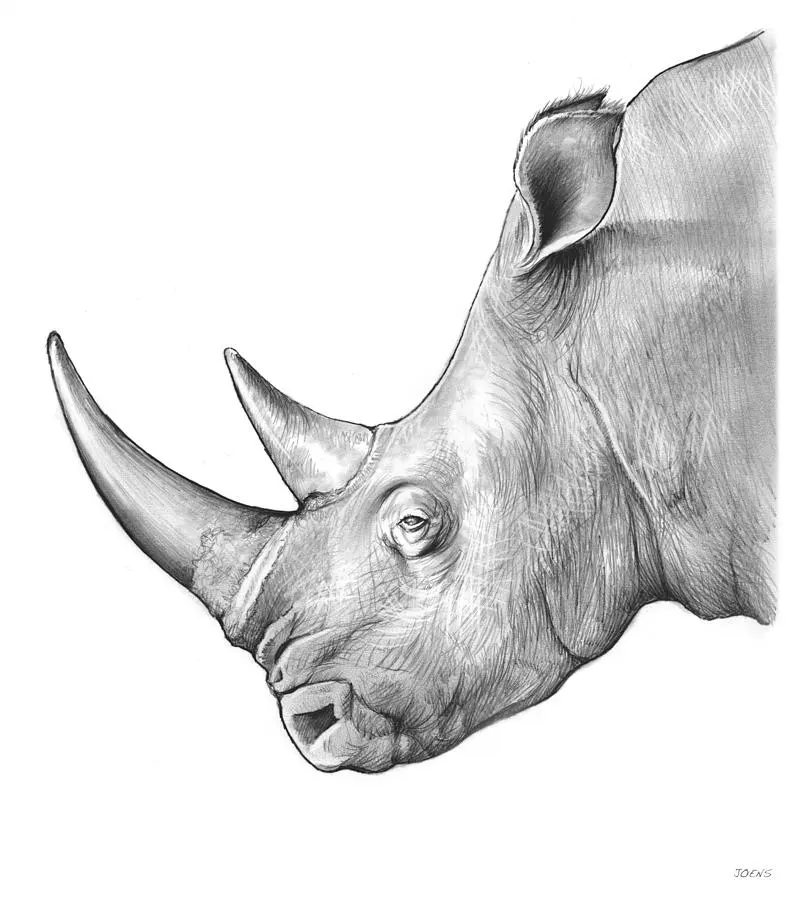
What is a group of rhinos called?
Short answer
A group of rhinos is most commonly called a crash. This collective noun refers to the tendency of these large, powerful animals to charge through dense vegetation or obstacles when threatened. While rhinos are generally solitary creatures, groups may occasionally form, particularly between mothers and their calves or during specific social interactions.
On this page
Why is a group of rhinos called a crash?
The term "crash" is a fitting descriptor for the physical presence and behavior of rhinoceroses. Weighing up to 2,300 kilograms (5,000 pounds), these animals possess immense momentum. When a group moves together, their combined weight and speed can easily flatten thickets and brush, creating a sound and visual effect similar to a literal crash. This terminology highlights the sheer force these animals exert on their environment.
Etymologically, collective nouns for animals often originated in the late Middle Ages as part of the "terms of venery," or hunting terminology. While many of these terms are whimsical, the label for a group of rhinos remains grounded in their biological reality. Their thick, armor-like skin and sturdy bone structure allow them to navigate thorny terrain that would stop other animals. Consequently, observing a small group of rhinos moving through the wild is a powerful display of raw, kinetic energy that justifies their unique collective name.
How do rhinos interact in the wild?
Rhinos are primarily solitary animals that prefer to maintain their own territories. Adult males, in particular, are highly territorial and will defend their home ranges against other males. Females with calves are the most common exception to this rule, as they remain with their offspring for several years to provide protection and teach survival skills. These maternal units are the most frequent form of a "crash" one might encounter in the wild.
Beyond maternal bonds, rhinos may congregate under specific circumstances, such as:
- Accessing limited water sources during severe droughts.
- Gathering at mineral-rich salt licks to supplement their diet.
- Engaging in social grooming or mating rituals.
- Sharing wallowing pits to cool off and protect their skin from parasites.
These gatherings are usually temporary and lack the rigid social hierarchy seen in other herd animals like elephants or zebras. Once the immediate need is met, the individuals typically disperse back into their solitary routines to avoid unnecessary conflict.
Where can you see a crash of rhinos?
Seeing a crash of rhinos in the wild requires patience and a visit to protected habitats in Africa or Asia. Southern white rhinos are the most social of the five species and are the most likely to be seen in small groups. National parks in South Africa, such as Kruger National Park or Hluhluwe–iMfolozi Park, offer some of the best opportunities for visitors to witness these animals in their natural element.
When planning a wildlife viewing excursion, consider these factors to maximize your success:
- Research the best time of year for your chosen destination, usually the dry season when vegetation is thin.
- Book a guided safari with experienced rangers who understand rhino movement patterns.
- Visit waterholes during the early morning or late afternoon when rhinos are most active.
- Maintain a respectful distance to avoid disturbing the animals or triggering a defensive charge.
Always prioritize the safety of the animals over the desire for a perfect photograph. Professional guides will know how to approach a crash without causing the rhinos undue stress.
Common mistakes when identifying rhino groups
A frequent error is assuming that any group of large, gray animals in a savanna is a crash of rhinos. It is easy to confuse rhinos with other megafauna, such as hippos or even young elephants, if viewed from a significant distance. To avoid misidentification, focus on key physical markers like the shape of the snout, the presence of horns, and the structure of the ears.
Another common mistake is misinterpreting the social nature of rhinos. Because they are often seen near one another at waterholes, observers may mistakenly label them as a "herd." However, unlike a herd, which implies a long-term social structure and constant movement together, a crash is often an accidental or opportunistic gathering. Treating them like a herd can lead to false expectations regarding their behavior, as they do not coordinate their movements or protect one another in the same way that true herd animals do. Understanding these nuances helps in appreciating the unique, independent nature of the rhinoceros.
How to support rhino conservation efforts
Protecting rhinos is essential for maintaining the biodiversity of the ecosystems they inhabit. Because they are often poached for their horns, their populations remain fragile and highly dependent on human intervention. Supporting reputable conservation organizations is one of the most effective ways to ensure that future generations can witness a crash of rhinos in the wild.
You can contribute to these efforts through several practical actions:
- Donate to organizations that fund anti-poaching patrols and habitat protection.
- Support ecotourism initiatives that provide local communities with economic alternatives to poaching.
- Educate others about the importance of rhinos and the threats they face from illegal trade.
- Avoid purchasing products made from rhino horn, which is composed of keratin and has no scientifically proven medicinal value.
By taking these steps, you help secure the future of these magnificent creatures. Conservation is a long-term commitment that requires global cooperation, but the survival of the rhino depends on the collective actions of individuals who value the preservation of the natural world.
Key facts
- A group of rhinos is most commonly referred to as a "crash."
- The term "crash" is used because of the animal's immense size and habit of charging through dense vegetation.
- Rhinos are generally solitary creatures, making sightings of a full crash relatively rare in the wild.
- Female rhinos and their calves are the most common social pairing observed in nature.
- Adult males are typically territorial and avoid other males, except during mating season.
- When observing rhinos, always maintain a significant distance as their poor eyesight makes them prone to defensive charges.
The bottom line
While the collective noun for a group of rhinos is a "crash," you are unlikely to see large numbers together in the wild. Because these powerful animals are largely solitary and territorial, they do not congregate in herds. Understanding that a crash is a rare social gathering helps observers appreciate the unique, independent nature of these magnificent creatures while emphasizing the importance of maintaining a safe distance.
People also ask
How many rhinos typically make up a crash?
A crash is usually small, often consisting of just a mother and her calf, or occasionally a few females with their young. Large groups are uncommon because these animals require vast territories to forage.
Why are rhinos considered solitary animals?
Rhinos are primarily solitary because they require large amounts of food and space to thrive. By living alone, they reduce competition for resources within their specific home range.
Do rhinos ever form groups for protection?
Rhinos do not form herds for protection like zebras or wildebeests. Their primary defense is their size, thick skin, and aggressive nature, which they use individually to deter predators.
What is a baby rhino called?
A baby rhino is called a calf. They typically stay with their mothers for two to three years before becoming independent.
Can rhinos be aggressive toward each other?
Yes, adult rhinos are highly territorial and will fight to defend their space. These encounters can be violent and sometimes result in serious injury or death.
Is it safe to approach a crash of rhinos?
No, it is extremely dangerous to approach rhinos on foot. They are unpredictable, can reach speeds of up to 30 miles per hour, and may perceive humans as a threat.
This answer was created with the help of AI research tools and reference sources. Spotted an error? Let us know — we correct mistakes quickly. See our editorial policy.