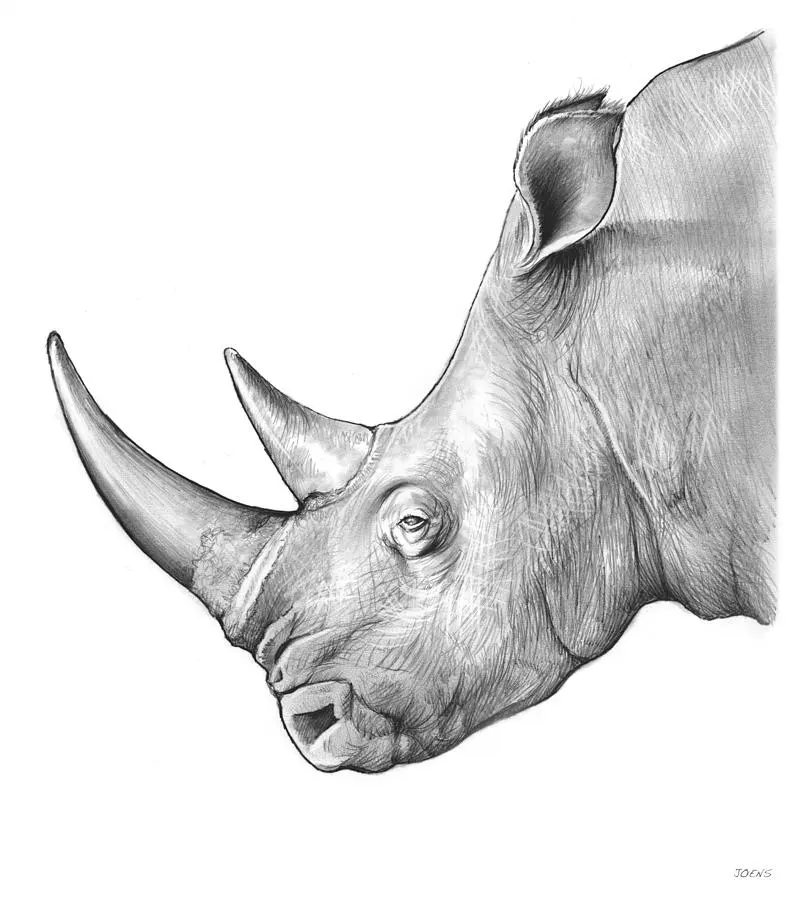
Are rhinos dangerous to humans?
Short answer
Rhinos are exceptionally dangerous to humans due to their immense size, speed, and unpredictable temperament. While they are generally herbivores that prefer to avoid conflict, they can reach speeds of 30 miles per hour and will charge if they feel threatened, cornered, or if their calves are perceived to be in danger.
On this page
Why are rhinos considered dangerous?
Rhinos are among the largest land mammals, with some species weighing up to 5,000 pounds. Their sheer physical presence makes them formidable, but their volatile temperament is the primary cause of human-wildlife conflict. Unlike some animals that provide warning signs, rhinos often charge with little provocation. This behavior is rooted in their poor eyesight, which forces them to rely on their acute sense of smell and hearing to detect potential threats. When a rhino perceives an object or person as a danger, its instinctual response is to eliminate that threat through a high-speed charge.
The danger is compounded by the rhino's anatomy. They possess thick, armor-like skin and a powerful horn capable of inflicting fatal injuries. Even a glancing blow from a charging rhino can cause severe internal trauma or bone fractures. Because they are solitary animals for much of their lives, they are particularly sensitive to intrusions within their territory. If a human inadvertently wanders too close to a rhino, the animal may view the proximity as an act of aggression, triggering an immediate and aggressive defensive response.
How fast can a rhino run?
Despite their bulky appearance, rhinos are surprisingly agile and can reach speeds between 30 and 35 miles per hour. This speed is comparable to that of an Olympic sprinter, meaning a human cannot outrun a charging rhino in an open field. Their ability to accelerate rapidly from a standing position makes them difficult to evade once they have locked onto a target. Furthermore, rhinos are capable of making sharp, sudden turns, which allows them to navigate dense brush or uneven terrain while chasing a perceived intruder.
It is a common misconception that rhinos are slow or sluggish. In reality, they can maintain high speeds over short distances, which is usually all that is required to neutralize a threat. If you find yourself in the path of a charging rhino, attempting to outrun it is a fatal mistake. Instead, experts recommend the following survival strategies:
- Seek immediate cover behind a sturdy tree or large rock.
- Climb a tree if one is nearby and accessible within seconds.
- Drop low to the ground behind an obstacle to break the rhino's line of sight.
- Do not attempt to stand your ground or intimidate the animal.
What are the warning signs of a charge?
Before a full-scale charge, a rhino will often exhibit specific behavioral cues that indicate it is agitated. Recognizing these signs early can provide a narrow window of opportunity to retreat safely. A rhino may start by huffing or snorting loudly, which serves as an auditory warning. It might also begin to paw the ground or swing its head from side to side, signaling that it is preparing to move. In some cases, the rhino will perform a "mock charge," where it runs toward the threat but stops short to test the intruder's reaction.
If you observe these behaviors, it is critical to remain calm and avoid sudden movements that could be interpreted as aggression. Never scream or wave your arms, as these actions can escalate the animal's stress levels. Slowly backing away while keeping your eyes on the animal—without making direct, prolonged eye contact—is the safest course of action. If the rhino continues to display signs of agitation, increase your distance steadily until you are well outside its immediate comfort zone.
Common mistakes when encountering a rhino
Many incidents involving rhinos occur because of human error or a lack of situational awareness. One of the most frequent mistakes is underestimating the distance a rhino considers its "personal space." Tourists often attempt to get closer for a better photograph, failing to realize that they have entered the animal's defensive zone. Another common error is assuming that a vehicle provides total protection. While a car is safer than being on foot, a large, aggressive rhino can easily flip or severely damage a standard passenger vehicle, leading to catastrophic injuries for the occupants.
- Never exit your vehicle in a rhino-populated area, regardless of how far away the animals appear to be.
- Avoid wearing bright colors or using flash photography, as these can startle the animal.
- Keep noise levels to an absolute minimum to avoid drawing unnecessary attention to your position.
- Always maintain a clear, unobstructed path for a quick exit if the situation deteriorates.
- Never approach a mother with a calf, as they are significantly more protective and prone to charging.
How to stay safe during a safari
Safety during a wildlife excursion relies heavily on preparation and adherence to professional guidance. If you are on a walking safari, always ensure you are accompanied by an experienced, armed ranger who understands animal behavior and local terrain. These professionals are trained to identify the subtle signs of a rhino’s mood and can navigate the group away from danger before a confrontation occurs. Always listen to their instructions immediately; hesitation can be the difference between a safe encounter and a life-threatening incident.
When planning your trip, choose reputable tour operators who prioritize ethical wildlife viewing practices. These companies emphasize keeping a respectful distance and avoiding activities that disturb the natural behavior of the rhinos. By maintaining a professional distance and respecting the animal's environment, you can enjoy the privilege of seeing these majestic creatures in their natural habitat without compromising your safety. Remember that the rhino is a wild animal with natural survival instincts, and your presence in its home is a privilege that requires constant vigilance and respect for its power.
Key facts
- Rhinos are nearsighted and may charge if they feel threatened or startled by sudden movements.
- They can reach speeds of up to 30 to 35 miles per hour, making them impossible to outrun.
- Adult rhinos weigh between 1,500 and 5,000 pounds, meaning they can easily overturn vehicles.
- If you encounter a rhino on foot, climb a sturdy tree immediately to get out of its reach.
- Never stand between a mother and her calf, as this is the most common trigger for an attack.
- Avoid wearing bright colors or using strong perfumes, as these can attract or irritate wildlife.
The bottom line
While rhinos are not predatory, their massive size and unpredictable temperament make them incredibly dangerous to humans. They are highly territorial and defensive, often charging when startled or sensing a threat. To stay safe, always maintain a significant distance, remain inside secure vehicles, and never attempt to approach them on foot. Respecting their space is the most effective way to avoid a potentially fatal encounter in the wild.
People also ask
Do rhinos hunt humans for food?
No, rhinos are strictly herbivores and do not view humans as prey. They only attack when they perceive a threat to their safety or territory.
Are all rhino species equally aggressive?
Black rhinos are generally considered more temperamental and prone to charging than the more docile white rhinos. However, any rhino species can become dangerous if provoked or surprised.
Can I outrun a rhino if it charges?
You cannot outrun a rhino in a straight line or over uneven terrain. Your best chance of survival is to find a tree, a large rock, or a vehicle to hide behind.
Why do rhinos charge at safari vehicles?
Rhinos may charge vehicles if they are startled, feel cornered, or are protecting a calf. They often view the large metal object as a potential rival or threat.
Is it safe to approach a rhino if it looks calm?
Never approach a rhino, regardless of its behavior. Their mood can shift instantly, and their massive size makes them lethal even if they do not intend to kill.
How can I tell if a rhino is about to charge?
A rhino may lower its head, snort, paw the ground, or flick its ears back before charging. If you observe these behaviors, move away slowly and quietly without making eye contact.
This answer was created with the help of AI research tools and reference sources. Spotted an error? Let us know — we correct mistakes quickly. See our editorial policy.