How long do herons live?
Short answer
Most herons typically live between 5 and 15 years in the wild. While many individuals do not survive their first year due to predation and environmental challenges, those that reach adulthood often live significantly longer. Exceptional cases, such as the Great Blue Heron, have been recorded living over 20 years in captivity.
On this page
How long do different heron species live?
The lifespan of a heron varies significantly depending on the specific species and its environmental stressors. The Great Blue Heron, one of the most recognizable North American species, often reaches an average lifespan of 15 years in the wild. Smaller species, such as the Green Heron or the Black-crowned Night Heron, generally have slightly shorter life expectancies, often ranging from 5 to 10 years. These figures represent averages, as high juvenile mortality rates skew the data significantly.
In protected environments like zoos or wildlife rehabilitation centers, these birds can live considerably longer than their counterparts in the wild. Without the constant pressure of predators, harsh weather, and the difficulty of securing food, some herons have been documented living well into their twenties. The following list highlights the typical longevity of common North American species:
- Great Blue Heron: 15–20 years
- Great Egret: 10–15 years
- Green Heron: 5–8 years
- Black-crowned Night Heron: 8–12 years
Why do many herons die young?
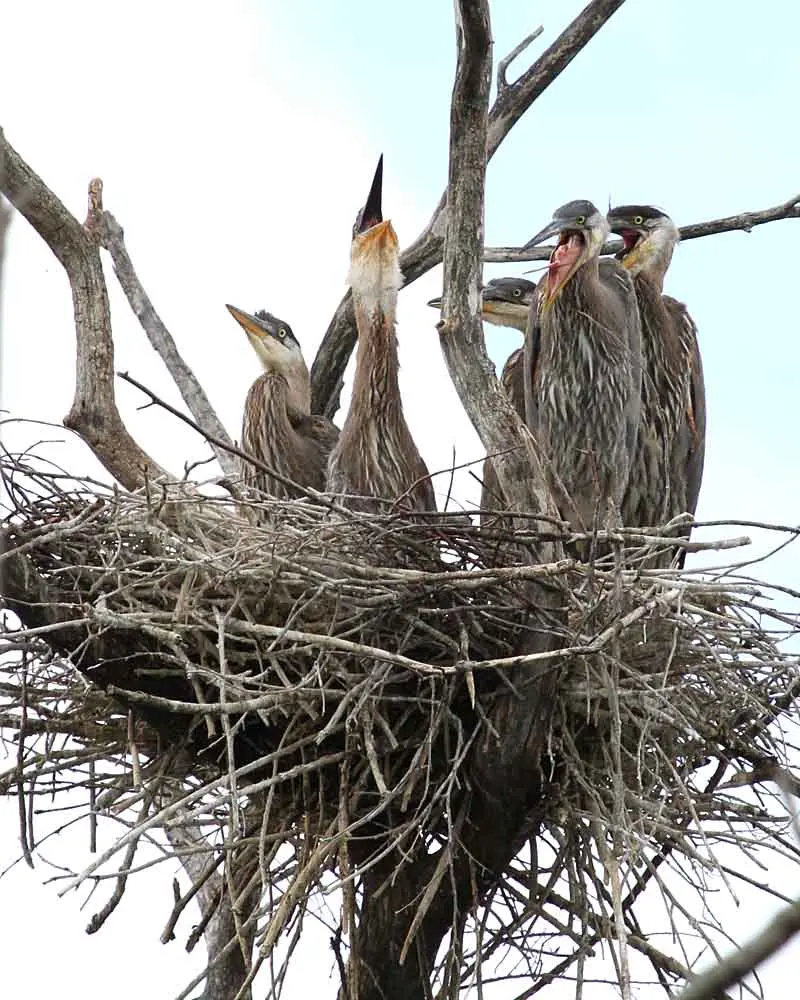
The most critical period for a heron is its first year of life. Studies indicate that nearly 70 percent of young herons do not survive their first winter. This high mortality rate is driven by a combination of inexperience in hunting, vulnerability to predators like eagles and owls, and the physiological toll of harsh weather conditions. Young birds must learn to navigate complex wetland ecosystems while also competing with established adults for prime territory and food sources.
Beyond natural predation, environmental factors play a massive role in early mortality. Herons are highly sensitive to their surroundings, and habitat loss or water pollution can drastically reduce their chances of survival. When wetlands are drained or contaminated, the primary food source for these birds—small fish and amphibians—disappears. Without a consistent diet, young herons cannot build the fat reserves necessary to survive cold snaps or long migrations, leading to widespread starvation during their first winter season.
How can you help protect local heron populations?
Active conservation efforts are essential for maintaining healthy heron populations in your area. Because these birds rely heavily on stable aquatic ecosystems, the most effective way to support them is by protecting the wetlands they call home. If you live near a pond, lake, or river, you can participate in local cleanup efforts to remove plastic waste and fishing line, which often entangle and kill wading birds.
If you are interested in actively managing land to help herons, consider these practical steps:
- Maintain a buffer zone of native vegetation around water edges to provide cover for nesting birds.
- Avoid using pesticides or herbicides near water, as these chemicals accumulate in the food chain and weaken the birds.
- Keep pets, particularly cats and dogs, away from known nesting sites to prevent disturbance.
- Install nesting platforms if natural trees are scarce, ensuring they are placed high enough to deter terrestrial predators.
Common mistakes when observing herons
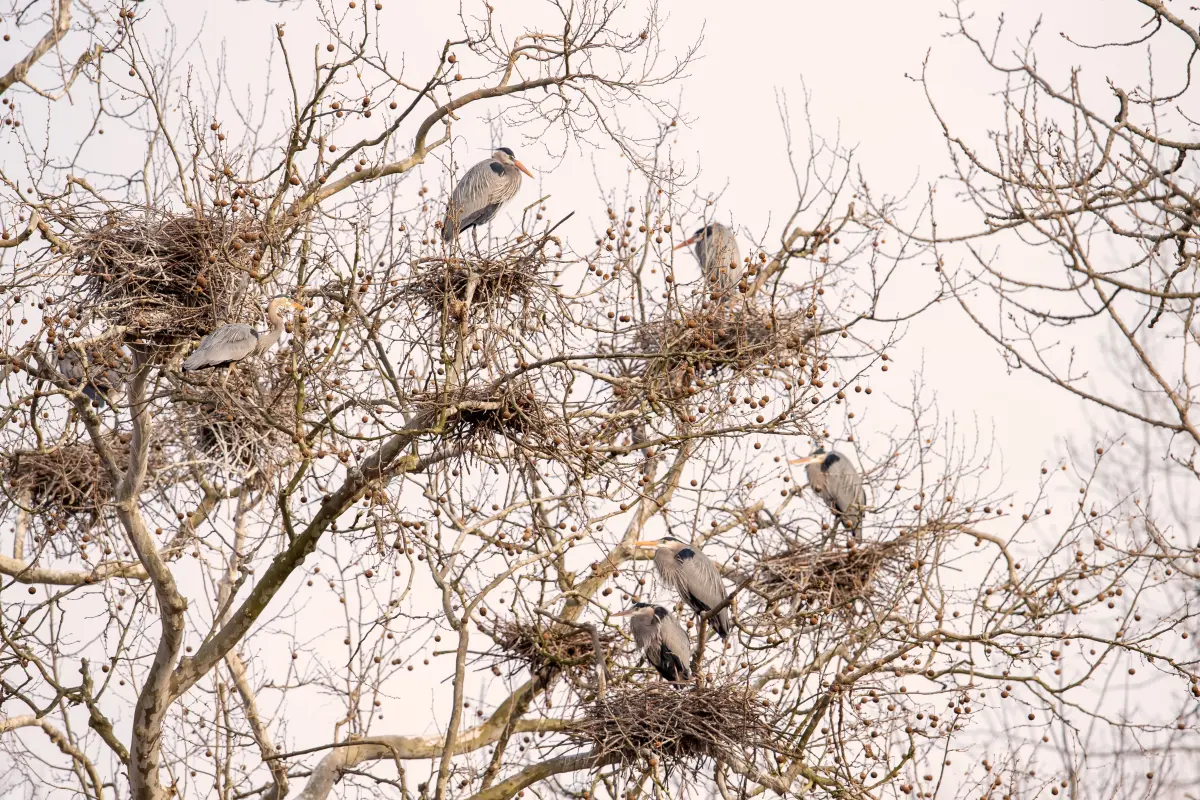
One of the most frequent errors people make when watching herons is getting too close to the birds, especially during the nesting season. Herons are highly skittish and will abandon their nests if they feel threatened by human presence. This abandonment can lead to the loss of an entire brood, as eggs or chicks are left exposed to the elements and predators. Always maintain a distance of at least 100 feet and use binoculars or a spotting scope to view them safely.
Another common mistake is attempting to feed herons. While it may seem helpful, providing human food or even supplemental fish can disrupt their natural hunting behaviors and lead to dependency. Furthermore, feeding sites often congregate birds in unnatural densities, which significantly increases the risk of disease transmission among the population. Observing from a distance without interference is the best way to ensure that these birds maintain their natural survival instincts and remain healthy throughout their long lives.
What factors influence a heron's longevity?
The overall health and longevity of a heron are determined by its ability to secure high-quality territory. A prime fishing spot with shallow water and abundant prey allows a heron to spend less energy hunting and more energy maintaining its physical condition. Birds that secure these territories early in life are far more likely to reach their maximum potential lifespan than those forced into marginal, resource-poor habitats. Competition for these spots is fierce, and older, more experienced birds usually hold the best locations.
Disease and parasites also play a significant role in limiting the lifespan of these birds. As wading birds, herons are frequently exposed to waterborne pathogens and parasites that thrive in stagnant or polluted water. While healthy adults can often fight off minor infections, a bird that is already stressed by migration or food scarcity will succumb much faster. Ultimately, the survival of a heron is a testament to its adaptability, as it must navigate a lifetime of ecological challenges to reach its full age.
Key facts
- Most wild herons live between 5 and 15 years, though some individuals reach their 20s.
- The Great Blue Heron, one of the most common species, has a recorded lifespan of up to 23 years in the wild.
- Juvenile mortality is high, with many herons failing to survive their first year due to predators and harsh weather.
- Captive herons often live longer than their wild counterparts because they receive consistent nutrition and veterinary care.
- Banding studies conducted by ornithologists allow researchers to track individual birds and confirm their long-term survival rates.
- Providing a safe, undisturbed habitat near water is the best way to support local heron populations throughout their lives.
The bottom line
While herons are resilient birds capable of living over two decades, their survival is heavily influenced by environmental factors. High mortality rates during the first year of life are common, making the preservation of clean, undisturbed wetland habitats essential for their longevity. By protecting these ecosystems and minimizing human interference, we ensure that these elegant predators continue to thrive in their natural environments for many years.
People also ask
Do herons mate for life?
Most heron species are serially monogamous, meaning they typically pair with one mate for a single breeding season. While some pairs may reunite in subsequent years if they successfully raised chicks together, they do not maintain a permanent lifelong bond.
What is the biggest threat to a heron's survival?
Habitat loss and the degradation of wetlands are the primary threats to heron populations worldwide. Pollution, human disturbance at nesting sites, and the depletion of fish stocks also significantly reduce their chances of reaching old age.
How can I tell how old a heron is?
It is extremely difficult to determine the exact age of a heron once it reaches adulthood. Younger birds often have duller plumage and different eye colors compared to mature adults, but these physical markers become indistinguishable after a few years.
Do herons migrate?
Many heron populations are migratory, moving from northern breeding grounds to warmer southern regions during the winter. Some individuals, however, remain in the same area year-round if the water source does not freeze and food remains available.
What do herons eat?
Herons are opportunistic carnivores that primarily hunt fish, amphibians, reptiles, and small mammals. They stand perfectly still in shallow water before striking rapidly with their sharp, dagger-like bills to secure their prey.
Read the full answer →Why do herons stand on one leg?
Herons stand on one leg to conserve body heat, especially when they are wading in cold water. By tucking one leg into their feathers, they reduce the amount of surface area exposed to the elements and minimize heat loss.
This answer was created with the help of AI research tools and reference sources. Spotted an error? Let us know — we correct mistakes quickly. See our editorial policy.