How long do owls live?
Short answer
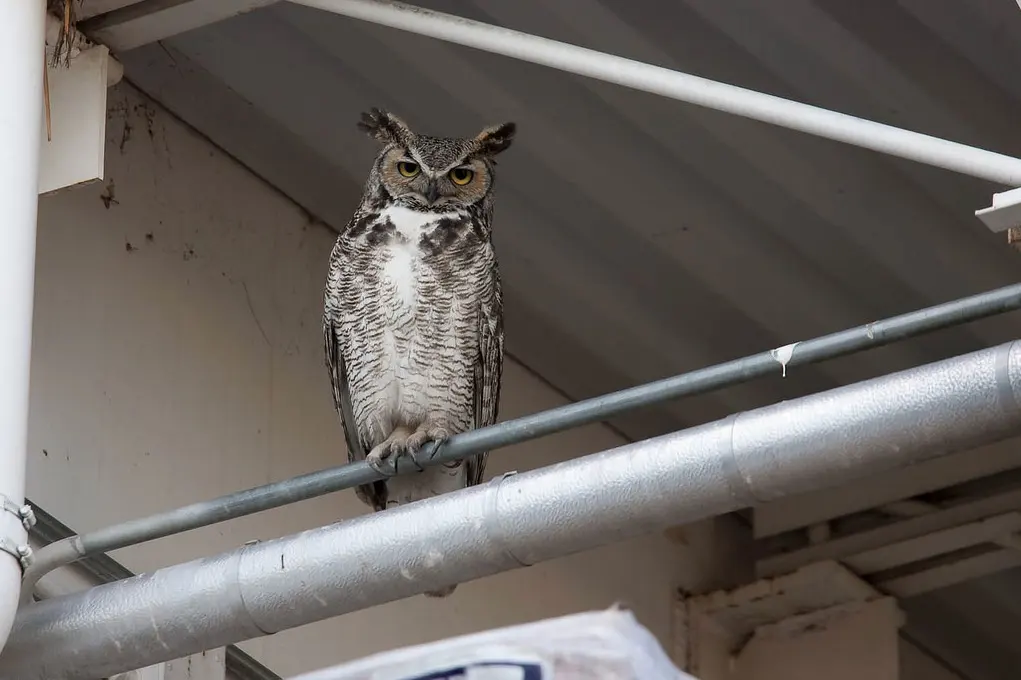
Owls generally live between 5 and 20 years in the wild, depending heavily on their size and species. Smaller owls, such as the Elf Owl, often live 5 to 7 years, while larger species like the Great Horned Owl can survive for 15 to 25 years in their natural, undisturbed habitats.
On this page
How long do different owl species live?
Lifespans vary significantly across the more than 200 species of owls found globally. Biological size is the most reliable predictor of longevity, as larger birds typically possess slower metabolisms and fewer natural predators. Conversely, diminutive species face higher mortality rates due to their vulnerability to hawks, snakes, and even larger owl species.
While wild lifespans are often cut short by environmental pressures, captive owls frequently live significantly longer. Controlled environments provide consistent food sources and veterinary care, which eliminates the primary threats of starvation and untreated injury. For instance, while a wild Great Horned Owl might live 15 years, individuals in captivity have been documented living past 30 years.
- Great Horned Owl: 15–25 years in the wild
- Barn Owl: 4–10 years in the wild
- Snowy Owl: 10–15 years in the wild
- Elf Owl: 5–7 years in the wild
- Eurasian Eagle-Owl: 20–30 years in the wild
Why do owls die in the wild?
The primary cause of mortality for wild owls is the struggle for survival in harsh environments. Young owls, known as owlets, face the highest risk of death during their first year of life. Many fail to master hunting skills before winter sets in, leading to starvation. Additionally, territorial disputes between owls can result in fatal injuries, especially when food resources are scarce.
Human-related hazards also significantly impact owl populations. Vehicle collisions are a leading cause of death for owls that hunt near roadsides, where they are attracted to small mammals scavenging for food. Furthermore, the use of rodenticides—poisons intended to kill rats and mice—often leads to secondary poisoning when owls consume contaminated prey. This toxic buildup weakens the birds, making them susceptible to disease and accidents.
- Starvation due to inexperience or poor hunting conditions.
- Predation by larger raptors, mammals, or other owls.
- Collisions with vehicles, power lines, or glass windows.
- Secondary poisoning from consuming prey tainted with pesticides.
- Exposure to extreme weather events during migration or nesting.
How can you help owls live longer?
Supporting local owl populations involves creating a habitat that minimizes human-made risks. If you live in an area with owl activity, the most impactful action is to eliminate the use of rodenticides. These chemicals persist in the food chain and cause slow, painful deaths for raptors. Instead, focus on natural pest control methods that do not rely on toxic baits.
You should also consider the physical environment around your property to prevent common accidents. If you find an injured owl, do not attempt to rehabilitate it yourself, as these birds require specialized care and nutrition. Contact a licensed wildlife rehabilitator immediately to ensure the animal receives professional medical attention. Providing nesting boxes can also increase survival rates by offering safe shelter from predators and harsh weather conditions.
- Avoid using rodenticides and chemical pesticides in your garden.
- Install motion-activated lighting to reduce the need for bright, constant floodlights.
- Keep cats indoors, as they are significant predators of young owls.
- Place reflective decals on large windows to prevent fatal bird strikes.
- Support local land conservation efforts to protect nesting grounds.
Common mistakes when observing owls
Many bird enthusiasts inadvertently harm owls by attempting to get too close for photographs or observation. Owls are sensitive to human presence, and repeated disturbances can cause them to abandon their nests or hunting grounds. A common error is using flash photography at night, which can temporarily blind an owl and disrupt its ability to hunt or navigate safely in the dark.
Another mistake is mimicking owl calls to attract birds for a better view. While this might seem harmless, it causes significant stress to the owl, which perceives the sound as a territorial challenge from a rival. This forces the owl to expend precious energy defending its territory instead of resting or foraging. Always maintain a respectful distance and use binoculars or a spotting scope to observe these birds without interfering with their natural behaviors.
What factors influence owl longevity?
Genetics and environmental stability are the pillars of an owl's lifespan. Species that inhabit stable, resource-rich environments tend to live longer than those that must migrate long distances. Migration is an exhausting process that exposes birds to unpredictable weather patterns and unfamiliar territories where food may be difficult to locate. Owls that remain in a consistent home range throughout the year generally have higher survival rates.
Furthermore, the quality of an owl’s nesting site plays a critical role in its long-term health. A well-protected nest, whether in a hollow tree or a sturdy man-made box, shields the owl from predators and the elements. As owls age, their hunting efficiency may decline, making them more dependent on the security of their established territory. By maintaining healthy forest ecosystems and minimizing human interference, we ensure that these birds can reach their full natural potential.
Key facts
- Most wild owls live between 5 and 15 years, though larger species often survive longer than smaller ones.
- The Great Horned Owl can live up to 20 years in the wild and even longer in captivity.
- Captive owls often live significantly longer than wild counterparts due to consistent food, veterinary care, and protection from predators.
- Mortality rates for young owls are high, with many failing to survive their first year due to starvation or accidents.
- Providing a safe, undisturbed nesting site is the best way to support local owl populations without interfering with their natural behaviors.
- Never attempt to feed wild owls, as this disrupts their hunting instincts and can lead to dangerous human habituation.
The bottom line
Owls lead challenging lives, with most individuals facing significant risks during their first year. While their natural lifespan in the wild typically ranges from 5 to 15 years, environmental factors like habitat quality and food availability play critical roles in their survival. By protecting natural habitats and minimizing human interference, we can ensure these remarkable birds continue to thrive in their native ecosystems for years to come.
People also ask
Do owls live longer in captivity than in the wild?
Yes, captive owls frequently live twice as long as wild owls because they are protected from environmental hazards, disease, and food shortages. Some captive Great Horned Owls have been recorded living into their late 20s or early 30s.
What is the primary cause of death for wild owls?
The most common causes of death for wild owls include starvation, collisions with vehicles, and habitat loss. Young owls are particularly vulnerable as they learn to hunt and establish their own territories.
Can I keep an owl as a pet to ensure it lives a long life?
Keeping an owl as a pet is illegal in many jurisdictions and is highly discouraged by wildlife experts. Owls have complex dietary, social, and space requirements that are nearly impossible to meet in a domestic setting.
How can I tell if an owl is young or old?
Estimating an owl's age in the wild is difficult without specialized banding data. Generally, younger owls may have downy feathers or less developed plumage, while older owls may show signs of wear on their flight feathers.
Do all owl species have the same lifespan?
No, lifespan varies greatly by species size and environment. Smaller species like the Elf Owl typically have shorter natural lifespans compared to larger, more robust species like the Eurasian Eagle-Owl.
How do predators affect the lifespan of an owl?
While adult owls are apex predators, they can still be killed by larger raptors, such as eagles or other owls. Nestlings and fledglings are at the highest risk of predation from snakes, raccoons, and cats.
This answer was created with the help of AI research tools and reference sources. Spotted an error? Let us know — we correct mistakes quickly. See our editorial policy.