Are monarch butterflies endangered?
Short answer
Monarch butterflies are not currently classified as endangered by the U.S. Endangered Species Act, but they are listed as endangered by the International Union for Conservation of Nature (IUCN). Their populations have declined significantly due to habitat loss, climate change, and pesticide use, placing them at high risk of extinction in the wild.
On this page
Why are monarch butterfly populations declining?
The primary driver of the monarch population collapse is the widespread loss of milkweed, the only plant upon which monarch caterpillars can feed. As industrial agriculture has expanded, the use of herbicides has eradicated milkweed from fields that were once prime breeding grounds. Without this essential host plant, the reproductive cycle of the monarch is severely disrupted.
Climate change also plays a critical role by altering the timing of migration and the availability of nectar sources. Extreme weather events, such as droughts and severe storms, can kill large numbers of monarchs during their migration or while they overwinter in Mexico and California. Furthermore, the degradation of overwintering sites due to illegal logging and forest thinning leaves the butterflies vulnerable to freezing temperatures.
- Habitat fragmentation due to urban development.
- Increased use of systemic insecticides like neonicotinoids.
- Loss of native wildflowers that provide nectar for adults.
- Changes in temperature affecting the timing of spring migration.
How do monarch butterflies migrate?
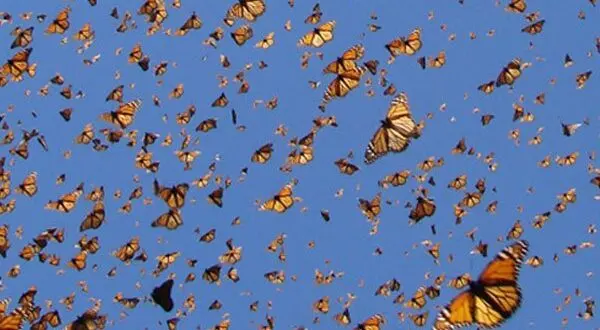
Monarchs are famous for their multi-generational migration, a phenomenon that spans thousands of miles across North America. Unlike many other migratory species, individual monarchs do not make the entire round trip. Instead, the migration is completed by a sequence of generations, with the final "super generation" living up to eight months to complete the journey south.
In the fall, monarchs in the eastern United States and Canada fly to the oyamel fir forests in central Mexico. Western populations typically migrate to coastal California. These specific microclimates provide the exact humidity and temperature required for the butterflies to survive the winter in a state of semi-dormancy. In the spring, they begin the return journey, laying eggs on milkweed plants along the way to start the next cycle.
How to create a monarch waystation
You can support monarch conservation by transforming your backyard or balcony into a waystation. This provides the necessary fuel and breeding grounds for monarchs as they move through your region. A successful waystation must contain specific elements to be truly effective for the local ecosystem.
- Select a sunny location that receives at least six hours of direct sunlight daily.
- Plant at least three different species of native milkweed to ensure a long blooming season.
- Incorporate a variety of nectar-rich native flowers that bloom at different times, such as asters, goldenrod, and coneflowers.
- Provide a shallow water source, such as a birdbath with stones, so butterflies can land safely.
- Avoid all chemical pesticides and herbicides, as these are toxic to caterpillars and adults.
Common mistakes when helping monarchs
Many well-meaning gardeners inadvertently harm the species they intend to help by choosing the wrong plants or maintenance practices. One of the most frequent errors is planting tropical milkweed (Asclepias curassavica) in regions where it does not naturally occur. This plant can persist through mild winters, which encourages monarchs to stay too long rather than migrating, and it often harbors a harmful protozoan parasite called Ophryocystis elektroscirrha.
Another common mistake is the excessive use of lawn chemicals. Even if you do not spray milkweed directly, fertilizers and pesticides can drift into nearby habitats, contaminating the food supply. Additionally, some people attempt to raise monarchs indoors in large numbers. While this can be educational, improper hygiene can lead to the spread of diseases among captive butterflies, which may then be released into the wild to infect healthy populations.
- Planting non-native, invasive milkweed species.
- Using "butterfly kits" that introduce non-local genetic strains.
- Over-managing garden spaces by removing "weeds" that are actually vital host plants.
- Failing to provide a continuous succession of nectar sources throughout the entire season.
What is being done to save them?
Conservationists and government agencies are working to restore millions of acres of habitat across the migratory corridor. Programs such as the Monarch Joint Venture coordinate efforts between scientists, private landowners, and federal agencies to protect overwintering sites and increase milkweed density in agricultural landscapes. These large-scale initiatives are essential for creating the connectivity that monarchs require to navigate the continent successfully.
Policy changes are also gaining momentum, with many states implementing roadside management plans that prioritize native vegetation over mowing. By leaving milkweed and nectar plants along highway corridors, states create "pollinator highways" that span entire regions. While these efforts are significant, the long-term survival of the monarch depends on continued public participation and the protection of critical forest ecosystems in Mexico. Through a combination of individual action and landscape-level conservation, there is still a viable path forward for this iconic species to recover its historic numbers.
Key facts
- The International Union for Conservation of Nature (IUCN) officially classified the migratory monarch butterfly as endangered in 2022.
- Monarch populations have declined by more than 80 percent since the mid-1990s due to habitat loss and climate change.
- Milkweed is the only plant species on which monarch butterflies lay their eggs and the only food source for their larvae.
- Pesticides and herbicides, particularly glyphosate, have significantly reduced the availability of milkweed across North American agricultural landscapes.
- Planting native milkweed species is the most effective way for individuals to support local monarch breeding populations.
- Avoid planting non-native tropical milkweed, as it can harbor parasites and disrupt the natural migratory cues of the butterflies.
The bottom line
The monarch butterfly is currently classified as endangered, reflecting a critical decline in its migratory population. While the situation is dire, individual action remains impactful. By planting native milkweed and nectar-rich flowers, you provide essential fuel for their survival. Avoid chemical pesticides and support local conservation efforts to ensure these iconic insects continue their remarkable journey across the continent for generations to come.
People also ask
Why do monarch butterflies migrate?
Monarchs migrate to escape freezing winter temperatures that would kill them. They travel thousands of miles to specific oyamel fir forests in central Mexico or coastal regions in California to hibernate.
How can I identify a monarch butterfly?
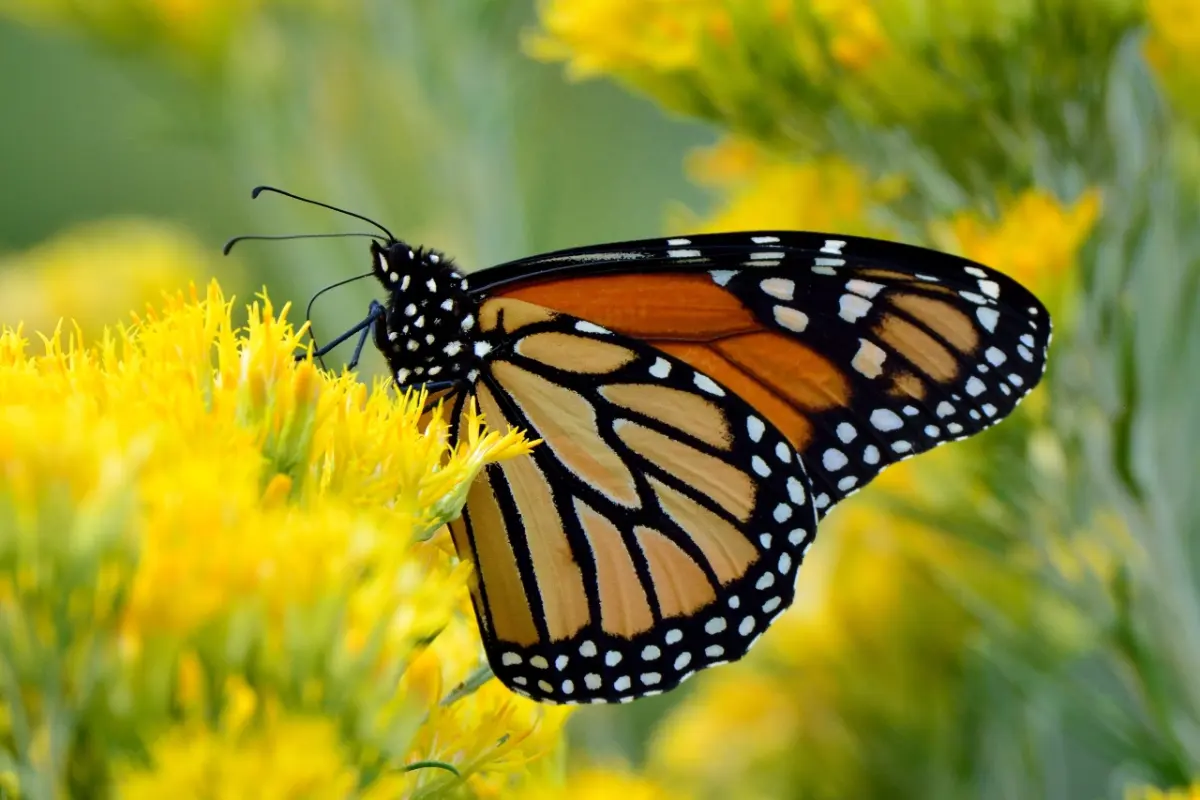
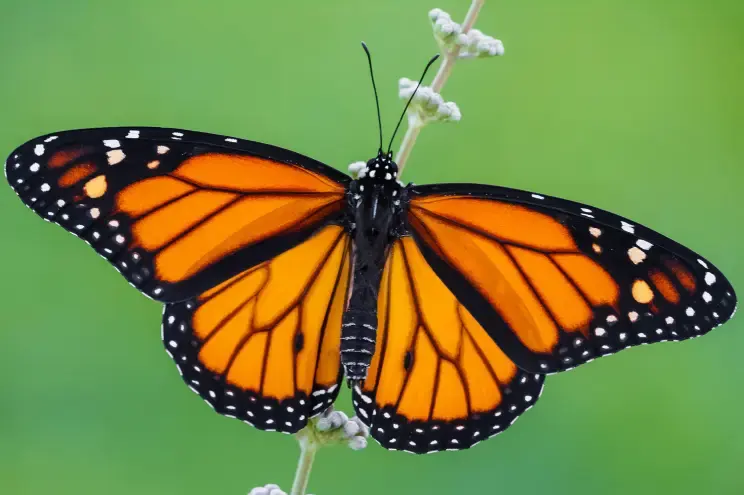
Monarchs are easily recognized by their bright orange wings with black veins and white-spotted black borders. They have a wingspan of approximately 3.5 to 4 inches and a distinct, slow, gliding flight pattern.
Do monarch butterflies live long lives?
Most monarchs live only two to six weeks during the summer breeding season. However, the "super generation" that emerges in late summer can live up to eight months to complete the long migration.
Is it helpful to raise monarchs in captivity?
While popular, captive rearing can inadvertently spread diseases like OE (Ophryocystis elektroscirrha) and may produce butterflies with weaker migratory instincts. Experts generally recommend focusing on habitat restoration instead.
How does climate change affect monarch populations?
Extreme weather events, such as droughts and severe storms, disrupt the timing of milkweed growth and nectar availability. These shifts can cause monarchs to arrive at breeding grounds before their food sources are ready.
What is the difference between a monarch and a viceroy butterfly?
Viceroys look very similar to monarchs but are smaller and have a thin black line running across their hind wings. Viceroys do not migrate and are not dependent on milkweed for their survival.
This answer was created with the help of AI research tools and reference sources. Spotted an error? Let us know — we correct mistakes quickly. See our editorial policy.