What are the benefits of volunteering?
Short answer
Volunteering enhances mental and physical well-being by reducing stress, combating depression, and fostering a sense of purpose. It strengthens community ties, builds professional skill sets, and provides networking opportunities. Engaging in altruistic activities also improves cognitive function and longevity, creating a mutually beneficial relationship between the volunteer and the organization served.
On this page
How does volunteering improve mental health
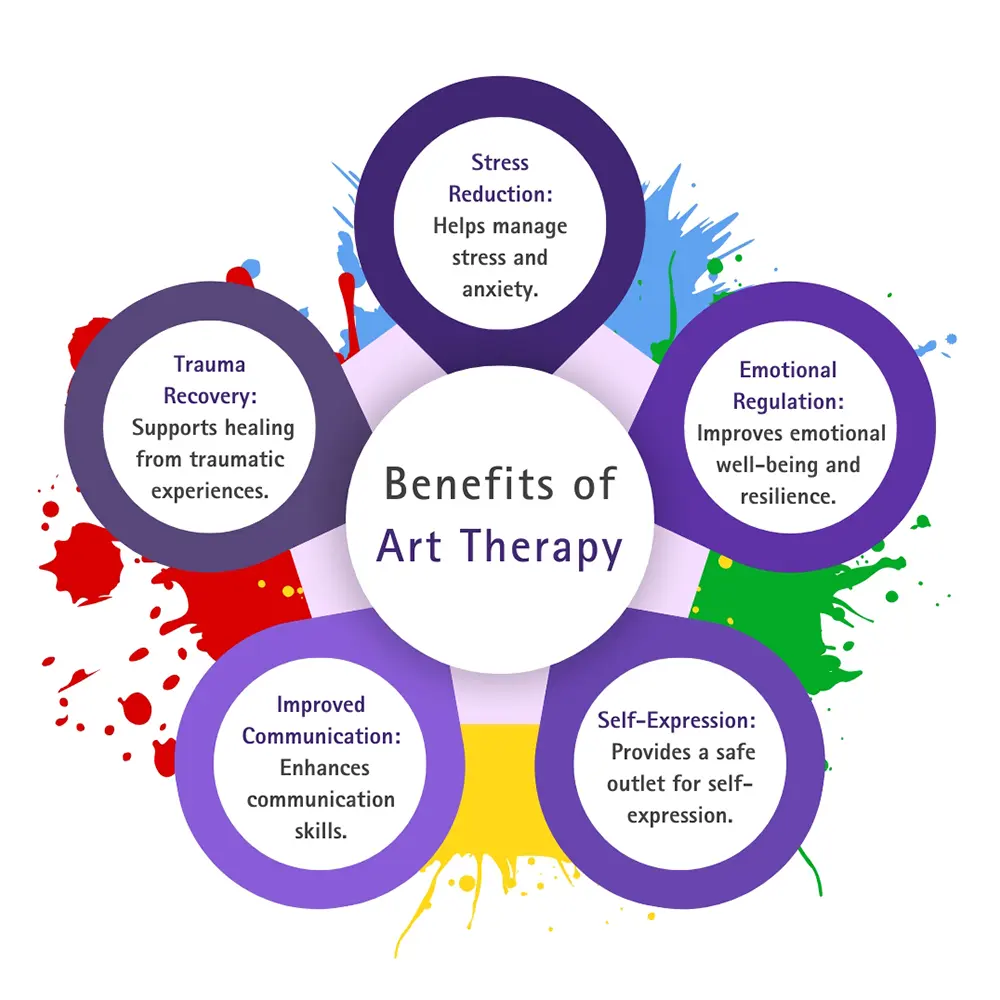
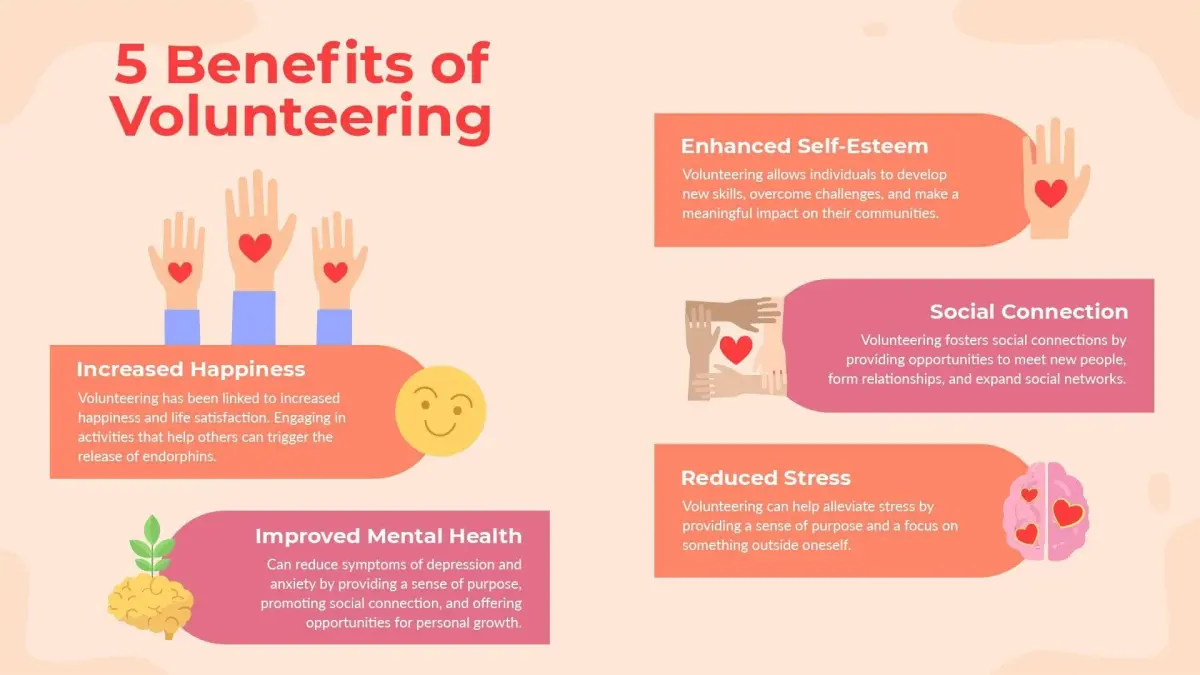
Research consistently shows that helping others triggers the release of dopamine and oxytocin, often referred to as the "helper’s high." This physiological response lowers cortisol levels, which helps manage chronic stress and anxiety. For individuals experiencing isolation or life transitions, regular service provides a reliable social structure that combats feelings of loneliness and depression.
Beyond immediate mood elevation, volunteering fosters a sense of self-worth and purpose. Engaging with a cause larger than oneself shifts focus away from personal stressors, providing a healthy perspective on one's own challenges. Studies from organizations like the Mayo Clinic suggest that people who volunteer report higher levels of life satisfaction. This psychological boost is particularly significant for retirees or those seeking a renewed sense of direction after major life changes.
What are the physical health benefits of volunteering
The health advantages of volunteering extend to physical longevity and cardiovascular wellness. A study published in the journal Psychology and Aging found that older adults who volunteered for at least 200 hours per year showed a significantly lower risk of developing hypertension. By staying active and engaged, volunteers often maintain better mobility and cognitive sharpness as they age.
The physical benefits often stem from the nature of the tasks involved. Whether it is building homes with Habitat for Humanity, maintaining community gardens, or walking dogs at a shelter, the activity keeps the body moving. These tasks offer the following physical health improvements:
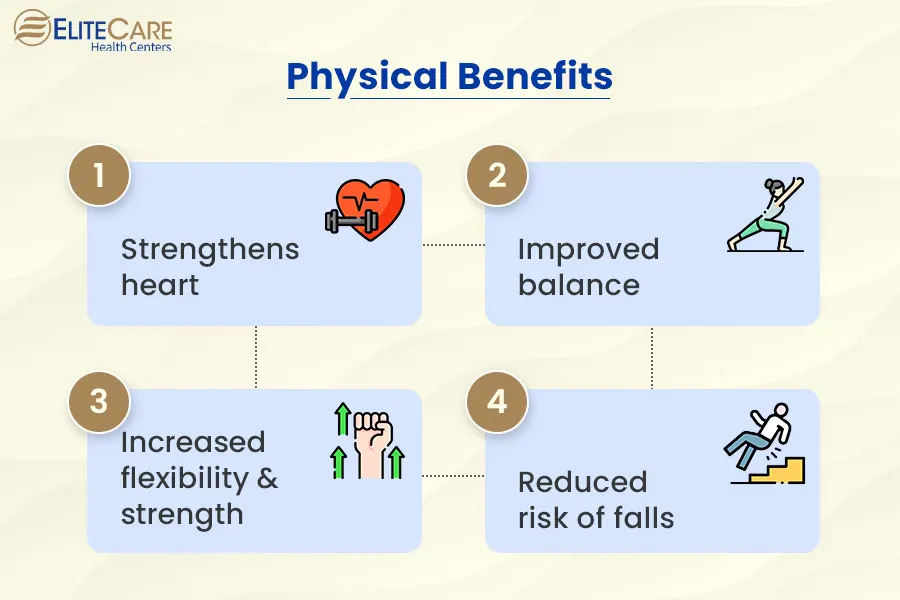
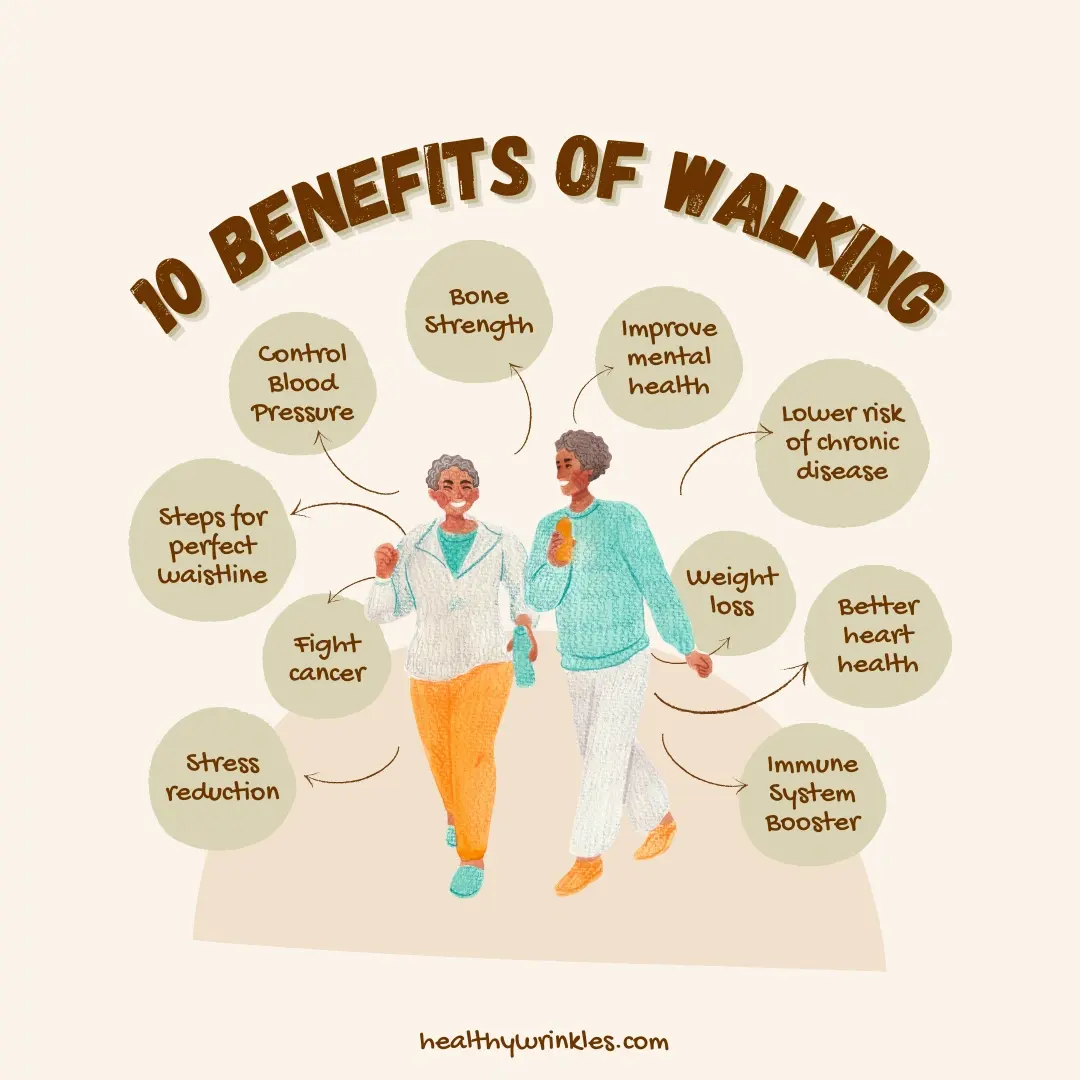
- Improved cardiovascular health through consistent, low-impact exercise.
- Enhanced immune system function due to reduced chronic stress.
- Better sleep quality resulting from increased daily physical exertion.
- Lowered blood pressure levels through sustained engagement in community activities.
How to find the right volunteer opportunity
Choosing the right role is essential for maintaining long-term commitment. Start by assessing your current skills and the amount of time you can realistically dedicate each week. If you are a professional, consider skills-based volunteering, such as offering accounting or marketing services to a non-profit. If you prefer manual labor or social interaction, look for roles in food banks, literacy programs, or animal rescue centers.
To begin your search, follow these steps to ensure a good fit:
- Identify your core values and the causes you feel most passionate about.
- Use reliable platforms like VolunteerMatch or Idealist to filter opportunities by location and interest.
- Contact the organization to ask about their onboarding process and time expectations.
- Request a trial period or a "shadowing" session to see if the environment matches your personality.
- Evaluate your satisfaction after the first month to determine if the role aligns with your goals.
Why professional development is a key benefit
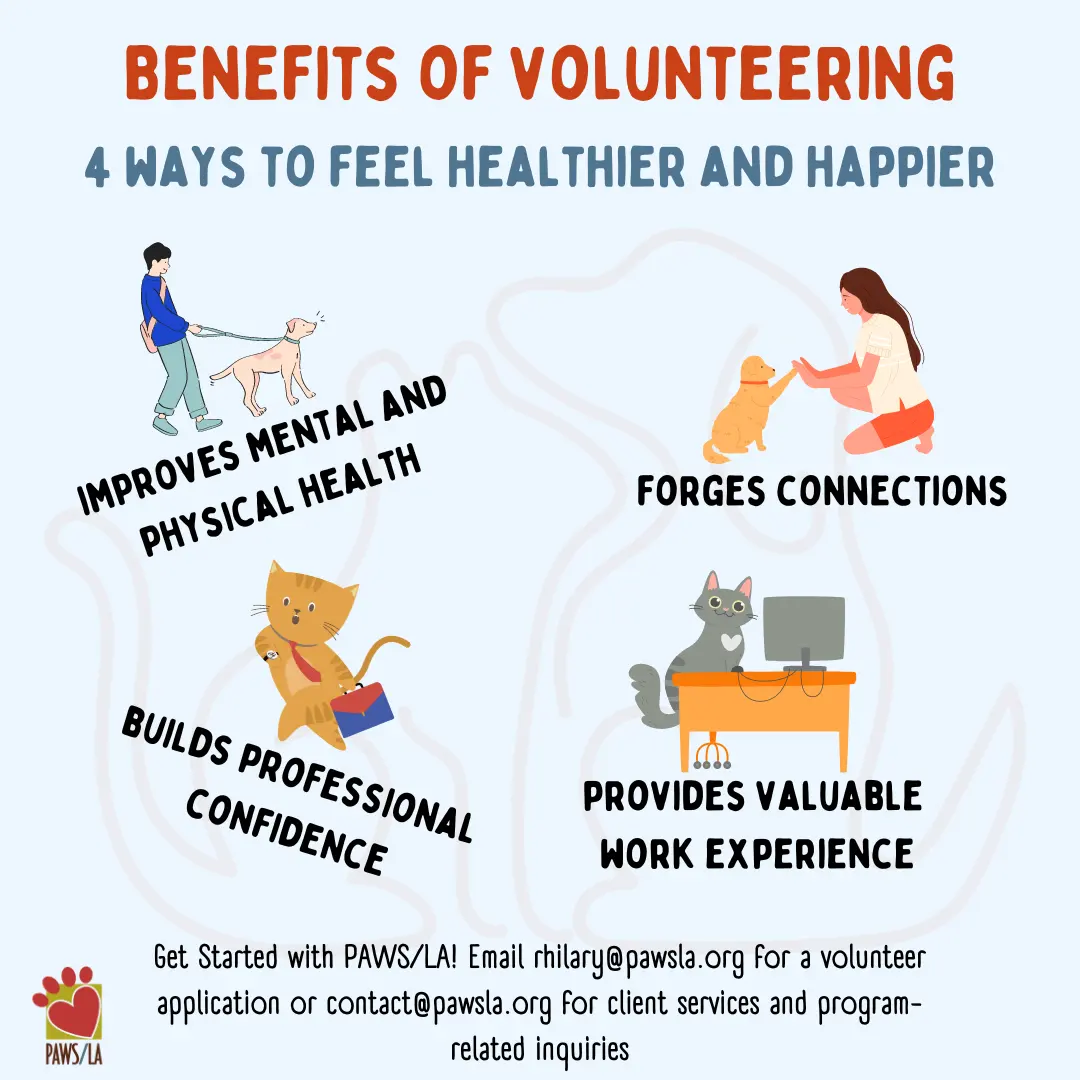
Volunteering is an effective way to bridge gaps in a resume or pivot to a new career field. It allows individuals to gain hands-on experience in industries like project management, event coordination, or public relations without the pressure of a full-time employment contract. Many employers view volunteer work as a sign of initiative, leadership, and a commitment to community values.
Furthermore, the networking opportunities provided by non-profits are invaluable. You will likely work alongside professionals from diverse backgrounds, potentially opening doors to mentorship or future job leads. By taking on responsibilities such as managing a team of volunteers or organizing a fundraising event, you demonstrate soft skills that are highly transferable to any corporate or academic environment. This practical experience is often the missing link for career changers looking to prove their competency in a new sector.
Common mistakes when starting to volunteer
One of the most frequent errors is overcommitting during the initial excitement of a new project. Many people sign up for multiple roles, only to burn out within a few months. It is far better to start with a modest, consistent schedule—such as two hours every other Saturday—than to attempt a heavy load that becomes unsustainable. Always prioritize quality of service over the quantity of hours logged.
Another common mistake is failing to research the organization's culture or mission before committing. You should ensure that the group's values align with your own to prevent frustration or moral conflict. Additionally, avoid the trap of expecting immediate, visible results from your labor. Social impact often takes time to manifest, and patience is a critical trait for any volunteer. Finally, do not ignore the importance of communication; if you cannot make a shift, notify your coordinator promptly to maintain professional integrity and ensure the organization can plan accordingly.
Key facts
- Research from the Corporation for National and Community Service shows that volunteers have a 27% higher likelihood of finding employment than non-volunteers.
- A study published in the journal BMC Public Health found that volunteering is associated with significant reductions in depression and an increase in overall life satisfaction.
- The "helper’s high" is a physiological response where the brain releases endorphins during altruistic acts, potentially lowering blood pressure and stress levels.
- When choosing a role, focus on organizations with clear mission statements to ensure your time directly supports your intended cause.
- Avoid overcommitting by starting with a trial period of one to two hours per week before signing long-term contracts.
- Always clarify the specific skills required for a position to ensure your contribution aligns with the organization's current operational needs.
The bottom line
Volunteering offers a unique intersection of personal growth and community impact. By dedicating your time, you not only improve the lives of others but also enhance your own mental health, physical well-being, and professional prospects. Whether you seek to build new skills or find a sense of purpose, the key is to start small, remain consistent, and choose causes that genuinely align with your personal values.
People also ask
How do I find a reputable organization to volunteer with?
Use platforms like VolunteerMatch or Idealist to search for verified nonprofits in your local area. You can also contact your local United Way chapter for a list of vetted community partners.
Can volunteering help me switch careers?
Yes, volunteering allows you to gain hands-on experience and build a professional network in a new field. Many employers view volunteer work as a credible way to fill resume gaps and demonstrate soft skills.
Is there a minimum age requirement for most volunteer opportunities?
Requirements vary by organization, but many programs accept volunteers as young as 14 or 16 with parental consent. Some specialized roles, such as crisis counseling, often require volunteers to be at least 18 or 21.
Does volunteering count as tax-deductible?
While your time is not tax-deductible, you can often deduct out-of-pocket expenses related to your service, such as travel costs or supplies. Keep detailed receipts and records to provide to your tax professional.
What if I don't have a specific skill to offer?
Most organizations provide on-the-job training for volunteers, meaning your willingness to learn is more important than prior expertise. Tasks like sorting donations, administrative support, or event setup rarely require specialized backgrounds.
Can I volunteer remotely?
Virtual volunteering has grown significantly, allowing people to contribute through graphic design, translation, tutoring, or data entry from home. Websites like Catchafire specifically match skilled professionals with remote projects.
This answer was created with the help of AI research tools and reference sources. Spotted an error? Let us know — we correct mistakes quickly. See our editorial policy.