How long do orcas live?
Short answer
Female orcas typically live between 50 and 80 years, though some reach 100. Males have shorter lifespans, usually living 30 to 50 years, with rare individuals reaching 60. Their longevity is comparable to humans, but survival rates vary significantly based on their specific social group, geographic location, and access to consistent food sources.
On this page
How long do orcas live in the wild?
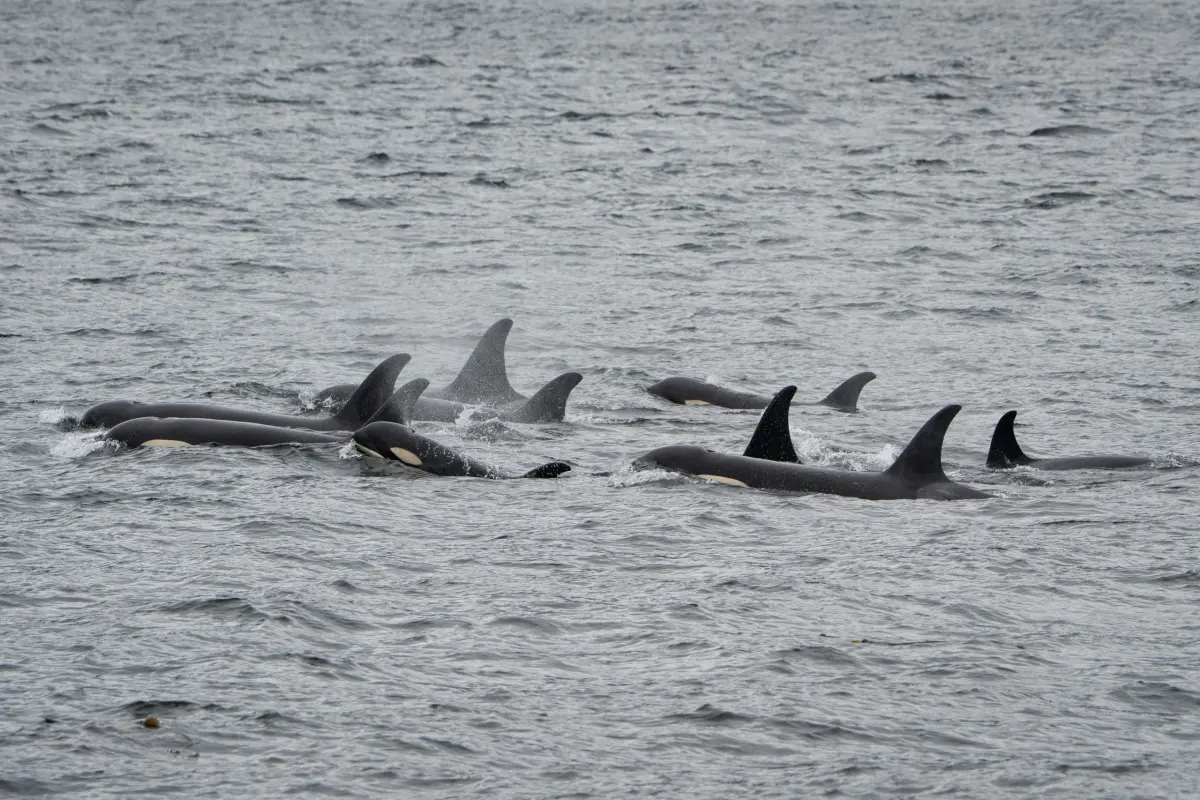
In the wild, orca longevity is closely tied to their complex social structures and matrilineal pods. Females generally outlive males by several decades, a biological trait that allows older matriarchs to lead their groups to food sources and pass on essential cultural knowledge. While the average lifespan for a female is often cited as 50 years, individuals in stable populations like those in the Pacific Northwest have been documented living well into their 80s and 90s.
Males face higher mortality rates, often due to the physical demands of mating competition and the stress associated with maintaining social status within a pod. While a male might survive to 60 years in optimal conditions, many do not reach their fourth decade. Environmental factors, including pollution and the availability of prey like Chinook salmon, play a critical role in determining these outcomes. When environmental stressors increase, the entire population’s average age often declines rapidly.
Why do orcas live so long?
The longevity of orcas is primarily attributed to their highly developed social intelligence and the menopause phenomenon. Female orcas are among the few species on Earth that undergo menopause, allowing older females to stop reproducing and dedicate their remaining decades to the survival of their offspring and grand-offspring. This "grandmother effect" is vital for the survival of the pod, as these experienced leaders provide guidance during times of scarcity.
Beyond social support, orcas benefit from their position as apex predators. Because they have no natural predators in the ocean, they are not subject to the same immediate threats as smaller marine mammals. Their ability to learn and adapt hunting strategies allows them to exploit diverse food sources across vast territories. This combination of social protection and behavioral flexibility creates an environment where individuals can thrive for many decades, provided their habitat remains healthy and food-dense.
How does captivity affect orca lifespan?
The impact of captivity on orca longevity remains a subject of intense scientific debate and public scrutiny. Historically, orcas held in marine parks experienced significantly higher mortality rates compared to their wild counterparts, often succumbing to infections, dental damage, or stress-related illnesses. While modern veterinary care has improved, the confined environment of a tank cannot replicate the vast, migratory nature of wild orca pods.
Experts often point to several factors that contribute to the disparity between wild and captive lifespans:
- Limited space prevents the natural exercise and migratory behaviors necessary for cardiovascular health.
- Artificial social groupings can lead to aggression and dominance-related injuries that are rare in stable, wild matrilines.
- Lack of environmental complexity may lead to psychological stress, which negatively impacts the immune system.
- Exposure to pathogens in closed water systems can be more dangerous than in the open ocean.
Common mistakes when estimating orca age
One common mistake researchers and observers make is relying on physical size to determine age. While a young orca is smaller than an adult, an orca reaches its full physical size relatively early in life. After reaching physical maturity, there are few outward indicators of age, making it difficult for casual observers to distinguish between a 30-year-old and a 60-year-old whale. Accurate aging requires long-term observational data or sophisticated chemical analysis.
To properly identify and track the age of an orca, researchers follow these protocols:
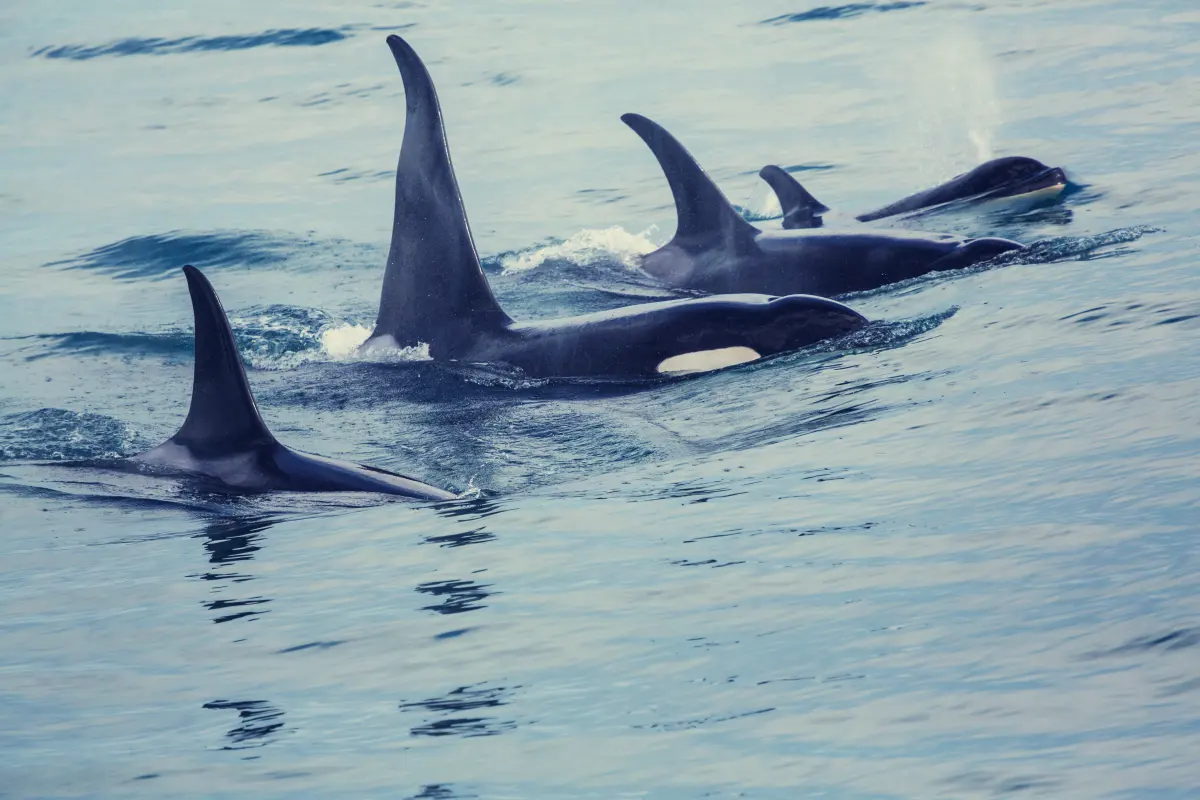
- Cataloging dorsal fin shapes and unique "saddle patches" to identify individual whales over decades.
- Observing birth records within known matrilines to establish a baseline age for younger whales.
- Using non-invasive methods like skin biopsies to analyze hormone levels and genetic markers.
- Monitoring social interactions to determine if a whale has reached reproductive status or post-reproductive status.
How to support orca conservation efforts
Protecting the longevity of wild orcas requires a multifaceted approach focused on habitat preservation and prey restoration. Because orcas are long-lived, they accumulate high levels of toxins like PCBs in their blubber over time, which can impair their reproductive health and immune systems. Reducing industrial runoff and cleaning up marine environments are essential steps for ensuring that these animals can reach their natural life expectancy without the burden of chemical pollutants.
Individuals can contribute to the long-term health of orca populations by supporting marine protected areas and sustainable fishing practices. By ensuring that salmon and other prey species remain abundant, we provide the necessary fuel for these massive predators to maintain their energy levels. Avoiding single-use plastics and participating in local beach cleanups also helps reduce the overall debris that enters the marine ecosystem. Protecting the ocean today is the most effective way to ensure that future generations of orcas continue to thrive in the wild for many decades to come.
Key facts
- Female orcas live significantly longer than males, often reaching 50 to 80 years in the wild.
- Male orcas typically have shorter lifespans, usually living between 30 and 50 years.
- The oldest known wild orca, known as Granny (J2), was estimated to be over 100 years old when she disappeared in 2016.
- Captive orcas generally have much lower life expectancies than their wild counterparts, often failing to survive past their 20s.
- Orcas are matriarchal, and older females play a critical role in leading pods to food sources during times of scarcity.
- To identify an orca's age in the wild, researchers analyze the wear on their teeth and the size of their dorsal fins.
The bottom line
Orca longevity is defined by a stark gender gap, with females frequently living twice as long as males. While wild orcas can thrive for nearly a century by relying on the leadership of experienced matriarchs, their survival is increasingly threatened by human activity and environmental degradation. Understanding these complex social structures is essential for conservation efforts aimed at protecting these intelligent marine mammals for future generations.
People also ask
Do male and female orcas age differently?
Yes, females live much longer than males. While females can live into their 80s or beyond, males rarely survive past 50 years of age.
Why do orcas in captivity live shorter lives?
Captive environments lack the space, social complexity, and natural diet found in the wild. Stress and health complications from confinement significantly reduce their longevity compared to wild populations.
How do scientists track the age of specific orcas?
Researchers use photo-identification to track individuals over decades. By documenting unique nicks on dorsal fins and saddle patches, they can determine an orca's age based on long-term observation records.
Does menopause affect an orca's lifespan?
Female orcas are one of the few species that go through menopause. This allows them to stop reproducing and focus entirely on leading their pod and ensuring the survival of their grandchildren.
What is the primary cause of death for wild orcas?
Wild orcas face threats from environmental pollution, lack of prey due to overfishing, and ship strikes. Natural predation is rare, as orcas are apex predators with no natural enemies.
Can you tell an orca's age by its size?
Size is a general indicator for juveniles, but it is not precise for adults. Once an orca reaches physical maturity, experts rely on dental wear and historical tracking data rather than body measurements.
This answer was created with the help of AI research tools and reference sources. Spotted an error? Let us know — we correct mistakes quickly. See our editorial policy.