What do orcas eat?
Short answer
Orcas are apex predators that consume a diverse diet including fish, marine mammals, and cephalopods. Their prey selection depends heavily on their specific ecotype, geographic location, and cultural hunting traditions. While some populations specialize in hunting large whales or seals, others rely almost exclusively on schooling fish like salmon or herring.
On this page
What do orcas eat in the wild?
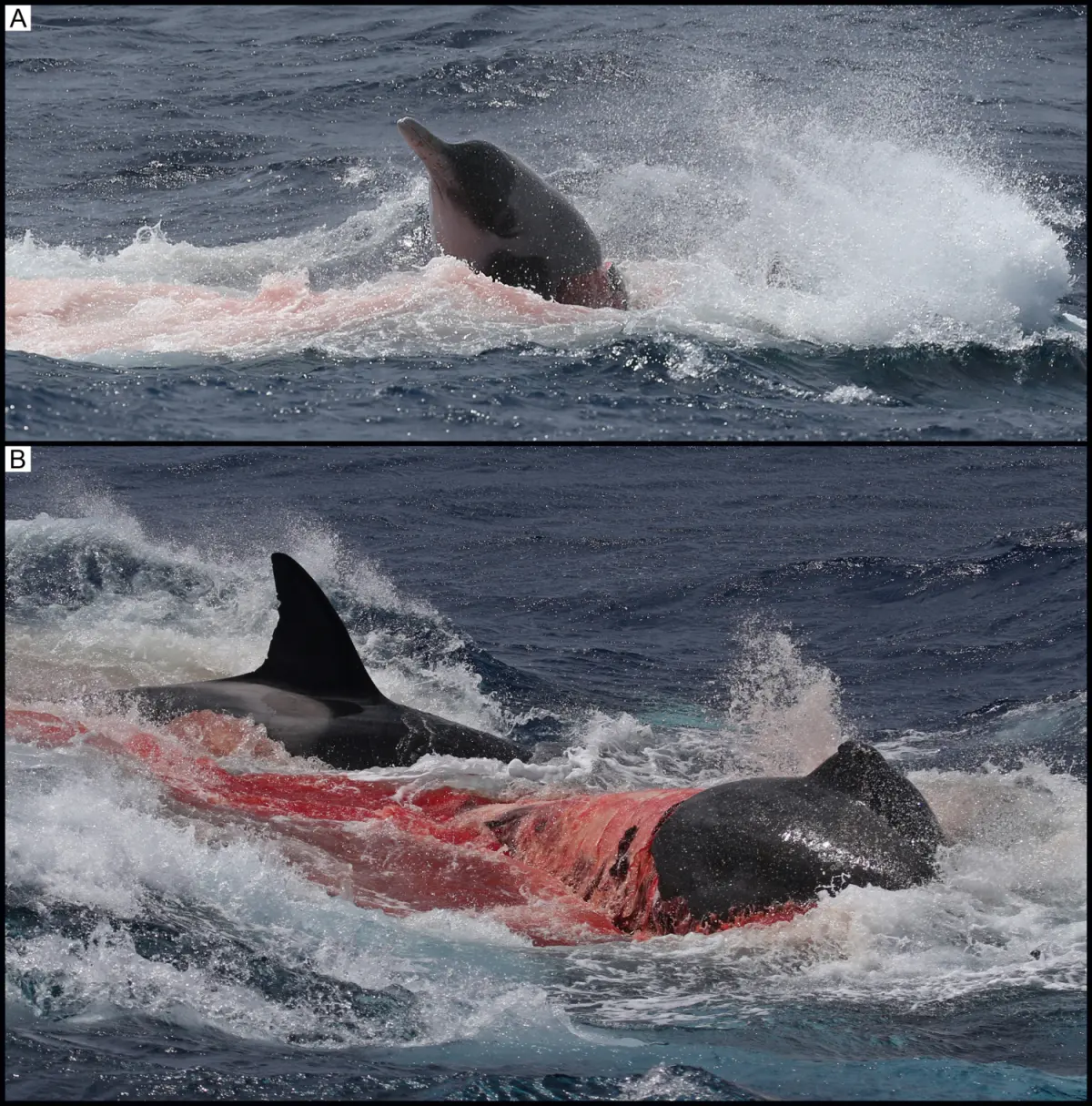
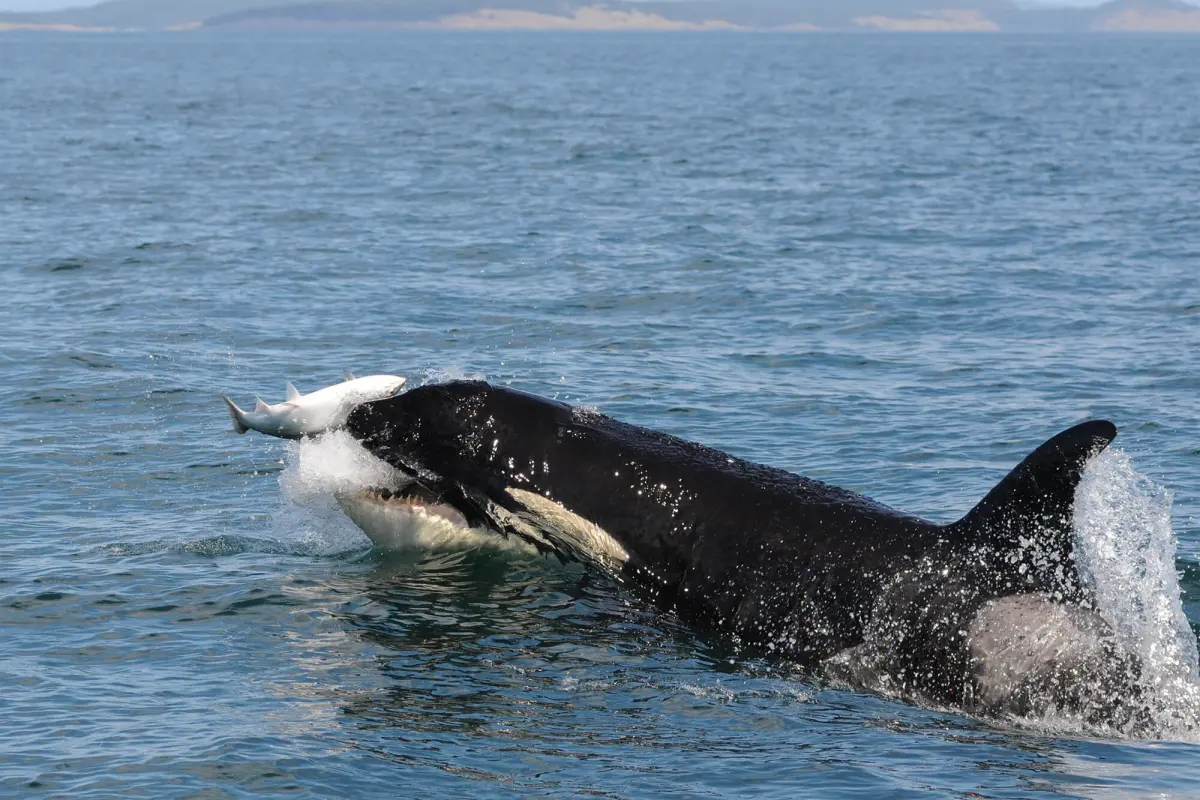
Orcas, also known as killer whales, are opportunistic feeders with a diet that varies significantly based on their social group, or "pod." Scientists classify these whales into distinct ecotypes, each possessing unique hunting strategies and dietary preferences. In the North Pacific, for example, resident orcas feed almost entirely on Chinook salmon, while their neighbors, the Bigg’s orcas, hunt exclusively marine mammals.
Because they are apex predators, orcas have no natural predators of their own. They occupy the top of the marine food web, meaning their health is an indicator of the overall stability of the ocean ecosystem. Their diet is not random; it is a learned behavior passed down through generations. This cultural transmission ensures that each pod knows exactly what to hunt and how to effectively capture their chosen prey in their specific environment.
How do orcas hunt different types of prey?
The hunting methods employed by orcas are as varied as their diet. When targeting large prey like gray whale calves or sea lions, orcas often work in highly coordinated groups to exhaust or overwhelm the target. They may ram the prey, create waves to wash seals off ice floes, or use their powerful tails to stun fish. These complex maneuvers require immense intelligence and constant communication.
To capture their prey, orcas utilize several sophisticated techniques:
- Cooperative herding: Pod members surround schools of fish, forcing them into a tight ball before taking turns feeding.
- Wave washing: Several whales swim in unison toward an ice floe to create a swell that tips the ice and dislodges a resting seal.
- Strategic beaching: In certain regions, orcas intentionally slide onto shallow shorelines to snatch sea lions or elephant seals directly from the beach.
- Sustained pursuit: When hunting large baleen whales, pods may chase their targets for hours, gradually tiring them out through relentless pressure.
Why do orcas have such specific diets?
The specialization of orca diets is primarily driven by the need for efficiency and the availability of local resources. By focusing on a specific type of prey, a pod can refine its hunting techniques to a high degree of precision. This specialization reduces competition between different groups of orcas that might inhabit the same general geographic area, as they are not targeting the same food sources.
Evolutionary adaptations also play a major role in these dietary habits. For instance, fish-eating orcas often have different tooth wear patterns compared to mammal-eating orcas. Mammal-eaters frequently encounter harder bones and tougher hides, which can lead to more significant dental erosion over time. These physical differences, combined with the specialized knowledge required to hunt effectively, create a rigid dietary structure that is difficult for individual whales to change. It is a biological and cultural commitment that ensures the survival of the pod within its niche.
Common mistakes when observing orca feeding
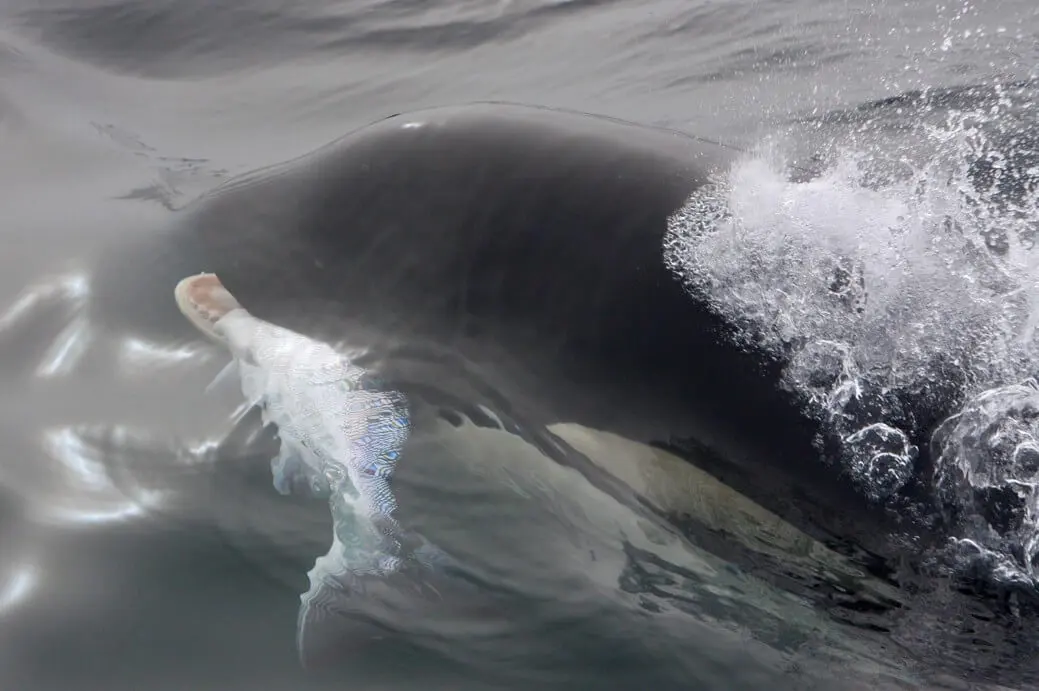
Many people incorrectly assume that all orcas are aggressive "man-eaters" or that they consume everything they encounter in the ocean. In reality, there is no documented record of wild orcas attacking humans. Another common mistake is assuming that orcas in captivity have the same dietary needs as those in the wild. Captive orcas are typically fed thawed, dead fish, which lacks the nutritional complexity and mental stimulation provided by live hunting.
When attempting to observe or study orca feeding habits, researchers and enthusiasts must avoid several pitfalls:
- Approaching too closely: Getting too near a hunting pod can disrupt their coordination and cause them to abandon a hunt.
- Assuming all pods are the same: Expecting a group of orcas to eat a specific prey item just because another group does is a fundamental error in ecological assessment.
- Ignoring environmental changes: Failing to account for how climate change or overfishing affects prey availability can lead to incorrect conclusions about why a pod might be moving to new territories.
What is the impact of declining prey populations?
The survival of orcas is inextricably linked to the health of their prey populations. When a primary food source, such as Chinook salmon in the Pacific Northwest, declines due to habitat loss or overfishing, the orcas that rely on that specific fish face a severe crisis. Unlike generalist predators that can easily switch to a new food source, specialized orcas often struggle to adapt to new prey types, leading to malnutrition and reduced reproductive success.
The consequences of prey depletion are far-reaching and dangerous for these marine mammals:
- Reduced calving rates: When mothers are malnourished, they are less likely to successfully carry a calf to term or produce enough milk.
- Increased toxin exposure: As orcas burn through their blubber reserves during times of food scarcity, stored pollutants like PCBs are released into their bloodstream.
- Social instability: The stress of constant foraging can disrupt the social bonds and communication patterns that are essential for the long-term survival of the pod.
Protecting the specific prey species that sustain these whales is the most effective way to ensure the future of orca populations worldwide.
Key facts
- Orcas are apex predators that consume a diverse diet, including over 140 different species of animals.
- Resident orcas in the Pacific Northwest primarily hunt Chinook salmon, which can make up 80% of their diet.
- Transient orcas, or Bigg’s killer whales, specialize in hunting marine mammals like seals, sea lions, and porpoises.
- An adult orca can consume between 300 and 500 pounds of food per day to maintain its high energy needs.
- Orcas use sophisticated cooperative hunting techniques, such as creating waves to wash seals off ice floes.
- Avoid assuming all orcas eat the same thing; their diet is culturally transmitted and varies significantly based on their specific pod and region.
The bottom line
Orcas are highly specialized apex predators whose diets are defined by their cultural heritage rather than simple biology. Whether a pod hunts salmon, seals, or sharks, their survival depends on complex group cooperation and precise hunting techniques. Understanding that these whales are not universal scavengers, but rather targeted hunters, highlights the importance of protecting specific marine habitats to ensure their continued survival in the wild.
People also ask
Do orcas ever eat humans in the wild?
There are no verified reports of wild orcas attacking or eating humans. They are highly selective hunters that rely on learned behaviors to identify appropriate prey, and humans are not part of their natural diet.
How do orcas catch prey that is faster than them?
Orcas use teamwork and high-speed maneuvers to corral fish or exhaust marine mammals. They often work in groups to surround schools of fish or block escape routes for seals and dolphins.
Do orcas eat great white sharks?
Yes, orcas have been documented hunting great white sharks to consume their nutrient-rich livers. They are capable of flipping the sharks over to induce tonic immobility, making the sharks unable to fight back.
How do baby orcas learn what to eat?
Calves learn their specific diet by observing and imitating their mothers and other pod members. This cultural transmission ensures that each population remains specialized in hunting the prey available in their home range.
Do orcas drink water?
Orcas do not drink seawater, as the salt content would dehydrate them. They obtain the necessary hydration for their bodies directly from the fluids found in the prey they consume.
Why do some orcas only eat fish while others eat mammals?
This dietary split is a result of evolutionary specialization and social structure. Different pods develop distinct hunting strategies and vocalizations that are passed down through generations, preventing competition for the same food sources.
This answer was created with the help of AI research tools and reference sources. Spotted an error? Let us know — we correct mistakes quickly. See our editorial policy.