What is the Mid-Autumn Festival?
Short answer
The Mid-Autumn Festival is a traditional East Asian celebration held on the 15th day of the eighth lunar month, typically in September or October. It honors the full moon, symbolizing harvest, family reunion, and gratitude. Celebrants gather to share mooncakes, gaze at the moon, and light lanterns during this significant cultural event.
On this page
When is the Mid-Autumn Festival celebrated?
The festival follows the lunisolar calendar, meaning its date changes annually on the Gregorian calendar. It always falls on the night of the full moon when the lunar cycle reaches its peak brightness and perceived size for the autumn season. This timing historically coincided with the end of the harvest, allowing agrarian communities to celebrate their agricultural success after months of labor.
Because the moon's cycle does not align perfectly with the solar year, the festival occurs between September 8 and October 6. In 2026, the celebration takes place on September 25. Families track these dates carefully to ensure they can travel home, as the festival is considered the second most important holiday in Chinese culture after the Lunar New Year.
What are the traditions of the Mid-Autumn Festival?
The core of the festival is the concept of reunion. Families prioritize gathering for a large meal, often held outdoors or near a window to maintain a view of the moon. Beyond dining, the holiday features several distinct customs that have evolved over centuries to reflect local regional identities across East Asia.
- Moon-gazing: Families sit together to admire the full moon, which is believed to be at its most beautiful during this time.
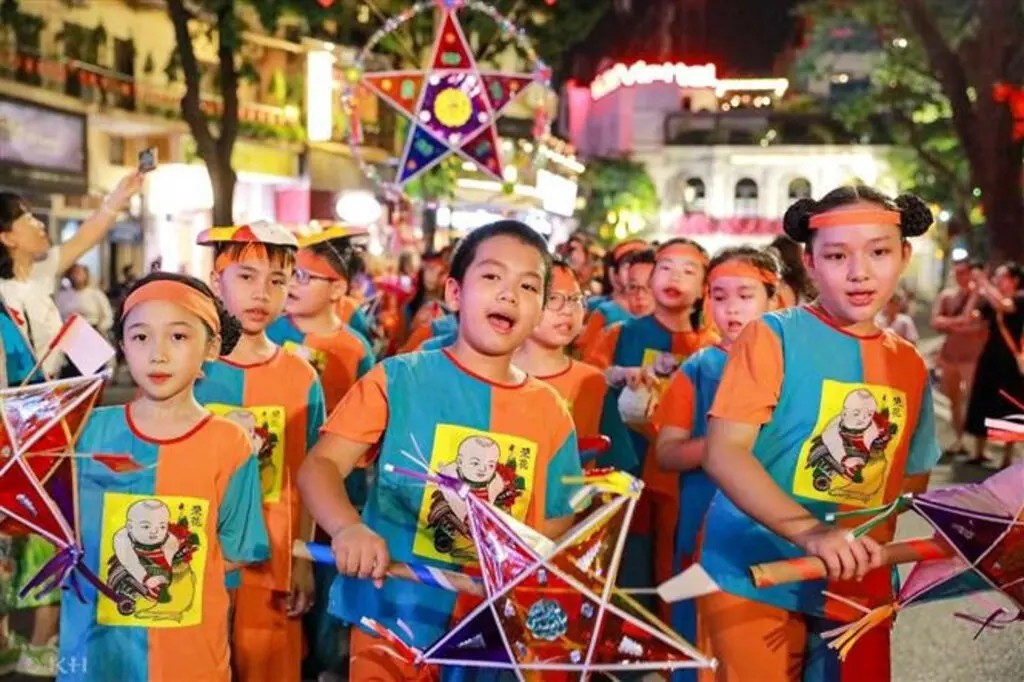
- Lantern displays: Children carry colorful paper lanterns, representing the illumination of the path to prosperity and good fortune.
- Mythological storytelling: Elders recount the legend of Chang’e, the moon goddess, and her husband Hou Yi to younger generations.
- Incense burning: In some regions, practitioners burn incense to honor deities and ancestors, expressing gratitude for the year's harvest.
Why do people eat mooncakes?
Mooncakes are the quintessential food of the festival, serving as a symbolic gift between friends, family members, and business associates. These round pastries represent the full moon and the unity of the family. While traditional versions feature a dense lotus seed paste and a salted egg yolk center, modern culinary trends have expanded the variety significantly.
- Traditional: Baked crusts filled with red bean or lotus seed paste and one or two salted duck egg yolks.
- Snow Skin: A non-baked, chilled version with a mochi-like texture, often filled with fruit, chocolate, or cream.
- Regional variations: Some areas, such as Suzhou, favor savory meat-filled pastries, while others prefer ice cream or durian fillings.
The act of slicing a mooncake into small pieces and sharing them among family members reinforces the theme of communal harmony. Giving these cakes as gifts is a formal way to strengthen social bonds and show respect to elders.
Common mistakes when celebrating the Mid-Autumn Festival
For those new to the festival, it is easy to overlook the cultural nuances that make the day meaningful. One common error is treating the mooncake merely as a dessert. In reality, it is a ritual object; cutting it unevenly or failing to share it can be seen as disregarding the spirit of unity. It is customary to cut the cake into thin wedges so that everyone present receives a portion.
Another mistake is focusing solely on the food while ignoring the environmental aspect of the moon. The festival is fundamentally about connecting with nature. Avoiding excessive artificial light is encouraged so that the natural glow of the moon remains the focal point of the evening. Additionally, when gifting mooncakes, ensure the packaging is appropriate for the recipient; avoid giving sets of four in some regions, as the number four sounds like the word for "death" in many Chinese dialects.
How to host a Mid-Autumn gathering
Hosting a gathering requires attention to atmosphere and menu planning. Start by clearing an outdoor space or a balcony where guests can view the sky unobstructed. Decorate the area with traditional lanterns to create a warm, festive glow that complements the moonlight. The goal is to facilitate conversation and reflection rather than hosting a loud or chaotic party.
Prepare a menu that highlights seasonal ingredients, such as taro, duck, or fresh pomelo, which is a traditional fruit served during this time. Keep the following tips in mind to ensure a successful event:
- Prepare a tea station: High-quality tea, such as Oolong or Pu-erh, is essential to balance the sweetness of the mooncakes.
- Create a playlist: Soft, instrumental music featuring traditional instruments like the guzheng helps maintain a serene, reflective mood.
- Provide comfortable seating: Since moon-gazing can take time, ensure guests have cushions or chairs that allow them to look upward without strain.
- Share the history: Briefly explain the significance of the festival to guests who may be unfamiliar with the folklore to foster a deeper appreciation for the evening.
Key facts
- The Mid-Autumn Festival is celebrated on the 15th day of the eighth month of the lunar calendar, usually falling in September or early October.
- It is a harvest festival traditionally centered on family reunions, moon worship, and the consumption of mooncakes.
- Mooncakes are dense, round pastries typically filled with sweet bean paste, lotus seed paste, or salted egg yolks.
- The festival is rooted in the legend of Chang'e, the Chinese moon goddess who ascended to the moon after drinking an elixir of immortality.
- Lanterns of various shapes and sizes are lit and displayed to symbolize light and prosperity during the night.
- Avoid cutting mooncakes into uneven pieces, as sharing them in equal portions is considered a sign of harmony and family unity.
The bottom line
The Mid-Autumn Festival is a significant cultural celebration emphasizing family unity, gratitude, and the beauty of the full moon. By participating in traditional activities like eating mooncakes, lighting lanterns, and gathering with loved ones, observers honor ancient legends while strengthening modern relationships. Whether through quiet reflection or vibrant community festivities, the holiday remains a vital opportunity to celebrate the harvest and cherish the bonds of family.
People also ask
Why do people eat mooncakes during this festival?
Mooncakes represent the full moon and symbolize family reunion and completeness. Sharing these pastries is a way to express gratitude and strengthen bonds with loved ones.
Is the Mid-Autumn Festival celebrated outside of China?
Yes, it is widely observed in many East and Southeast Asian countries, including Vietnam, South Korea, and Singapore. Each culture incorporates unique traditions, such as the Korean Chuseok harvest feast or Vietnamese children’s lantern processions.
What is the significance of the moon during this time?
The moon is believed to be at its brightest and roundest of the year during the festival. This celestial alignment serves as a focal point for reflection, gratitude for the harvest, and prayers for good fortune.
How should one properly prepare for a Mid-Autumn celebration?
Preparation involves cleaning the home, purchasing or baking mooncakes, and preparing tea to pair with the desserts. Many families also gather outdoors to view the moon and light lanterns together.
What are common mistakes to avoid when celebrating?
A common mistake is failing to share food with extended family or neighbors, as the holiday is explicitly communal. Additionally, avoid using broken or damaged lanterns, as these are traditionally seen as bad omens for the coming year.
Are there specific teas recommended for the festival?
Oolong, jasmine, or pu-erh teas are the standard pairings for mooncakes. These teas help balance the richness and sweetness of the dense pastries, making the experience more enjoyable.
This answer was created with the help of AI research tools and reference sources. Spotted an error? Let us know — we correct mistakes quickly. See our editorial policy.