What do chipmunks eat?
Short answer
Chipmunks are opportunistic omnivores that primarily consume seeds, nuts, fruits, and buds. Their diet fluctuates significantly with the seasons, shifting from fresh vegetation in spring to calorie-dense mast in autumn. They also occasionally supplement their plant-based intake with insects, bird eggs, small amphibians, and fungi to ensure nutritional balance throughout the year.
On this page
What do chipmunks eat in the wild?
In their natural habitat, chipmunks function as forest floor foragers, utilizing their internal cheek pouches to transport large quantities of food back to their burrows. Their diet is highly seasonal, dictated by the availability of vegetation in the local ecosystem. During the spring and summer, they graze on tender shoots, flower petals, berries, and various types of grasses. As the season progresses, they transition toward a diet rich in carbohydrates and fats to prepare for colder months.
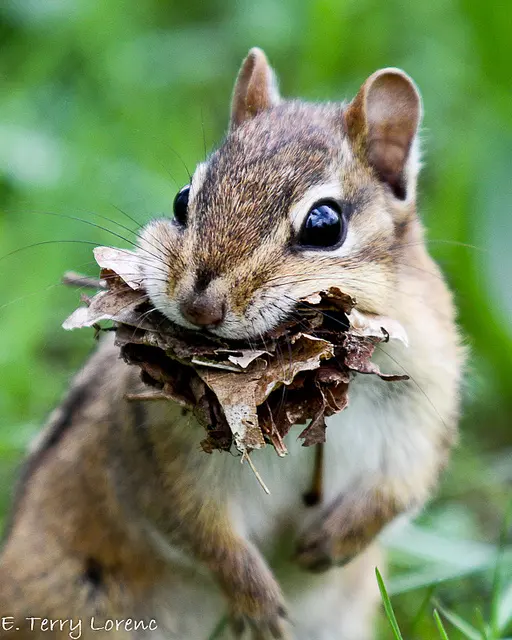
Acorns, hickory nuts, and beechnuts form the cornerstone of their autumn diet. Because they do not hibernate in the traditional sense, they rely on these cached supplies to survive periods of dormancy during winter. They are also known to consume:
- Wild mushrooms and fungi
- Seeds from sunflowers and maples
- Fruits such as blackberries, raspberries, and cherries
- Various grains and cereal grasses
How to feed chipmunks in your backyard?
If you choose to provide supplemental food, it is important to offer items that mimic their natural nutritional requirements. High-quality seeds and nuts are the most effective options for attracting them to a feeding station. Avoid processed human foods, as these often contain high levels of salt, sugar, or preservatives that can be harmful to a small mammal’s digestive system.
To safely feed chipmunks, follow these guidelines:
- Place food on a flat, stable surface like a wooden platform or a designated flat rock.
- Use raw, unsalted nuts such as walnuts, almonds, or hazelnuts to ensure they receive healthy fats.
- Provide a small, shallow dish of fresh water nearby, as hydration is essential for their metabolic health.
- Keep the feeding area clean to prevent the buildup of moldy food, which can harbor dangerous bacteria.
Which foods are dangerous for chipmunks?
While chipmunks have robust digestive systems, certain human foods are toxic or nutritionally void for them. Common household snacks often contain additives that lead to obesity, dental issues, or internal organ damage. Chocolate, for instance, contains theobromine, which is toxic to many small animals. Similarly, avoid feeding them citrus fruits, as the acidity can cause significant gastrointestinal distress.
Common mistakes to avoid when offering food include:
- Providing bread or crackers, which lack nutritional value and can cause bloating.
- Offering moldy or spoiled nuts, which may contain aflatoxins that are lethal to rodents.
- Leaving out large piles of food that attract unwanted pests like rats or raccoons.
- Feeding them processed dairy products, as most adult chipmunks are lactose intolerant.
How do chipmunks store their food?
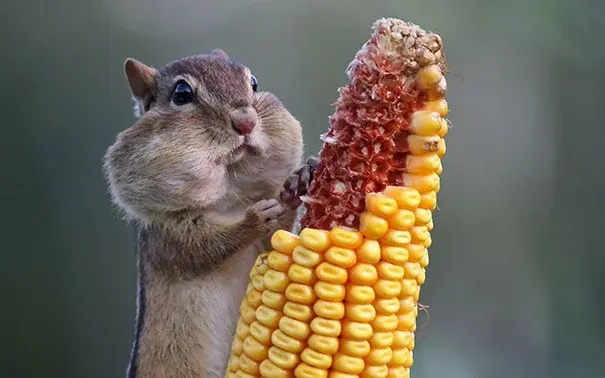
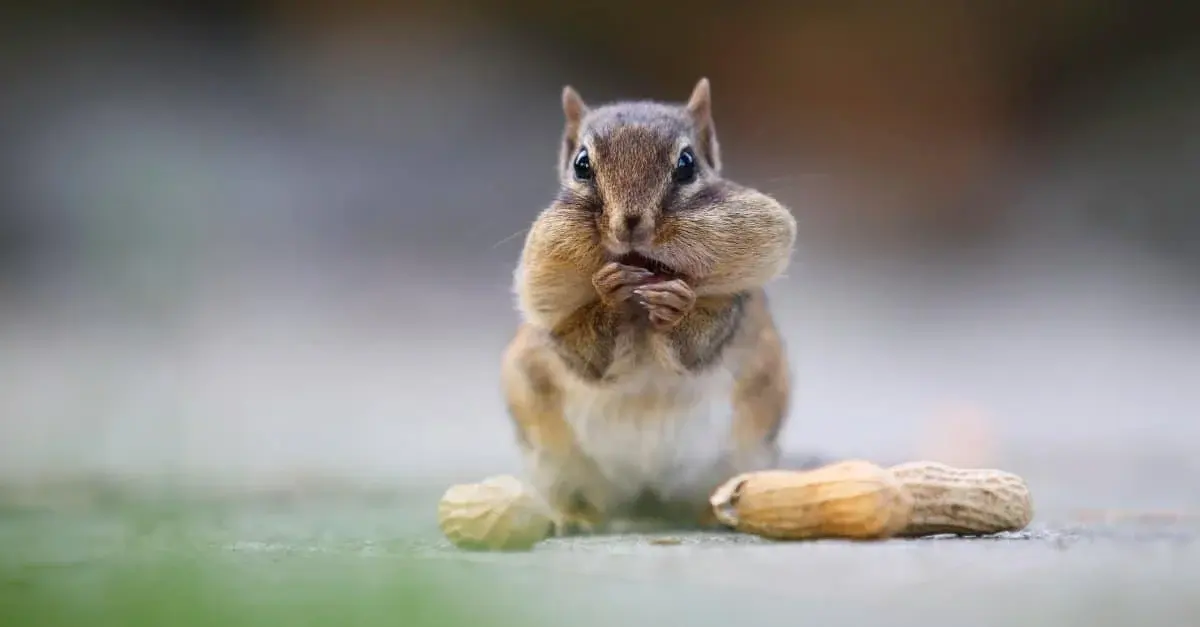
Chipmunks are master hoarders, possessing specialized cheek pouches that can expand to nearly the size of their heads. They use these pouches to carry food back to their underground tunnel systems, which can extend up to 30 feet in length. These tunnels feature distinct chambers specifically designed for food storage, sleeping, and waste management. By keeping their food underground, they protect their winter reserves from other scavengers like squirrels or blue jays.
During the autumn, a single chipmunk may store thousands of individual food items. They carefully organize these caches, often sorting items by type to ensure they remain dry and preserved. This behavior is a survival instinct; by keeping their food stores deep within the earth, they maintain a consistent temperature that prevents the seeds and nuts from rotting before they are needed during the coldest months of the year.
Why do chipmunks eat insects and eggs?
Although they are often perceived as herbivores, chipmunks are actually omnivores that require protein to maintain muscle mass and reproductive health. During the breeding season, females in particular seek out high-protein sources to support the development of their young. This behavior is not predatory in a traditional sense but rather a strategic effort to obtain essential amino acids that are difficult to find in a standard plant-based diet.
They will actively hunt for:
- Earthworms and beetle larvae found under decaying logs.
- Grasshoppers and crickets during the late summer months.
- Bird eggs or nestlings if they happen upon an accessible nest.
- Small frogs or lizards when the opportunity arises in damp environments.
By incorporating these animal proteins into their diet, chipmunks ensure they have the energy required for their high-metabolism lifestyle. This opportunistic feeding strategy allows them to thrive in diverse environments, from dense forests to suburban gardens, effectively utilizing whatever resources are available to survive the challenges of their environment.
Key facts
- Chipmunks are omnivores that consume a diverse diet including seeds, nuts, berries, insects, and small frogs.
- They utilize internal cheek pouches to transport up to 30% of their body weight in food back to their burrows.
- During autumn, a single chipmunk can cache up to 8 pounds of food to survive the winter months.
- Avoid feeding chipmunks processed human foods like bread or salty snacks, as these can cause severe digestive issues.
- To prevent attracting chipmunks to your home, store birdseed in airtight metal containers rather than plastic bags.
- They play a vital ecological role by dispersing seeds and spores throughout forest floors, aiding in plant regeneration.
The bottom line
Chipmunks are opportunistic omnivores that maintain a balanced diet of seeds, nuts, fruits, and small animals. While they are fascinating to observe, it is best to let them forage naturally rather than providing human food. By securing your birdseed and protecting your garden with physical barriers, you can coexist peacefully with these energetic rodents while ensuring they remain healthy and wild in their natural environment.
People also ask
Do chipmunks eat birdseed?
Yes, chipmunks are highly attracted to birdseed and often raid feeders. To minimize this, use baffles on poles or switch to safflower seeds, which many chipmunks find less palatable.
Will chipmunks eat my garden vegetables?
Chipmunks frequently consume tomatoes, strawberries, and young sprouts from vegetable gardens. Installing wire mesh fencing or using row covers can help protect your produce from these foragers.
Do chipmunks eat insects?
Yes, they supplement their plant-based diet with protein from insects, worms, and larvae. This behavior helps control pest populations in their natural habitats.
Can I feed chipmunks peanuts?
While they enjoy peanuts, you should offer them raw and unsalted. Roasted or salted varieties contain additives that are harmful to their health and can lead to dehydration.
Do chipmunks hibernate?
Chipmunks do not enter true hibernation but experience periods of torpor. They wake up periodically throughout the winter to eat from their stored food caches.
Are chipmunks harmful to pets?
Chipmunks are generally harmless to pets, but they can carry ticks or fleas. Ensure your pets are on regular parasite prevention medication if they spend time in areas frequented by chipmunks.
This answer was created with the help of AI research tools and reference sources. Spotted an error? Let us know — we correct mistakes quickly. See our editorial policy.