What do scorpions eat?
Short answer
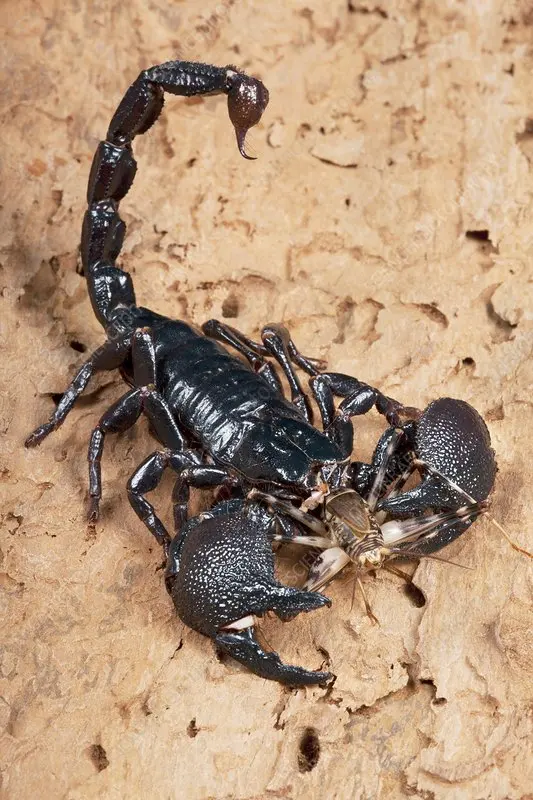
Scorpions are opportunistic nocturnal predators that primarily consume insects, spiders, and other small arthropods. While their diet consists mostly of crickets, beetles, and roaches, larger species may occasionally prey on small lizards, mice, or snakes. They use their pincers and venomous stingers to subdue prey before feeding on liquefied tissues.
On this page
What do scorpions eat in the wild?
In their natural habitats, scorpions are generalist predators that consume almost any creature they can physically overpower. Their diet is largely dictated by the availability of prey within their specific ecosystem, whether that is a desert, rainforest, or grassland. Because they are nocturnal hunters, they typically emerge at night to ambush prey that crosses their path, utilizing highly sensitive hairs on their legs to detect vibrations in the sand or soil.
Common prey items for wild scorpions include:
- Crickets and grasshoppers
- Cockroaches and beetles
- Spiders and other scorpions
- Small centipedes or millipedes
- Occasionally small vertebrates like lizards or mice
Because food can be scarce in harsh environments, scorpions have evolved an incredibly slow metabolism. This physiological adaptation allows them to survive for months without a single meal if necessary. When they do capture prey, they consume it entirely, often leaving behind only the indigestible exoskeleton.
How do scorpions hunt and feed?
Scorpions employ a "sit-and-wait" hunting strategy, remaining motionless for hours to conserve energy. When a potential meal approaches, they use their pedipalps—the large, claw-like pincers—to grasp the victim firmly. If the prey struggles, the scorpion will arch its tail over its back to deliver a precise, paralyzing sting from the telson at the tip.
Once the prey is immobilized, the feeding process begins. Scorpions do not have chewing mouthparts; instead, they possess small, pincer-like appendages called chelicerae. They use these to tear the prey into small pieces while simultaneously secreting digestive enzymes onto the carcass. This external digestion liquefies the internal tissues of the prey, which the scorpion then sucks into its mouth. This process is highly efficient, ensuring that almost no nutritional value is wasted during the consumption of the meal.
Best food for pet scorpions
For those keeping scorpions in captivity, replicating a natural diet is essential for the animal's long-term health. The most reliable food sources are live insects purchased from pet supply stores, as these are generally free from pesticides and parasites. It is important to match the size of the prey to the size of the scorpion; the prey should never be larger than the scorpion's body.
Recommended feeding schedule and options:
- Offer live crickets, which are the gold standard for most captive species.
- Provide dubia roaches or mealworms as occasional variety to ensure balanced nutrition.
- Remove any uneaten prey after 24 hours to prevent the insects from stressing or biting the scorpion.
- Feed adult scorpions once every one to two weeks, as overfeeding can lead to obesity and health complications.
Always ensure the prey items are "gut-loaded," meaning they have been fed high-quality vegetables or commercial insect food before being offered to the scorpion. This ensures that the scorpion receives essential vitamins and minerals through the insect's digestive tract.
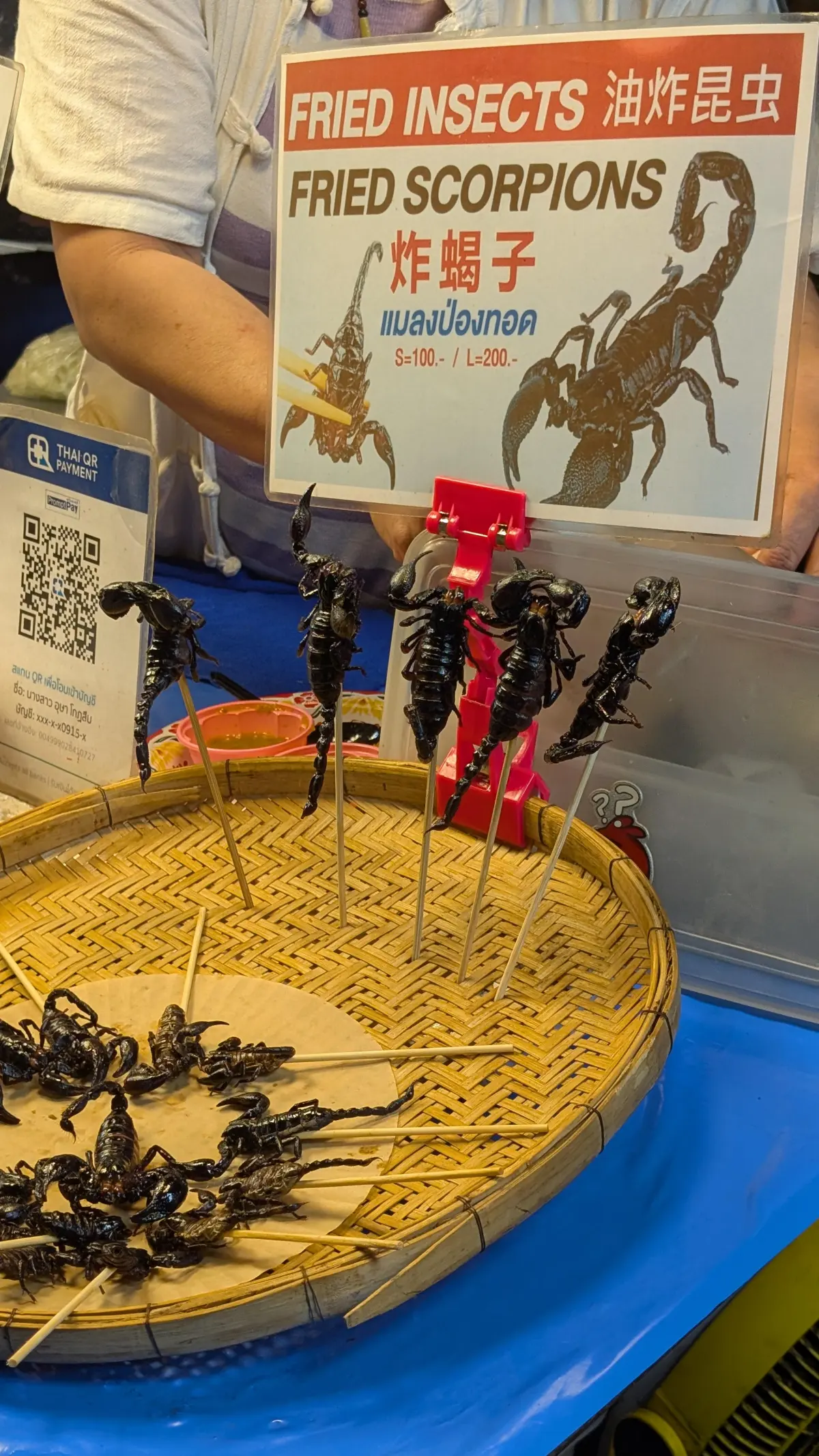
Why do scorpions eat their own kind?
Cannibalism is a documented behavior in many scorpion species, usually occurring when food resources are extremely limited or when population density is too high. In some cases, mothers may even consume their own offspring if they are stressed or if the young fail to disperse properly after their first molt. This behavior serves as a survival mechanism, allowing the species to persist in environments where external food sources are nonexistent.
Another factor contributing to cannibalism is the size difference between individuals. Large, mature scorpions are opportunistic and will often view smaller, weaker individuals as a source of protein. To prevent this in a captive setting, it is generally recommended to house scorpions individually. By keeping them in separate enclosures, you eliminate the risk of territorial disputes and accidental predation, ensuring that each individual remains healthy and stress-free throughout its life cycle.
Common mistakes when feeding scorpions
A frequent error made by new keepers is providing prey that is too large or aggressive. If a cricket is too big, it may fight back, potentially injuring the scorpion's delicate exoskeleton or eyes. Another mistake is leaving live prey in the enclosure during the scorpion's molting phase. During this period, the scorpion is soft and vulnerable, and a hungry cricket can easily damage or kill the scorpion while it is trying to shed its old skin.
To avoid these common pitfalls, follow these guidelines:
- Avoid feeding wild-caught insects, as they may carry pesticides or harmful parasites.
- Never leave uneaten food in the tank, as it can cause mold growth or stress the scorpion.
- Monitor the scorpion for signs of molting, such as lethargy or a dull appearance, and stop feeding immediately until the process is complete.
- Ensure constant access to a shallow water dish, as hydration is just as important as food for a healthy scorpion.
By maintaining a consistent, clean, and appropriately sized feeding regimen, you can ensure your scorpion thrives for years.
Key facts
- Scorpions are nocturnal carnivores that primarily hunt insects, spiders, and other small arthropods.
- Larger scorpion species are capable of subduing small vertebrates, including lizards, snakes, and mice.
- They possess a low metabolic rate, allowing some species to survive for months without food if necessary.
- Scorpions use their pedipalps (claws) to grasp prey and their stingers to inject venom for immobilization.
- They are "sit-and-wait" predators, relying on sensitive hairs on their bodies to detect vibrations in the ground.
- Avoid keeping scorpions in an enclosure with loose substrate that could cause impaction if accidentally ingested during feeding.
The bottom line
Scorpions are highly efficient, nocturnal predators that rely on specialized sensory organs to detect movement in their environment. By consuming a variety of insects and small vertebrates, they maintain a vital role in controlling pest populations. For those keeping them in captivity, providing live, healthy prey and maintaining proper hydration is essential for their long-term survival and health, ensuring they thrive in a controlled home environment.
People also ask
How often should a pet scorpion be fed?
Most adult pet scorpions thrive on a diet of one to three appropriately sized crickets or roaches per week. Overfeeding can lead to obesity and health complications, so monitor your scorpion's body condition regularly.
Do scorpions drink water?
Yes, scorpions require access to clean, shallow water to stay hydrated. Use a very small, shallow dish to prevent the risk of the scorpion drowning in the water source.
Can scorpions eat dead insects?
While they prefer live prey to trigger their predatory instincts, they may scavenge dead insects if they are extremely hungry. However, live prey is essential for their behavioral health and exercise.
What should I do if my scorpion refuses to eat?
A refusal to eat is often a sign of impending molting, where the scorpion sheds its exoskeleton to grow. Ensure the enclosure humidity is correct and avoid disturbing the animal until the molting process is complete.
Are there any insects that are dangerous to feed a scorpion?
Avoid feeding your scorpion wild-caught insects, as they may carry pesticides or parasites that can be fatal. Stick to store-bought, gut-loaded feeder insects to ensure the nutritional quality of the meal.
How do scorpions digest their food?
Scorpions use external digestion, secreting digestive enzymes onto their prey to liquefy the tissues. They then ingest the nutrient-rich fluid, leaving behind only the indigestible exoskeleton of the prey.
This answer was created with the help of AI research tools and reference sources. Spotted an error? Let us know — we correct mistakes quickly. See our editorial policy.