Where do hawks live?
Short answer
Hawks live on every continent except Antarctica, thriving in diverse environments ranging from dense forests and open grasslands to mountainous regions and urban centers. These birds of prey are highly adaptable, nesting in tall trees, on cliff ledges, or occasionally on man-made structures like skyscrapers, provided they have access to hunting grounds.

On this page
Where do hawks live in the wild?
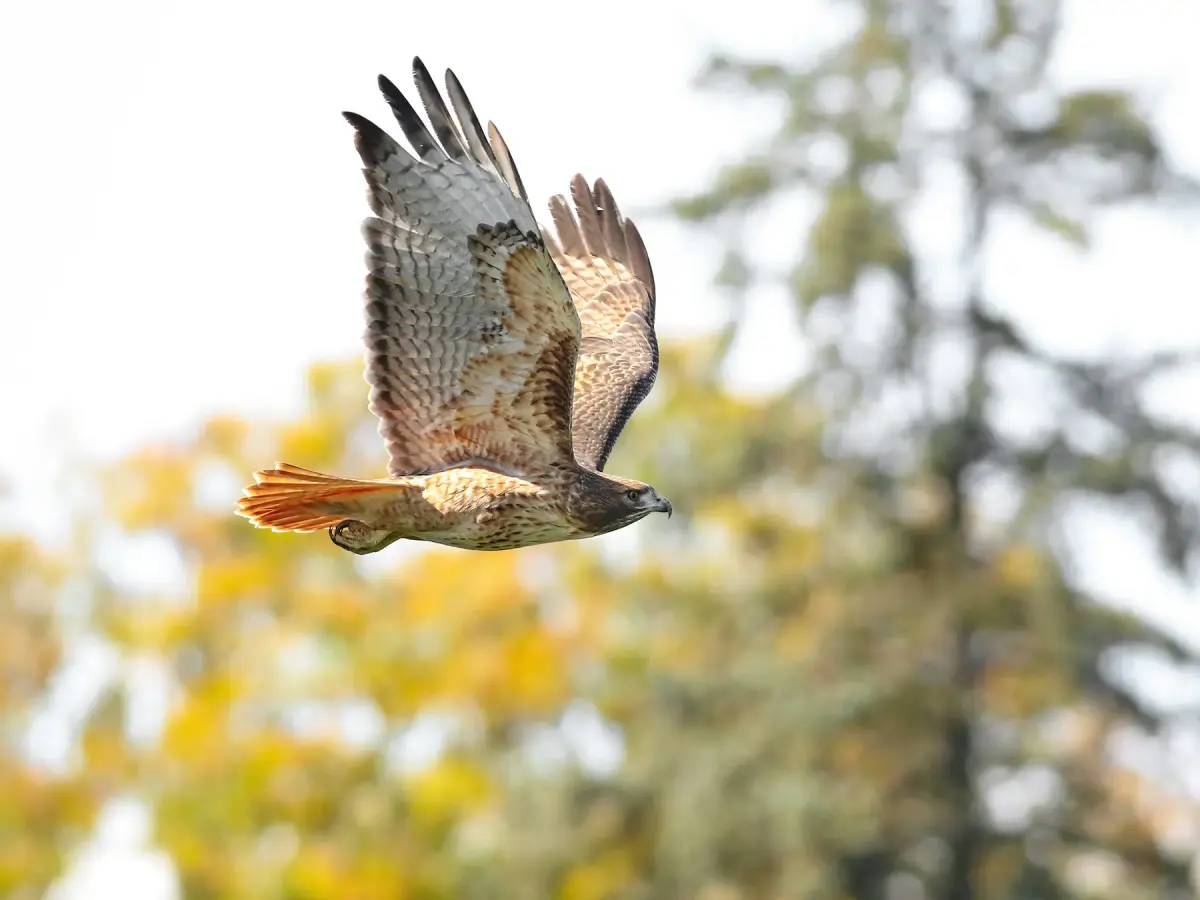
Hawks inhabit a vast array of ecosystems across the globe, demonstrating remarkable versatility in their choice of habitat. Species like the Red-tailed hawk are particularly successful, occupying deserts, scrublands, agricultural fields, and deciduous forests throughout North America. They require open areas for hunting small mammals and elevated perches, such as lone trees or utility poles, to scan the ground for movement.
Other species occupy more specialized niches. The Sharp-shinned hawk, for instance, prefers dense coniferous or mixed forests where its compact wings allow for agile flight through thick vegetation. Meanwhile, the Swainson’s hawk is famous for its long-distance migration, moving from the prairies of the United States to the pampas of Argentina. Regardless of the specific region, the primary requirement for any hawk habitat is a reliable food source and a secure location for nesting.
- Red-tailed hawks: Open country, fields, and forest edges.
- Cooper’s hawks: Wooded areas and suburban neighborhoods.
- Northern Harriers: Marshes, grasslands, and open meadows.
- Broad-winged hawks: Deep, deciduous, or mixed forests.
How do hawks choose a nesting site?
Nesting sites are selected based on security, elevation, and proximity to prey. Most hawks prefer to build their nests high above the ground to protect their young from terrestrial predators like raccoons or snakes. They typically construct large platforms out of sticks and twigs, often lining the interior with softer materials like bark, moss, or green leaves.
The choice of site often depends on the species' hunting style and local geography. Some hawks, such as the Ferruginous hawk, may nest on the ground or on low rocky outcrops in remote, treeless areas. Most, however, seek out the crotch of a sturdy tree or a high cliff ledge. Once a pair establishes a territory, they often return to the same nesting site year after year, adding new material to the existing structure each breeding season.
- Scout for a location with a clear view of the surrounding territory.
- Select a sturdy support structure, such as a large tree fork or cliff shelf.
- Gather structural materials like sturdy sticks and branches.
- Line the nest cup with insulating materials like pine needles or grass.
- Defend the perimeter against intruders during the incubation period.
Why do hawks live in cities?
Urbanization has fundamentally changed the distribution of many hawk species, as cities offer unique advantages that mirror their natural environments. Skyscrapers and tall apartment buildings provide elevated vantage points that function similarly to cliff faces, allowing hawks to survey urban parks and streets for prey. Furthermore, cities often host high populations of pigeons, rats, and squirrels, which serve as a consistent and abundant food supply.
While urban environments present risks such as window collisions and vehicle traffic, the benefits of reduced competition and high prey density often outweigh these dangers. Species like the Cooper’s hawk have become particularly adept at navigating suburban and urban landscapes, where they utilize bird feeders as hunting grounds. This adaptation shows that hawks are not merely passive residents of the wilderness but active participants in human-altered landscapes.
Common mistakes when looking for hawks
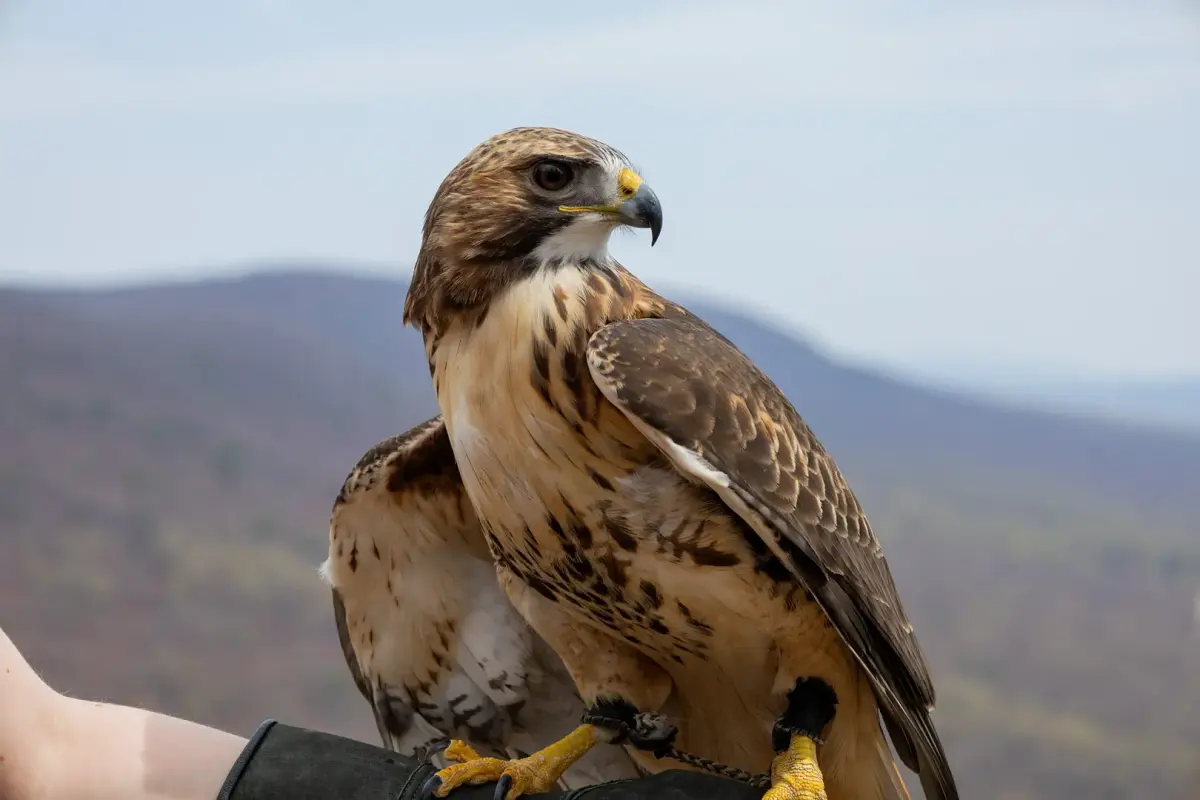
One of the most frequent errors observers make is looking only at the sky while ignoring the ground-level perches. Hawks spend a significant portion of their day sitting motionless on fence posts, telephone wires, or the tops of dead trees to conserve energy. If you only scan the clouds, you will likely miss the majority of hawks that are actively hunting or resting in plain sight.
Another mistake is failing to consider the time of day and weather conditions. Hawks are diurnal, meaning they are most active during the daylight hours, particularly in the morning when thermal currents begin to rise. These currents allow them to soar with minimal effort. During heavy rain or high winds, hawks are much less likely to be seen in the air, as they prefer to hunker down in sheltered areas until the weather improves.
- Ignoring low-level perches like fence posts and utility lines.
- Searching during midday when activity levels often drop.
- Overlooking the importance of water sources like ponds and streams.
- Assuming hawks only live in remote, untouched wilderness areas.
Best ways to spot hawks in your area
To find hawks, start by identifying the most open spaces in your local area, such as parks, golf courses, or agricultural fields. These clearings act as magnets for raptors because they provide the visibility necessary to hunt effectively. Bring a pair of binoculars and focus your attention on the highest points in the landscape, as these are the most coveted perches for birds of prey.
Patience is the most valuable tool for any birdwatcher. Instead of constantly moving, find a comfortable spot overlooking a field or a forest edge and wait for 20 to 30 minutes. Hawks are often more active than they appear, and watching a specific area allows you to notice subtle movements that would otherwise go undetected. By understanding their preference for high vantage points and open hunting grounds, you can significantly increase your chances of observing these magnificent birds in their natural, or urban, habitat.
Key facts
- Hawks inhabit every continent on Earth except for Antarctica.
- Most hawks prefer habitats with a mix of open land for hunting and trees for nesting.
- Red-tailed hawks are the most common species in North America and frequently nest on man-made structures.
- Hawks build large nests called eyries, usually located high in trees, on cliffs, or on tall buildings.
- These birds are territorial and often return to the same nesting site year after year.
- To attract hawks to your property, maintain tall, mature trees and avoid using rodenticides that can poison them.
The bottom line
Hawks are highly adaptable raptors found in diverse environments across the globe, ranging from dense forests and open grasslands to bustling urban centers. By selecting locations that offer elevated vantage points for hunting and secure nesting sites, they thrive in various climates. Understanding their need for open space and natural prey helps birdwatchers identify these majestic predators in their own local ecosystems throughout the year.
People also ask
Do hawks migrate?
Many hawk species, such as the Broad-winged Hawk, migrate thousands of miles between breeding and wintering grounds. However, some species like the Red-tailed Hawk may remain in the same territory year-round if food sources are available.
What do hawks eat?
Hawks are carnivores that primarily hunt small mammals like mice, voles, and rabbits. They also consume snakes, lizards, and occasionally smaller birds or large insects depending on the species.
How can I tell if a hawk is nesting near my house?
Look for a large, bulky platform of sticks high in a tree or on a ledge. You might also notice aggressive behavior, such as the hawk diving or screeching if you approach the nesting tree.
Are hawks dangerous to pets?
Small pets like kittens or toy-breed dogs can be vulnerable to large hawks. Keep small animals supervised outdoors, especially in areas with high hawk populations.
How long do hawks live in the wild?
Most hawks live between 10 and 15 years in the wild. Factors like habitat loss, collisions with vehicles, and food scarcity significantly impact their lifespan.
Can hawks live in cities?
Yes, many hawks have adapted to urban environments by nesting on skyscrapers, cell towers, or billboards. Cities provide abundant prey, such as pigeons and rats, which sustain these populations.
This answer was created with the help of AI research tools and reference sources. Spotted an error? Let us know — we correct mistakes quickly. See our editorial policy.