Where do bats live?
Short answer
Bats inhabit every continent except Antarctica, thriving in diverse environments ranging from tropical rainforests to temperate deserts. They primarily roost in sheltered, dark locations such as caves, rock crevices, hollow trees, and man-made structures. Their global distribution is limited only by extreme cold, as they require stable temperatures for hibernation or migration.
On this page
Where do bats live in the wild?
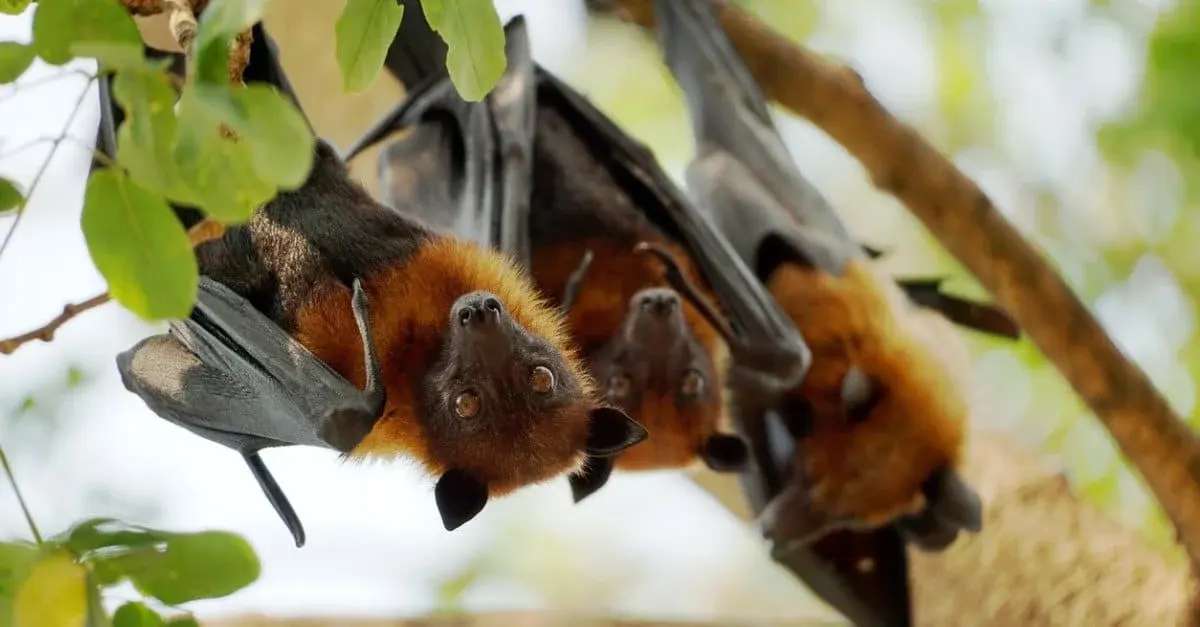
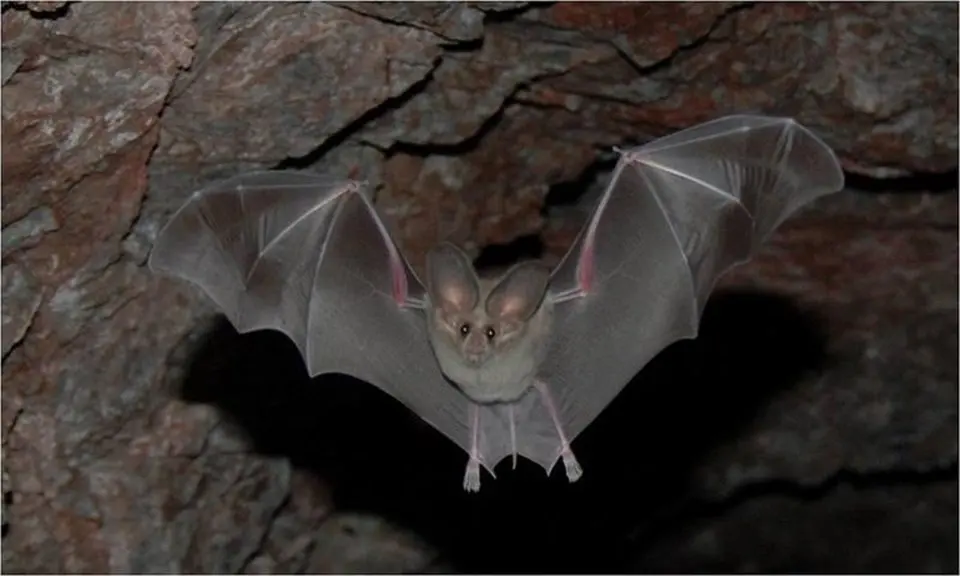
Bats occupy a vast array of natural habitats across the globe. Most species prefer environments that offer protection from predators and stable microclimates for resting. Caves are perhaps the most iconic roosting sites, providing consistent humidity and temperature levels that are essential for large colonies of bats to survive throughout the year.
Beyond caves, many bats utilize natural features in forests and open landscapes. These habitats include:
- Hollow trees and decaying logs that provide deep, dark cavities.
- Dense foliage and hanging leaves where smaller species camouflage themselves.
- Rock crevices and cliff faces that offer narrow, protected spaces.
- Abandoned mines or tunnels that mimic the conditions of natural cave systems.
These natural structures are vital for the survival of bat populations. By selecting these specific sites, bats are able to conserve energy and maintain their body temperature while they sleep during the daylight hours.
How do bats choose their roosting sites?
The selection of a roosting site is a calculated decision based on the specific needs of the bat species. Factors such as proximity to water sources, availability of insect prey, and protection from wind or rain are paramount. Bats often return to the same roosting locations year after year, demonstrating a strong site fidelity that highlights the importance of preserving these specific areas.
When searching for a home, bats look for several key environmental indicators:
- Thermal stability: The site must maintain a temperature range that prevents the bat from overheating or freezing.
- Protection from predators: The entrance should be difficult for snakes, hawks, or climbing mammals to access.
- Accessibility: The roost must be easy to enter and exit quickly during their evening foraging flights.
- Social needs: Many species are gregarious and require enough space to huddle together for warmth.
If a site fails to meet these criteria, the colony will likely abandon it. Environmental changes, such as deforestation or cave pollution, often force bats to relocate to less suitable areas, which can significantly decrease their reproductive success.
Where do bats live in urban areas?
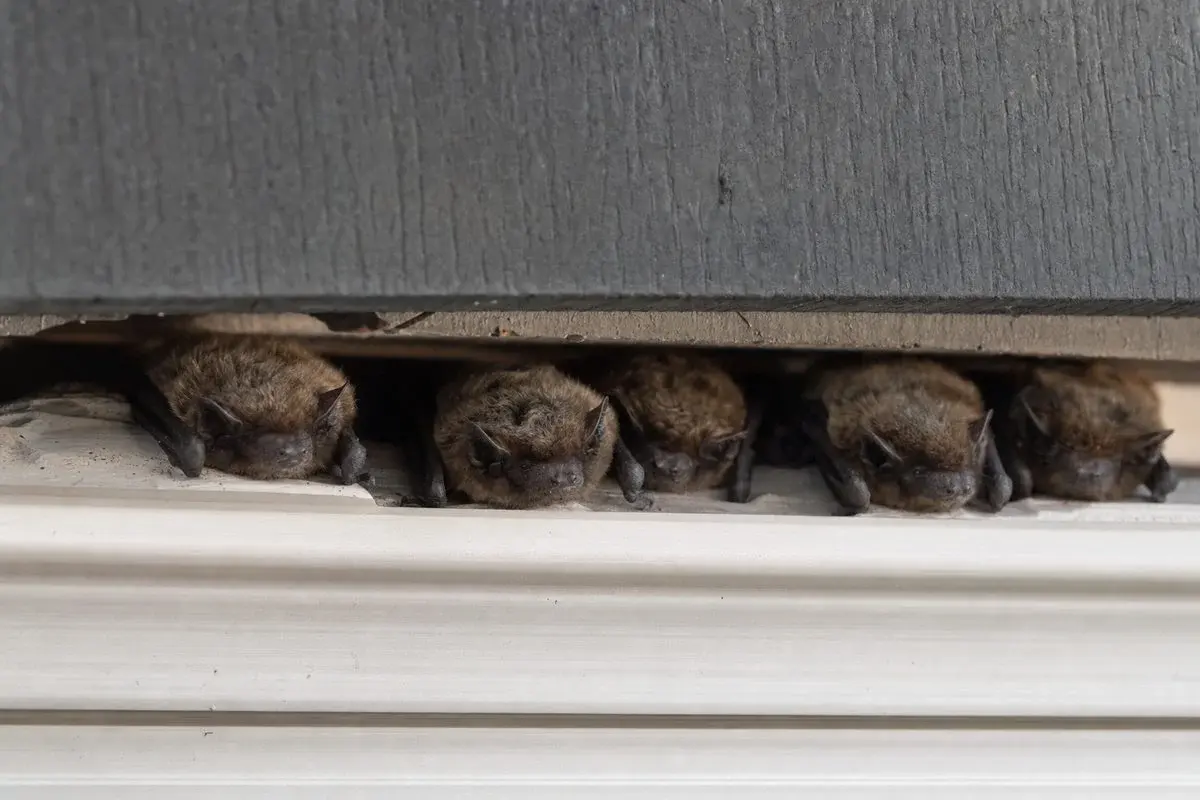
As natural habitats diminish, many bat species have adapted to living alongside humans in suburban and urban environments. They frequently occupy man-made structures that mimic the characteristics of their ancestral homes. Attics, wall voids, bridge expansion joints, and abandoned buildings often serve as surrogate roosts for urban-dwelling bats.
While these structures provide shelter, they can also lead to conflicts between humans and bats. If you find bats in your home, it is important to remember that they are generally beneficial creatures that consume vast quantities of mosquitoes and agricultural pests. Instead of attempting to harm them, focus on exclusion techniques that allow them to leave safely. Following local wildlife regulations is essential, as many bat species are protected by law during their maternity season when flightless pups are present in the roost.
Common mistakes when managing bat habitats
People often unintentionally harm bat populations by attempting to "clean" or "fix" areas where bats are roosting. One of the most frequent errors is sealing off entry points during the summer months. If you block a hole while bats are inside, you trap them, which leads to the death of the colony and potential sanitation issues within your walls.
To avoid common pitfalls, follow these guidelines:
- Never use pesticides or chemicals near a known roosting site.
- Avoid performing construction or roof repairs during the peak maternity season, typically May through August.
- Do not attempt to handle bats with your bare hands, as they can bite if they feel threatened.
- Avoid installing bright, artificial lighting near known roosts, as bats prefer dark environments.
By respecting these biological cycles, homeowners can coexist with bats without compromising their own comfort or the safety of the animals.
How to build a bat house for your yard
If you want to support local bat populations, installing a bat house is an effective way to provide a secure, artificial roost. A well-constructed bat house mimics the warmth and safety of a tree crevice. However, placement is critical; a poorly positioned house will remain empty regardless of the design.
For the best results, mount your bat house on a pole or the side of a building at least 12 to 20 feet above the ground. Ensure the house receives at least six to eight hours of direct sunlight each day to maintain the necessary warmth for the bats. Avoid placing the house near bright streetlights or in areas with heavy tree canopy that might block flight paths. Once installed, be patient, as it can sometimes take a full season or longer for a local colony to discover and adopt the new structure. Providing this habitat helps maintain the ecological balance in your local ecosystem by supporting these essential nocturnal predators.
Key facts
- Bats inhabit every continent except Antarctica, thriving in diverse climates ranging from tropical rainforests to arid deserts.
- Most bats roost in sheltered, dark locations such as caves, rock crevices, tree hollows, and dense foliage.
- Many species, including the big brown bat, frequently utilize man-made structures like attics, barns, and bridges for shelter.
- To attract bats to your property, install a wooden bat house at least 12 to 20 feet above the ground in a sunny location.
- Avoid placing bat houses near bright artificial lights, as bats prefer dark environments to feel secure from predators.
- Never attempt to handle a bat found in your home; if you find one roosting, seal off the room and contact a professional wildlife removal service.
The bottom line
Bats are highly adaptable creatures that occupy a wide range of natural and man-made environments across the globe. Whether roosting in deep caves, hollow trees, or attic spaces, they seek secure, dark, and temperature-stable locations. Understanding their habitat preferences allows humans to coexist peacefully with these essential pollinators and insect controllers, ensuring both the safety of our homes and the continued health of local bat populations.
People also ask
Do all bats live in caves?
While caves are iconic roosting sites, many species prefer trees, rock crevices, or even under loose bark. Only about half of all bat species regularly use caves for their primary shelter.
How do bats choose where to roost?
Bats prioritize safety from predators, protection from extreme weather, and proximity to reliable food sources like insects or fruit. They often select sites that maintain a stable temperature throughout the day.
Can bats live in my house permanently?
Bats may establish maternity colonies in attics or wall voids during the spring and summer. While they provide natural pest control, they can cause sanitation issues, so exclusion methods are recommended.
Do bats migrate to different homes?
Many species migrate seasonally to find warmer climates or better food supplies during the winter. Some bats hibernate in deep, cold caves, while others travel hundreds of miles to remain active.
Are bats social animals when they roost?
Most bats are highly social and roost in groups ranging from a few individuals to millions. Colonial living helps them conserve body heat and share information about food locations.
What should I do if a bat is roosting in my garden?
If a bat is roosting in a tree or bat house, leave it undisturbed. Observe from a distance, as they are beneficial mammals that consume large quantities of mosquitoes and agricultural pests.
This answer was created with the help of AI research tools and reference sources. Spotted an error? Let us know — we correct mistakes quickly. See our editorial policy.