Where do seagulls live?
Short answer
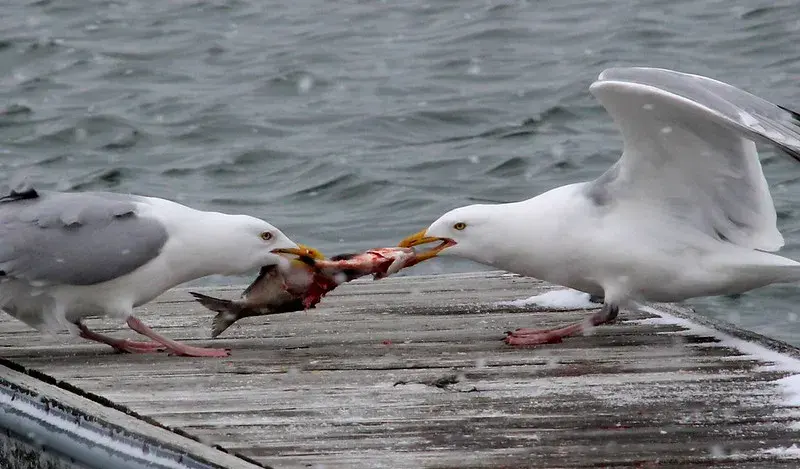
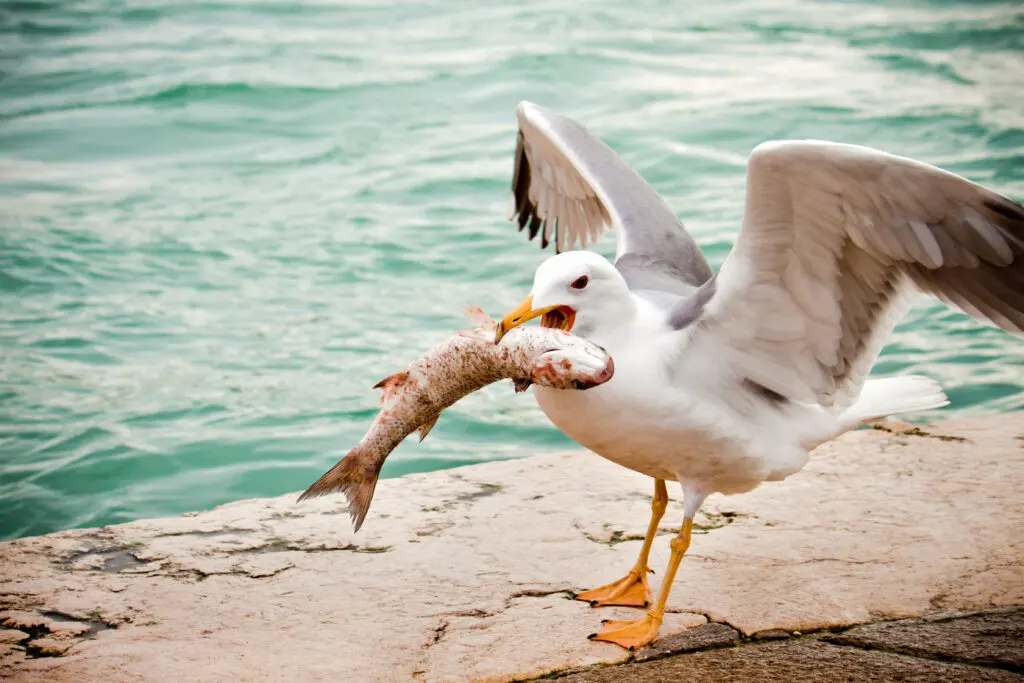
Seagulls, or gulls, live on every continent, including Antarctica. While they are famously associated with coastlines and oceans, many species thrive in inland habitats near lakes, rivers, and agricultural fields. They are highly adaptable scavengers that frequently inhabit urban environments, utilizing human infrastructure and refuse for nesting and foraging.
On this page
Where do seagulls live globally?
Gulls belong to the family Laridae and are among the most widely distributed birds on Earth. Their range spans from the icy shores of the Arctic to the remote islands of the Southern Ocean. While most people associate them with salt water, many species are essentially freshwater birds that prefer large inland lakes or river systems. Some species, such as the California gull, are known to travel hundreds of miles inland to breed in desert basins or near mountain wetlands.
Their ability to survive in diverse climates is largely due to their generalist diet and resilient physiology. They possess specialized salt glands located above their eyes, which allow them to excrete excess salt consumed from seawater. This biological adaptation enables them to drink saltwater when freshwater sources are unavailable, granting them access to vast maritime territories that other birds cannot exploit. Their global presence is a testament to their evolutionary success as opportunistic survivors.
How do seagulls choose nesting sites?
Gulls are colonial nesters, meaning they prefer to raise their young in large, dense groups. They typically select sites that offer protection from terrestrial predators, such as foxes or cats. Common nesting locations include:
- Rocky sea cliffs and offshore islets.
- Sandy beaches and dunes.
- Grassy meadows near inland lakes.
- Flat rooftops in urban city centers.
- Marshy wetlands and salt pans.
The primary requirement for a nesting site is proximity to a reliable food source. Parents must be able to forage efficiently to provide for their chicks, so they often choose locations within a short flight of fishing grounds or human waste disposal sites. Once a colony is established, they often return to the same site year after year. This site fidelity is strong, though they will abandon a location if it becomes too heavily disturbed by human activity or if predator pressure becomes unsustainable.
Why do seagulls live in cities?
Urbanization has transformed the traditional habitat of the gull. Cities provide an abundance of artificial food sources, such as open trash bins, discarded fast food, and scraps from outdoor dining areas. These environments also offer unique, predator-free nesting opportunities. Flat, gravel-covered rooftops mimic the natural rocky terrain they prefer in the wild, while the ambient heat of the city can help keep eggs warm during cooler months.
Living in cities has altered the behavior of many gull populations. They have become habituated to human presence and are often less fearful than their rural counterparts. While this proximity allows them to thrive, it also leads to significant human-wildlife conflict. Residents often view them as pests due to their loud vocalizations, aggressive food-stealing behavior, and the accumulation of guano on buildings. Despite these issues, urban gulls are highly successful, often maintaining stable populations even as natural coastal habitats face degradation or development.
Common mistakes when observing seagulls
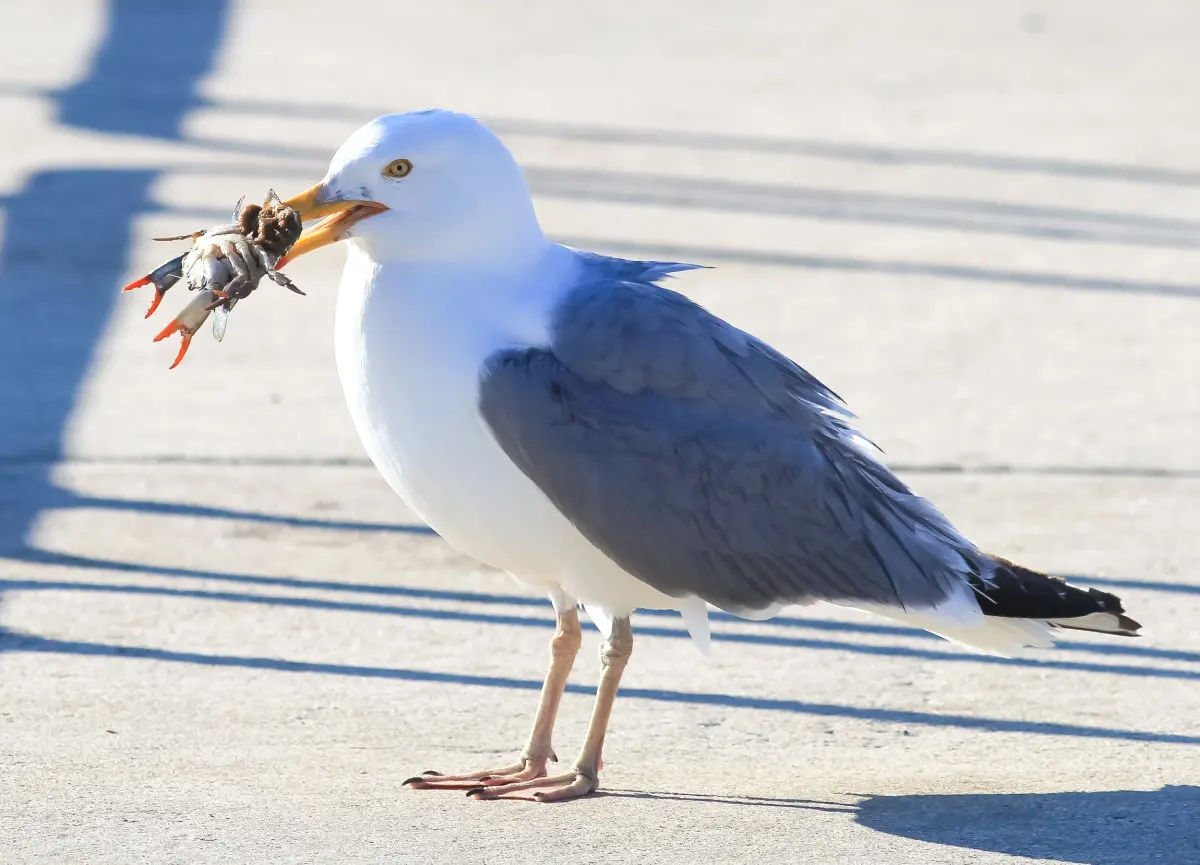
Many people mistakenly assume that all gulls are identical, leading to confusion when trying to identify them. A common error is failing to account for age-related plumage changes. Most gulls take two to four years to reach adult coloration; a mottled brown bird is often the same species as a white-and-gray adult. Another mistake is assuming that gulls are strictly scavengers. While they are opportunistic, many are also skilled predators that hunt fish, insects, and small mammals.
To observe gulls effectively, follow these steps:
- Use binoculars to look for subtle differences in leg color, which can vary from yellow to pink depending on the species.
- Note the pattern of the wingtips, as these are often the most defining features for identification.
- Observe their behavior at different times of day to see how they transition between foraging and resting.
- Keep a respectful distance, especially during the spring nesting season, to avoid causing the birds stress.
How to manage seagull populations humanely
Managing gull populations in human-dominated areas requires a focus on habitat modification rather than direct harm. Because these birds are highly intelligent, they quickly learn to bypass simple deterrents like plastic owls or scarecrows. Effective management involves removing the incentives that draw them to specific areas in the first place. This is a long-term process that requires community cooperation to be truly successful.
If you are dealing with gulls in your area, avoid these common pitfalls:
- Feeding the birds, which encourages them to associate humans with food and leads to aggressive behavior.
- Leaving trash cans uncovered or overflowing, which provides an easy meal.
- Allowing food to remain on outdoor tables after a meal is finished.
- Ignoring nesting attempts on rooftops, which are much harder to deter once eggs are laid.
Instead, install physical barriers such as bird spikes or tension wires on rooftops to prevent landing. Use heavy-duty, animal-proof lids on all waste containers to ensure that food remains inaccessible. By reducing the availability of human-provided resources, you can encourage gulls to return to their natural foraging behaviors and reduce the density of birds in residential or commercial zones. Consistent application of these methods is the most reliable way to mitigate conflicts while respecting the natural range of these widespread, adaptable avian species.
Key facts
- Seagulls are technically known as gulls, as there is no single species officially classified as a "seagull."
- Most of the world’s 50-plus gull species live near coastlines, but many thrive in inland areas like lakes, rivers, and landfills.
- Gulls possess specialized supraorbital glands that allow them to drink saltwater by filtering out excess salt through their nostrils.
- These birds are highly adaptable scavengers that frequently nest on rooftops, cliffs, and rocky islands to avoid land-based predators.
- To identify a gull's habitat, look for them near human food sources, as their populations have surged due to urban waste availability.
- Avoid feeding gulls in public areas, as this encourages aggressive behavior and creates a dependency on human-provided food.
The bottom line
Gulls are remarkably resilient birds that have successfully expanded from their traditional coastal habitats into diverse inland environments. Their ability to consume a wide variety of foods, including human waste, has allowed them to thrive in urban settings globally. By understanding their opportunistic nature and need for proximity to water, you can better appreciate these adaptable creatures while avoiding common conflicts in public spaces.
People also ask
Do all seagulls migrate?
Not all gulls migrate, but many species living in colder northern climates move south during the winter to find ice-free water. Some populations remain in the same area year-round if food sources are consistent.
Why do seagulls scream so loudly?
Gulls use loud vocalizations to communicate with their flock, defend their nesting territory, and warn others of potential threats. These calls are essential for maintaining social bonds within their complex colonies.
Can seagulls live in the desert?
While gulls are primarily water-dependent, they can survive in arid regions if there is a nearby source of freshwater or a large lake. They are rarely found in true, waterless deserts.
How long do seagulls live?
In the wild, most gull species live between 10 and 15 years, though some individuals have been recorded living into their 20s. Their lifespan depends heavily on food availability and predator pressure.
Read the full answer →Are seagulls dangerous to humans?
Gulls are generally not dangerous, but they can become aggressive when protecting their nests or attempting to steal food. It is best to maintain distance to avoid being pecked or dive-bombed.
Do seagulls sleep on the water?
Yes, gulls often sleep while floating on the water to stay safe from terrestrial predators like foxes or stray cats. They are also capable of sleeping while standing on one leg on land.
This answer was created with the help of AI research tools and reference sources. Spotted an error? Let us know — we correct mistakes quickly. See our editorial policy.