What are the best waterfalls near Vancouver?
Short answer
The best waterfalls near Vancouver include Shannon Falls, Brandywine Falls, and Bridal Veil Falls. These sites offer accessible trails, dramatic drops, and stunning coastal scenery. Shannon Falls is the most iconic, while Brandywine provides a spectacular view of a 70-meter plunge. Each location is within a two-hour drive of downtown Vancouver.
On this page
How to visit Shannon Falls Provincial Park
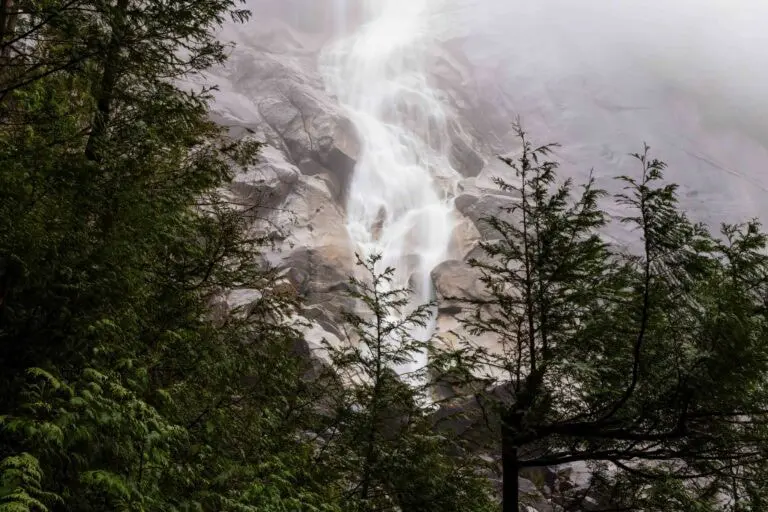
Shannon Falls is the third-highest waterfall in British Columbia, plunging 335 meters down granite cliffs. Located just south of Squamish along the Sea-to-Sky Highway, it is the most accessible waterfall for visitors. The park features a short, well-maintained trail through a lush forest that leads directly to a viewing platform at the base of the falls. The spray is often heavy, so visitors should expect to get wet even on clear days.
Because of its proximity to the highway, this park can become extremely crowded on weekends and holidays. Parking is free but limited, often filling up by mid-morning during the summer months. To ensure a pleasant experience, consider the following tips:
- Arrive before 9:00 AM to secure a parking spot.
- Wear waterproof footwear, as the path can be muddy.
- Keep children and pets on the designated trails for safety.
- Pack a light rain jacket regardless of the forecast.
Best waterfalls for beginners and families
If you are looking for easy walks with high visual rewards, Brandywine Falls and Bridal Veil Falls are excellent choices. Brandywine Falls, situated between Squamish and Whistler, features a short, flat 1-kilometer trail that leads to a spectacular viewpoint of the 70-meter waterfall. The surrounding park offers picnic areas and views of the Daisy Lake reservoir, making it perfect for a half-day outing.
Bridal Veil Falls, located near Chilliwack, is famous for its unique fan-like shape that resembles a wedding veil. The walk to the falls is short, taking about 15 minutes through a scenic forest. These locations are ideal for families because the terrain is relatively level and the paths are clearly marked. When planning your visit, keep these factors in mind:
- Check the BC Parks website for seasonal gate closures.
- Bring bug spray, as forest areas can have mosquitoes in the summer.
- Carry out all trash to maintain the pristine environment.
- Stay behind all safety railings, as the rocks near the falls are slippery.
Why waterfalls are best viewed in spring
While waterfalls are beautiful year-round, the best time to witness their full power is during the spring melt. From April to June, warmer temperatures cause the mountain snowpack to thaw, significantly increasing the volume of water flowing over the cliffs. During this period, the falls are at their most thunderous and visually impressive state.
In contrast, late summer often results in a reduced flow as the snowpack disappears. While the falls remain scenic, they may appear as thin ribbons of water rather than the roaring cascades seen in spring. If you choose to visit during the winter, you may be rewarded with the sight of frozen ice formations, though trails can be icy and dangerous. Always check local weather reports and trail conditions before heading into the mountains, as high-elevation paths may remain snow-covered until late June.
Common mistakes when visiting waterfalls
Many visitors underestimate the power of nature and the hazards of slippery terrain. A common mistake is venturing off-trail to get a closer photograph of the water. The rocks surrounding waterfalls are perpetually wet and covered in moss, making them extremely slick and dangerous. Falling from these heights can result in severe injury or death, and search and rescue teams are frequently called to assist those who ignore warning signs.
Another frequent error is failing to prepare for the microclimate near the falls. The mist creates a localized cool zone that is significantly colder than the surrounding forest. Visitors often arrive in light summer clothing only to find themselves shivering after a few minutes of viewing. To avoid these issues, follow these simple rules:
- Never cross safety fences or barriers.
- Wear sturdy hiking boots with good grip.
- Bring an extra layer of clothing, such as a fleece or windbreaker.
- Respect signage regarding restricted areas or dangerous currents.
Essential gear for waterfall hiking
Hiking to waterfalls requires minimal equipment, but having the right items makes the experience much more enjoyable. Because the environment is damp, moisture-wicking fabrics are superior to cotton, which stays wet and cold. A small daypack is sufficient to carry water, snacks, and a camera. If you plan to hike further into the backcountry to reach more remote falls, you should also carry the "Ten Essentials" of hiking safety.
These essentials include a map, a compass, a flashlight, a fire starter, and a basic first-aid kit. Even on short, popular trails, accidents can happen, and being prepared provides peace of mind. Remember that cell phone service is often unreliable in the deep valleys where waterfalls are located, so download offline maps before you leave home. By respecting the environment and preparing properly, you can safely enjoy the natural beauty of British Columbia’s most spectacular water features throughout the year.
Key facts
- Shannon Falls, located 58 kilometers north of Vancouver, is the third-tallest waterfall in British Columbia at 335 meters.
- Bridal Veil Falls in Chilliwack features a unique "veil" effect caused by water cascading over a smooth rock face.
- Brandywine Falls near Whistler offers a clear viewing platform just a short walk from the parking lot.
- Always check BC Parks status updates before visiting, as trails may close due to seasonal weather or maintenance.
- Wear sturdy hiking boots with good grip, as waterfall trails are frequently wet, muddy, and slippery even in summer.
- Arrive at popular trailheads before 9:00 AM on weekends to secure parking and avoid heavy crowds.
The bottom line
The area surrounding Vancouver offers a diverse array of spectacular waterfalls ranging from roadside attractions to remote backcountry gems. By prioritizing early morning arrivals, wearing appropriate footwear, and respecting park safety signage, visitors can safely enjoy the region's natural beauty. Always monitor local weather forecasts and trail conditions to ensure a successful trip, as the coastal climate can change rapidly throughout the day, impacting accessibility and visibility.
People also ask
Which waterfall is the easiest to access from downtown Vancouver?
Shannon Falls is the most accessible major waterfall, located directly off the Sea-to-Sky Highway (Highway 99) with a short, flat walk to the base.
Is it safe to swim in the pools at the base of these waterfalls?
Swimming is generally discouraged and often dangerous due to freezing water temperatures, strong undercurrents, and falling debris from high cliffs.
Do I need a reservation to visit these waterfall parks?
Most provincial parks near Vancouver do not require reservations, but some popular areas may implement day-use passes during peak summer months.
What is the best time of year to see these waterfalls?
Spring is the ideal time to visit because snowmelt significantly increases water volume, making the falls appear much more powerful and dramatic.
Can I bring my dog on the trails near these waterfalls?
Most BC Parks allow dogs on trails provided they remain on a leash at all times to protect local wildlife and other hikers.
Are there any waterfalls that require a long hike to reach?
Yes, waterfalls like Norvan Falls in North Vancouver require a moderate 14-kilometer round-trip hike through rugged, forested terrain.
This answer was created with the help of AI research tools and reference sources. Spotted an error? Let us know — we correct mistakes quickly. See our editorial policy.