What are the best hikes near Vancouver?
Short answer
Vancouver offers world-class hiking due to its unique coastal mountain geography. The best hikes include the Stawamus Chief for dramatic views, Garibaldi Lake for alpine scenery, and Quarry Rock for accessible forest trails. These routes provide diverse challenges, ranging from gentle coastal walks to strenuous, high-altitude treks across the North Shore.
On this page
Best hikes near Vancouver for beginners
If you are new to hiking or looking for a casual outing, the North Shore mountains and regional parks offer excellent entry-level trails. These paths are generally well-marked, maintained, and located close to urban amenities, making them perfect for a half-day excursion. You will find that most beginner trails provide a rewarding payoff without requiring specialized mountaineering equipment or extreme physical endurance.
- Quarry Rock: Located in Deep Cove, this 3.8-kilometer round-trip trail offers stunning views of Indian Arm.
- Pacific Spirit Regional Park: This network of flat, forested trails near the University of British Columbia is ideal for a gentle walk.
- Lighthouse Park: Famous for its old-growth Douglas firs and rugged shoreline, this park features several easy loops with minimal elevation gain.
Always check trail conditions on local park websites before heading out. Even on easy trails, weather in the Pacific Northwest can change rapidly, so wearing layers is essential for comfort.
How long does it take to hike the Stawamus Chief
The Stawamus Chief, a massive granite monolith in Squamish, is one of the most iconic hikes in British Columbia. The time required depends on which of the three peaks you choose to summit. Most hikers spend between three and five hours completing the round trip to the first or second peak. The trail is steep and involves significant stair-climbing, so you should allocate extra time if you plan to visit all three summits.
- Start at the main parking lot off Highway 99.
- Follow the trail markers toward the first peak, which is the most popular destination.
- Use the fixed chains and ladders near the summit, taking care during busy periods.
- Descend carefully, as the granite stairs can be slippery when wet.
Avoid hiking during peak weekend hours if you prefer a quieter experience. The trail becomes very crowded, which can slow down your pace significantly.
Best alpine hikes for experienced trekkers
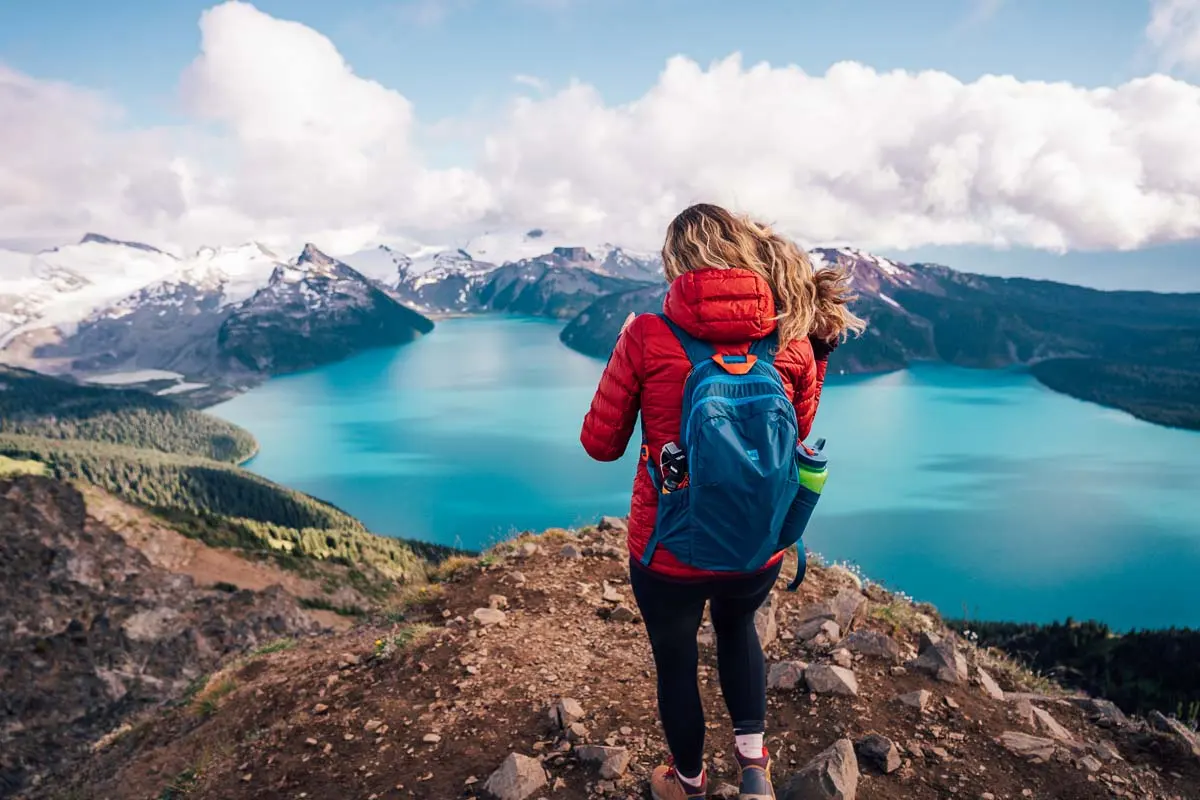
For those seeking high-altitude adventure, the mountains surrounding Garibaldi Provincial Park provide some of the most spectacular scenery in Canada. These hikes typically require a full day and involve significant elevation gain, often exceeding 1,000 meters. You will encounter alpine meadows, glaciers, and turquoise lakes that are inaccessible by vehicle. These routes are best tackled between July and September when the snow has melted from the higher elevations.
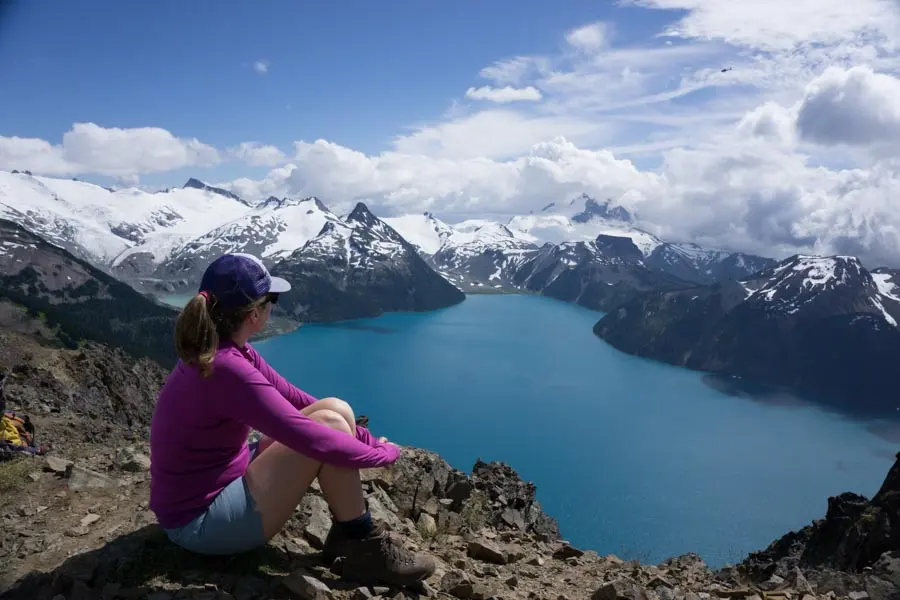
- Garibaldi Lake: A 18-kilometer round-trip trek that leads to a vibrant, glacier-fed lake surrounded by snow-capped peaks.
- Panorama Ridge: Often combined with Garibaldi Lake, this challenging hike offers a 360-degree view of the entire park.
- Black Tusk: A strenuous climb involving a final scramble up loose volcanic rock, recommended only for those comfortable with heights.
Ensure you have a permit if required, as many popular alpine areas now utilize reservation systems to manage environmental impact and visitor safety.
Common mistakes when hiking in Vancouver
Many hikers underestimate the rugged nature of the coastal mountains, leading to unnecessary risks. A frequent error is starting a hike too late in the afternoon, which leaves insufficient time to return before sunset. Because the terrain is often dense forest, light levels drop quickly, making navigation difficult. Another common mistake is failing to pack the "Ten Essentials," which include a navigation device, extra food, water, and a headlamp.
- Relying solely on a smartphone for GPS, which can lose battery life quickly in cold temperatures.
- Wearing inappropriate footwear, such as street sneakers, which lack the grip needed for muddy or rocky terrain.
- Underestimating the weather, especially at higher elevations where temperatures can drop significantly compared to the city.
Always inform someone of your planned route and expected return time. If you do not have a cell signal, a satellite messenger or a physical map is a vital safety backup.
Why trail etiquette matters in British Columbia
With the increasing popularity of Vancouver’s trails, practicing good etiquette is essential for preserving the environment and ensuring a positive experience for everyone. The most fundamental rule is to follow the "Leave No Trace" principles. This means packing out all trash, including organic waste like fruit peels, and staying on marked trails to prevent soil erosion and damage to sensitive alpine vegetation. You should also yield to hikers moving uphill, as they are working harder and have less momentum.
- Keep dogs on a leash unless specifically permitted otherwise to protect local wildlife and other hikers.
- Avoid playing loud music, as many people hike to enjoy the sounds of nature.
- Yield the right of way on narrow sections by stepping aside to let others pass safely.
By respecting these guidelines, you help maintain the integrity of the wilderness. Responsible hiking ensures that these beautiful trails remain open and pristine for future generations to enjoy.
Key facts
- The Grouse Grind, known as "Mother Nature's Stairmaster," features 2,830 steps over 2.9 kilometers with an 853-meter elevation gain.
- Stawamus Chief in Squamish offers three distinct peaks, with the first peak being the most popular and requiring some light scrambling.
- Garibaldi Lake is a 18-kilometer round-trip hike famous for its turquoise glacial water and requires a pre-booked day-use pass during peak season.
- Always carry the "Ten Essentials," including navigation tools, extra clothing, a headlamp, and a first-aid kit, regardless of the hike's difficulty.
- Cell phone service is unreliable in the North Shore Mountains and backcountry areas; download offline maps before leaving home.
- Hikers must check the AdventureSmart website for current trail conditions and weather warnings before heading to the trailhead.
The bottom line
Vancouver offers world-class hiking that ranges from steep, rigorous climbs to serene alpine lake walks. Success depends on preparation, including securing necessary permits, carrying the ten essentials, and respecting wildlife. By choosing a trail that matches your fitness level and monitoring weather conditions, you can safely enjoy the stunning coastal scenery that makes this region a premier destination for outdoor enthusiasts from around the globe.
People also ask
Do I need a permit to hike near Vancouver?
Many popular trails in provincial parks, such as Garibaldi and Joffre Lakes, require a free day-use permit during the summer months. Check the BC Parks website in advance to secure your spot, as they often reach capacity quickly.
What is the best time of year to go hiking in Vancouver?
The ideal hiking season runs from July through September when high-elevation trails are free of snow. Lower-elevation trails are accessible year-round, though they are often muddy and require waterproof footwear during the rainy winter months.
Are dogs allowed on all Vancouver hiking trails?
Regulations vary by location, with many trails in provincial parks prohibiting dogs to protect local wildlife. Always check the specific park’s signage, and ensure your dog is leashed if allowed, as this is a common requirement on busy trails.
How do I avoid getting lost on the trail?
Stick to marked paths and never take shortcuts, which can damage fragile ecosystems and lead to dangerous terrain. Carry a physical map and compass as a backup, and tell a reliable person your planned route and expected return time.
What should I do if I encounter a bear?
Stay calm, do not run, and speak in a firm, low voice while slowly backing away. Keep your distance, ensure your bear spray is accessible, and never attempt to feed or approach the animal.
Is public transit available to these trailheads?
TransLink provides bus service to popular trailheads like the Grouse Mountain Skyride and the Cypress Mountain parking lot. However, many remote trailheads require a personal vehicle, so verify transit availability on the TransLink trip planner before departing.
This answer was created with the help of AI research tools and reference sources. Spotted an error? Let us know — we correct mistakes quickly. See our editorial policy.