What are the benefits of crochet?
Short answer
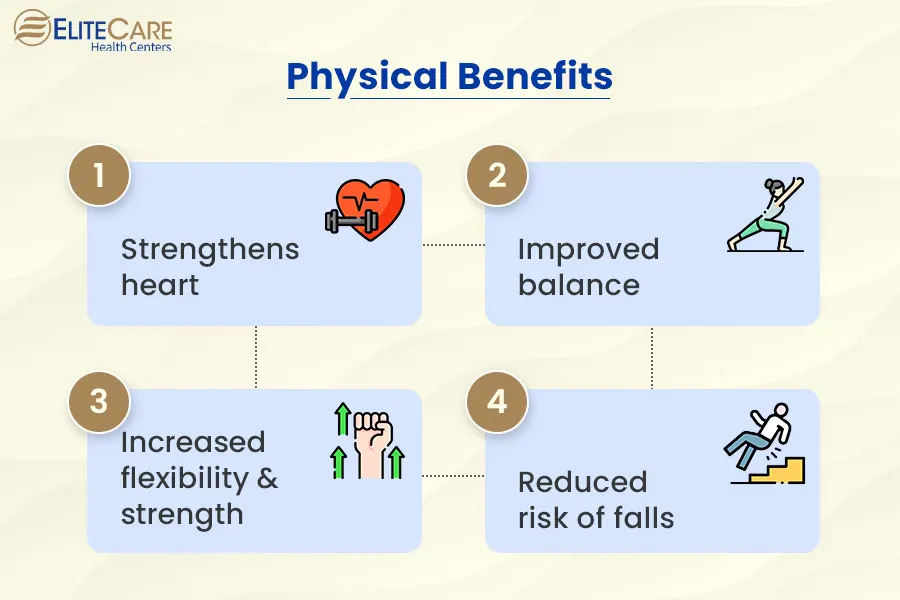
Crochet offers significant mental and physical benefits, including stress reduction, improved cognitive function, and enhanced fine motor skills. This accessible craft encourages mindfulness through repetitive motion, helping to lower heart rates and blood pressure. Beyond health, it provides a productive creative outlet that fosters a sense of accomplishment and community engagement.
On this page
How does crochet improve mental health?
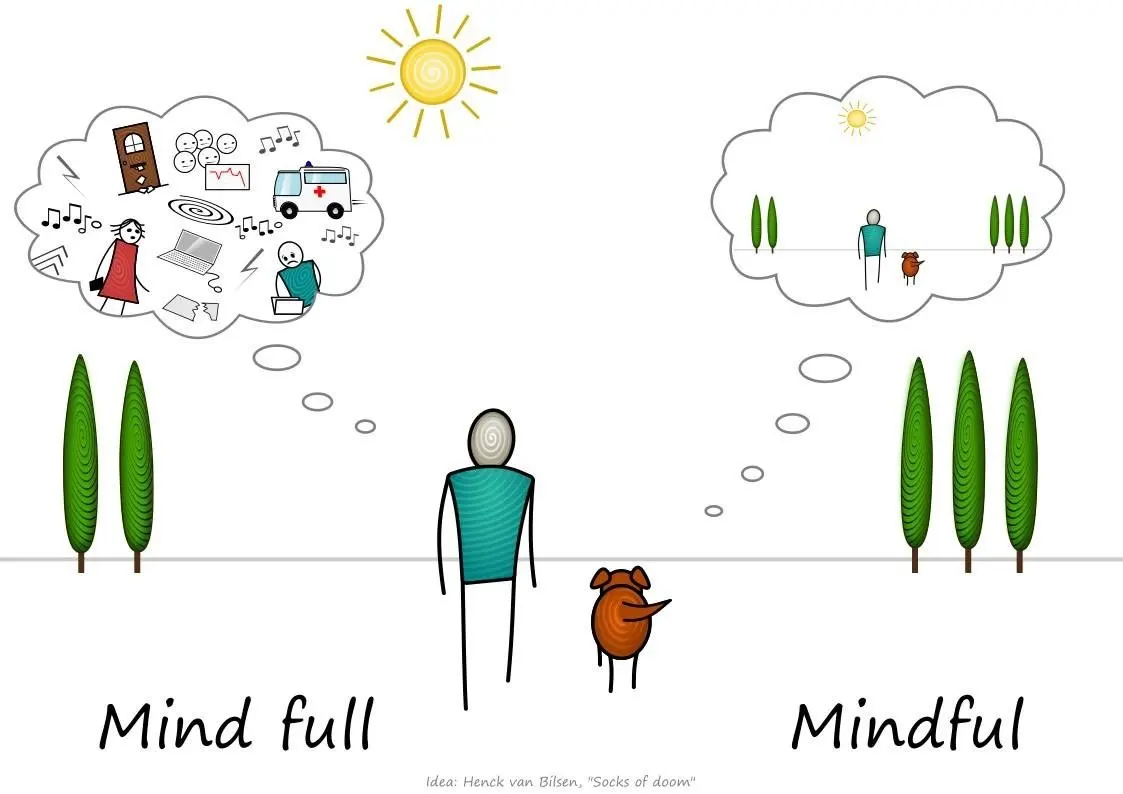
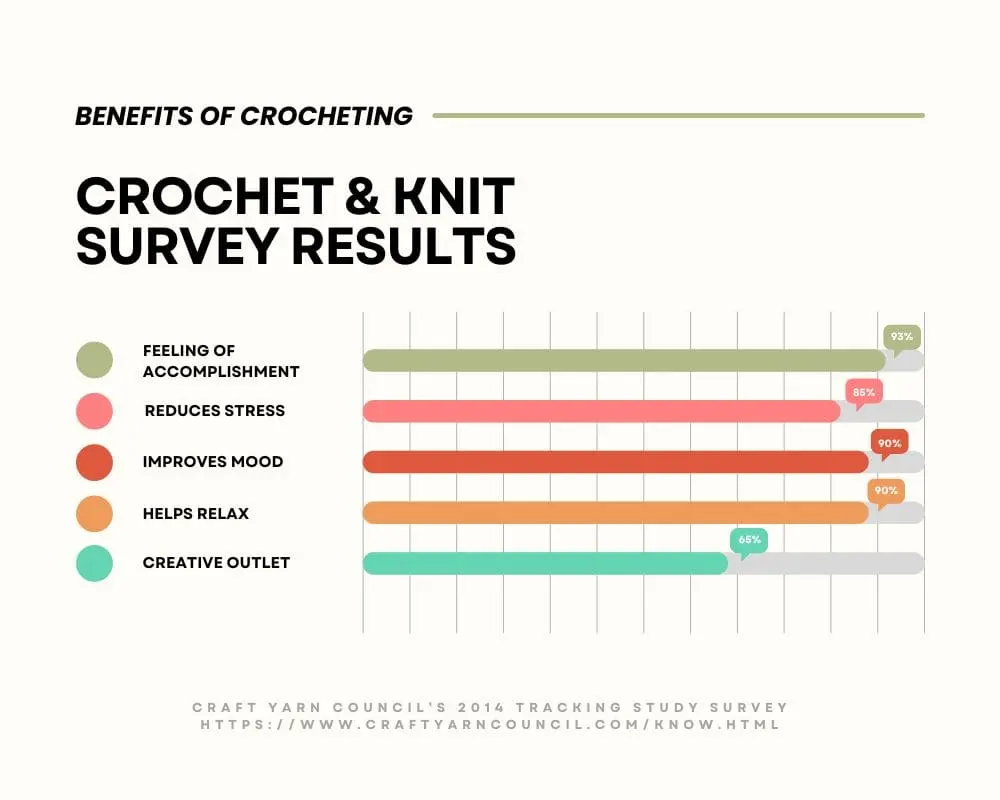
The rhythmic, repetitive nature of crocheting acts as a form of active meditation. When you focus on the sequence of loops and stitches, your brain shifts into a state of "flow," which is known to reduce cortisol levels and alleviate symptoms of anxiety. Research suggests that engaging in rhythmic hand movements can help quiet the mind, making it an effective tool for managing daily stressors and promoting emotional regulation.
For many practitioners, the tactile experience of working with yarn provides a grounding sensation that helps anchor them in the present moment. This mindfulness practice is particularly beneficial for those struggling with intrusive thoughts or high-pressure environments. By channeling nervous energy into a creative task, you create a dedicated space for mental rest. The cumulative effect of these sessions is often a measurable improvement in overall mood and a greater capacity for emotional resilience over time.
Why is crochet good for brain health?
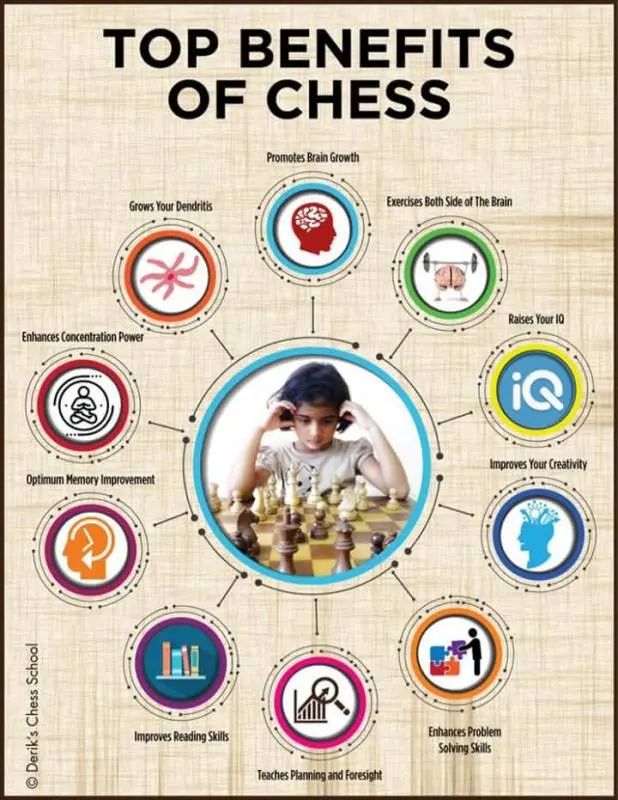
Crochet is a complex task that requires the simultaneous use of multiple cognitive functions. As you follow patterns, you must engage your spatial awareness, mathematical skills, and memory. Each stitch acts as a mental exercise, stimulating the brain’s neural pathways and helping to maintain cognitive sharpness. This is especially relevant for aging populations, as studies have linked consistent engagement in complex crafts to a lower risk of mild cognitive impairment.
The process involves several distinct mental challenges that keep the mind active:
- Pattern reading: Interpreting symbolic charts or written instructions improves logical reasoning.
- Counting stitches: Regular counting reinforces basic arithmetic and attention to detail.
- Troubleshooting: Identifying and fixing mistakes requires critical thinking and problem-solving skills.
- Color theory: Choosing palettes enhances aesthetic judgment and creative decision-making.
By consistently challenging the brain to learn new techniques, you build cognitive reserve. This mental workout is not only productive but also serves as a protective factor against cognitive decline.
How to start crocheting for beginners
Getting started with crochet is relatively inexpensive and requires only a few basic supplies. Because the craft relies on a single hook rather than the two needles used in knitting, it is often considered more forgiving for newcomers. The primary goal for a beginner should be mastering the tension of the yarn and the consistency of the stitch height.
Follow these steps to begin your first project:
- Purchase a standard size H/8 (5.0 mm) aluminum crochet hook and a skein of medium-weight acrylic yarn.
- Practice the "slip knot" to secure the yarn to your hook.
- Learn the "chain stitch" to create your foundation row.
- Master the "single crochet" stitch, which is the building block for most patterns.
- Work on small, manageable items like a dishcloth or a simple square coaster.
Focusing on these small, achievable goals prevents frustration. By keeping your first projects simple, you allow your hands to develop the necessary muscle memory without the pressure of completing a complex garment.
Common mistakes when learning to crochet
Even experienced crafters encounter hurdles, but beginners are particularly prone to errors that can discourage progress. The most frequent issue is inconsistent tension, which occurs when a crocheter grips the yarn too tightly or too loosely. This results in fabric that is either stiff and board-like or uneven and full of holes. Another common mistake is losing stitches at the end of a row, which causes the project to shrink or grow unintentionally.
To avoid these pitfalls, keep the following tips in mind:
- Use light-colored yarn so you can clearly see the individual stitches.
- Count your stitches at the end of every row to ensure you have not added or dropped any.
- Use stitch markers to identify the first and last stitches of each row.
- Take regular breaks to stretch your hands and wrists to prevent cramping.
If you find that your edges are uneven, it is likely due to skipping the turning chain or miscounting. Patience is key; unraveling your work to correct a mistake is a normal part of the learning process.
What are the social benefits of crochet?
Crochet has evolved into a highly social activity that connects people across generations and geographies. Local "stitch and bitch" groups, online forums, and crafting guilds provide platforms for individuals to share knowledge, troubleshoot patterns, and showcase finished projects. This sense of community is vital for combating loneliness and fostering a feeling of belonging. Sharing your work with others provides a sense of validation and encourages you to continue developing your skills.
Furthermore, the act of creating handmade items for charity or loved ones provides a profound sense of purpose. Whether you are donating baby blankets to a local hospital or gifting a scarf to a friend, the philanthropic aspect of the craft enhances your social well-being. This altruistic motivation transforms a solitary hobby into a meaningful contribution to your community. By participating in these social networks, you gain access to a wealth of collective wisdom that can accelerate your learning and deepen your appreciation for the craft.
Key facts
- Crochet uses a single hook to interlock loops of yarn, unlike knitting which uses two needles to manage multiple active stitches.
- The craft dates back to the early 19th century, with the first written patterns appearing in the Dutch magazine Penélopé in 1824.
- Repetitive rhythmic motions in crochet can lower heart rate and blood pressure, acting as a form of meditative practice.
- A standard crochet hook is measured in millimeters, typically ranging from 0.6mm for delicate lace to 15mm or larger for chunky blankets.
- The most common mistake for beginners is "dropping" stitches at the end of a row, which causes the project edges to slant or shrink.
- Tension control is the most important skill to master, as uneven pulling on the yarn results in inconsistent stitch sizes and distorted fabric.
The bottom line
Crochet is a versatile and accessible craft that offers significant mental health benefits alongside the ability to create functional, handmade items. By mastering basic tension and stitch consistency, beginners can quickly progress from simple squares to complex garments. Whether you seek a meditative hobby or a creative outlet, this ancient needlework technique provides a rewarding way to produce durable textiles with minimal equipment and practice.
People also ask
Is crochet easier to learn than knitting?
Many beginners find crochet easier because you only manage one active stitch at a time, making it simpler to fix mistakes. If you drop a stitch, it is less likely to unravel the entire project compared to knitting.
What supplies do I need to start?
You only need a single crochet hook, a ball of yarn, and a pair of scissors to begin. It is recommended to use a medium-weight yarn and a 5mm hook for your first project to see your stitches clearly.
How do I read a crochet pattern?
Patterns use standard abbreviations like "ch" for chain, "sc" for single crochet, and "dc" for double crochet. Always check if the pattern uses US or UK terminology, as the names for stitches differ between the two regions.
Can crochet help with arthritis?
The repetitive motion can keep joints flexible, but it is essential to use ergonomic hooks with thick, soft handles. Taking frequent breaks and performing hand stretches prevents strain during long sessions.
What is the difference between yarn weight and hook size?
Yarn weight refers to the thickness of the fiber strand, while hook size determines the size of the loop created. Matching them correctly is vital to ensure the fabric has the right drape and density.
How do I join a new ball of yarn?
The most secure way is to work the last few stitches of the old yarn and the first few of the new yarn together. Alternatively, use a "magic knot" to tie the two ends securely before trimming the excess tails.
This answer was created with the help of AI research tools and reference sources. Spotted an error? Let us know — we correct mistakes quickly. See our editorial policy.