What is a hot spring?
Short answer
A hot spring is a natural discharge of groundwater that has been heated by the Earth's internal geothermal energy. These springs occur when rainwater or snowmelt percolates deep into the crust, warms as it nears subterranean magma chambers, and rises back to the surface through fractures in the rock, often emerging as mineral-rich water.
On this page
Why do hot springs happen?
Hot springs are primarily a result of the Earth’s geothermal gradient, which dictates that temperatures increase as one moves deeper into the crust. In many regions, water seeps miles underground, where it is heated by contact with hot igneous rock or proximity to cooling magma bodies. As the water warms, it becomes less dense and more buoyant, forcing it to rise rapidly through permeable rock layers or tectonic fissures.
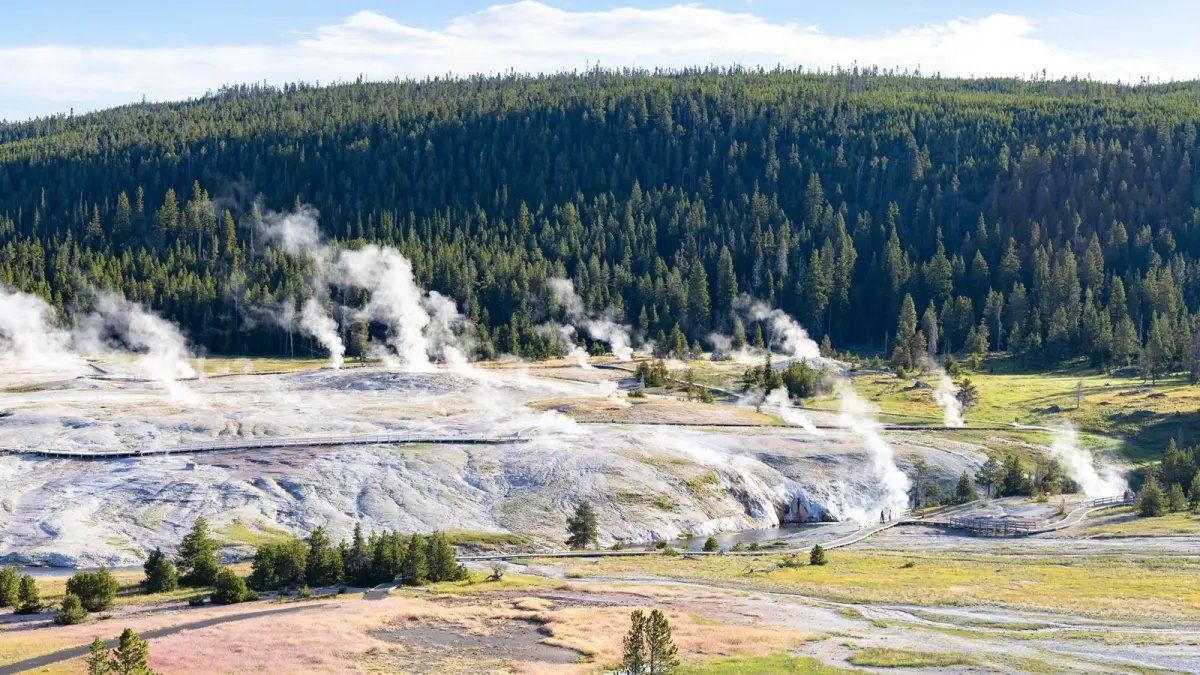
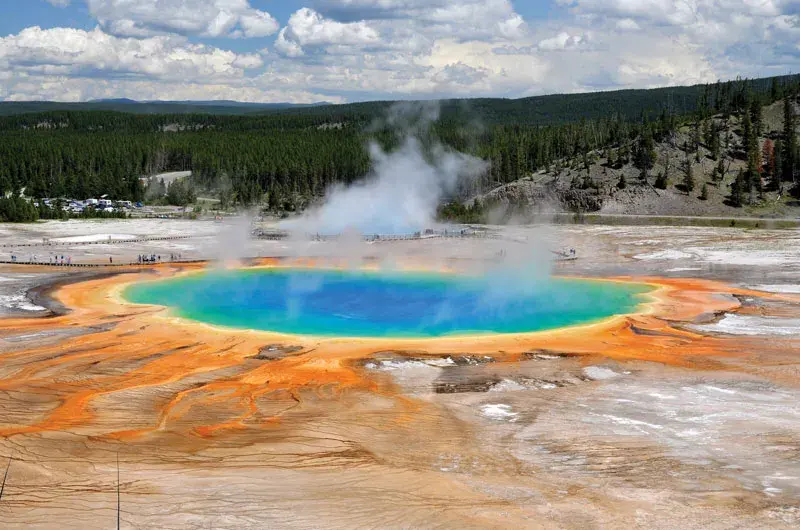
The chemical composition of a hot spring is determined by the specific minerals the water dissolves during its subterranean journey. Common elements found in these waters include sulfur, calcium, magnesium, and silica. The presence of these minerals often gives the water distinct colors, such as the vibrant oranges and yellows created by thermophilic bacteria in Yellowstone National Park. Without these specific geological pathways and heat sources, the water would simply remain cool groundwater.
Where are the best hot springs found?
Hot springs are most frequently located in areas with recent or active volcanic activity or significant tectonic plate movement. The "Ring of Fire" surrounding the Pacific Ocean is home to a vast concentration of these springs, including those in Japan, Iceland, New Zealand, and the western United States. These regions provide the necessary thin crust and subterranean heat flow required to sustain high-temperature water discharge.
When planning a visit to a hot spring, consider these factors:
- Proximity to volcanic zones or geothermal fields.
- Accessibility of the site, as many are located in remote wilderness areas.
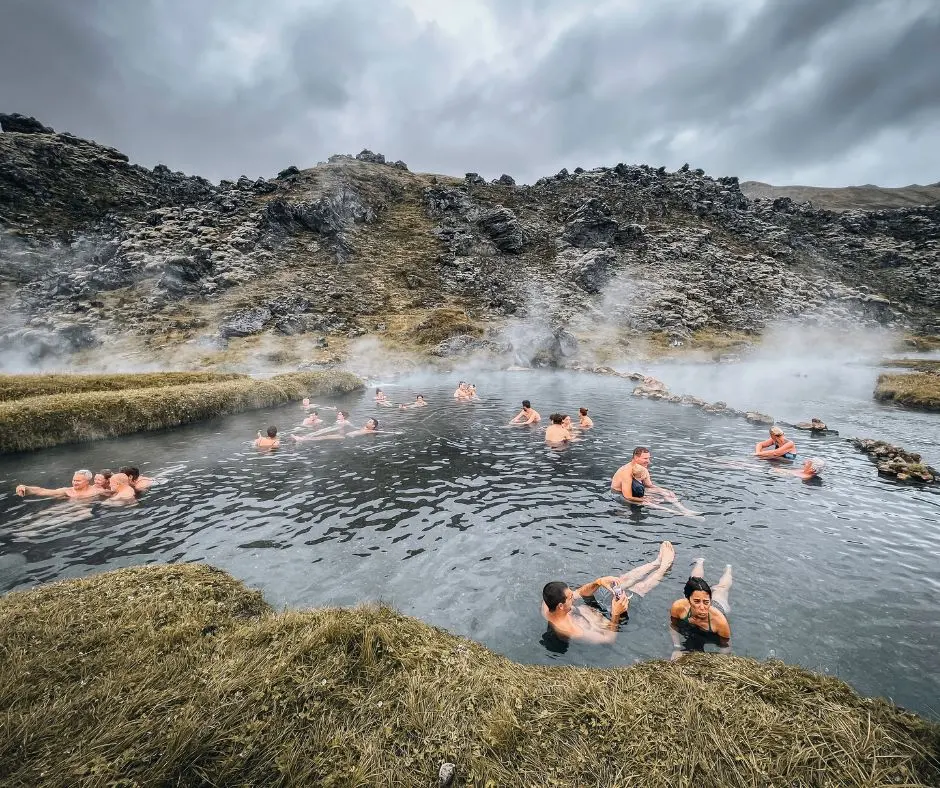
- The presence of natural development, such as stone soaking pools or commercial resorts.
- Local regulations regarding environmental protection and water usage.
- The temperature of the water, which can range from lukewarm to boiling.
How to bathe in hot springs safely?
Bathing in natural hot springs requires caution, as the environment is often unregulated and can pose significant health risks. Before entering, always check the water temperature, as some springs can reach temperatures hot enough to cause severe burns or heat exhaustion. It is also essential to be aware of the water's mineral content, which can sometimes be irritating to the skin or harmful if ingested in large quantities.
Follow these steps for a safe experience:
- Test the water with your hand or a thermometer before fully submerging your body.
- Limit your soaking time to 15-20 minutes to prevent dehydration and overheating.
- Stay hydrated by drinking plenty of fresh water throughout your visit.
- Rinse off thoroughly after exiting to remove mineral residues or potential bacteria.
- Avoid submerging your head, as some warm springs can harbor dangerous amoebas like Naegleria fowleri.
Common mistakes when visiting hot springs
Many visitors treat hot springs like standard swimming pools, which leads to avoidable accidents and environmental damage. One major mistake is neglecting to research the specific spring, as some are strictly protected ecological sites where bathing is prohibited. Furthermore, some individuals fail to account for the altitude or the intensity of the minerals, which can lead to lightheadedness or allergic reactions.
Another frequent error is the use of soaps, shampoos, or oils within the spring. These substances contaminate the delicate chemical balance of the water and harm the specialized microorganisms that live there. Additionally, visitors often underestimate the slipperiness of the surrounding rocks, which are coated in algae and mineral deposits. Always wear appropriate footwear, such as water shoes, to prevent slips and falls on the uneven, wet surfaces often found near geothermal vents.
How do hot springs change over time?
Hot springs are dynamic geological features that can shift, dry up, or change temperature due to seismic activity. An earthquake or a shift in underground pressure can easily block a water channel or create a new path, causing a hot spring to disappear or relocate entirely. Over centuries, the mineral deposits, known as sinter or travertine, build up around the vent, creating intricate terraces and mounds that alter the flow of the water.
Climate change and human intervention also impact these systems significantly. Excessive groundwater extraction for geothermal energy production or agricultural use can lower the water table, causing springs to go cold or cease flowing. Conservation efforts are now focused on monitoring these changes to ensure that the unique ecosystems surrounding these springs remain intact. By respecting the natural state of these geothermal features, we ensure that they remain available for study and enjoyment for future generations to come.
Key facts
- A hot spring is a natural spring that produces water at temperatures significantly higher than the surrounding air.
- Most hot springs are heated by geothermal energy, occurring where groundwater comes into contact with rocks heated by magma deep underground.
- The world’s largest concentration of hot springs is found in Yellowstone National Park, which contains more than 10,000 thermal features.
- Water from hot springs is often rich in dissolved minerals like calcium, magnesium, and sulfur, which some believe offer therapeutic health benefits.
- You should always check posted signs for temperature warnings, as some springs can reach boiling points that cause severe, immediate burns.
- Never submerge your head in natural hot springs, as they can harbor dangerous amoebas like Naegleria fowleri that enter the body through the nose.
The bottom line
Hot springs are fascinating geological phenomena created when groundwater is heated by the Earth’s internal energy. While they offer unique opportunities for relaxation and scientific study, they require caution due to extreme temperatures and potential biological hazards. By respecting local safety regulations and understanding the natural forces at work, visitors can safely enjoy these geothermal wonders and appreciate the dynamic power of our planet's hidden heat.
People also ask
Why is the water in some hot springs colorful?
The vibrant colors are typically caused by thermophilic microorganisms, such as cyanobacteria, that thrive in specific temperature ranges. Different species produce different pigments, creating the distinct rings of color often seen around pool edges.
Can you drink water directly from a hot spring?
You should avoid drinking water from natural hot springs because it often contains high concentrations of minerals, heavy metals, or harmful bacteria. Even clear-looking water can be contaminated with pathogens that cause severe gastrointestinal illness.
How do hot springs differ from geysers?
While both are heated by geothermal activity, a hot spring allows water to flow steadily to the surface. A geyser has a constricted plumbing system that traps steam and water until pressure builds, causing an explosive eruption.
Are hot springs found only near volcanoes?
While many are located near active or dormant volcanic regions, they can also occur in areas with thin crust or deep fault lines. These geological features allow groundwater to circulate deep enough to be heated by the Earth's internal mantle heat.
How do I safely enter a hot spring?
Always test the water with your hand or a thermometer before entering to ensure it is not dangerously hot. Enter slowly and stay hydrated, as the heat can cause rapid dehydration or lightheadedness, especially in mineral-rich waters.
Do hot springs ever dry up?
Yes, hot springs are sensitive to changes in the surrounding geology and groundwater levels. Earthquakes, volcanic shifts, or excessive human extraction of groundwater can alter the underground pathways, causing a spring to disappear or change its temperature.
This answer was created with the help of AI research tools and reference sources. Spotted an error? Let us know — we correct mistakes quickly. See our editorial policy.