What is a geyser?
Short answer
A geyser is a rare geothermal feature that periodically erupts a column of hot water and steam into the air. It occurs when groundwater is heated by volcanic magma deep underground, creating pressure that forces the water through narrow surface vents. They are primarily found in volcanic regions with specific plumbing systems.
On this page
Why a geyser erupts
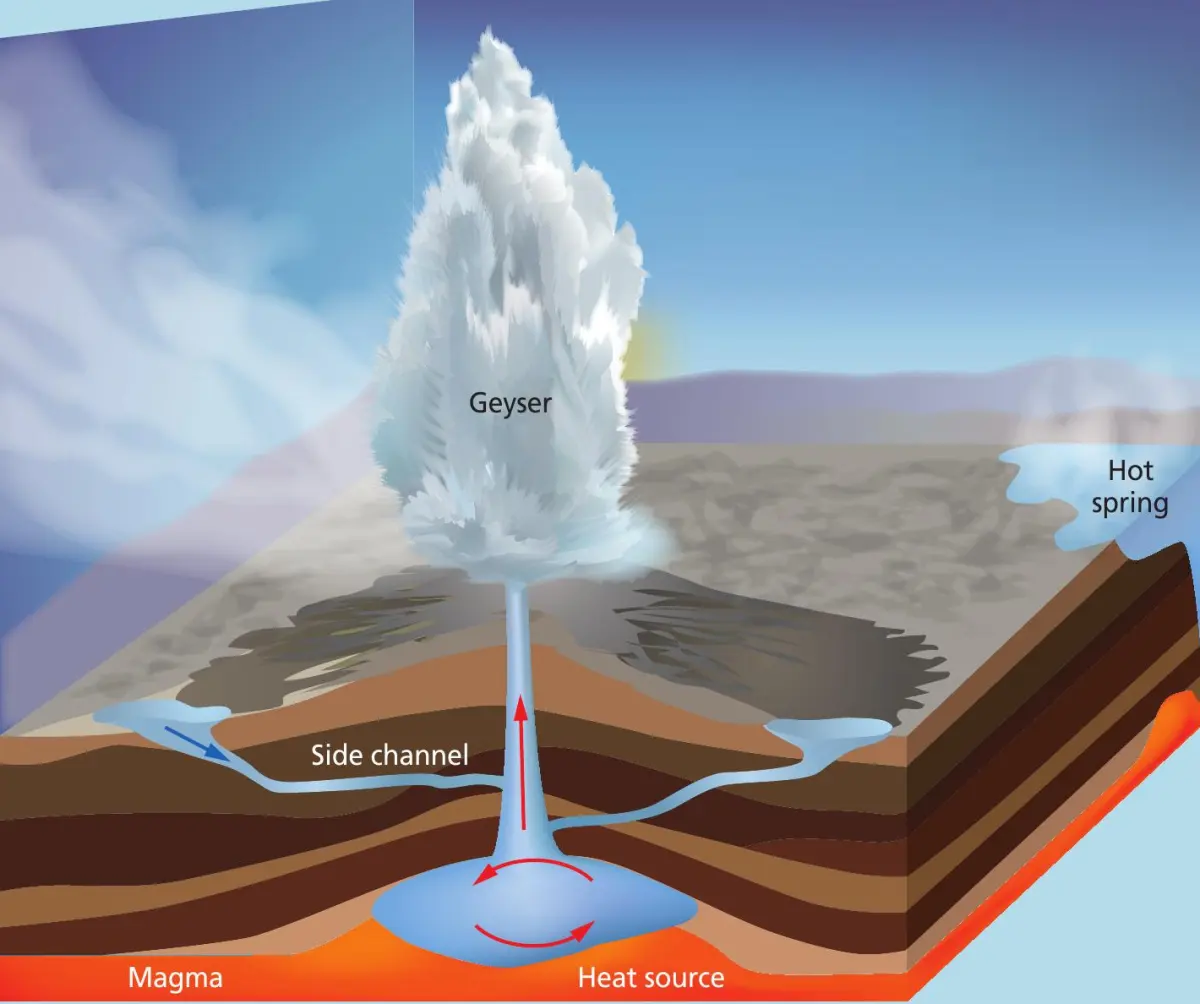
A geyser functions like a natural pressure cooker. Beneath the surface, cold groundwater seeps into deep, narrow fissures where it encounters hot rock heated by underlying magma. As the water reaches boiling temperatures, it cannot expand into steam because of the intense pressure exerted by the weight of the water column above it. This superheated water remains liquid until the pressure becomes too great or the water level drops, triggering a sudden, violent phase change.
The transition from liquid to steam causes the water to expand rapidly, pushing the column upward. This release of pressure allows more water to flash into steam, creating a chain reaction that ejects the remaining water out of the vent. Once the reservoir is empty, the geyser enters a recharge phase. Water slowly refills the underground chambers, and the cycle begins anew. This process requires a delicate balance of heat, water supply, and a constricted plumbing system to function correctly.
Where to see geysers
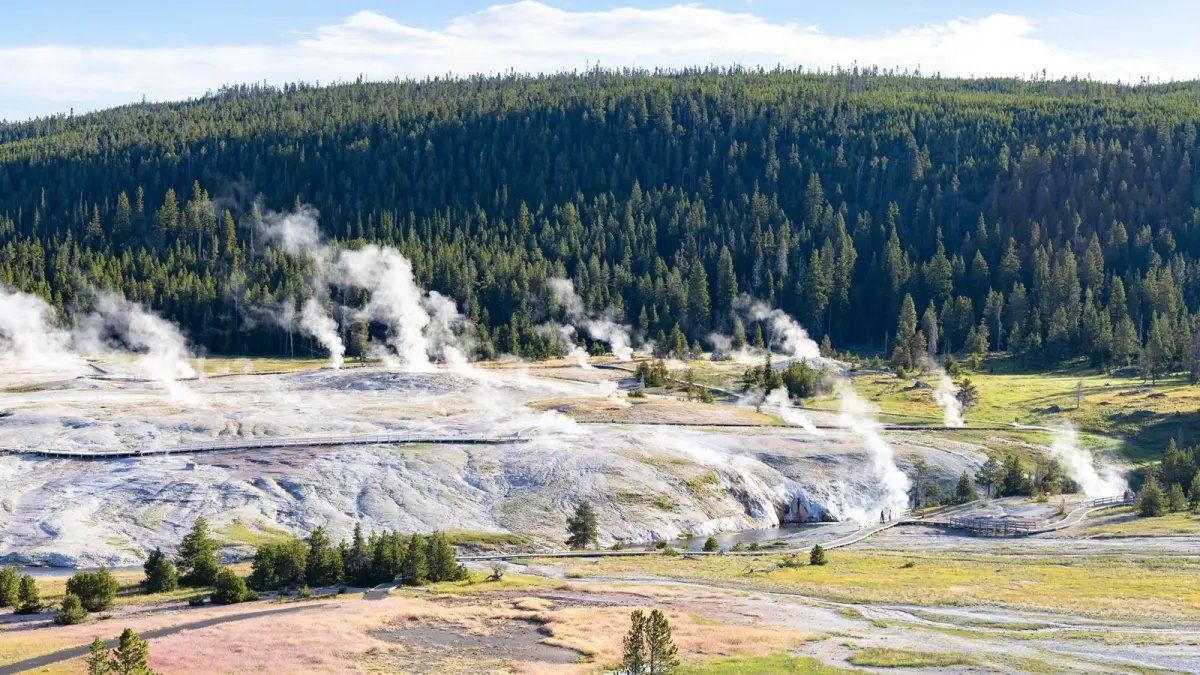
Geysers are globally rare because they require a unique convergence of geological conditions. They are most commonly found in volcanic areas where magma is relatively close to the Earth's crust. Currently, there are fewer than 1,000 active geysers worldwide. More than half of these are located within Yellowstone National Park in the United States. Other significant concentrations exist in Iceland, New Zealand, Chile, and Russia’s Kamchatka Peninsula.
If you are planning a trip to witness these phenomena, consider these primary locations:
- Yellowstone National Park, USA: Home to the famous Old Faithful and Steamboat Geyser.
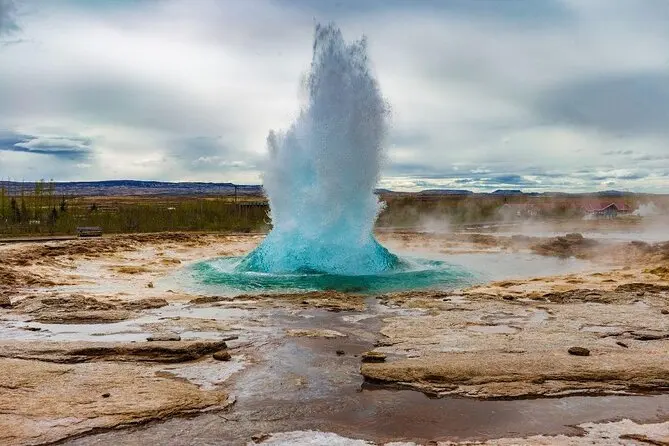
- Haukadalur Valley, Iceland: Features the active Strokkur, which erupts every few minutes.
- El Tatio, Chile: Located in the Andes, this is one of the highest-altitude geyser fields in the world.
- Rotorua, New Zealand: Known for its geothermal activity and cultural significance to the Māori people.
- Valley of Geysers, Russia: A remote, highly concentrated field accessible primarily by helicopter.
How to predict geyser eruptions
Predicting an eruption is a mix of scientific observation and historical data. While some geysers, like Old Faithful, have earned their reputation through relatively consistent intervals, others are notoriously unpredictable. Scientists monitor seismic activity, water temperature, and gas emissions to forecast potential eruptions. Many parks now provide real-time data or prediction windows based on the length and height of previous eruptions, which helps visitors plan their viewing times effectively.
To observe a geyser safely and successfully, follow these steps:
- Check the official park website or visitor center for the most recent eruption logs.
- Arrive at the viewing area at least 30 minutes before the predicted window.
- Observe the "pre-play" signs, such as minor splashing or steam venting, which often precede a major eruption.
- Stay on designated boardwalks to avoid thin, fragile crusts that can hide boiling water.
- Keep a safe distance, as wind can carry scalding spray far beyond the vent.
Common mistakes when visiting geysers
The most frequent error visitors make is underestimating the danger of geothermal environments. Many people assume that because a pool looks calm, it is safe to touch or walk near. In reality, the water in these pools is often near boiling and highly acidic. Stepping off boardwalks is not only dangerous for the visitor but also causes permanent damage to the delicate mineral formations that take centuries to grow.
Another common mistake is expecting every geyser to be a massive, reliable fountain. Many geysers are "fumaroles" or "mud pots" that do not erupt at all, or they may be dormant for years. Visitors often become frustrated when a geyser does not erupt on a strict schedule. It is important to remember that these are natural systems influenced by shifting underground plumbing, earthquakes, and seasonal water table changes. Always treat the unpredictable nature of these features as part of the experience rather than a failure of the park’s management.
How to stay safe around geothermal features
Safety is paramount when exploring geothermal areas. The ground around geysers is often composed of sinter, a brittle mineral deposit that can collapse under the weight of a person. Beneath this thin crust, there may be boiling water or superheated mud. Always remain on marked trails, as these paths are engineered to be stable and are placed far enough away to protect visitors from sudden eruptions or toxic gas emissions.
Be aware of the following hazards when exploring these unique landscapes:
- Toxic gases: Hydrogen sulfide and carbon dioxide can accumulate in low-lying areas, posing respiratory risks.
- Scalding water: Surface runoff can be just as hot as the main vent, causing severe burns upon contact.
- Unstable ground: Crustal layers can look solid but hide dangerous voids or acidic pools.
- Weather conditions: Rapidly changing weather can obscure visibility and make boardwalks slippery, increasing the risk of accidents.
By respecting the barriers and following park guidelines, you ensure that these geological wonders remain preserved for future generations to study and enjoy.
Key facts
- A geyser is a rare type of hot spring that is under pressure and erupts, sending jets of water and steam into the air.
- Geysers require a unique plumbing system consisting of a heat source, an abundant water supply, and a constricted underground channel.
- Old Faithful in Yellowstone National Park is the world's most famous geyser, erupting roughly every 90 minutes.
- The water in a geyser can reach temperatures well above the boiling point of 212°F (100°C) due to extreme pressure deep underground.
- Never approach a geyser vent, as the water is scalding and the ground surrounding it is often thin, brittle, and unstable.
- Geysers are found in only a few places on Earth, most notably in the United States, Iceland, Chile, New Zealand, and Russia.
The bottom line
Geysers are spectacular natural phenomena that function like pressurized plumbing systems deep within the Earth. By trapping superheated water in narrow channels, they create the explosive pressure necessary to launch steam and liquid into the air. While they offer a fascinating glimpse into geothermal energy, they remain dangerous environments that require careful observation from designated paths to ensure both human safety and geological preservation.
People also ask
Why do geysers erupt at regular intervals?
An eruption occurs when water in the underground plumbing reaches its boiling point and turns to steam, causing a rapid expansion. This pressure forces the water above it to overflow, which further reduces pressure and triggers a violent, explosive release of the remaining superheated water.
Can you predict when a geyser will erupt?
Some geysers are highly predictable, while others are entirely erratic. Scientists use seismic monitoring and historical data to forecast eruptions for famous geysers, but natural shifts in underground channels can change these patterns without warning.
Are all hot springs geysers?
No, most hot springs are simply pools of heated water that flow gently to the surface. A geyser requires a specific, narrow conduit that traps heat and pressure, preventing the water from flowing out until it reaches an explosive state.
Is it safe to touch the water in a geyser basin?
You should never touch the water in a geyser basin, as it is often near boiling and can contain high levels of toxic minerals or acids. Additionally, the crust around these features is fragile and can break, leading to severe burns or death.
How deep does a geyser go?
The plumbing systems of geysers can extend hundreds of feet beneath the surface. These deep reservoirs are heated by magma chambers located even further down in the Earth's crust.
Do geysers ever stop erupting?
Yes, geysers can go dormant or stop erupting permanently due to geological changes, such as earthquakes or the clogging of their vents by mineral deposits. Conversely, new geysers can form when seismic activity creates new pathways for water and heat.
This answer was created with the help of AI research tools and reference sources. Spotted an error? Let us know — we correct mistakes quickly. See our editorial policy.