What are the stages of drawing development in children?
Short answer
Children progress through predictable stages of drawing development, starting with random scribbles and evolving into representational art. This journey typically moves from the manipulative Scribble Stage to the Preschematic, Schematic, Dawning Realism, and Pseudo-Naturalistic stages. These phases reflect a child’s cognitive growth, physical coordination, and their increasing ability to organize visual information.
On this page
How do children start drawing
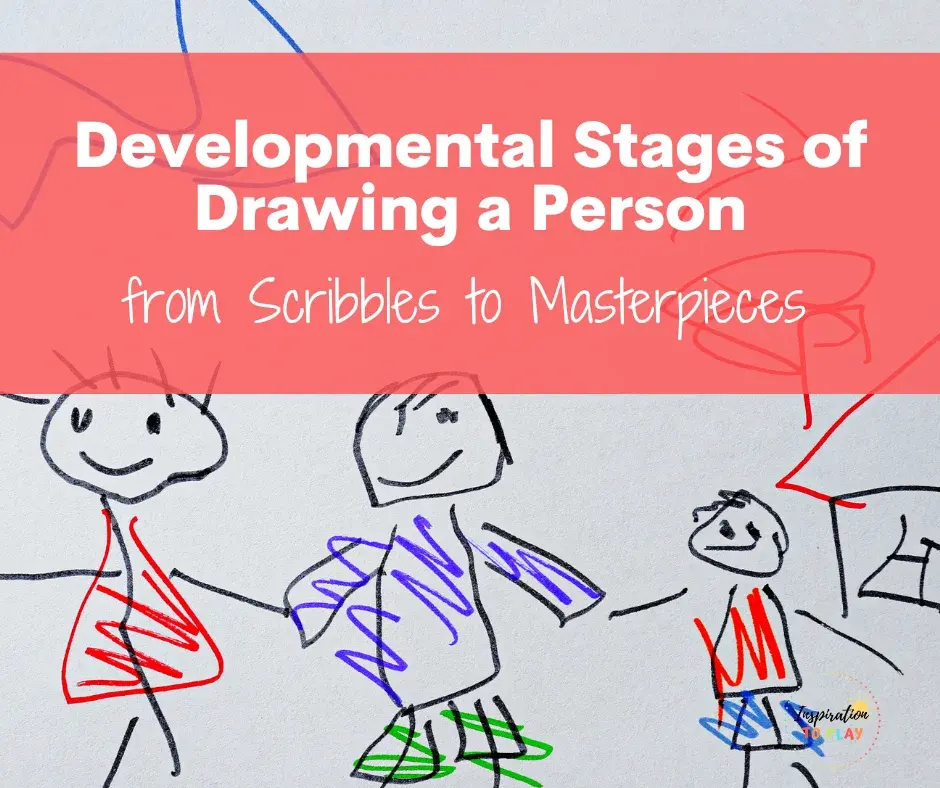
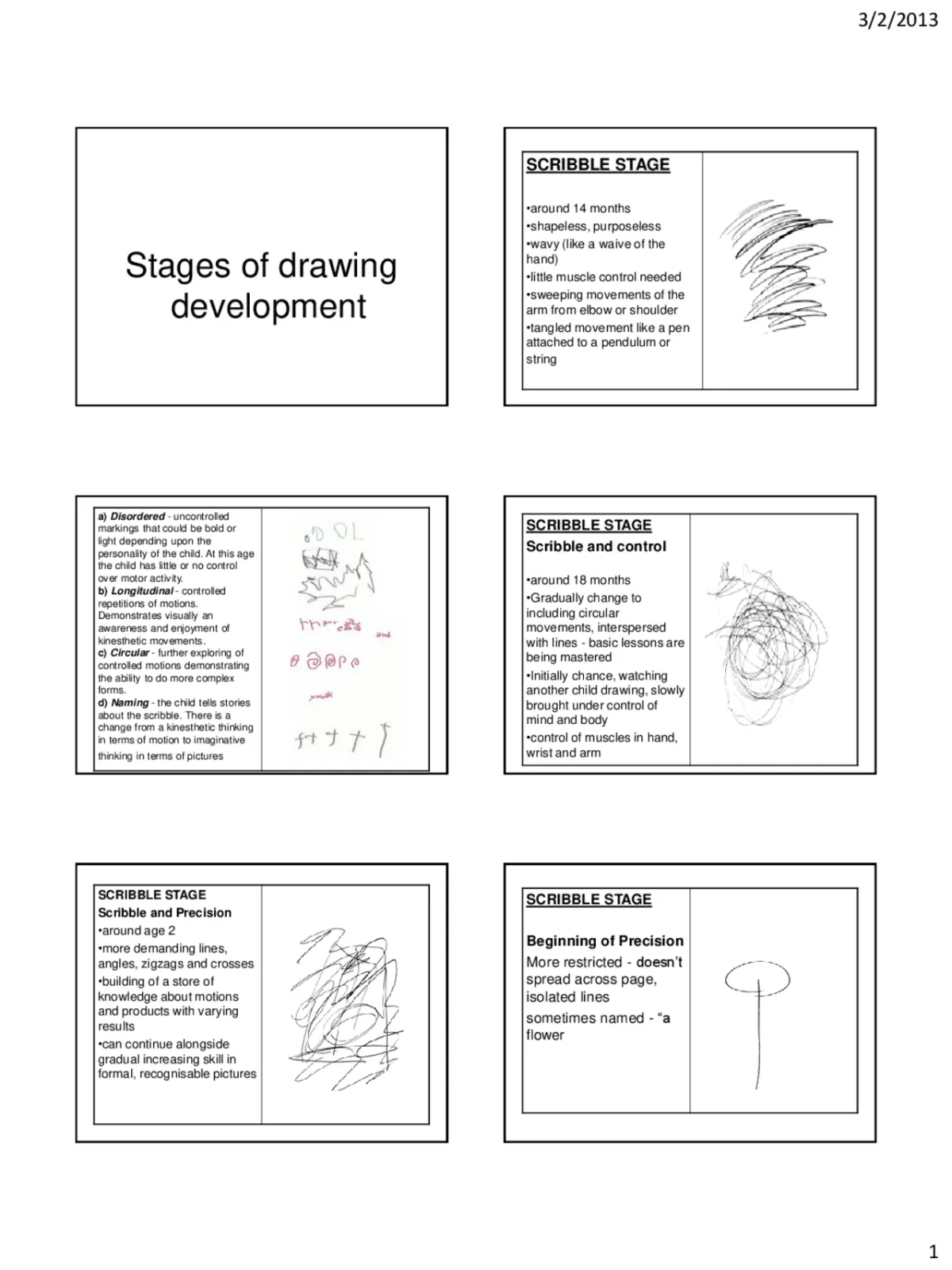
The initial phase, known as the Scribble Stage, typically begins between ages two and four. During this time, children explore the physical act of making marks rather than attempting to create recognizable images. This stage is divided into three distinct phases: random scribbling, controlled scribbling, and naming scribbles. Initially, children lack the fine motor control to coordinate their eyes and hands, resulting in erratic lines. As they gain confidence, they begin to experiment with circular motions and repetitive strokes. By the end of this period, children often assign meaning to their work, claiming a chaotic set of lines represents a person or a pet. This transition marks the shift from purely kinesthetic pleasure to the beginning of symbolic thought, where the child realizes their marks can represent the world around them.
- Random scribbling: The child enjoys the sensory feedback of movement.
- Controlled scribbling: The child discovers the relationship between their hand motion and the mark on the page.
- Named scribbling: The child assigns a label to their drawings, indicating an emerging connection between symbols and objects.
Why does the preschematic stage happen
Between ages four and seven, children enter the Preschematic Stage, characterized by the first attempts at representational drawing. The most iconic development here is the "tadpole" figure, where a child draws a circle for a head with lines protruding to represent limbs. This stage is not about anatomical accuracy but rather emotional significance; children draw what they know is important, often making heads disproportionately large. They do not yet use a baseline, so objects appear to float randomly across the page. Colors are chosen based on preference or availability rather than reality, such as drawing a purple sun or a green sky. This period is vital for cognitive development as children begin to create a visual vocabulary, establishing a personal shorthand for the people and things they encounter daily.
- Objects are drawn in isolation without a spatial relationship.
- The size of an object often reflects its emotional importance to the child.
- There is little concern for realistic color or perspective.
What happens during the schematic stage
From ages seven to nine, children develop a "schema," or a repeatable symbol for objects. This is the Schematic Stage, where children establish a baseline—a line at the bottom of the page representing the ground—and a skyline at the top. They now organize the world into a coherent narrative, placing houses, trees, and people in a logical order. A notable technique during this time is the "x-ray drawing," where a child draws the inside of a house or a car to show what is happening within. This demonstrates an advanced understanding of object permanence and internal structure. Children become more critical of their work and may repeat the same symbols consistently, such as drawing a flower with a specific number of petals every time, demonstrating a desire for order and mastery.
How to support dawning realism
As children reach ages nine to twelve, they enter the stage of Dawning Realism. They become increasingly aware of their environment and begin to critique their own work for its lack of accuracy. This is a common period where children may become discouraged and stop drawing because they feel they cannot capture the world as they see it. To support them, emphasize the process of observation rather than the final product. Encourage them to look at shadows, textures, and overlapping objects. Providing high-quality materials and exposing them to different artistic styles can help them navigate this transition. Avoid criticizing their proportions; instead, ask questions about their creative choices to keep them engaged. This stage requires patience, as the child is balancing their creative impulse with a new, heightened sense of self-criticism and logical observation.
- Encourage drawing from life, such as a bowl of fruit or a favorite toy.
- Discuss how light creates shadows and depth on simple surfaces.
- Introduce the concept of overlapping, where one object hides part of another.
Common mistakes when encouraging young artists
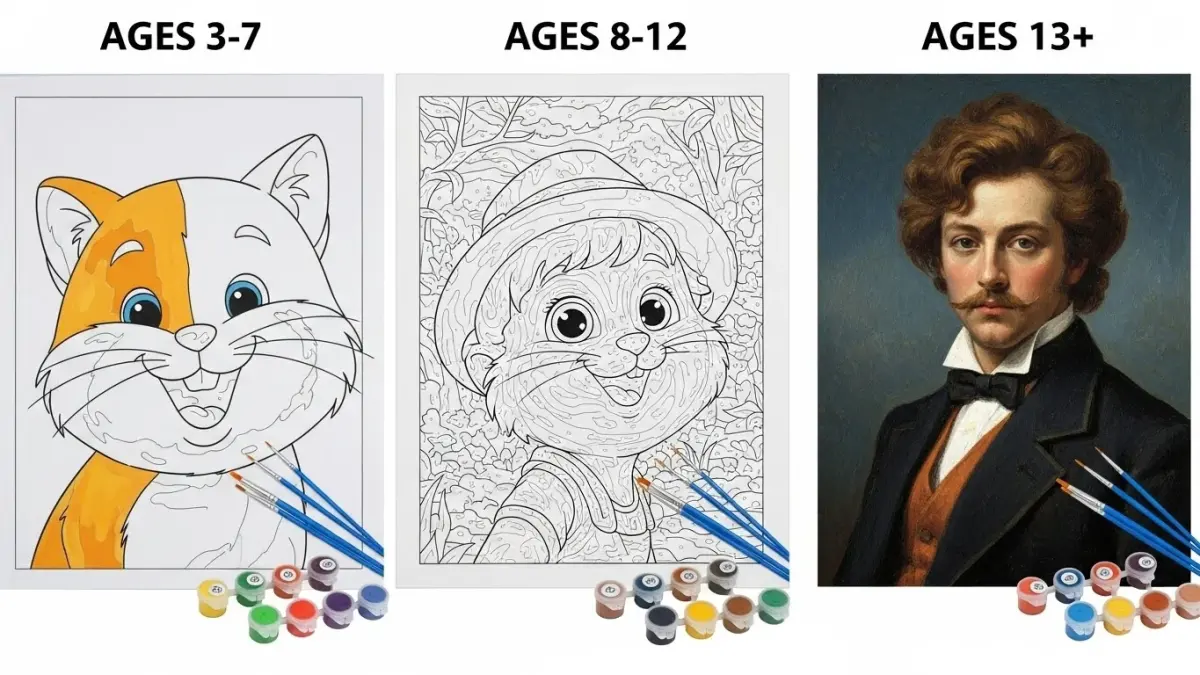
One of the most frequent mistakes adults make is imposing adult standards of realism on a child’s work. When a parent asks, "What is that?" or tries to "fix" a drawing, it can undermine the child's confidence and creative autonomy. Another error is providing coloring books or templates, which limit the child’s ability to develop their own symbols and visual language. Instead, provide blank paper and open-ended drawing tools to foster experimentation. Avoid over-praising every single mark, as this can create a dependency on external validation rather than intrinsic motivation. Focus instead on the effort and the specific details the child chose to include. By respecting their developmental stage and avoiding the urge to direct the outcome, you allow the child to build a genuine, personal connection to their artistic expression that will last throughout their life.
Key facts
- Children typically begin the "scribble stage" between ages 2 and 4, focusing on physical movement rather than representation.
- The "preschematic stage," occurring roughly between ages 4 and 7, marks the first attempt to draw recognizable symbols like people or houses.
- By the "schematic stage" (ages 7 to 9), children develop a set schema, such as drawing a baseline for the ground and a sky line at the top.
- Avoid correcting a child's drawing for "realism," as this can discourage creative expression and confidence during early developmental phases.
- Provide a variety of drawing tools like thick crayons, markers, and large paper to help children develop fine motor control and grip strength.
- Focus on the process of drawing rather than the final product to encourage experimentation and cognitive growth.
The bottom line
Drawing development is a natural progression that mirrors a child's cognitive and physical growth. By moving from simple motor-driven scribbles to complex, symbolic representations, children learn to interpret and communicate their experiences. Parents and educators should prioritize the creative process over technical accuracy, offering diverse materials and positive reinforcement. Supporting this journey fosters confidence, spatial awareness, and self-expression, providing a foundation for lifelong artistic and intellectual exploration.
People also ask
Does drawing ability correlate with intelligence?
While drawing reflects cognitive development and spatial awareness, it is not a direct measure of general intelligence. It serves as a window into how a child perceives and organizes their world.
Should I teach my child how to draw specific shapes?
It is more effective to provide encouragement and exposure to different shapes rather than formal instruction. Allow children to discover how lines combine to form symbols at their own pace.
Why do children draw people with large heads and no bodies?
In the early stages, children prioritize the most important parts of a person, such as the face, which is the center of communication. As they mature, they naturally add limbs and torso details.
Is it normal for a child to draw the same thing repeatedly?
Yes, repetition is a vital part of mastering a specific symbol or concept. It allows the child to refine their motor skills and solidify their understanding of that object.
What if my child refuses to draw?
Avoid pressuring the child, as this can create negative associations with creative tasks. Instead, model drawing yourself in a relaxed way to spark their natural curiosity.
When should a child move from scribbling to drawing shapes?
Most children transition from random scribbles to controlled shapes like circles and lines by age three. This progression depends heavily on individual motor skill development and exposure to materials.
This answer was created with the help of AI research tools and reference sources. Spotted an error? Let us know — we correct mistakes quickly. See our editorial policy.