At what age do kids start drawing people
Short answer
Children typically begin drawing recognizable human figures between the ages of three and four. This milestone follows a progression from chaotic scribbling to intentional shapes. By age four, most toddlers transition from "tadpole" figures—large heads with limbs attached—to more detailed representations including torsos, facial features, and distinct clothing items.
On this page
When do children start drawing people?
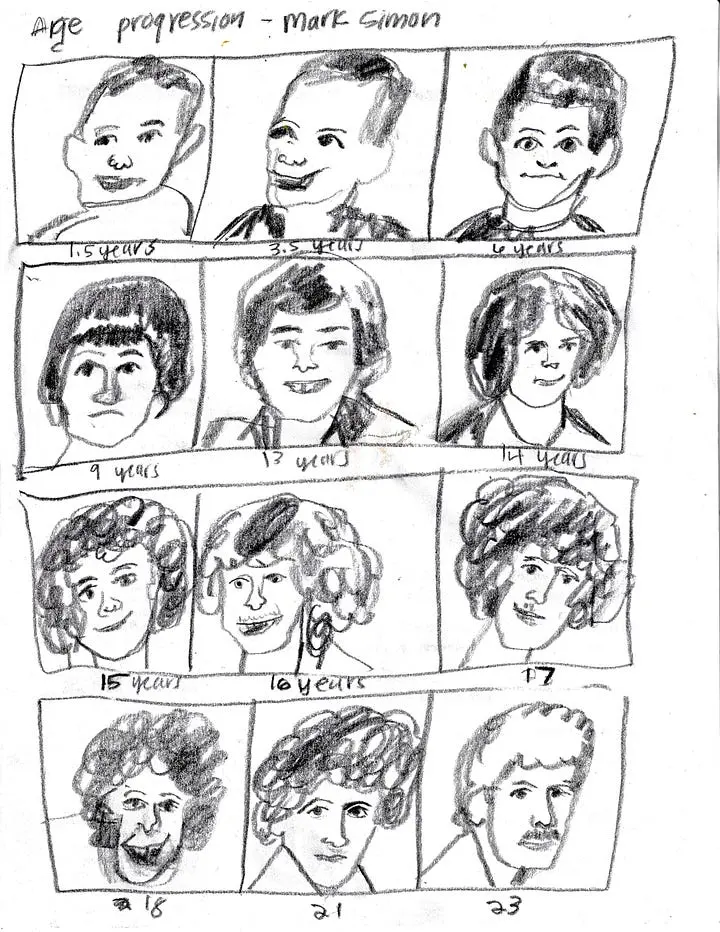
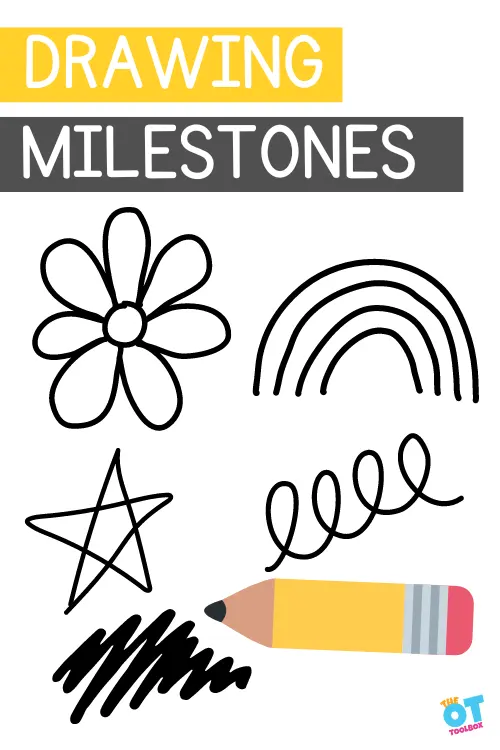
Most children begin their artistic journey with aimless scribbling around age two. By age three, they start assigning meaning to these marks, often claiming a circle represents a person. This is a significant cognitive leap, as it demonstrates the child understands that a two-dimensional shape can symbolize a real-world object.
The transition from abstract scribbles to intentional representation happens rapidly between ages three and four. During this time, children develop the motor control necessary to close circles and draw lines that connect to them. While these early drawings are rarely anatomically accurate, they serve as the foundation for visual storytelling. Parents should view these initial efforts as a developmental milestone rather than an assessment of artistic talent.
What are the stages of drawing people?
Developmental psychologists often categorize early human drawings into specific, predictable stages. Understanding these phases helps parents appreciate the complexity of the task a child is undertaking. The progression generally follows this trajectory:
- Scribble Stage: Random marks that lack representational intent.
- Preschematic Stage: The emergence of the "tadpole" figure, where limbs sprout directly from a large head.
- Schematic Stage: The addition of a torso, allowing for more realistic limb placement and clothing details.
As children move into the schematic stage, usually around age five or six, they begin to add environmental context. They might draw a sun in the corner, a house, or a ground line. This indicates that the child is moving beyond drawing an isolated person and is now attempting to represent a narrative or a specific scene from their life.
How to encourage drawing at home?
Providing the right environment is essential for fostering a child’s desire to draw. You do not need expensive supplies to encourage creativity; simple tools often work best for developing hands. Focus on the process of creation rather than the final aesthetic result to keep the child engaged and confident.
- Provide large sheets of paper that allow for broad, unrestricted arm movements.
- Use thick crayons or triangular pencils that are easier for small fingers to grip.
- Keep art supplies accessible so the child can initiate drawing whenever inspiration strikes.
- Ask open-ended questions like "Tell me about your person" instead of asking "Who is this?"
Avoid the temptation to draw for the child or to correct their proportions. If you draw a "perfect" person, the child may become discouraged by their own perceived lack of skill. Instead, celebrate their unique interpretation of the human form, as this reinforces their confidence to continue experimenting with different shapes and features.
Common mistakes when viewing children's art
A frequent error parents make is expecting children to draw realistically before they possess the necessary cognitive and motor skills. If a child draws a person with six fingers or eyes on their forehead, it does not suggest a developmental delay. It simply means the child is prioritizing the most important features they associate with a person, such as eyes for seeing or hands for grabbing.
Another mistake is over-praising the finished product with generic terms like "good job." This can lead children to focus on pleasing the adult rather than exploring their own creative process. Instead, provide descriptive feedback that highlights their effort. For example, mention the vibrant colors they chose or the specific way they drew the hair. This encourages the child to think critically about their work and motivates them to continue practicing their observational skills.
Why drawing people matters for development
Drawing is far more than a fun pastime; it is a critical tool for cognitive development. When a child draws a person, they are practicing spatial awareness, fine motor coordination, and symbolic thinking. They must translate a three-dimensional person into a two-dimensional representation, which requires significant mental processing and planning.
Furthermore, these drawings provide a window into a child's emotional world. Children often exaggerate the features they find most important, such as making a parent’s hands very large or drawing themselves standing next to a favorite toy. By observing these choices, parents gain insight into what the child values and how they perceive their relationships. Encouraging this form of self-expression helps children process their experiences and communicate their feelings long before they have the vocabulary to describe them in complex sentences.
Key facts
- Most children begin drawing recognizable human figures between the ages of 3 and 4.
- Early drawings typically feature a "tadpole" figure, consisting of a large circle for the head with limbs attached directly to it.
- By age 5, children usually add a torso to their figures, creating a more distinct body shape.
- Facial features like eyes, noses, and mouths often appear in a disorganized fashion before becoming correctly placed by age 6.
- Drawing development is closely linked to a child’s fine motor skills and cognitive ability to perceive spatial relationships.
- Encourage drawing by providing diverse materials like crayons, markers, and paper, but avoid correcting their artistic proportions.
The bottom line
Children typically begin drawing human figures around age three, starting with simple "tadpole" shapes before adding torsos and facial details by age five or six. This progression mirrors their cognitive and motor development. Parents should support this natural growth by providing creative materials and offering positive reinforcement. Avoid over-correcting their work, as artistic expression is highly individual and evolves significantly during these formative early years.
People also ask
Why do children draw heads larger than bodies?
Children often draw heads disproportionately large because they prioritize the most important parts of the human experience, such as faces and expressions. This is a normal stage of cognitive development rather than a lack of observation.
Should I teach my child how to draw a person properly?
It is generally better to let children develop their own representational style through exploration. Direct instruction can sometimes make children feel self-conscious or discouraged if they cannot replicate an adult’s technique.
Is it normal for a 4-year-old to omit fingers or ears?
Yes, it is perfectly normal for young children to leave out details like fingers, ears, or hair. They typically include only the features they consider most significant at that moment in their development.
Does drawing ability indicate high intelligence?
While drawing reflects a child’s cognitive growth and fine motor development, it is not a direct measure of overall intelligence. Every child progresses at their own pace based on their unique interests and experiences.
What if my child refuses to draw people?
Some children prefer drawing patterns, shapes, or nature scenes over human figures. As long as they are engaging in creative activities, there is no need to force them to draw people.
How can I help my child improve their drawing skills?
Provide plenty of opportunities for open-ended art and praise their effort rather than the final result. You can also talk about the parts of the body while looking in a mirror to help them observe details.
This answer was created with the help of AI research tools and reference sources. Spotted an error? Let us know — we correct mistakes quickly. See our editorial policy.