How long do parrots live?
Short answer
Parrots generally live between 15 and 80 years, depending heavily on the species, diet, and environment. Small species like budgerigars typically live 5 to 15 years, while large macaws or cockatoos can exceed 60 or even 80 years in captivity. Proper care, nutrition, and veterinary attention are critical factors for longevity.
On this page
How long do different parrot species live?
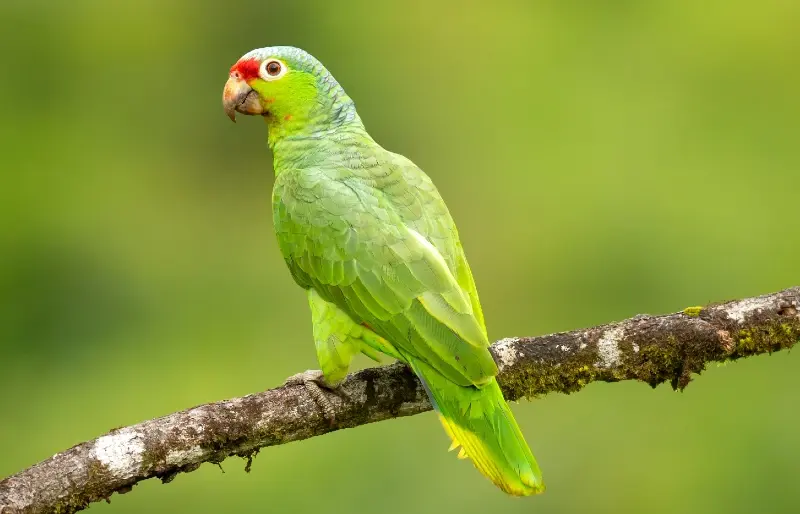
The lifespan of a parrot is primarily determined by its biological classification and size. Smaller birds, such as parakeets and lovebirds, have higher metabolic rates and shorter natural lifespans, typically ranging from 5 to 15 years. In contrast, larger psittacine species, such as African Greys, Amazons, and various macaw species, are known for their remarkable longevity, often living well into their 50s or 60s.
It is a common misconception that all parrots live for a century. While some individual cockatoos have been documented living past 80 years, these cases are exceptional rather than the norm. Genetics play a significant role, but the species-specific baseline remains the most reliable indicator of potential lifespan. Owners should research their specific bird’s average life expectancy to prepare for the long-term commitment required for their care.
- Budgerigars (Budgies): 5–15 years
- Cockatiels: 15–25 years
- African Grey Parrots: 40–60 years
- Amazon Parrots: 40–80 years
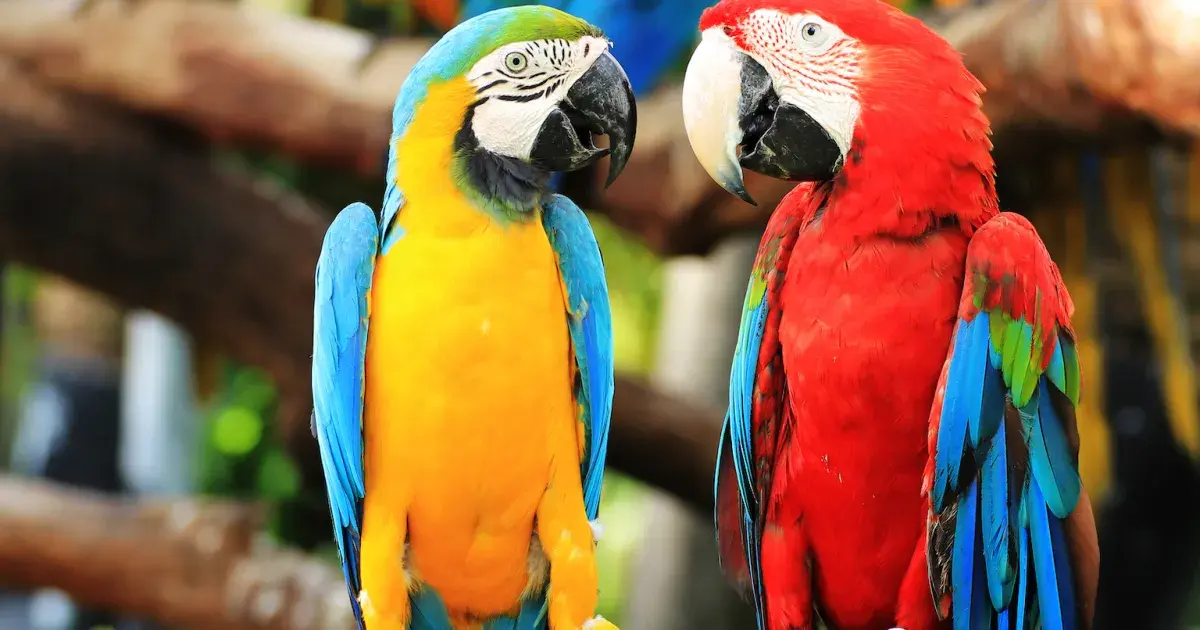
- Macaws: 50–80 years
Why do parrots live so long?
Parrots possess unique biological traits that contribute to their extended lifespans compared to other birds of similar size. Their high intelligence and complex social structures are linked to longevity, as these traits often correlate with slower reproductive rates and higher investment in offspring. Furthermore, parrots have few natural predators in the wild once they reach adulthood, which has allowed them to evolve mechanisms for long-term survival.
In captivity, the absence of natural threats, combined with modern veterinary medicine, allows many parrots to reach or even exceed their wild life expectancies. A stable, secure environment protects them from the dangers of starvation, climate extremes, and predation. However, this longevity places a significant burden on owners, who must ensure that the bird’s physical and psychological needs are met over several decades of the owner's own life.
How to extend a parrot's lifespan
Providing a high-quality environment is the most effective way to ensure a parrot reaches its full biological potential. Nutrition is the cornerstone of avian health; a diet consisting solely of seeds is often deficient in essential vitamins and minerals. Providing a balanced diet of high-quality pellets, fresh vegetables, and occasional fruits helps prevent common metabolic diseases and obesity, which significantly shorten a bird's life.
Mental stimulation is equally vital, as parrots are highly intelligent animals that suffer from boredom and stress. A lack of environmental enrichment can lead to self-destructive behaviors, such as feather plucking or chronic screaming. To promote a long, healthy life, follow these essential care practices:
- Schedule annual wellness examinations with an avian-certified veterinarian to detect health issues early.
- Provide a spacious cage that allows for full wing extension and daily exercise outside the enclosure.
- Offer a variety of foraging toys to keep the bird’s mind active and engaged.
- Maintain a consistent sleep schedule of 10 to 12 hours of uninterrupted darkness each night.
Common mistakes when caring for parrots
Many owners inadvertently shorten their bird's lifespan through improper husbandry or environmental hazards. One of the most frequent errors is the use of non-stick cookware, which releases toxic fumes when overheated that are fatal to parrots within minutes. Additionally, many household plants, cleaning chemicals, and scented candles are highly toxic to the sensitive respiratory systems of birds.
Another common mistake is failing to recognize the signs of illness until a condition has become advanced. Because parrots are prey animals, they instinctively hide signs of sickness to avoid appearing weak. Owners must be vigilant for subtle changes in behavior, such as decreased appetite, changes in droppings, or lethargy. Ignoring these early warning signs often leads to preventable deaths that could have been avoided with timely professional medical intervention.
What to consider before adopting a parrot
Adopting a parrot is a multi-decade commitment that requires significant lifestyle planning. Because many species live as long as humans, prospective owners must consider who will care for the bird if they become unable to do so themselves. It is standard practice to include provisions for a parrot in a will or estate plan to ensure the bird is placed in a suitable home if the owner passes away.
Before bringing a parrot into your home, evaluate your ability to provide the necessary time, financial resources, and emotional support. These birds require daily interaction and social bonding to thrive, making them unsuitable for individuals who are away from home for long hours. By understanding the long-term reality of their lifespan, you can make an informed decision that ensures a stable and loving environment for the bird throughout its entire life.
Key facts
- Large parrots, such as macaws and cockatoos, often live 50 to 80 years in captivity.
- Small species like budgies typically have a lifespan of 5 to 10 years.
- High-quality, species-specific pellet diets significantly increase life expectancy compared to seed-only diets.
- Regular veterinary check-ups with an avian specialist are essential for early detection of hidden illnesses.
- Providing mental stimulation through foraging toys and social interaction prevents stress-related health decline.
- Avoid non-stick cookware, as the fumes released during overheating are toxic and can be fatal to birds.
The bottom line
Parrots are long-lived companions that require a serious, multi-decade commitment from their owners. While smaller species have shorter lives, larger parrots can remain part of a family for over half a century. To ensure your bird reaches its full potential, focus on a balanced diet, regular avian veterinary exams, and a stimulating environment. Always plan for the bird's future care to ensure its long-term well-being.
People also ask
Do parrots live longer in the wild or in captivity?
Generally, parrots live longer in captivity due to the absence of predators, consistent food sources, and access to veterinary care. Wild birds face constant threats from environmental hazards, competition, and disease that often shorten their natural lifespan.
What is the most common cause of premature death in pet parrots?
Nutritional deficiencies and respiratory issues are the primary causes of early death. Many owners inadvertently feed their birds diets lacking essential vitamins or expose them to household toxins like scented candles, aerosols, or overheated Teflon pans.
Can a parrot outlive its owner?
Yes, many large parrot species can easily outlive their human companions. It is common for macaws or African Greys to live 60 years or more, making it necessary to include them in estate planning or wills.
How can I tell if my parrot is aging?
Aging parrots may show reduced activity levels, changes in feather quality, or difficulty gripping perches. You might also notice a decrease in appetite or changes in their vocalization patterns as they reach their senior years.
Does species size dictate how long a parrot lives?
While there are exceptions, larger parrot species generally have longer lifespans than smaller ones. Larger birds often reach sexual maturity later and have slower metabolic rates, which correlates with increased longevity.
Is it difficult to care for a long-lived parrot?
Caring for a long-lived bird requires a lifetime commitment to social, physical, and medical needs. The primary challenge is maintaining the bird's psychological health, as they are highly intelligent creatures that require daily interaction and environmental enrichment.
This answer was created with the help of AI research tools and reference sources. Spotted an error? Let us know — we correct mistakes quickly. See our editorial policy.