How long do octopuses live?
Short answer
Octopuses have remarkably short lifespans, typically ranging from six months to five years depending on the species. Most common species, such as the common octopus (Octopus vulgaris), live for only one to two years. Their brief lives are dictated by a rapid growth rate and a terminal reproductive process called senescence.
On this page
Why do octopuses have short lifespans?
The primary reason for the short lifespan of an octopus is a biological phenomenon known as programmed senescence. Unlike many mammals that age gradually, octopuses undergo a rapid physical decline immediately following reproduction. This process is triggered by the optic glands, which release hormones that stop the animal from eating and suppress its immune system. This biological "self-destruct" mechanism ensures that the parents do not compete with their offspring for food resources in the immediate environment.
Because they are semelparous, meaning they reproduce only once in their lifetime, their evolutionary strategy prioritizes rapid growth over longevity. They spend the vast majority of their short lives eating voraciously to reach sexual maturity as quickly as possible. Once they reach this stage, their energy is diverted entirely toward mating and egg-tending, leaving no biological reserves for long-term survival. This rapid life cycle allows them to adapt quickly to changing ocean environments.
How long do different species live?
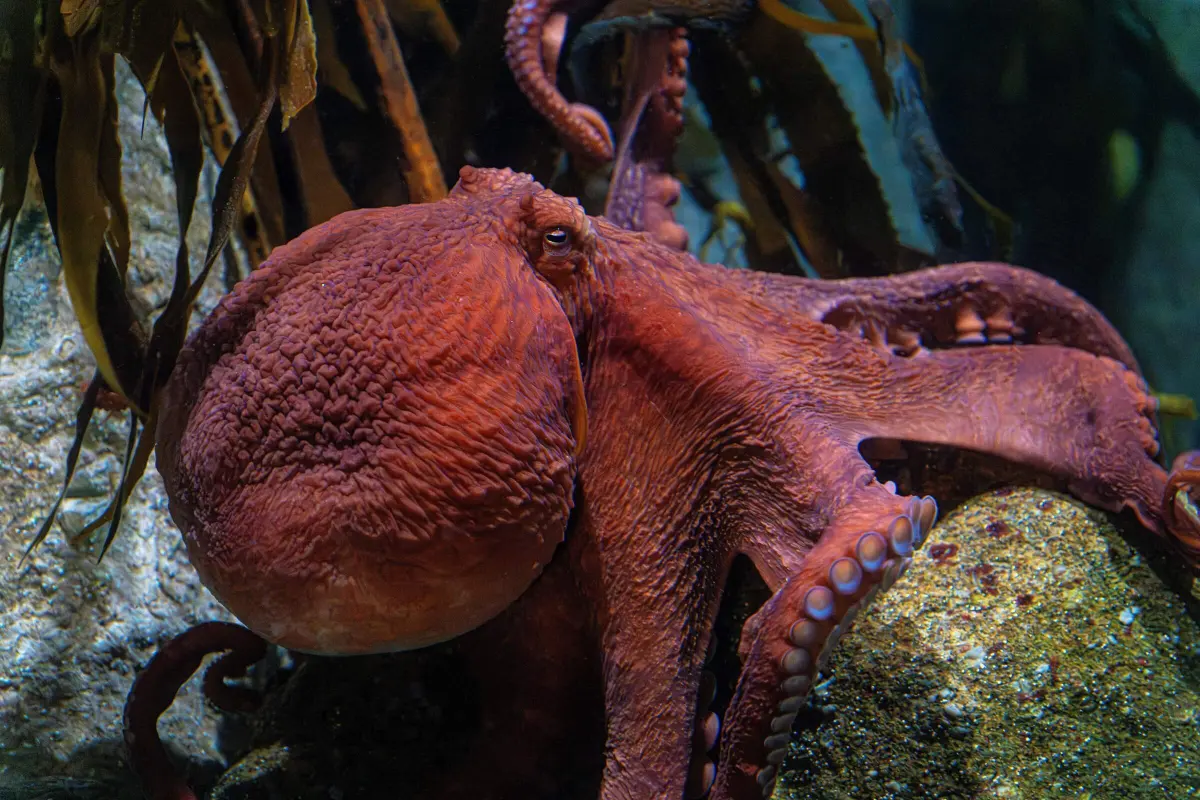
Lifespan is heavily influenced by species size, water temperature, and metabolic rate. Smaller species often complete their life cycles in less than a year, while larger species in colder waters may live significantly longer. The Giant Pacific Octopus (Enteroctopus dofleini) is a notable exception, as it can live up to five years in the wild, though this is rare.
- The Common Octopus (Octopus vulgaris): 12 to 18 months.
- The Blue-Ringed Octopus (Hapalochlaena): 6 to 12 months.
- The Caribbean Reef Octopus (Octopus briareus): 6 to 10 months.
- The Giant Pacific Octopus (Enteroctopus dofleini): 3 to 5 years.
These variations demonstrate how environmental pressures shape the life history of cephalopods. Species living in colder, nutrient-rich waters often grow slower and live longer than their counterparts in tropical, high-metabolism environments. Understanding these differences is essential for researchers studying marine biodiversity and population dynamics.
How does temperature affect their lifespan?
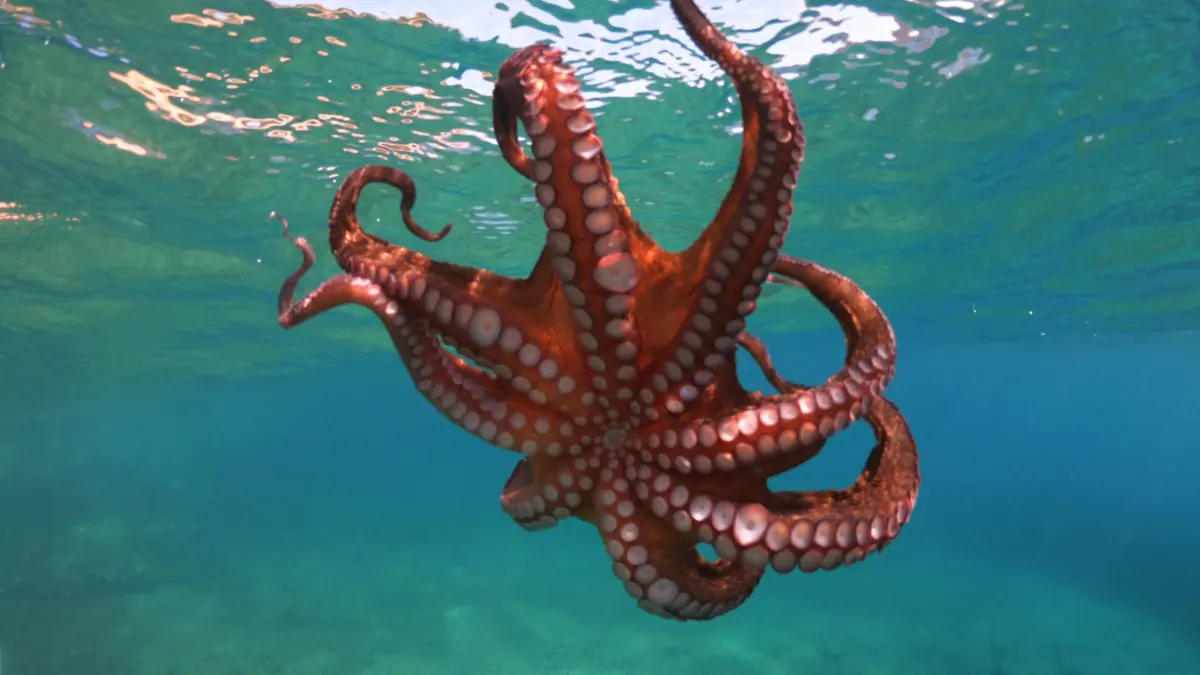
Temperature acts as a metabolic regulator for octopuses, which are ectothermic creatures. In warmer waters, their metabolic rate increases, causing them to grow faster, reach sexual maturity earlier, and die sooner. Conversely, colder water slows their metabolism, allowing for a more gradual growth trajectory and a slightly extended lifespan. This is why the largest octopuses are almost exclusively found in deep or polar waters where the temperature remains consistently low.
- Monitor water temperature if maintaining an octopus in a controlled environment.
- Ensure consistent cooling systems are in place to prevent metabolic spikes.
- Provide high-protein food sources to support their rapid growth cycles.
- Observe behavioral changes that indicate the onset of reproductive maturation.
Keeping an octopus in an aquarium requires precise control over these environmental factors. If the water is too warm, the animal will likely exhibit signs of stress and reach its end-of-life stage prematurely, often catching owners off guard.
Common mistakes when caring for octopuses
Many enthusiasts underestimate the intense commitment required to care for an octopus due to their short, high-maintenance lives. A common error is failing to provide enough space for the animal to explore, which leads to boredom and physical decline. Octopuses are highly intelligent and require stimulation; without it, their health can deteriorate rapidly. Another frequent mistake is neglecting water quality, as these animals are extremely sensitive to nitrate levels and chemical fluctuations.
- Overfeeding: Providing too much food can lead to poor water quality and health issues.
- Poor filtration: Octopuses produce significant waste, requiring high-capacity filtration systems.
- Lack of security: Octopuses are escape artists and can fit through tiny gaps in tank lids.
- Ignoring signs of aging: Owners often mistake the natural decline of senescence for a treatable illness.
Recognizing the signs of the end-of-life phase is critical. When an octopus stops eating and begins to lose its skin texture or color, it is usually a sign that it has reached the end of its natural cycle.
How to support their health throughout their life
To maximize the quality of an octopus's life, prioritize a high-protein diet and a complex, enriched environment. Because they are predators, they need live prey to stimulate their natural hunting instincts. Providing puzzles or hidden compartments for their food encourages mental activity, which keeps them engaged and healthy for as long as possible. Maintaining pristine water conditions is the single most important factor in preventing premature death due to disease or stress.
Regular health checks should focus on the animal's skin condition and activity levels. A healthy octopus will be active, curious, and possess a vibrant, shifting skin texture. If the animal becomes lethargic or stops interacting with its environment, check the water parameters immediately. By understanding that their short lifespan is a natural biological imperative, owners can focus on providing a high-quality existence during the limited time these fascinating creatures spend in their care. Every day counts for an animal that lives so intensely and briefly.
Key facts
- Most octopus species live for only one to two years, though some deep-sea varieties live for up to five years.
- Their short lifespans are primarily due to semelparity, meaning they reproduce only once before dying.
- The Giant Pacific Octopus is one of the longest-lived species, typically surviving for three to five years.
- Males often die shortly after mating, while females usually pass away after their eggs hatch.
- Rapid growth rates allow them to reach maturity quickly, sometimes increasing their body weight by several percent daily.
- Providing a high-protein diet and stable water temperatures in captivity can slightly extend their natural lifespan.
The bottom line
Octopuses are fascinating creatures defined by their remarkably short, intense life cycles. Because they are semelparous, their entire existence is geared toward reaching maturity and reproducing just once. While their rapid growth and intelligence are impressive, their biological programming dictates a swift end shortly after the next generation arrives. Understanding this natural limitation is essential for anyone interested in marine biology or the care of these cephalopods.
People also ask
Why do octopuses die so soon after reproducing?
Once an octopus reproduces, its body undergoes a programmed senescence where it stops eating and its organs begin to shut down. This biological process ensures that the parent does not compete with its offspring for food resources.
Can octopuses live longer in an aquarium?
While captive environments offer protection from predators, they rarely extend an octopus's life significantly beyond its natural cycle. Most captive octopuses still succumb to the same biological aging process after reaching sexual maturity.
Do all octopus species have the same lifespan?
No, lifespan varies significantly based on species, size, and environmental factors like water temperature. Smaller species often live for only six months, while larger, colder-water species may survive for several years.
Is there any way to delay an octopus's death?
There is no known way to prevent the natural decline that follows reproduction. Attempting to force-feed or intervene in their biological cycle is ineffective and often causes the animal unnecessary stress.
How does water temperature affect their longevity?
Colder water slows down an octopus's metabolism, which can lead to slower growth and a longer overall lifespan. Conversely, warmer water accelerates their metabolism, causing them to mature and reach their end-of-life stage more quickly.
What are the signs that an octopus is reaching the end of its life?
Common signs include a loss of appetite, lethargy, and a visible decline in skin condition or color changes. In females, the cessation of egg care is a definitive indicator that the end of her life cycle is near.
This answer was created with the help of AI research tools and reference sources. Spotted an error? Let us know — we correct mistakes quickly. See our editorial policy.