How big do toads get?
Short answer
Toads vary significantly in size depending on their species, ranging from tiny creatures smaller than a thumb to massive specimens weighing several pounds. While common garden toads typically measure between 2 and 5 inches, the largest species can reach lengths of nearly 10 inches and weigh up to 6 pounds.
On this page
How big do common toads grow?
Most people encounter "true toads" belonging to the genus Anaxyrus, such as the American toad or the Fowler’s toad. These familiar garden residents typically reach a length of 2 to 4 inches as adults. Females are generally larger than males, a common trait among many amphibians, which allows them to carry more eggs during the breeding season. While these sizes are standard, environmental factors like food availability and climate can influence individual growth rates.
In optimal conditions, a well-fed American toad might reach the upper end of its size range, sometimes touching 5 inches. However, it is rare to find them growing much larger than this in the wild. If you spot a toad in your backyard that seems exceptionally large, it is likely a mature female that has successfully navigated several years of foraging. These animals are hardy survivors, often living for many years if they avoid predators and maintain access to consistent water sources.
What is the largest toad in the world?
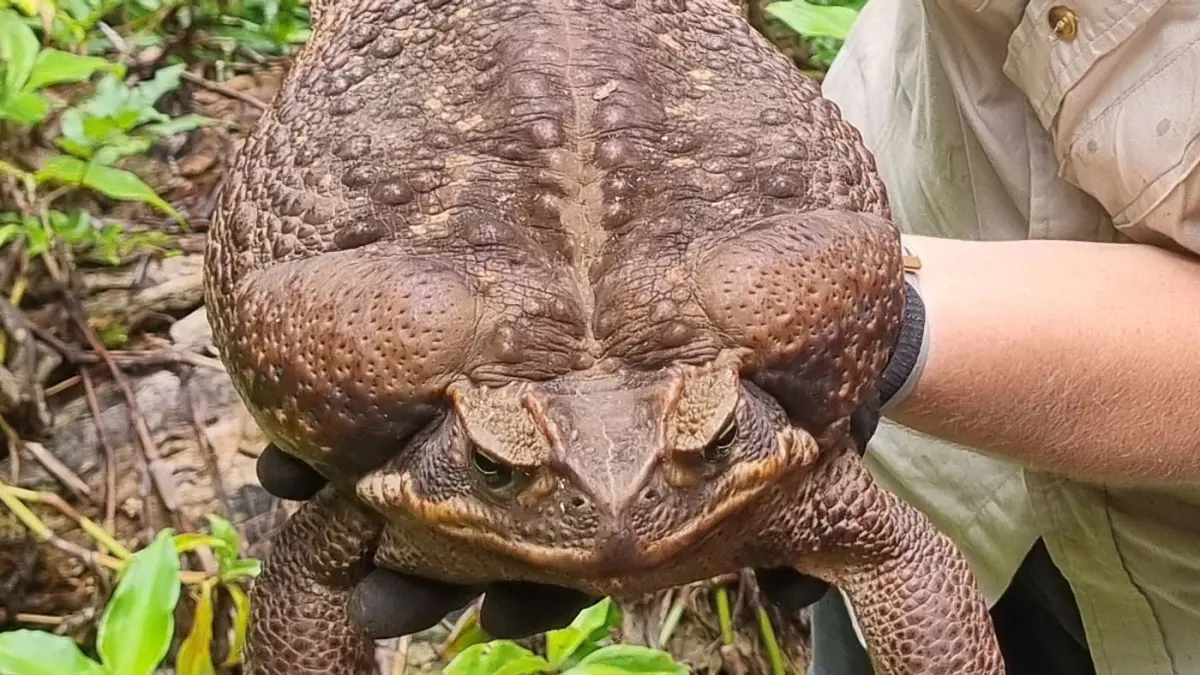
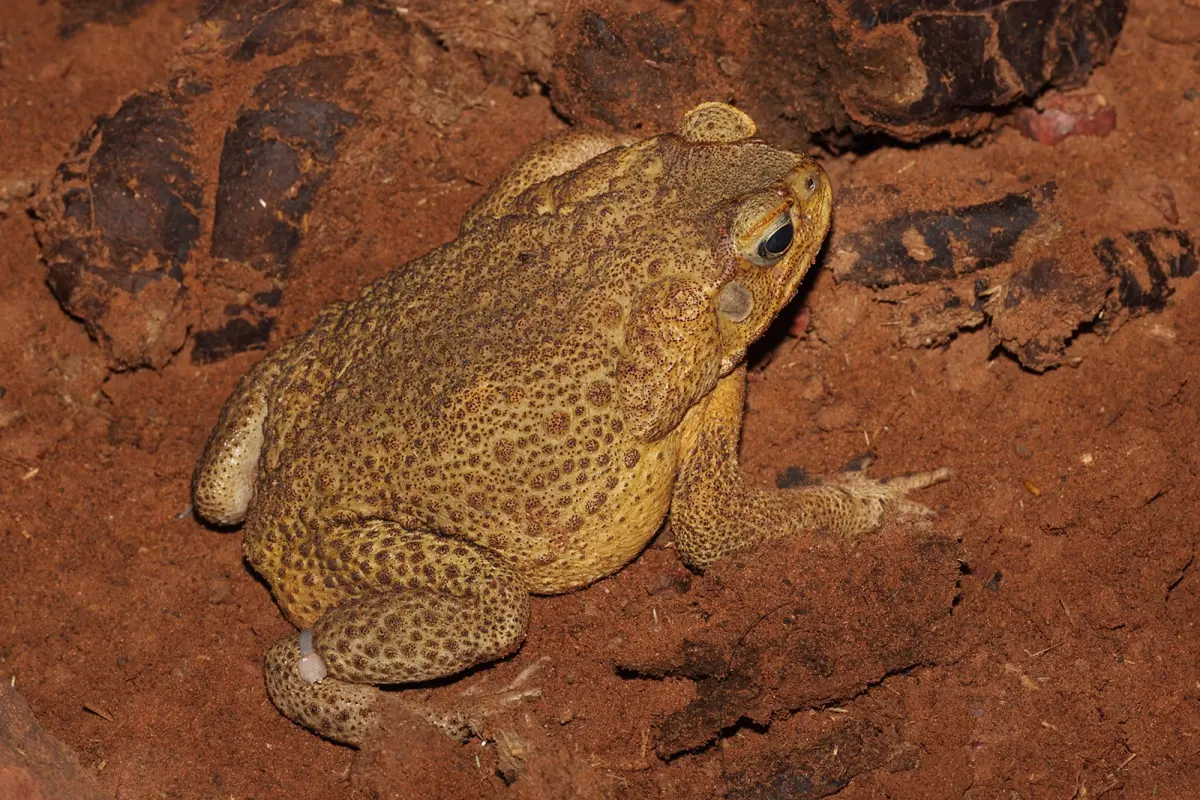
The title for the largest toad on the planet belongs to the cane toad, scientifically known as Rhinella marina. Native to South and Central America, these massive amphibians have been introduced to various parts of the world, including Australia, where they are considered an invasive species. A typical adult cane toad measures between 4 and 6 inches, but extraordinary specimens have been documented reaching nearly 10 inches in length.
These giants are not only long but also incredibly heavy. A large cane toad can weigh as much as 6 pounds, making them significantly bulkier than any other toad species. Their size is a biological advantage, allowing them to eat a wide variety of prey, including small mammals, reptiles, and even other amphibians. Because of their sheer size and toxic skin secretions, they have very few natural predators in the environments where they have been introduced.
How do toads grow throughout their lives?
Toads undergo a dramatic transformation known as metamorphosis, beginning their lives as aquatic tadpoles. Once they emerge from the water as toadlets, their growth is determined by a combination of genetics, temperature, and diet. Unlike many mammals, toads continue to grow throughout their entire lives, albeit at a much slower rate once they reach sexual maturity. This process is known as indeterminate growth.
Several factors influence how large an individual toad will eventually become:
- Diet quality: Access to high-protein insects like crickets and beetles promotes faster growth.
- Habitat size: Toads in areas with abundant resources often reach larger sizes than those in resource-poor environments.
- Hydration: Consistent access to moisture allows toads to remain active and hunt more frequently.
- Climate: Longer growing seasons in warmer regions allow toads to feed for more months of the year, leading to larger overall body sizes.
How to measure a toad safely
If you are interested in documenting the size of a toad in your garden, it is vital to prioritize the animal's health. Toads have highly permeable skin that absorbs chemicals, oils, and salts from human hands, which can be harmful or even fatal to them. If you must handle a toad, always wear powder-free, damp nitrile gloves or ensure your hands are thoroughly rinsed with dechlorinated water and kept moist.
Follow these steps to safely measure a toad:
- Place a clear, flat ruler on the ground near the toad, ensuring it is level.
- Gently guide the toad onto a damp paper towel or a soft surface next to the ruler.
- Observe the toad from above to determine its length from the tip of the snout to the vent.
- Avoid restraining the toad tightly, as this can cause stress or physical injury to their delicate bodies.
- Release the toad back into its original habitat immediately after taking your measurement.
Common mistakes when estimating toad size
One of the most frequent errors people make is confusing a toad's "puffed up" defensive posture with its actual size. When threatened, toads often inflate their lungs with air to appear larger and more intimidating to predators. This behavior can make a 3-inch toad look significantly bulkier, leading observers to overestimate its physical dimensions. Always wait for the toad to relax and deflate before attempting to judge its true size.
Another common mistake is misidentifying other amphibians as toads, which can lead to confusion regarding size expectations. Frogs, for example, often have longer, more slender legs and smoother skin, which can make them appear larger than a toad of similar mass. To avoid these errors, look for the following characteristics:
- Rough, warty skin texture, which is a hallmark of true toads.
- Parotoid glands located behind the eyes, which are absent in most frogs.
- A shorter, stockier body shape that is distinct from the athletic, jumping build of a frog.
By focusing on these physical traits, you can more accurately identify the species and understand its potential growth range.
Key facts
- The cane toad (Rhinella marina) holds the record for the largest toad, often reaching 6 to 9 inches in length.
- Most common garden toads, such as the American toad, typically grow between 2 and 4 inches long.
- Female toads are generally larger than males to accommodate the production of thousands of eggs.
- A toad's size is heavily influenced by the availability of food, water quality, and the length of the growing season.
- Avoid handling wild toads, as many species secrete toxins through skin glands that can irritate human eyes or mouths.
- If you keep a pet toad, provide a habitat tailored to its adult size to prevent stress and stunted growth.
The bottom line
Toad size varies significantly by species, ranging from small garden dwellers of two inches to the massive cane toad that can exceed nine inches. While their growth is continuous, environmental factors like nutrition and habitat space ultimately determine their final dimensions. Understanding these biological traits helps enthusiasts provide better care for captive toads and encourages a safer, more respectful coexistence with these amphibians in the wild.
People also ask
How do I tell the difference between a toad and a frog?
Toads typically have dry, warty skin and shorter legs, which are better suited for walking than jumping. Frogs usually have smooth, moist skin and long, powerful legs designed for leaping.
Do toads grow throughout their entire lives?
Toads exhibit indeterminate growth, meaning they continue to grow slowly throughout their lives rather than stopping at a specific adult size. However, their growth rate slows significantly once they reach sexual maturity.
What is the best way to measure a toad safely?
Measure a toad by placing it on a flat surface and using a soft tape measure to record its snout-to-vent length. Never squeeze or restrain the animal tightly, as this can cause internal injury.
Can a toad's environment limit how big it gets?
Yes, captive toads kept in enclosures that are too small may suffer from health issues that inhibit proper growth. Always research the specific species to ensure the tank size and environmental conditions meet their needs.
Why are some toads much larger than others of the same species?
Size variations often result from differences in diet quality and the abundance of insect prey in their specific habitat. Individuals that successfully hunt larger or more frequent meals will generally achieve a greater body mass.
Are larger toads more dangerous to pets?
Larger toads often possess more potent or abundant toxins, making them a significant threat to curious dogs or cats. If your pet bites or licks a large toad, rinse its mouth with water and contact a veterinarian immediately.
This answer was created with the help of AI research tools and reference sources. Spotted an error? Let us know — we correct mistakes quickly. See our editorial policy.