What do toads eat?
Short answer
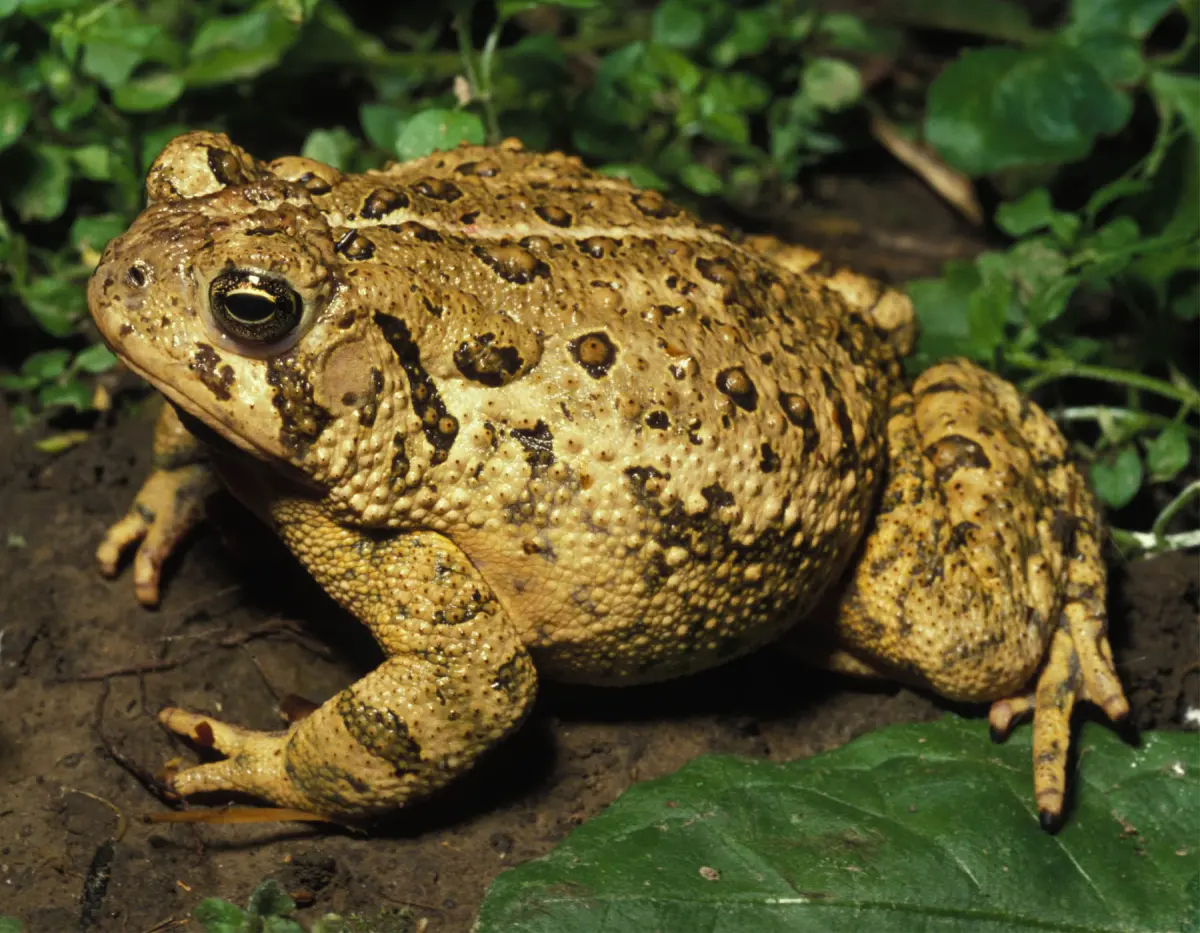
Toads are opportunistic carnivores that consume a wide variety of invertebrates. Their diet primarily consists of insects, spiders, slugs, snails, and earthworms. Because they are sit-and-wait predators, they eat almost any moving creature small enough to fit into their mouths, including occasional small vertebrates like baby mice or smaller amphibians.
On this page
What do toads eat in the wild?
Toads are generalist predators, meaning they are not picky about their prey as long as it is alive and moving. In their natural habitats, such as gardens, forests, and wetlands, they serve as essential biological pest controllers. Their diet is dictated largely by the size of the toad; smaller species focus on tiny insects, while larger species like the American toad can tackle much bulkier prey.
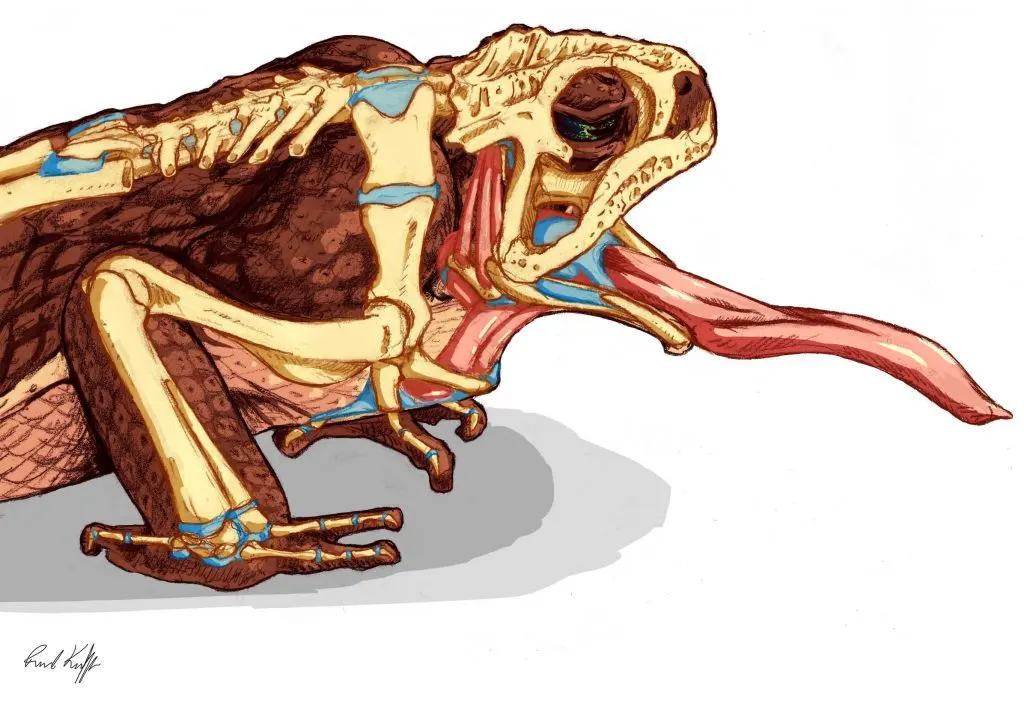
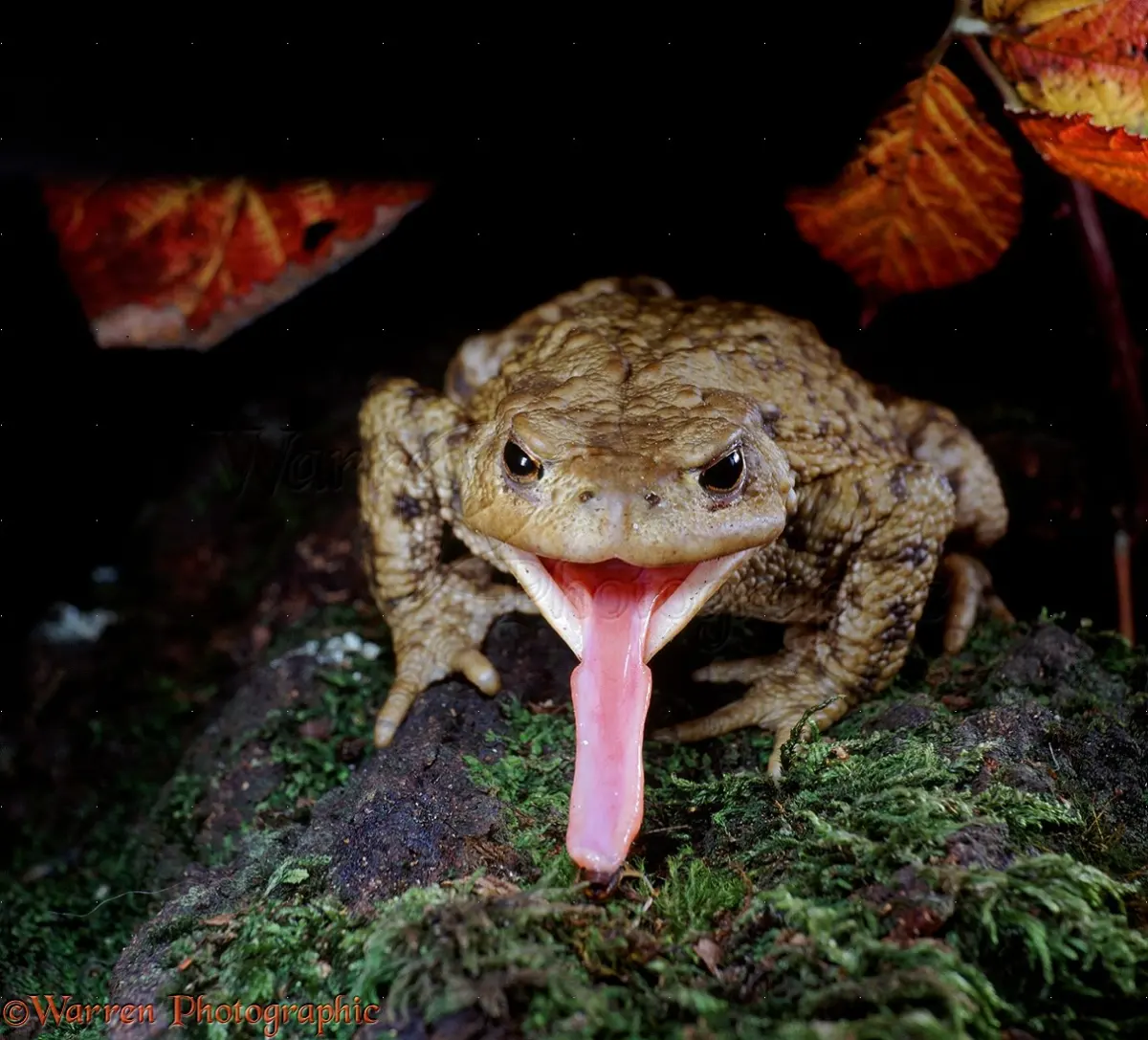
Their hunting strategy relies on motion detection. If a potential meal remains perfectly still, a toad will likely ignore it. When they spot movement, they use their sticky, muscular tongues to capture the prey and pull it into their mouths. Common items found in a toad’s stomach include:
- Beetles and weevils
- Crickets and grasshoppers
- Ants and termites
- Spiders and centipedes
- Slugs and earthworms
Because they consume large quantities of garden pests, toads are considered highly beneficial neighbors for farmers and home gardeners. They help regulate populations of insects that might otherwise damage crops or ornamental plants.
How to feed a pet toad properly
Feeding a captive toad requires mimicking their natural hunting behavior to ensure they remain healthy and active. The most important rule is to provide live prey, as most toads will refuse dead or frozen food because it lacks the necessary movement to trigger their predatory instinct. Nutritional variety is also vital to prevent deficiencies that can lead to metabolic bone disease.
To ensure your toad receives a balanced diet, follow these feeding guidelines:
- Select appropriately sized prey that is no wider than the space between the toad's eyes.
- Dust the insects with a high-quality calcium and vitamin D3 supplement twice a week.
- Offer food in the evening, as this is when toads are naturally most active and inclined to hunt.
- Remove any uneaten insects from the enclosure after a few hours to prevent them from bothering the toad.
By rotating different types of feeder insects, you provide a broader spectrum of nutrients. A steady diet of only one type of insect, such as mealworms, can lead to obesity or nutritional imbalances over time.
Which insects are best for toads?
Not all feeder insects offer the same nutritional value. Crickets are widely considered the gold standard for captive toads because they are active, relatively inexpensive, and easy to gut-load. Gut-loading involves feeding the insects nutritious vegetables like carrots or leafy greens for 24 hours before giving them to the toad, which effectively passes those nutrients to the amphibian.
Other excellent options include dubia roaches, which are high in protein and easier to digest than many other insects. Earthworms are also a fantastic food source, as they are naturally rich in minerals and moisture. However, avoid feeding your toad wild-caught insects from your yard. These insects may carry parasites, pesticides, or chemical fertilizers that can be toxic or fatal to your pet. Always purchase feeder insects from a reputable pet store or a specialized breeder to ensure they are clean and safe for consumption.
Common mistakes when feeding toads
One of the most frequent errors owners make is overfeeding. Toads are gluttonous by nature and will often eat until they are visibly bloated, which can lead to digestive issues or long-term health complications. It is better to feed them smaller amounts more frequently than to provide a massive surplus of insects that the toad cannot process efficiently.
Another significant mistake is failing to provide hydration. While toads get much of their water from their food, they also absorb moisture through their skin. Always keep a shallow dish of clean, dechlorinated water in the enclosure. Never use tap water directly from the faucet, as the chlorine and chloramines used in municipal water treatment can damage a toad's sensitive skin. Additionally, ensure the water dish is shallow enough that the toad can sit in it without the risk of drowning, as they are not strong swimmers.
Why toads sometimes stop eating
It is common for a toad to experience occasional bouts of anorexia, or a refusal to eat. This often happens if the environmental conditions are not ideal. Toads are ectothermic, meaning they rely on their surroundings to regulate their body temperature. If their enclosure is too cold, their metabolism slows down, and they will lose their appetite. Ensure your toad's habitat maintains the appropriate temperature range for its specific species.
Stress is another major factor that inhibits feeding. If the enclosure is placed in a high-traffic area, or if the toad is handled too frequently, it may stop eating until it feels secure again. Other reasons for a loss of appetite include:
- Impaction caused by ingesting substrate like gravel or wood chips.
- Internal parasites that require veterinary intervention.
- The toad is preparing to shed its skin, a process during which they are often lethargic.
If your toad refuses food for more than two weeks, or if you notice signs of illness such as lethargy, skin lesions, or abnormal swelling, consult an exotic animal veterinarian immediately. Professional care is necessary to diagnose underlying issues that simple dietary adjustments cannot fix.
Key facts
- Toads are opportunistic carnivores that consume a wide variety of invertebrates, including beetles, slugs, worms, and crickets.
- An adult toad can consume up to 3,000 garden pests in a single season, making them highly beneficial for organic gardening.
- They hunt using a sticky, muscular tongue that can flick out and retract in less than 0.15 seconds.
- Toads do not drink water through their mouths; instead, they absorb moisture through a specialized patch of skin on their bellies.
- Avoid using chemical pesticides in your yard, as these toxins accumulate in the insects that toads eat and can kill the amphibians.
- Provide a shallow dish of dechlorinated water to help toads stay hydrated, but ensure it is shallow enough that they can easily climb out.
The bottom line
Toads serve as essential natural pest controllers in healthy ecosystems, maintaining balance by consuming thousands of insects annually. By avoiding chemical pesticides and providing a hospitable, moist environment, you can encourage these beneficial amphibians to thrive in your garden. Understanding their carnivorous nature and specific hydration needs ensures that these quiet, effective hunters remain a permanent and helpful fixture in your outdoor living space.
People also ask
Do toads eat vegetables or plants?
No, toads are strictly carnivorous and do not consume plant matter. They lack the digestive enzymes required to process vegetation and rely entirely on protein from insects and small animals.
Will toads eat household pets like goldfish or hamsters?
While they generally stick to insects, large species like the Cane Toad are aggressive predators. They have been known to consume small mammals or fish if they fit into their mouths, though this is rare for common garden varieties.
How often should I feed a pet toad?
Adult toads typically require feeding only two to three times per week. Overfeeding is a common mistake that leads to obesity and health complications in captive specimens.
Can toads eat human food scraps?
You should never feed toads human food, such as bread, fruit, or processed meats. These items can cause severe digestive blockages, nutritional deficiencies, or toxic reactions in the animal.
Do toads eat bees and wasps?
Yes, toads are known to eat stinging insects, including bees and wasps. Their thick, protective skin and specialized stomach linings allow them to digest these insects without being harmed by the stingers.
How do toads locate their food in the dark?
Toads rely primarily on movement to identify prey rather than scent or color. They are triggered by the motion of an insect, which causes them to strike instinctively at the target.
This answer was created with the help of AI research tools and reference sources. Spotted an error? Let us know — we correct mistakes quickly. See our editorial policy.