What is the difference between a frog and a toad?
Short answer
Frogs and toads are both amphibians belonging to the order Anura, but they differ significantly in physical traits and habitat preferences. Frogs typically possess smooth, moist skin and long, powerful legs for jumping. Toads generally have dry, bumpy skin and shorter legs, making them better adapted for walking or crawling on land.
On this page
How to identify a frog versus a toad
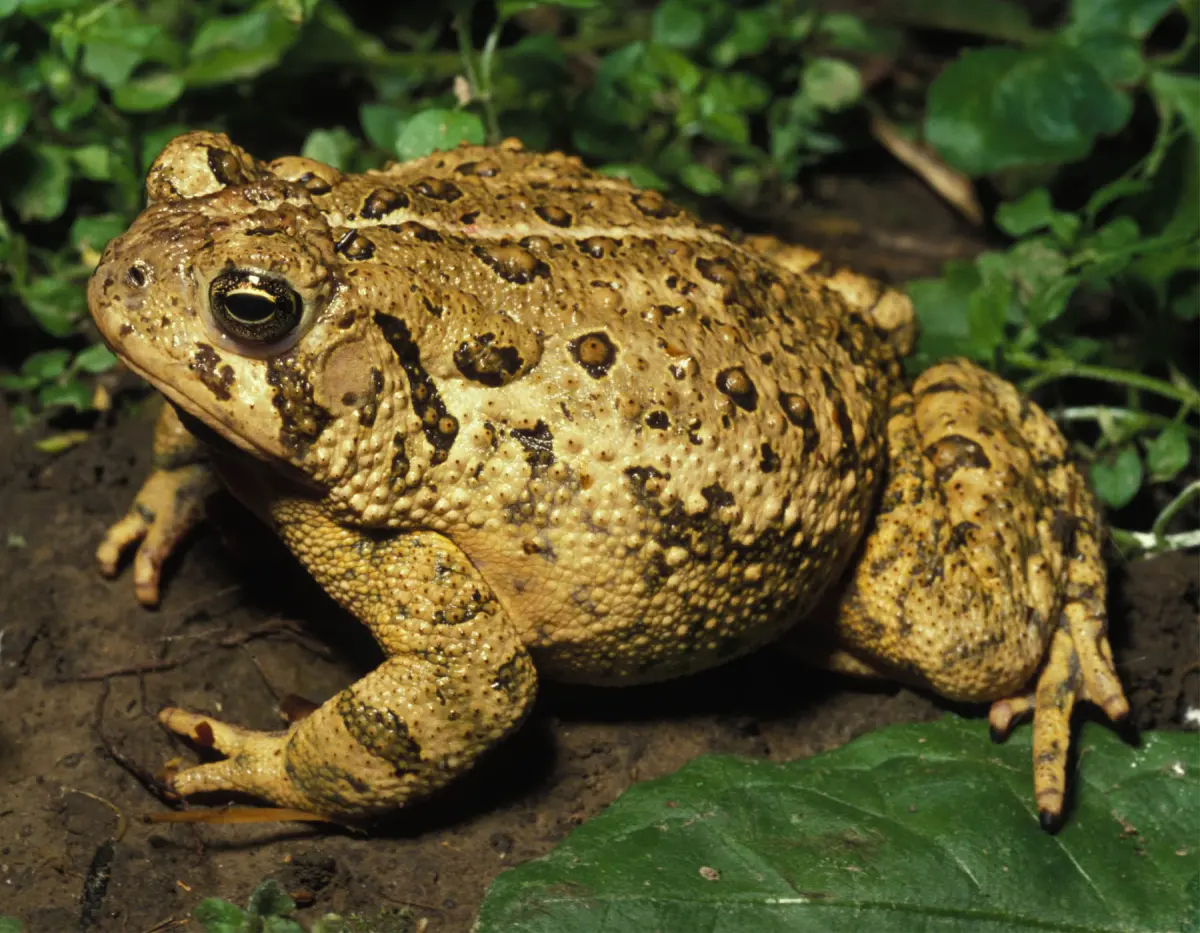
The most reliable way to distinguish between these two animals is by examining their skin texture and body shape. Frogs are characterized by their smooth, often slimy skin that helps them remain hydrated, as they spend much of their time in or near water. Their bodies are typically slender and streamlined, which allows them to move swiftly through aquatic environments. In contrast, toads have dry, warty skin that serves as a protective barrier against moisture loss, allowing them to thrive in drier terrestrial habitats.
Beyond skin texture, the physical build of the animal provides clear clues. Frogs have long, muscular hind legs designed for powerful leaps and swimming. Toads possess shorter, stockier legs that are better suited for crawling or short hops rather than long-distance jumping. If you observe an amphibian with a stout, rounded body and a blunt snout, it is almost certainly a toad. Frogs usually have a more pointed head and prominent, bulging eyes that sit high on their skulls.
Where do frogs and toads live
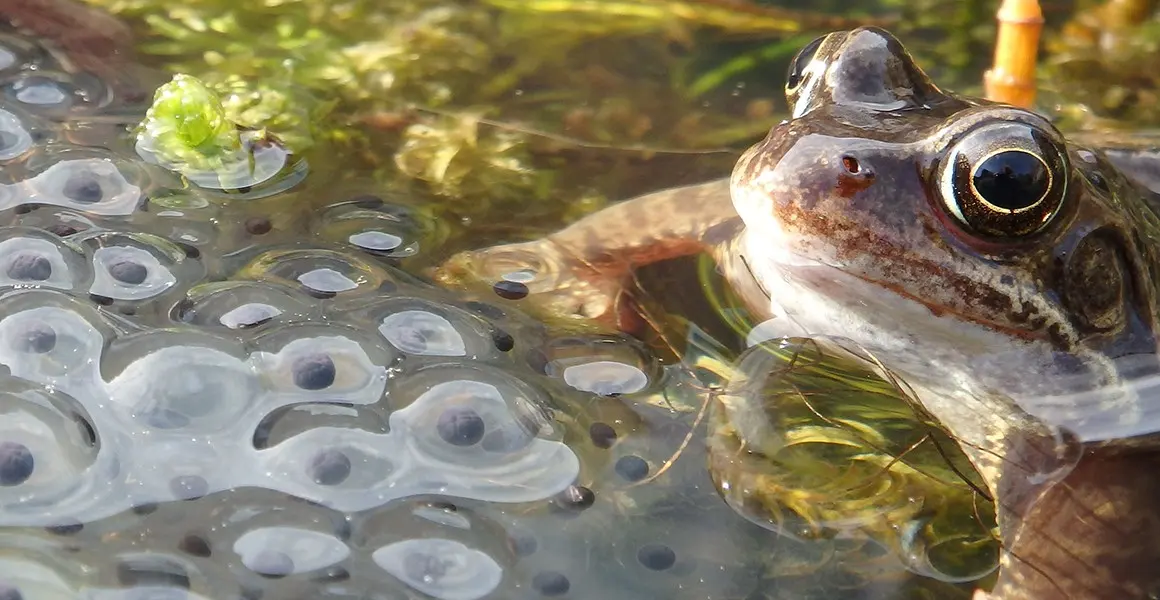
Habitat is a defining factor in the life cycle of these amphibians. Frogs are intrinsically linked to water sources such as ponds, lakes, and streams. They require these environments to keep their permeable skin moist and to provide a safe location for laying their eggs, which are typically found in large, globular clusters. Because they are highly susceptible to dehydration, frogs rarely stray far from damp environments.
Toads are much more versatile regarding their living conditions. While they still require water for the larval stage of their development, adult toads are frequently found in gardens, forests, and even arid regions far from permanent bodies of water. They often burrow into loose soil or hide under rocks and logs during the day to avoid the sun. When identifying these creatures in your own backyard, consider these environmental indicators:
- Frogs are most likely found near the edges of pools, marshes, or drainage ditches.
- Toads are often encountered in flower beds, under porch steps, or in shaded, dry patches of soil.
- If you find an amphibian in a dry, open field, it is highly likely to be a toad.

Why do frogs and toads have different behaviors
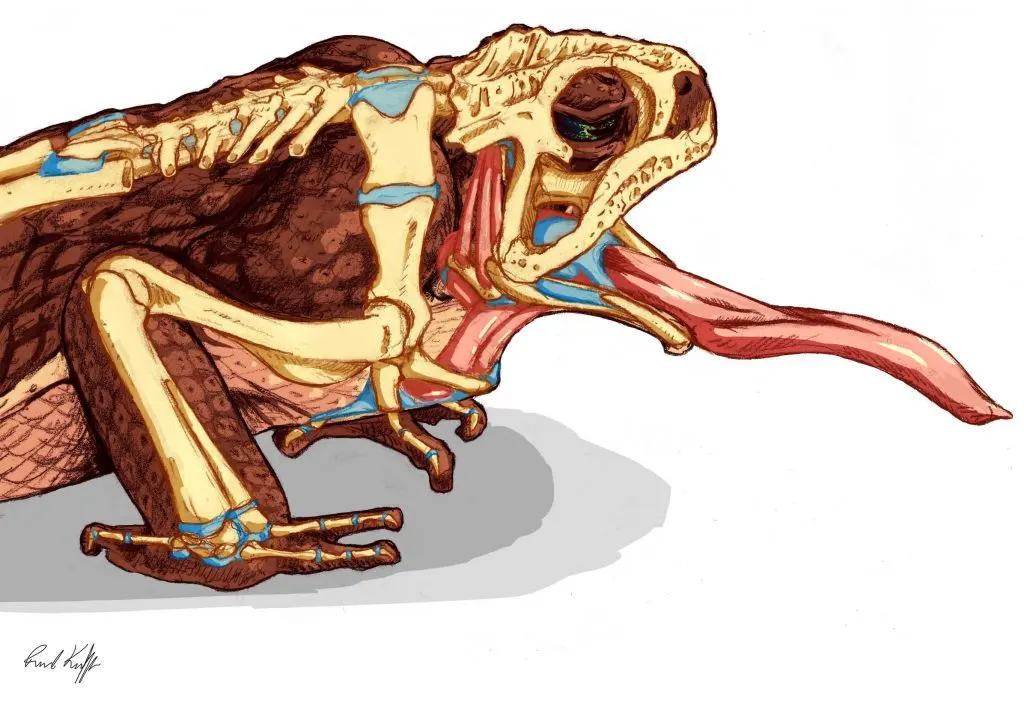
The differences in behavior between frogs and toads are largely evolutionary adaptations to their respective niches. Frogs rely on their speed and agility to escape predators, using their long legs to launch into the water where they can quickly submerge. Their hunting style is often active, as they use their sticky tongues to snatch insects while perched near the water's edge.
Toads have developed a different set of survival strategies. Since they are not as fast as frogs, they rely on camouflage and chemical defenses. Many toad species have parotoid glands behind their eyes that secrete a mild toxin, which makes them taste unpleasant to potential predators. This defensive mechanism allows them to move more slowly and confidently across the ground. Their behavior is generally more sedentary, as they wait for prey to wander within range rather than actively pursuing it.
Common mistakes when identifying amphibians
One frequent error is assuming that all amphibians found in water are frogs. While it is true that frogs prefer water, toads also return to water to breed and lay their eggs. During the spring, you might see toads in ponds, which can lead to confusion. Always look for the warty skin and shorter legs, as these traits remain constant regardless of the animal's current location.
Another mistake is relying solely on color to make a distinction. Many people believe all frogs are bright green and all toads are brown, but this is inaccurate. Both groups exhibit a wide range of colors, including shades of gray, olive, tan, and even mottled patterns that help them blend into their surroundings. To avoid misidentification, follow these steps:
- Observe the skin texture closely; if it appears bumpy or dry, it is likely a toad.
- Look at the length of the hind legs relative to the body size.
- Check the shape of the snout; a rounded, blunt nose is a classic toad feature.
- If the animal is slender and has long legs, classify it as a frog.
How to safely observe frogs and toads
If you wish to study these animals in the wild, it is important to prioritize their health and safety. Amphibian skin is highly permeable, meaning they absorb chemicals and oils directly from your hands. If you must handle one, ensure your hands are clean, free of lotions or soaps, and thoroughly moistened with water from the animal's environment. Never use gloves unless they are made of a safe, non-toxic material.
When observing them, keep your movements slow and quiet to avoid startling them. Frogs are particularly sensitive to vibrations and will dive into the water at the slightest disturbance. Toads are generally more tolerant of human presence but will quickly burrow into the dirt if they feel threatened. By maintaining a respectful distance and using binoculars, you can observe their natural behaviors without causing them unnecessary stress. Remember that these creatures play a vital role in controlling insect populations, so providing a healthy, pesticide-free habitat in your garden is the best way to support their survival.
Key facts
- Frogs typically have smooth, moist skin, while toads possess dry, bumpy, or warty skin.
- Most frogs have long, powerful hind legs designed for jumping, whereas toads have shorter legs suited for walking or small hops.
- Frogs generally inhabit areas near water, while toads are more terrestrial and can survive in drier environments.
- Frog eggs are typically laid in large, grape-like clusters, while toad eggs are deposited in long, single strands.
- Toads often have prominent parotoid glands behind their eyes that secrete toxins to deter predators.
- Both animals are amphibians belonging to the order Anura, meaning they lack tails as adults.
The bottom line
While the terms frog and toad are often used interchangeably, they represent distinct physical and behavioral adaptations. Frogs are generally aquatic, smooth-skinned jumpers, while toads are terrestrial, warty-skinned walkers. Understanding these differences helps identify their roles in local ecosystems. Regardless of the classification, both play a vital role in controlling insect populations, making them essential components of a healthy and balanced natural environment.
People also ask
Are all toads poisonous to humans?
Most toads secrete mild toxins from their skin glands that can cause irritation if handled. While these secretions are rarely fatal to humans, they can be dangerous to pets if ingested. Always wash your hands thoroughly after handling any amphibian.
Can you keep a wild frog or toad as a pet?
It is generally discouraged to keep wild amphibians as pets because they often struggle to adapt to captivity. Wild individuals may carry parasites or diseases that can harm other animals. If you want a pet, purchase a captive-bred specimen from a reputable breeder.
Do frogs and toads both drink water through their mouths?
Neither animal drinks water through their mouth in the traditional sense. Instead, they absorb water and moisture directly through their highly permeable skin. This is why they must remain in humid or damp environments to avoid dehydration.
How can I tell if a tadpole will become a frog or a toad?
Identifying tadpoles is difficult, but frog tadpoles are often larger and more active swimmers in open water. Toad tadpoles tend to be smaller, darker, and often school together in large groups near the edges of ponds. Precise identification usually requires professional expertise.
Do toads eat different foods than frogs?
Both are carnivorous and opportunistic feeders that consume insects, worms, and small invertebrates. Frogs may occasionally eat larger prey like small fish or other amphibians, while toads focus primarily on ground-dwelling insects. Both use their sticky tongues to capture prey.
Are all frogs and toads nocturnal?
Many species are nocturnal to avoid predators and heat, but activity levels vary significantly by species and habitat. Some frogs are primarily diurnal, especially in tropical regions. Observing them at night with a flashlight is often the best way to spot them.
This answer was created with the help of AI research tools and reference sources. Spotted an error? Let us know — we correct mistakes quickly. See our editorial policy.