How is perfume made?
Short answer
Perfume is created by blending aromatic compounds, such as essential oils and synthetic aroma chemicals, with a solvent like high-proof ethanol. This mixture undergoes a process of maturation and filtration to ensure stability and clarity. The final concentration of fragrance oils determines whether the product is classified as cologne, eau de toilette, or perfume.
On this page
How is perfume manufactured?
The manufacturing process begins with the extraction of raw materials. Natural ingredients, including flowers, spices, woods, and resins, are processed using techniques like steam distillation, solvent extraction, or cold pressing. For instance, rose petals are often steam-distilled to capture their volatile oils, while delicate jasmine may require solvent extraction to preserve its complex scent profile. Once these raw essences are obtained, they are carefully stored to prevent oxidation.
Modern perfumery also relies heavily on synthetic aroma chemicals. These molecules allow perfumers to recreate scents that cannot be extracted naturally, such as lily of the valley or specific aquatic notes. Synthetics provide consistency and longevity, ensuring that a fragrance smells identical across different production batches. The perfumer, or "nose," then combines these natural and synthetic components into a formula, often consisting of hundreds of individual ingredients, to build the desired olfactory structure.
How to blend perfume at home
Creating a fragrance involves balancing three distinct layers known as the scent pyramid. The top notes provide the initial impression, the heart notes define the core character, and the base notes offer lasting depth. To begin, you will need a carrier, typically perfumer’s alcohol (high-proof ethanol), and a collection of essential oils or fragrance oils.
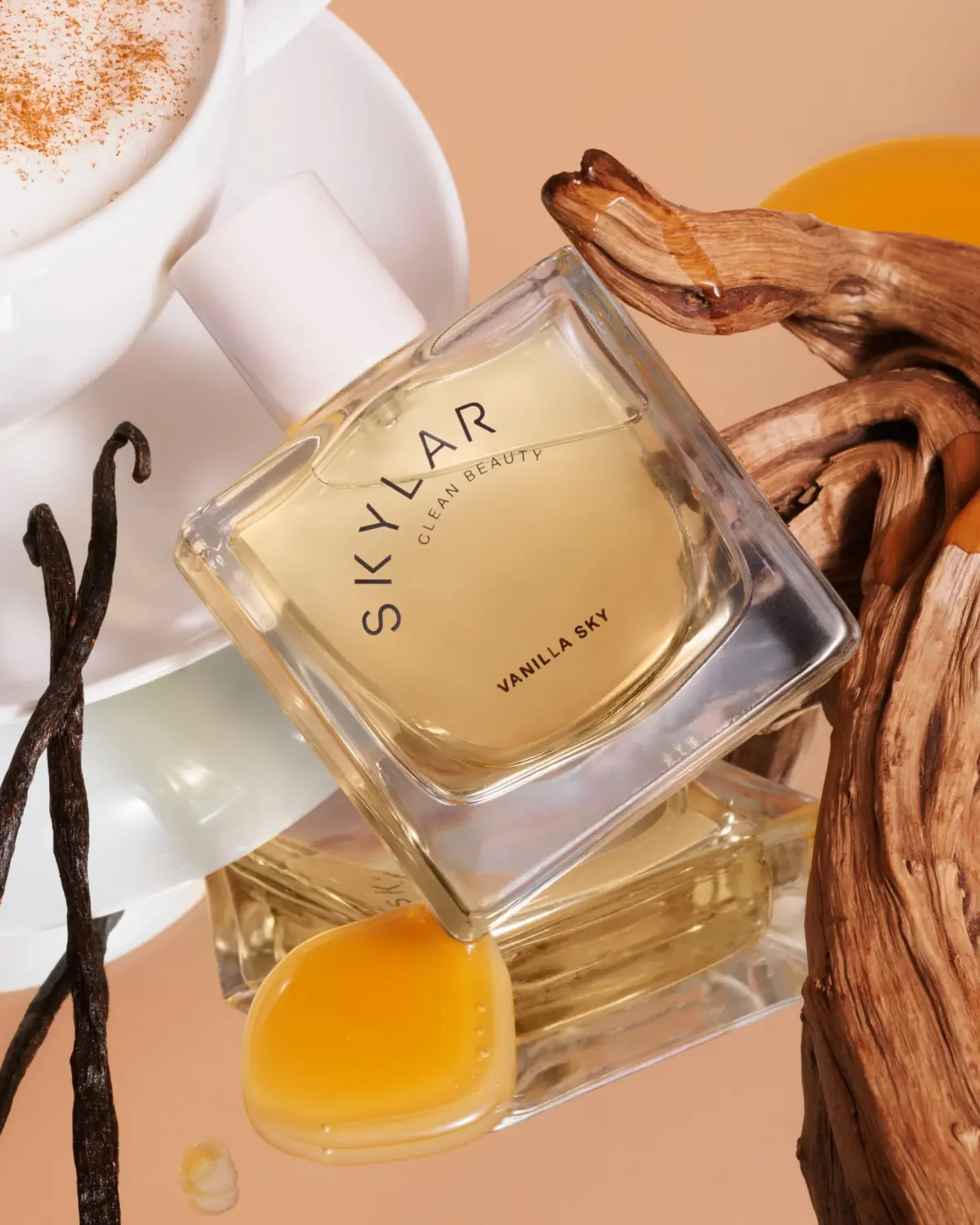
- Select your base notes, such as sandalwood or vanilla, which anchor the scent.
- Add heart notes like lavender or rose to provide the fragrance's body.
- Finish with top notes like citrus or bergamot for an immediate, bright impact.
- Dilute the oil mixture with alcohol, usually at a ratio of 15% to 20% fragrance to 80% to 85% alcohol.
- Store the mixture in a cool, dark place for at least two weeks to allow the molecules to harmonize.
Why perfume maturation is necessary
Maturation is a critical stage where the newly blended fragrance is allowed to rest. During this time, the chemical components interact and stabilize, smoothing out sharp edges and allowing the individual notes to integrate into a cohesive whole. If a perfume is bottled and sold immediately after mixing, the scent may feel disjointed or "raw," lacking the depth expected of a high-quality product.
The length of maturation varies depending on the complexity of the formula. Simple colognes might require only a few days, while intricate perfumes can take several months to reach full maturity. After this period, the mixture is often chilled to precipitate any waxes or impurities that may have been introduced by natural ingredients. Finally, the liquid is filtered through fine paper or cellulose to ensure it remains perfectly clear when bottled for the consumer.
Common mistakes when making perfume
Many beginners struggle with the balance of ingredients, often adding too many strong notes that clash. A common error is failing to document the exact drops or grams used during the experimentation phase. Without precise records, it is impossible to recreate a successful blend once the initial batch is finished. It is essential to work in a clean environment to prevent contamination, as even trace amounts of dust or moisture can ruin a delicate formulation.
Another frequent mistake involves the choice of solvent. Using low-quality alcohol or water-based mixtures can lead to cloudy, unstable, or foul-smelling products. Furthermore, beginners often rush the maceration process, leading to a fragrance that lacks longevity on the skin. Always allow sufficient time for the ingredients to settle, and avoid exposing the mixture to direct sunlight, which can degrade the aromatic molecules and permanently alter the scent profile of your finished perfume.
Best practices for storing perfume
Proper storage is vital to preserve the integrity of a fragrance once it has been manufactured. Light, heat, and oxygen are the primary enemies of perfume, as they trigger chemical reactions that break down the aromatic compounds over time. To maximize shelf life, store bottles in a cool, dark place, such as a drawer or a cabinet away from bathroom humidity. Exposure to heat can cause the alcohol to evaporate and the oils to oxidize, resulting in a sour or metallic smell.
- Keep bottles tightly capped to minimize air exposure.
- Avoid storing perfumes in the bathroom, where temperature fluctuations are frequent.
- Use opaque or dark glass bottles to protect the liquid from UV light.
- If you have a large collection, consider a dedicated refrigerator designed for cosmetics.
- Check for signs of spoilage, such as a change in color or a vinegar-like odor, which indicate the fragrance has expired.
Key facts
- Perfume consists of a fragrance concentrate (essential oils and aroma chemicals) diluted in a solvent, typically ethanol or a mixture of water and ethanol.
- The concentration of the fragrance determines the classification: Parfum (20–30%), Eau de Parfum (15–20%), Eau de Toilette (5–15%), and Eau de Cologne (2–4%).
- Extraction methods include steam distillation for flowers, cold pressing for citrus peels, and solvent extraction for delicate materials like jasmine.
- A balanced perfume is structured in three layers: top notes (initial impression), heart notes (core character), and base notes (lasting scent).
- Perfumers, often called "noses," may use over 2,000 different natural and synthetic raw materials to create a single complex fragrance.
- To store perfume correctly, keep it in a cool, dark place, as heat, light, and humidity can break down the chemical bonds and alter the scent.
The bottom line
Creating perfume is a sophisticated blend of art and chemistry that involves balancing volatile aromatic compounds to ensure a pleasant, evolving scent. By understanding the concentration levels and the structure of top, heart, and base notes, you can better select fragrances that suit your preferences. Proper storage away from light and heat remains essential to maintaining the integrity and longevity of your favorite scents.
People also ask
Why does the same perfume smell different on different people?
Individual body chemistry, including skin pH, diet, and natural oils, interacts with the perfume’s ingredients. These factors can cause the scent to evolve uniquely as it evaporates from the skin.
What is the difference between natural and synthetic ingredients?
Natural ingredients are derived from plants or animals, offering complex and nuanced scents but often varying by harvest. Synthetic ingredients are created in laboratories to provide consistency, stability, and access to scents that cannot be extracted naturally.
How long does an opened bottle of perfume last?
Most perfumes remain stable for three to five years if stored properly. Once opened, exposure to oxygen begins the oxidation process, which may gradually change the color and scent profile over time.
Should I rub my wrists together after applying perfume?
You should avoid rubbing your wrists because the friction generates heat, which can cause the top notes to evaporate too quickly. This practice alters the intended progression of the fragrance’s scent profile.
What are "notes" in perfumery?
Notes are the individual scents that make up the perfume, categorized by their volatility. Top notes appear first, heart notes define the theme, and base notes provide the foundation that lingers for hours.
Can perfume cause allergic reactions?
Yes, some individuals may experience skin irritation or respiratory issues due to specific fragrance compounds. It is advisable to perform a patch test on the inner wrist before applying a new scent liberally.
This answer was created with the help of AI research tools and reference sources. Spotted an error? Let us know — we correct mistakes quickly. See our editorial policy.