Where do alligators live?
Short answer
Alligators live primarily in the southeastern United States and eastern China. The American alligator inhabits freshwater environments like swamps, rivers, and lakes from North Carolina to Texas. The smaller, endangered Chinese alligator is restricted to a tiny portion of the Yangtze River valley in the Anhui province of eastern China.
On this page
Where do alligators live in the wild?
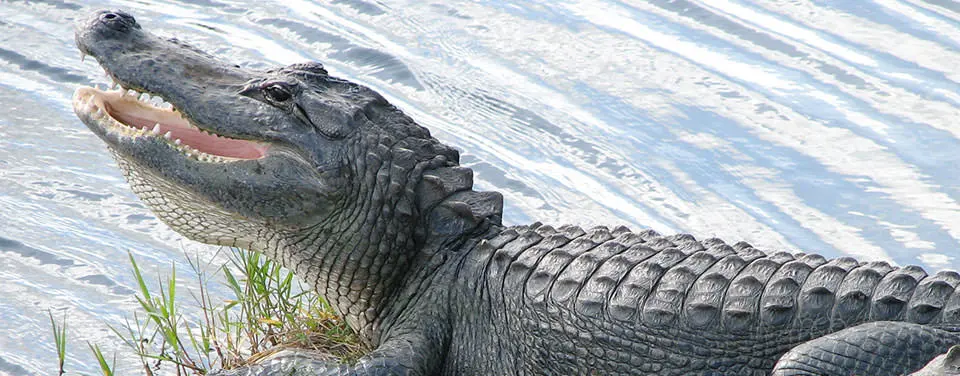
American alligators (Alligator mississippiensis) are native to the coastal wetlands of the southeastern United States. Their range extends from the southern tip of Texas eastward across the Gulf Coast and up the Atlantic seaboard to North Carolina. Florida and Louisiana host the largest populations, with millions of individuals thriving in these subtropical climates. They prefer slow-moving freshwater environments where they can easily regulate their body temperature.
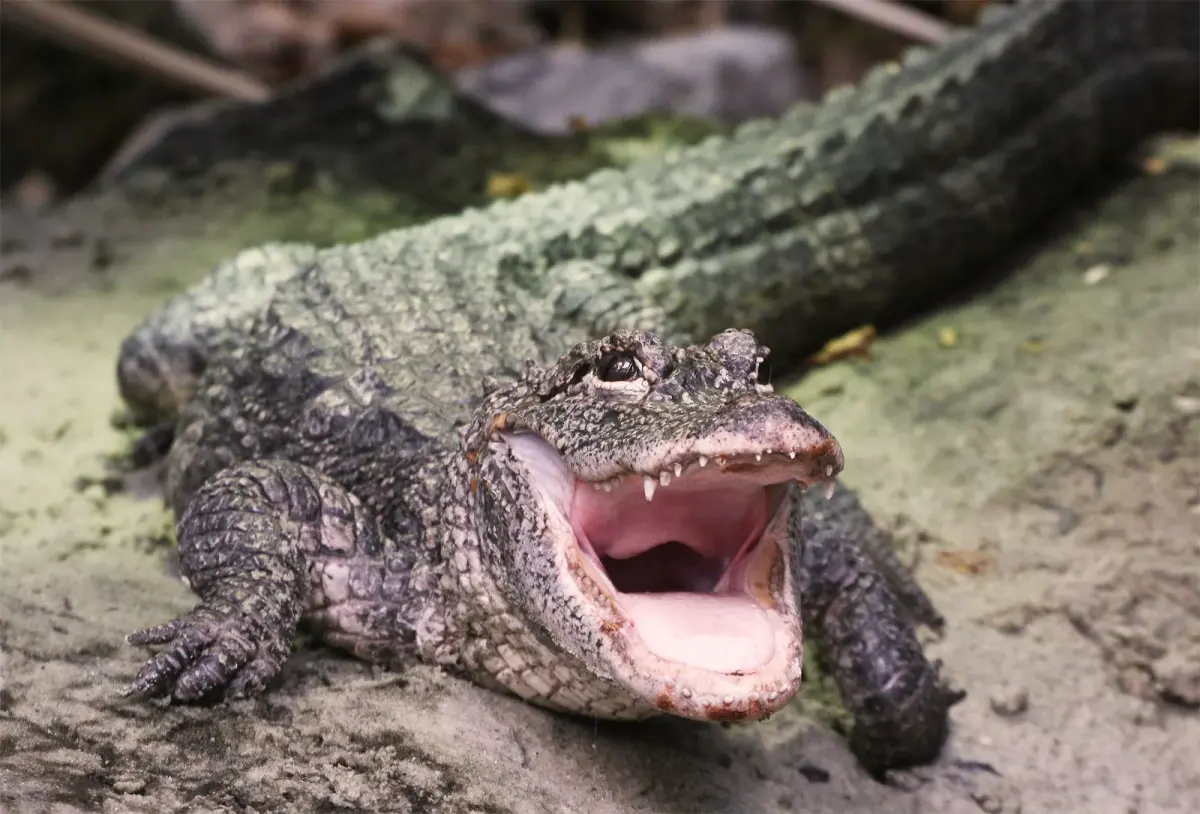
The Chinese alligator (Alligator sinensis) is significantly more restricted in its natural distribution. This species is found exclusively in a small, fragmented region of the Yangtze River basin in China’s Anhui province. Due to intensive agricultural development and habitat loss, they are critically endangered in the wild. Unlike their American cousins, they are primarily nocturnal and spend much of the colder months in underground burrows to survive freezing temperatures.
What type of habitat do alligators prefer?
Alligators are semi-aquatic reptiles that require specific environmental conditions to survive. They are most commonly found in freshwater habitats, though they occasionally venture into brackish water for short periods. Their preferred environments include:
- Swamps and marshes with dense vegetation.
- Slow-moving rivers and streams.
- Freshwater lakes and ponds.
- Drainage canals and man-made reservoirs.
These reptiles rely on the water for hunting, mating, and thermoregulation. During the heat of the day, alligators often submerge themselves to keep cool, while they bask on banks or logs during the morning to absorb solar heat. They require areas with sufficient cover, such as overhanging trees or thick reeds, to hide from potential threats and ambush prey. The presence of mud or soft banks is also essential, as alligators use these materials to construct dens or nests for their young.
How to safely observe alligators in their habitat
If you are visiting a region where alligators reside, observing them from a distance is the safest way to appreciate these animals. Many state parks and wildlife refuges provide designated boardwalks or viewing platforms specifically designed to keep humans at a safe distance. Always remain on marked trails and never attempt to approach an alligator, regardless of its size.
- Keep a distance of at least 60 feet from any alligator you encounter.
- Never feed an alligator, as this causes them to lose their natural fear of humans.
- Keep pets and small children away from the water's edge in known alligator habitats.
- Avoid swimming in areas where alligators are known to live, especially at dusk or dawn.
- Do not throw food scraps or fish remains into the water, as this attracts them to populated areas.
Following these simple rules ensures that you remain safe while minimizing the impact on the animal's natural behavior. Remember that alligators are wild predators and can move with surprising speed on both land and water.
Why do alligators move to new areas?
Alligators are generally territorial, but they may migrate or relocate for several biological and environmental reasons. During the spring mating season, males often travel long distances to find females or defend their territory from rivals. Younger alligators may also be forced to move into new territories after being pushed out by larger, dominant adults. This dispersal is a natural part of their life cycle and helps maintain the health of the overall population.
Environmental factors also trigger movement. If a drought dries up a pond or a severe storm alters the landscape, alligators will move to find more suitable water sources. They are capable of traveling over land for several miles to reach new wetlands. Additionally, alligators may move closer to human-populated areas if they associate those locations with food, which is why it is critical to keep human food waste secured. Understanding these movement patterns helps wildlife managers keep both humans and alligators safe.
Common mistakes when interacting with alligators
A frequent mistake people make is assuming that alligators are slow or sluggish. While they may appear dormant while basking, they are capable of explosive bursts of speed in short distances. Another common error is underestimating the intelligence of these reptiles; they are highly observant and can quickly learn to associate human presence with food. This "nuisance" behavior is almost always the result of human interference.
- Assuming a small alligator is harmless and attempting to pick it up.
- Letting dogs swim in ponds or lakes in the Southeast.
- Throwing objects at alligators to see if they will move.
- Standing near the water's edge to take photographs or selfies.
- Ignoring warning signs posted by park authorities regarding alligator activity.
If you encounter an alligator that appears to be acting aggressively or is blocking a public path, do not try to handle the situation yourself. Contact local wildlife officials or animal control services, as they have the training and equipment to relocate the animal safely. By respecting their space and following local regulations, you can help ensure that these ancient reptiles continue to thrive in their natural environment without conflict.
Key facts
- American alligators are primarily found in the southeastern United States, ranging from North Carolina to the Rio Grande in Texas.
- These reptiles thrive in freshwater environments, including swamps, marshes, lakes, ponds, and slow-moving rivers.
- Alligators are ectothermic, meaning they rely on external heat sources like sunlight to regulate their body temperature.
- They are capable of tolerating brackish water for short periods, but they lack the specialized salt glands found in crocodiles.
- When exploring alligator habitats, always maintain a distance of at least 60 feet and never attempt to feed them.
- Avoid swimming in murky, vegetated waters at dawn or dusk, as these are peak times for alligator hunting activity.
The bottom line
American alligators are resilient reptiles primarily inhabiting the freshwater wetlands of the southeastern United States. While they are fascinating creatures to observe from a safe distance, they require respect and caution. By avoiding murky waters during their active hours and never feeding them, humans can safely coexist with these apex predators, ensuring that both people and alligators remain undisturbed in their respective environments.
People also ask
How many species of alligators exist in the world today?
There are only two living species of alligators: the American alligator, native to the United States, and the Chinese alligator, which is critically endangered and found only in the Yangtze River valley.
Can alligators live in saltwater environments?
While they prefer freshwater, American alligators can tolerate saltwater for a few hours or even days. However, they lack the salt-secreting glands that allow true crocodiles to live in marine habitats permanently.
Do alligators hibernate during the winter months?
Alligators do not hibernate, but they enter a state of dormancy called brumation when temperatures drop. During this time, their metabolism slows significantly, and they may remain underwater for long periods.
How can you tell the difference between an alligator and a crocodile?
The most reliable way to distinguish them is by the snout shape; alligators have a wide, rounded, U-shaped snout, while crocodiles have a longer, pointed, V-shaped snout. Additionally, when an alligator closes its mouth, its lower teeth are usually hidden.
Are alligators dangerous to humans in their natural habitat?
Alligators are generally wary of humans and will avoid contact unless they are provoked or have been conditioned to associate people with food. Attacks are rare, but they can be fatal if the animal feels threatened or is protecting its nest.
What do alligators eat in the wild?
Alligators are opportunistic carnivores that consume a wide variety of prey, including fish, turtles, snakes, birds, and small mammals. As they grow larger, they are capable of taking down larger prey like deer or wild hogs.
This answer was created with the help of AI research tools and reference sources. Spotted an error? Let us know — we correct mistakes quickly. See our editorial policy.