What do crocodiles eat?
Short answer
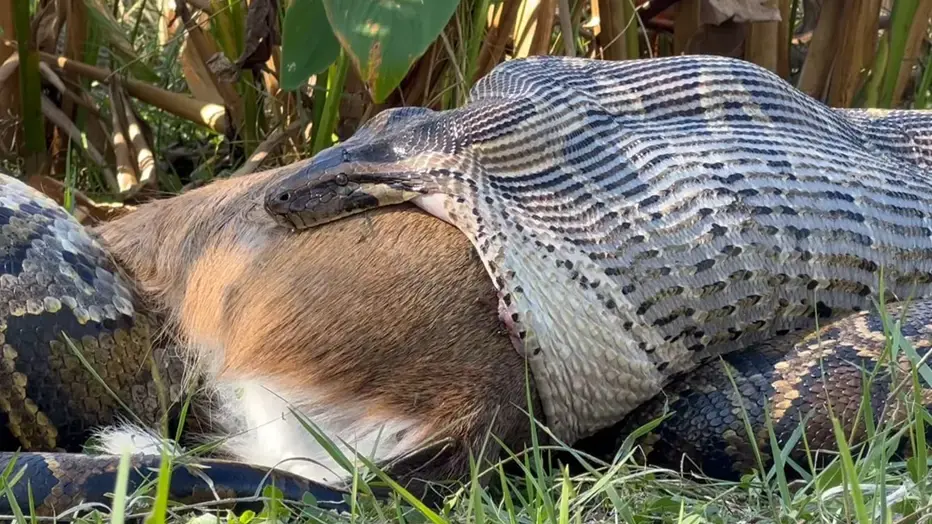
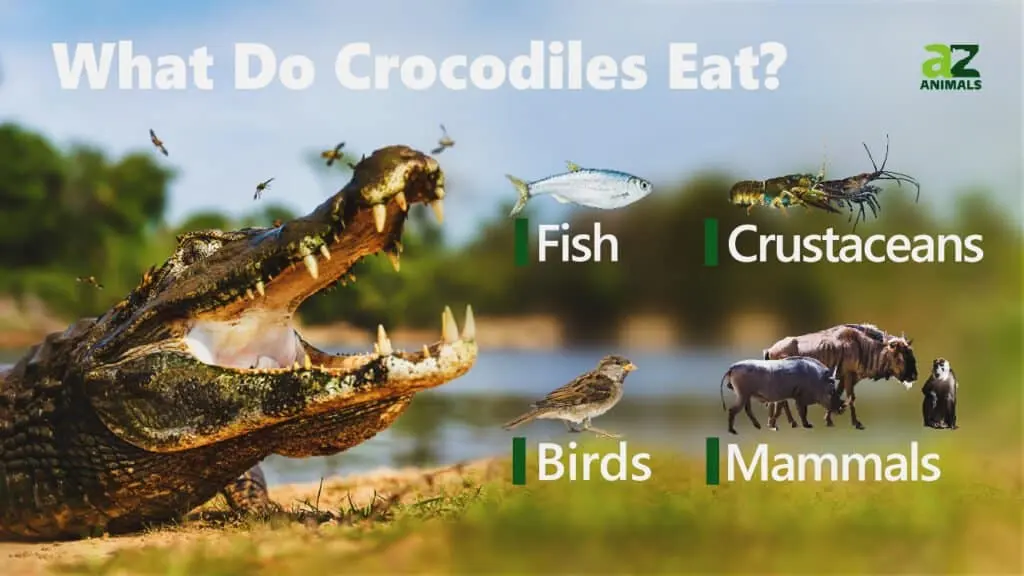
Crocodiles are opportunistic apex predators with a diet that shifts as they age. Hatchlings primarily consume insects, crustaceans, and small fish. As they mature, they advance to larger prey, including birds, reptiles, and mammals. Large adult crocodiles are capable of taking down massive ungulates, such as wildebeest or water buffalo, through ambush predation.
On this page
What do crocodiles eat at different life stages?
The dietary habits of a crocodile change significantly as the animal grows. Newly hatched crocodiles are small and vulnerable, so they focus on prey that is easy to catch and swallow. Their initial diet consists mostly of aquatic invertebrates, such as dragonfly larvae, spiders, beetles, and small crustaceans. These protein-rich snacks provide the necessary energy for rapid early growth.
As the crocodile reaches the juvenile stage, its hunting capabilities expand. They begin to target larger fish, small frogs, and occasionally small birds that venture near the water's edge. At this point, they are still prey for larger predators, so they remain cautious. By the time they reach adulthood, crocodiles become apex predators. They possess the bite force to crush bones and the size to tackle substantial prey. Their adult diet typically includes:
- Medium to large fish
- Waterfowl and wading birds
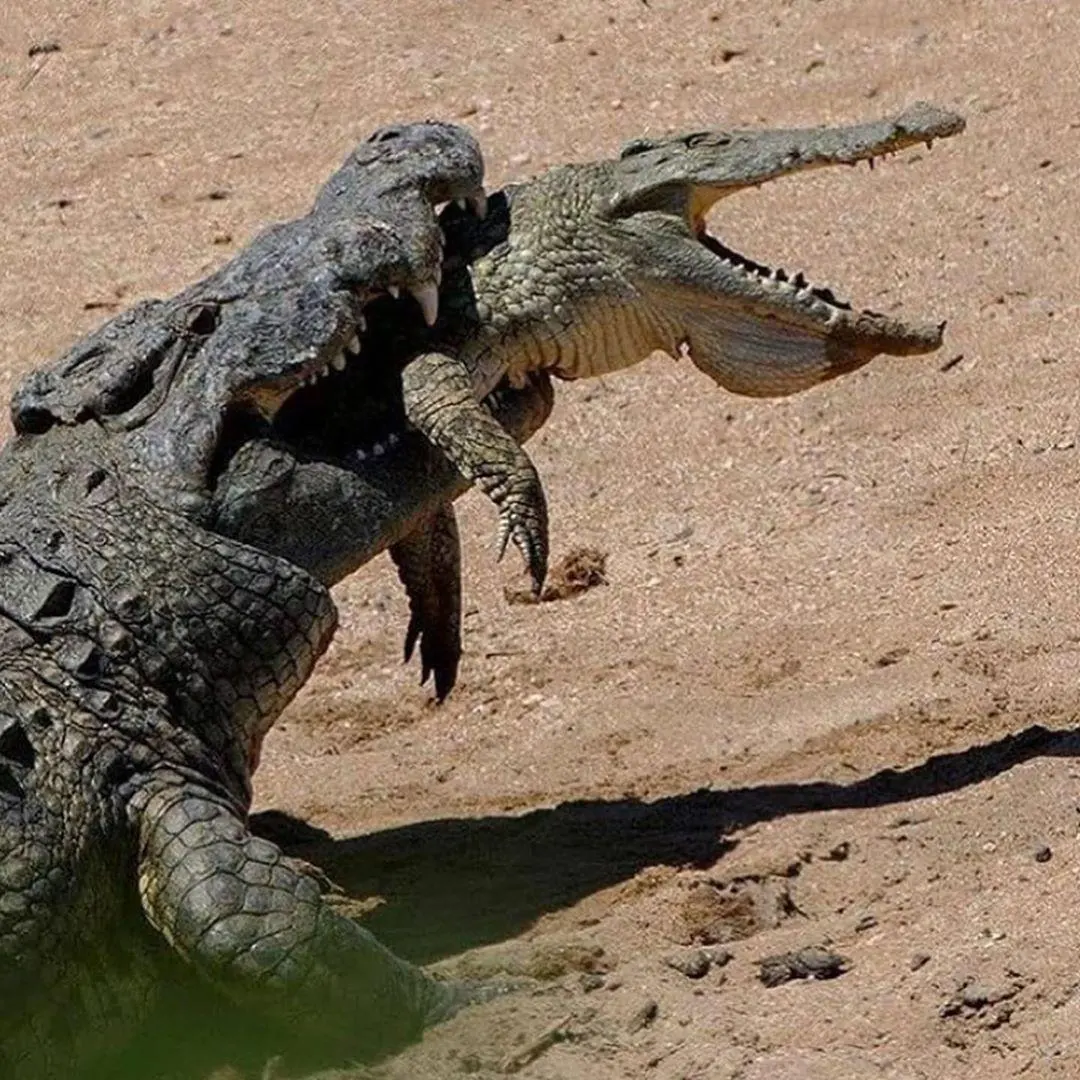
- Reptiles, including turtles and smaller crocodiles
- Large mammals like antelope, deer, and livestock
How do crocodiles hunt their prey?
Crocodiles are primarily ambush predators that rely on stealth and patience rather than active pursuit. They spend much of their time submerged, with only their eyes and nostrils visible above the water's surface. When a land animal approaches the water to drink, the crocodile launches a sudden, explosive attack. They use their powerful tails to propel themselves forward, grabbing the prey with their jaws before dragging it into the water.
This method of hunting is highly efficient because it minimizes the energy expended by the crocodile. Once the prey is in the water, the crocodile often utilizes a "death roll." This involves spinning their bodies rapidly to disorient the victim, tear off chunks of flesh, or drown the target. Because crocodiles have limited stamina, they prefer to secure their meal quickly. If an initial strike fails, they often retreat to conserve energy rather than chasing the prey over long distances on land.
Why do crocodiles swallow stones?
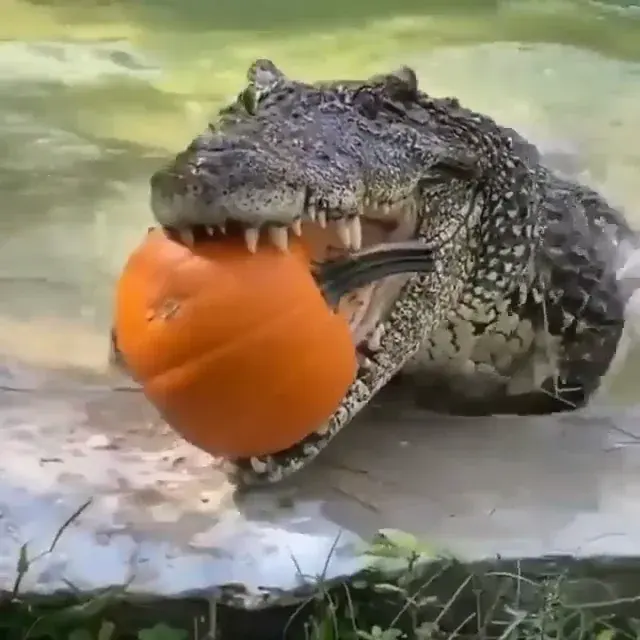
It is a common observation that crocodiles ingest stones, a behavior known as gastrolith consumption. While these stones do not provide nutritional value, they serve several functional purposes for the crocodile's digestion and buoyancy. The stones remain in the gizzard, a specialized muscular part of the stomach, where they help grind up tough food items like bone, shell, and hide. This mechanical breakdown is essential for a creature that swallows its prey in large chunks.
Furthermore, these stones act as ballast, helping the crocodile manage its buoyancy while swimming. By adjusting the amount of stones in their stomach, crocodiles can stabilize their position in the water column. This allows them to remain submerged more easily while waiting for prey. Researchers have noted that larger, older crocodiles often carry significant weight in stones, which may also help them stay anchored in fast-moving currents during floods or seasonal migrations.
Common mistakes when observing crocodile feeding
Many people underestimate the speed and range of a crocodile when observing them in the wild. A common mistake is assuming that a crocodile on land is slow or sluggish. In reality, they can move with surprising bursts of speed over short distances. Maintaining a safe distance is critical, as crocodiles are territorial and highly protective of their hunting grounds. Never approach a crocodile, even if it appears to be resting or basking in the sun.
Another frequent error is feeding crocodiles to attract them for photographs or entertainment. This practice is dangerous and disrupts the natural behavior of the animal. When crocodiles associate humans with food, they lose their natural fear, which increases the likelihood of aggressive interactions. To observe them safely, follow these guidelines:
- Stay at least 30 to 50 feet away from the water's edge in known habitats.
- Use binoculars or a camera with a telephoto lens to view them from a distance.
- Avoid areas where crocodiles are known to nest or bask, especially during the breeding season.
- Never leave food scraps near the water, as this can draw predators toward human activity.
What is the digestive process of a crocodile?
The digestive system of a crocodile is remarkably efficient, allowing them to process large, infrequent meals. Their stomach contains some of the most acidic gastric juices in the animal kingdom, which are strong enough to dissolve bones, hooves, and horns. This high acidity also serves to neutralize bacteria found in the decaying meat that crocodiles sometimes consume. Because they are ectothermic, their metabolism is slow, meaning they do not need to eat as frequently as mammals.
A large meal can sustain an adult crocodile for weeks or even months. During periods of food scarcity, they rely on stored fat reserves in their tails to survive. Their ability to go long periods without eating is a key adaptation that allows them to thrive in environments where prey availability fluctuates. Once they have consumed a meal, they often bask in the sun to raise their body temperature, which accelerates the chemical reactions necessary for digestion. This cycle of opportunistic feeding and slow processing is the foundation of their survival strategy.
Key facts
- Crocodiles are opportunistic carnivores that consume almost any animal they can overpower, including fish, birds, mammals, and reptiles.
- Young crocodiles primarily eat small prey like insects, crustaceans, and small fish to support their rapid growth.
- Adult crocodiles possess a powerful bite force, allowing them to crush the bones and shells of large prey like turtles and wildebeest.
- These reptiles do not chew their food; they swallow smaller prey whole or tear larger carcasses into manageable chunks using a "death roll."
- Crocodiles have a slow metabolism, meaning they can survive for months without a meal if necessary.
- Avoid approaching a crocodile in the wild, as they are ambush predators that strike with extreme speed from the water's edge.
The bottom line
Crocodiles are highly efficient ambush predators that play a vital role in maintaining aquatic ecosystem balance. By consuming a wide variety of prey and utilizing a slow metabolism, they thrive in diverse environments. Understanding their feeding habits highlights their status as opportunistic hunters, emphasizing the importance of keeping a safe distance from their habitats to avoid dangerous interactions with these powerful and ancient reptiles.
People also ask
How often do crocodiles need to eat?
An adult crocodile can survive for several months without food by relying on stored fat reserves. In the wild, they typically eat whenever a suitable opportunity arises, which may range from once a week to once a month depending on prey availability.
Do crocodiles eat humans?
While humans are not a natural part of their diet, crocodiles are apex predators that will attack if they feel threatened or perceive a person as potential prey. Fatal encounters occur primarily in regions where humans and crocodiles share the same waterways.
How do crocodiles digest their food?
Crocodiles have highly acidic stomachs that allow them to digest bones, hooves, and horns. They also swallow stones, known as gastroliths, which help grind up food in the stomach and assist with buoyancy control.
Can crocodiles eat underwater?
Crocodiles can catch prey underwater, but they generally cannot swallow it while submerged. They usually bring their catch to the surface or the bank to manipulate it into a position for swallowing.
Do crocodiles hunt in packs?
While they often congregate at feeding sites, crocodiles do not hunt in coordinated packs like wolves. However, they may display cooperative behavior when feeding on a large carcass, as the size of the meal often prevents territorial fighting.
What is the "death roll"?
The death roll is a maneuver where a crocodile clamps its jaws onto prey and spins its body rapidly. This action disorients the victim and allows the crocodile to tear off bite-sized pieces of meat from larger animals.
This answer was created with the help of AI research tools and reference sources. Spotted an error? Let us know — we correct mistakes quickly. See our editorial policy.