How long do frogs live?
Short answer
Most wild frogs live between 4 and 15 years, though lifespans vary significantly by species and environment. Small species like tree frogs often live only a few years, while larger amphibians like the American bullfrog can survive for over a decade. Captive frogs frequently outlive their wild counterparts due to consistent care.
On this page
How long do different frog species live?
The lifespan of a frog is primarily determined by its species, size, and natural habitat. Generally, smaller species have faster metabolisms and shorter life cycles, while larger, more robust frogs are built for greater longevity. For instance, the common wood frog may live for only 3 to 5 years in the wild, whereas the American bullfrog can reach 10 to 15 years.
Environmental factors also play a critical role in these figures. Frogs living in temperate climates often experience seasonal dormancy, which can influence their overall growth rates and aging processes. In contrast, tropical species may grow more rapidly but face constant pressure from predators and disease. Understanding the specific biology of a frog is essential to predicting its potential lifespan in any given environment.
- American Bullfrog: 10–15 years
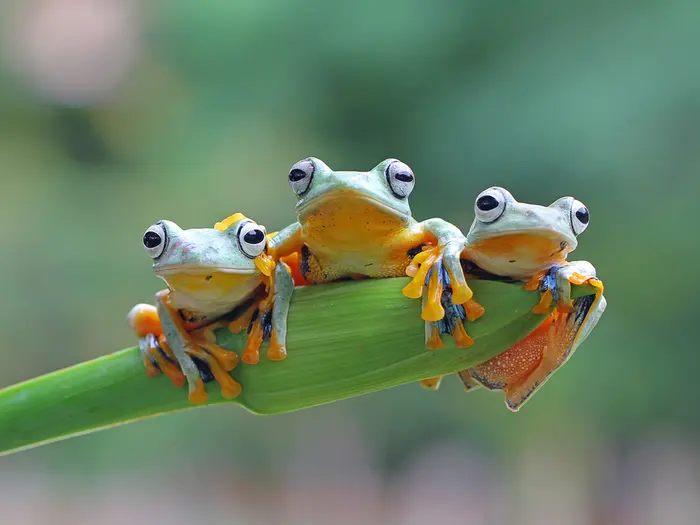
- Red-Eyed Tree Frog: 5–8 years
- African Bullfrog: 15–20 years
- Poison Dart Frog: 5–10 years
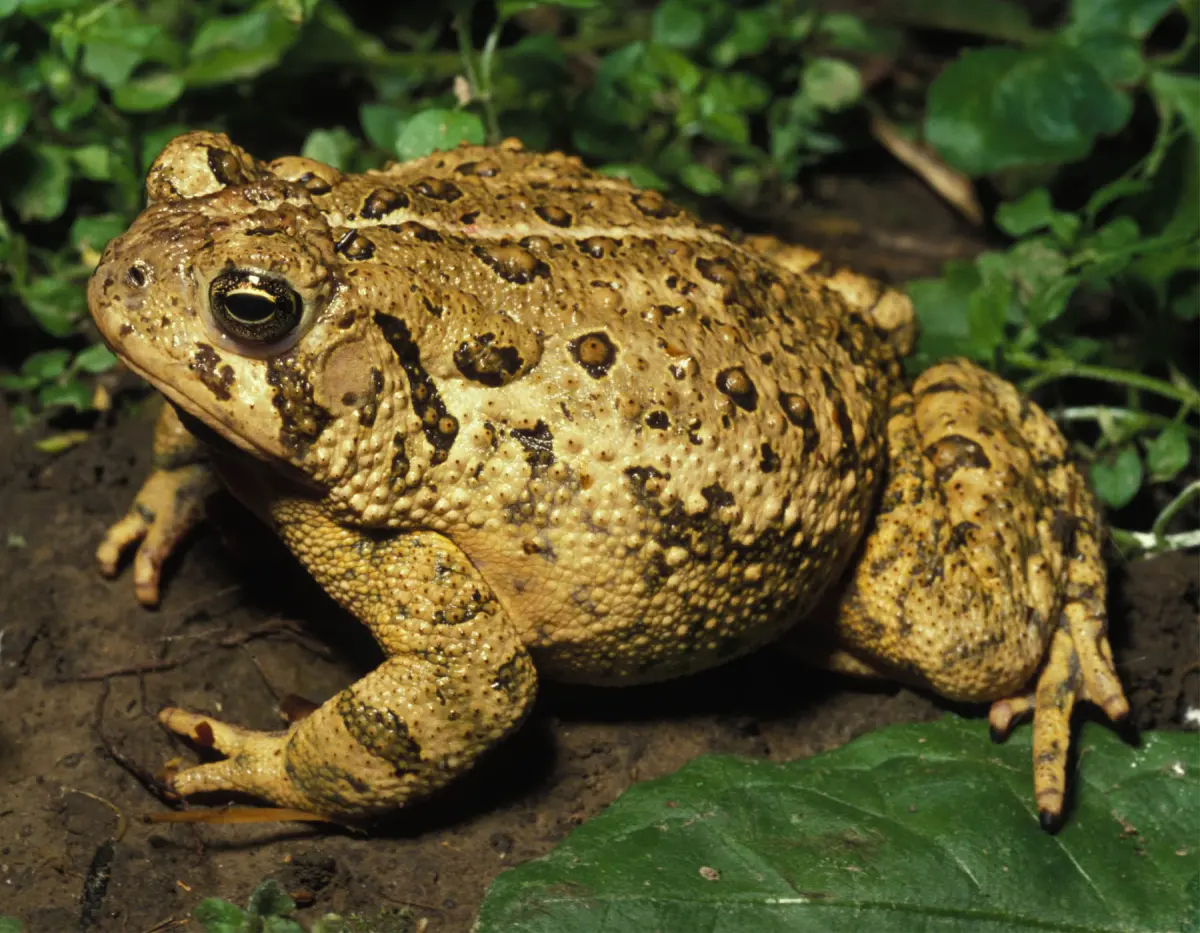
- Common Toad: 10–12 years
Why do captive frogs live longer?
Captive frogs often live significantly longer than those in the wild because they are shielded from the primary causes of premature death. In nature, frogs must contend with a constant barrage of predators, including birds, snakes, fish, and small mammals. Furthermore, wild frogs are susceptible to environmental fluctuations, such as droughts or pollution, which can drastically shorten their lives.
When kept in captivity, a frog benefits from a controlled environment where temperature, humidity, and lighting are optimized. They receive regular, high-quality nutrition without the need to hunt, and they are protected from pathogens that might otherwise thrive in a wild ecosystem. By eliminating the stress of survival, captive frogs can reach or even exceed their maximum biological potential, often living several years longer than their wild cousins.
How to care for a pet frog?
Providing proper care is the most effective way to ensure a pet frog remains healthy and reaches its maximum age. A frog’s habitat must mimic its natural environment as closely as possible, focusing on specific requirements for moisture and heat. Owners must prioritize hygiene to prevent the buildup of bacteria, which is a leading cause of illness in captive amphibians.
- Research the specific humidity and temperature requirements for your frog species.
- Install a high-quality filtration system if the frog is aquatic or semi-aquatic.
- Provide a varied diet consisting of gut-loaded insects dusted with calcium and vitamins.
- Clean the enclosure regularly, ensuring all waste is removed to prevent ammonia buildup.
- Provide a hiding spot, such as a log or dense plant, to reduce the animal’s stress levels.
Common mistakes when keeping frogs
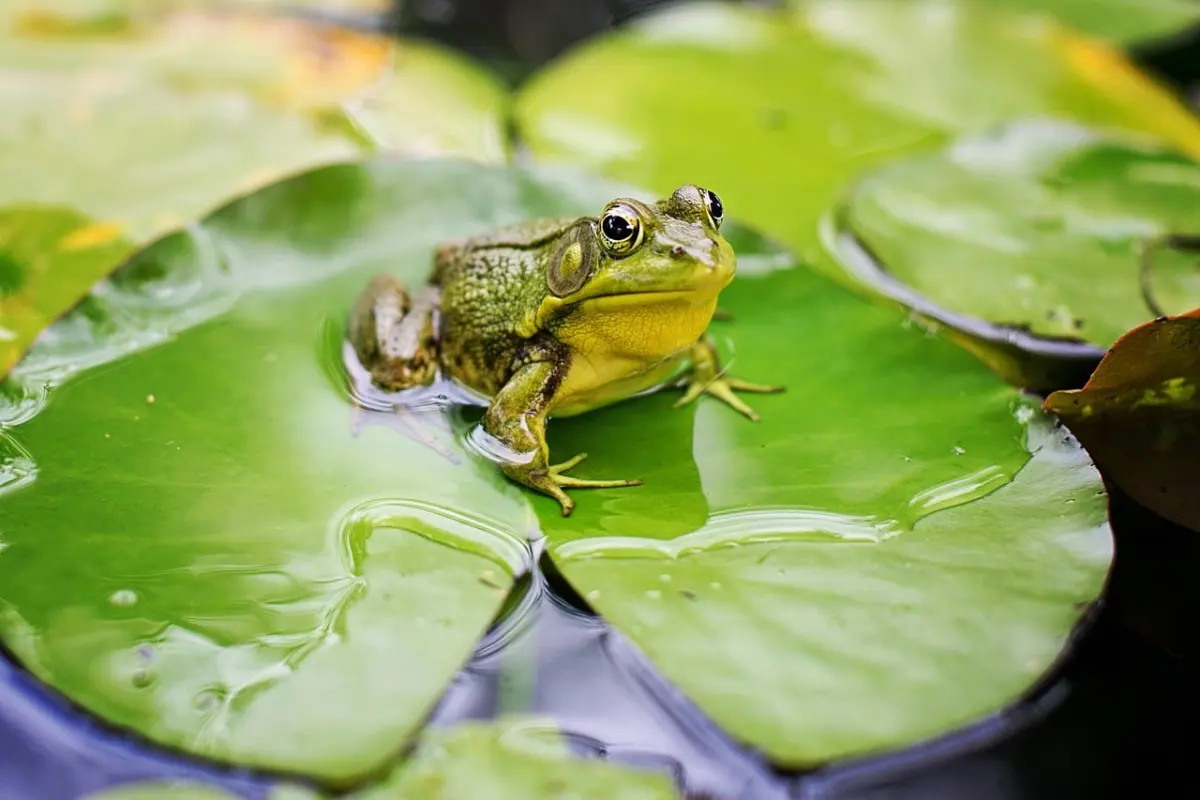
Many new owners inadvertently shorten their frog's life by failing to maintain the enclosure properly. One of the most frequent errors is using tap water that contains chlorine or chloramines, which are toxic to a frog’s sensitive, porous skin. Always use dechlorinated water or a specialized water conditioner to ensure the environment is safe for the animal to soak in.
Another common mistake is improper handling. Frogs have delicate skin that absorbs substances easily, meaning lotions, soaps, or perfumes on human hands can be fatal to them. If you must handle your frog, always wear powder-free, damp nitrile gloves and minimize the time spent outside the enclosure. Overfeeding is also a frequent issue, as captive frogs lack the energy expenditure of wild frogs and can easily become obese.
- Handling the frog with bare, unwashed hands.
- Using unconditioned tap water in the habitat.
- Overfeeding, which leads to obesity and organ strain.
- Failing to provide a proper light cycle for species that require UVB.
- Neglecting to clean the substrate, leading to bacterial infections.
What factors shorten a frog's life?
Several external variables can negatively impact a frog's longevity, regardless of whether it is in the wild or captivity. Disease is perhaps the most significant threat, with the chytrid fungus being a global concern that has decimated many amphibian populations. This fungal infection attacks the skin, which frogs rely on for respiration and water balance, leading to rapid decline.
Habitat loss and environmental degradation also play a major role in shortening lifespans. Pesticides and fertilizers that run off into ponds can cause developmental deformities or weaken the immune systems of frogs, making them more susceptible to parasites. Even in captivity, poor air quality or improper ventilation can lead to respiratory issues. By maintaining a clean, stable, and toxin-free environment, you can mitigate these risks and provide the best possible chance for a long, healthy life.
Key facts
- Most small frogs in the wild live between 2 to 5 years, while larger species often survive for 10 to 20 years.
- Captive frogs frequently outlive their wild counterparts because they are protected from predators, parasites, and environmental stressors.
- The American bullfrog (Lithobates catesbeianus) can live up to 10 years in the wild and occasionally longer in captivity.
- Environmental pollution, habitat loss, and the chytrid fungus are the primary factors that shorten the lifespans of wild frog populations.
- To extend a pet frog's life, maintain a clean habitat and provide a varied diet supplemented with calcium and vitamins.
- Avoid handling pet frogs with bare hands, as oils, lotions, or soaps on human skin can be absorbed through their porous bodies and cause illness.
The bottom line
While a frog's lifespan is heavily dependent on its specific species and environmental conditions, most frogs live between a few years and two decades. Wild frogs face constant threats from predators and habitat degradation, whereas captive frogs can thrive for much longer with proper care. Providing a clean, stress-free environment and a nutritionally complete diet remains the most effective way to ensure a frog reaches its full potential.
People also ask
Do frogs live longer in captivity than in the wild?
Yes, captive frogs often live significantly longer because they have consistent access to food and are shielded from natural predators. In a controlled environment, owners can also provide veterinary care and regulate temperature to prevent common illnesses.
What is the longest-living frog species?
Some species, such as the White’s tree frog, are known to live for 15 to 20 years when kept in optimal conditions. Large species like the African bullfrog have also been documented living for over 20 years in captivity.
How can I tell if my pet frog is healthy?
A healthy frog is typically alert, has clear eyes, and maintains a consistent appetite. Signs of illness include lethargy, skin discoloration, sores, or a refusal to eat for several days.
Do all frogs have the same lifespan?
No, lifespan varies drastically based on the species, size, and habitat. Smaller species like the poison dart frog may live 5 to 10 years, while larger aquatic species have different biological aging processes.
Does water quality affect a frog's lifespan?
Water quality is the most critical factor for aquatic and semi-aquatic frogs. Because they breathe and hydrate through their skin, toxins like chlorine or ammonia in tap water can be fatal within hours.
Can diet influence how long a frog lives?
A balanced diet is essential for preventing metabolic bone disease and obesity. Feeding a frog a monotonous diet of only one type of insect can lead to nutritional deficiencies that shorten its life.
This answer was created with the help of AI research tools and reference sources. Spotted an error? Let us know — we correct mistakes quickly. See our editorial policy.